

What worries you, masters you!
– John Locke –
In a world full of heavy traffic, stressful deadlines, and never-ending demands from the corporate grind, reconnecting with Mother Nature has become one of the most powerful and accessible ways to heal. For many of us, hiking mountains or swimming in pristine beaches has become the perfect escape.
For me, mountain climbing—especially dayhikes—has been my most affordable and reliable therapy.
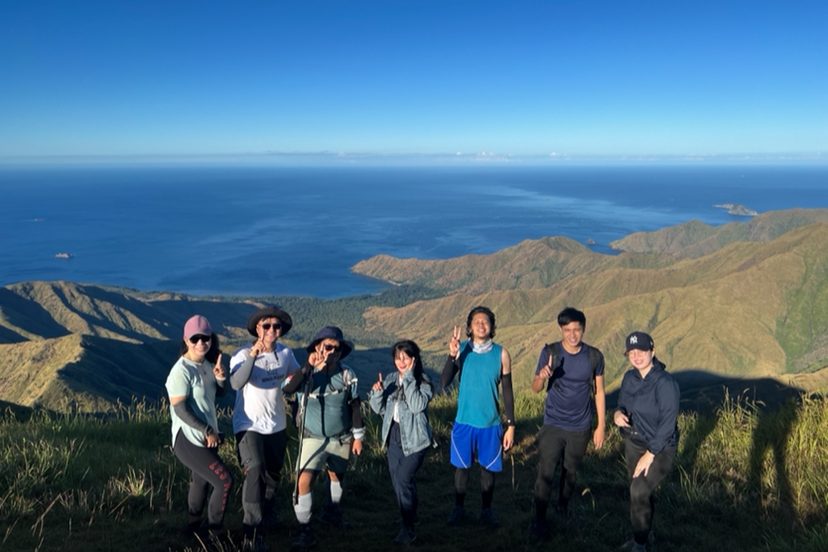
Before diving into my tips, let me explain the kinds of hikes I usually join:
- Minor hike – A simple dayhike, typically 3–4 hours up and down, with minimal assaults.
- Major hike – Longer, tougher trails. Some organizers offer these as dayhikes, usually 4+ hours going up, with more technical terrain. Others offer 2D1N (or longer) itineraries.
- Multi-peak major hike – Multi-day climbs that include multiple peaks, long traverses, and more challenging, exposed trails.
The Major Dayhike.
If you’re ready to challenge yourself, burn calories, and enjoy the mountains without staying overnight, then this blog is for you. And don’t worry—I made this beginner-friendly and easy to follow.
Just remember one word:
D.E.A.T.H.
(Discipline, Exercise, Assess, Take It Easy, Homage)
It sounds intimidating, but trust me—this acronym is the key to a safe, successful, and enjoyable major dayhike.
1. DISCIPLINE
Nothing beats discipline.
Your preparation doesn’t start on the mountain—it starts days or weeks before the hike.
Discipline means:
- Eating the right food and the right amount.
- Walking 30 minutes a day or going to the gym regularly.
- Staying consistent even on days you “don’t feel like it.”
Your body will thank you.
Physical conditioning is essential in mountain climbing.
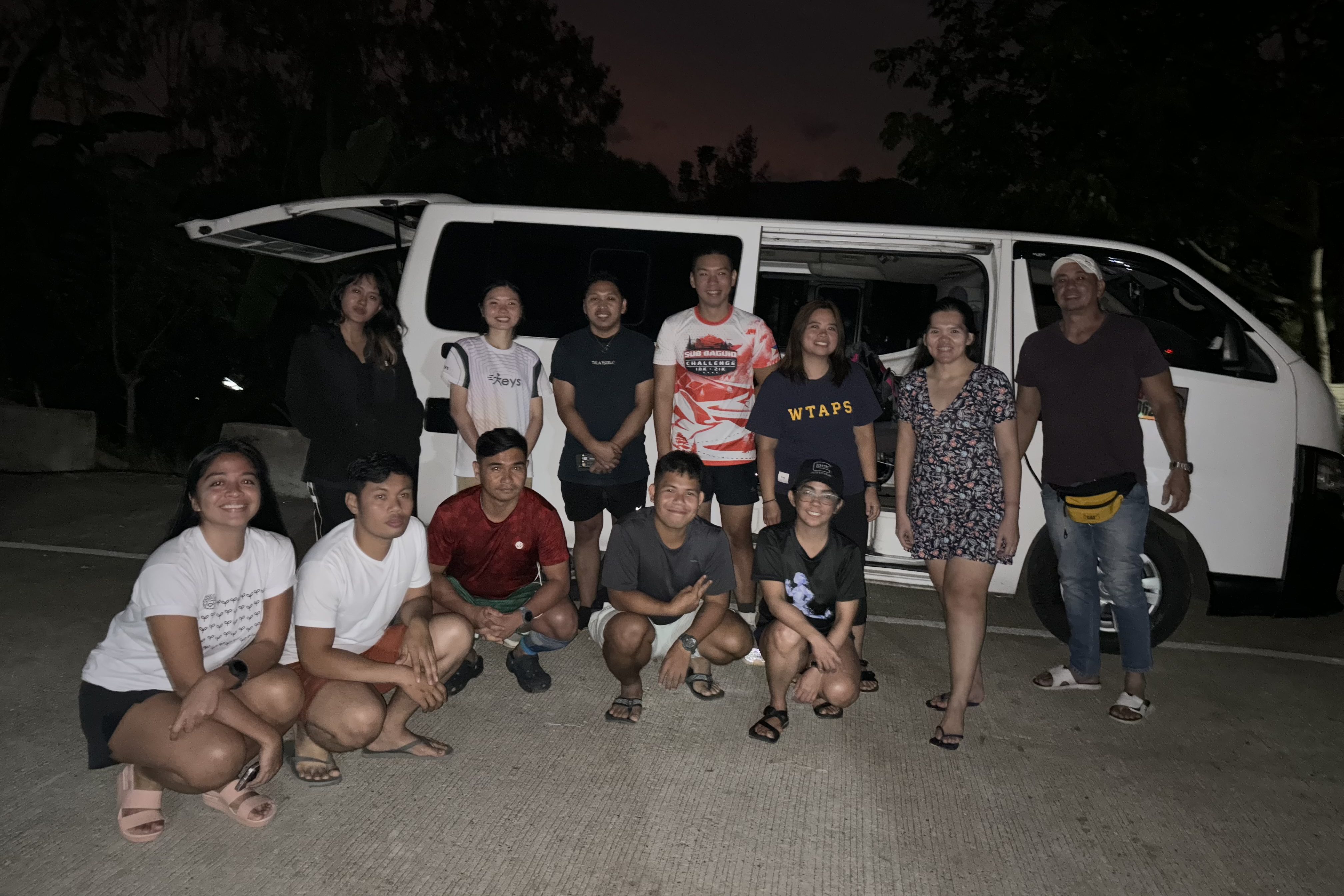
Mental preparation is equally important.
Read about the trail.
Research the mountain.
Understand the terrain.
A mentally prepared hiker is a safer hiker. And the most memorable climb is an injury-free one.
2. EXERCISE
I know this sounds repetitive, pero kailangan talaga.
Exercise is the backbone of every successful hike.
Even just:
- Jump rope (my personal favorite—I lost nearly 10kg in 3 months!)
- 30 minutes to 1 hour of walking daily
- Weightlifting
- Daily steps target (10k)
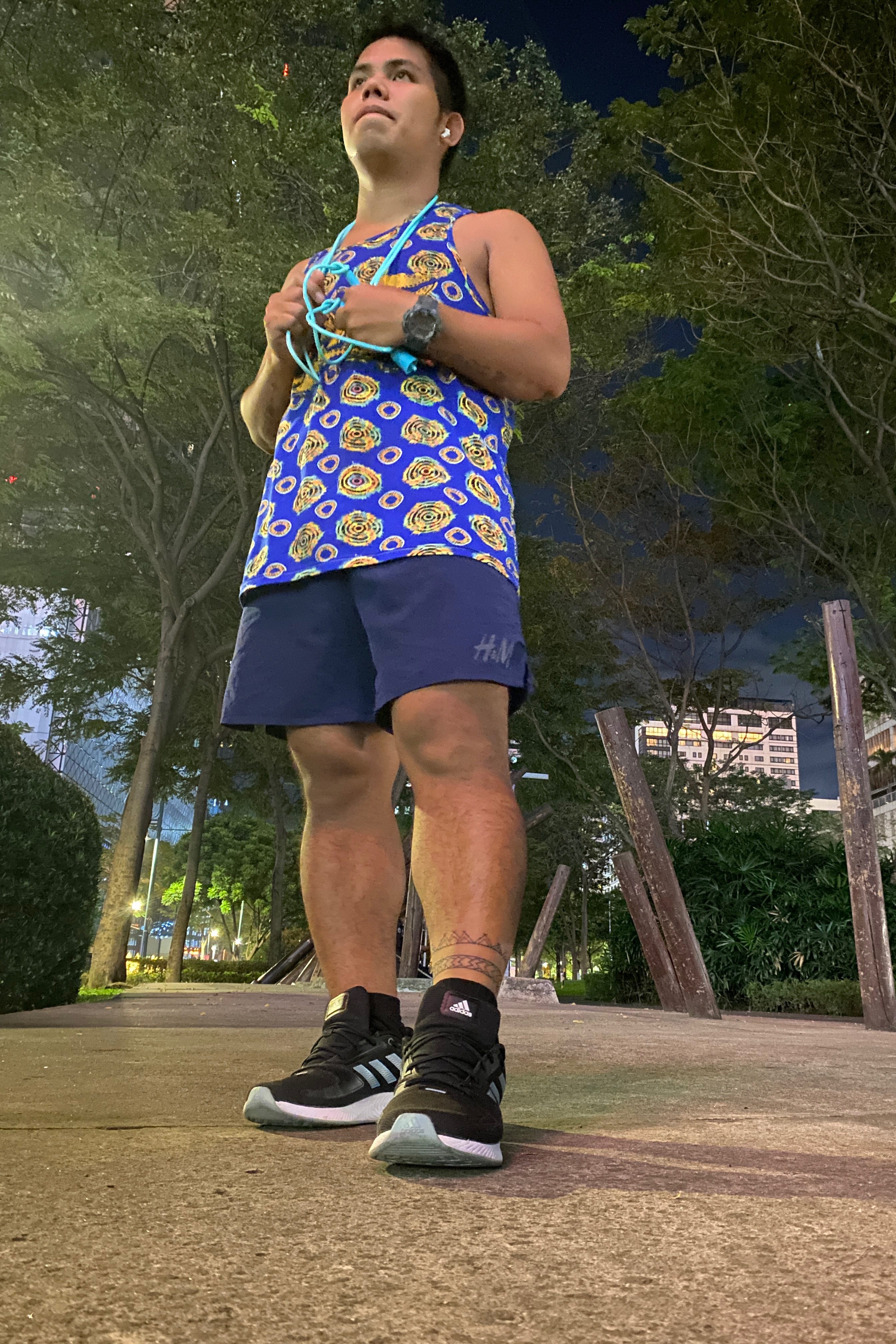
Regular exercise prepares your body for long hours of walking, steep assaults, heat exposure, and unpredictable terrain. If you’re already physically fit—still train. Trail conditions are different from the gym.
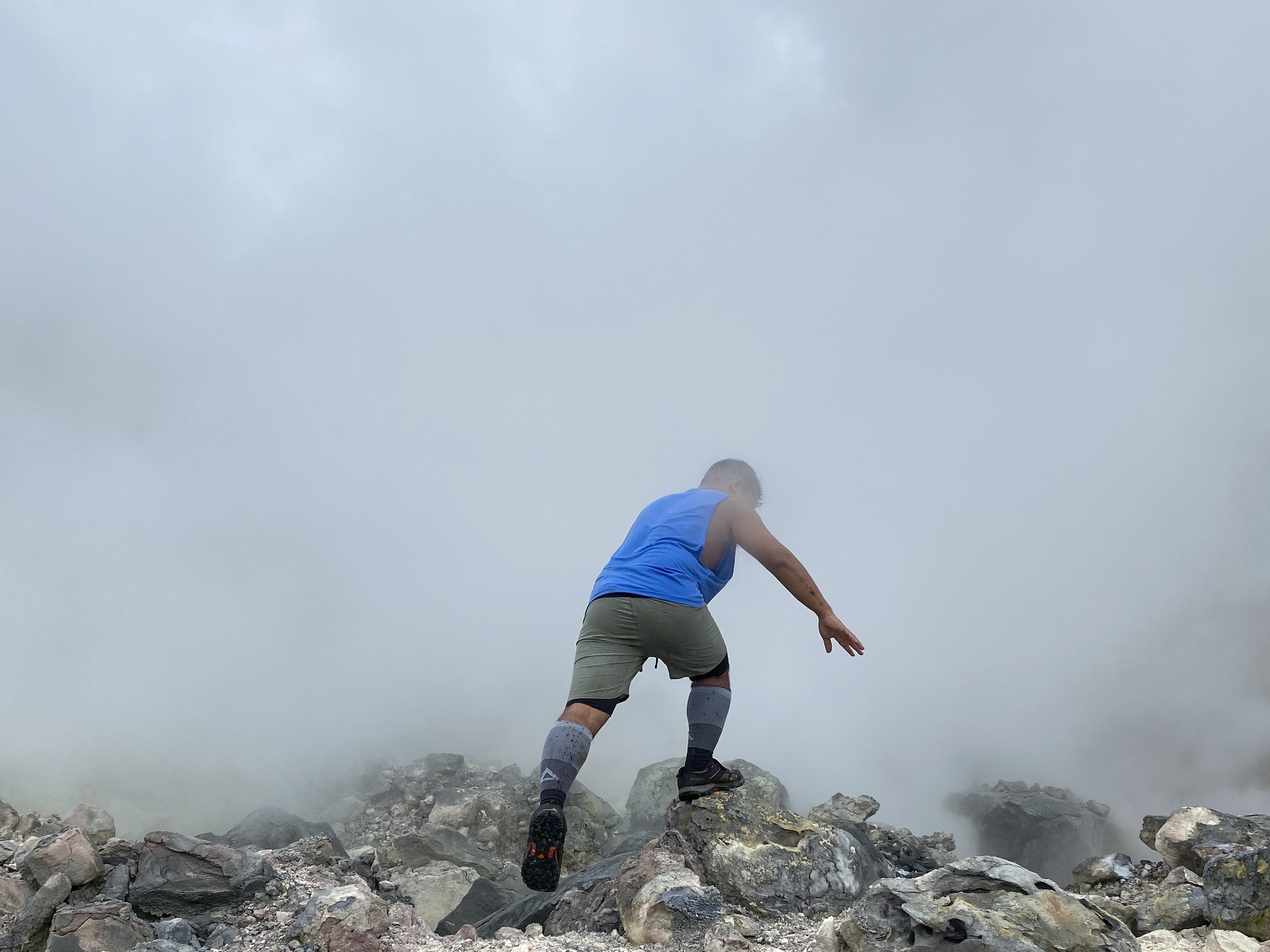
Skipping training can lead to injuries your body may struggle to recover from, especially on major climbs.
3. ASSESS
Assessment is everything.
Before joining a hike, I always research:
- Difficulty level
- Trail length
- Type of assaults (rocky, exposed, technical)
- Water sources
- Weather conditions
- Needed gear
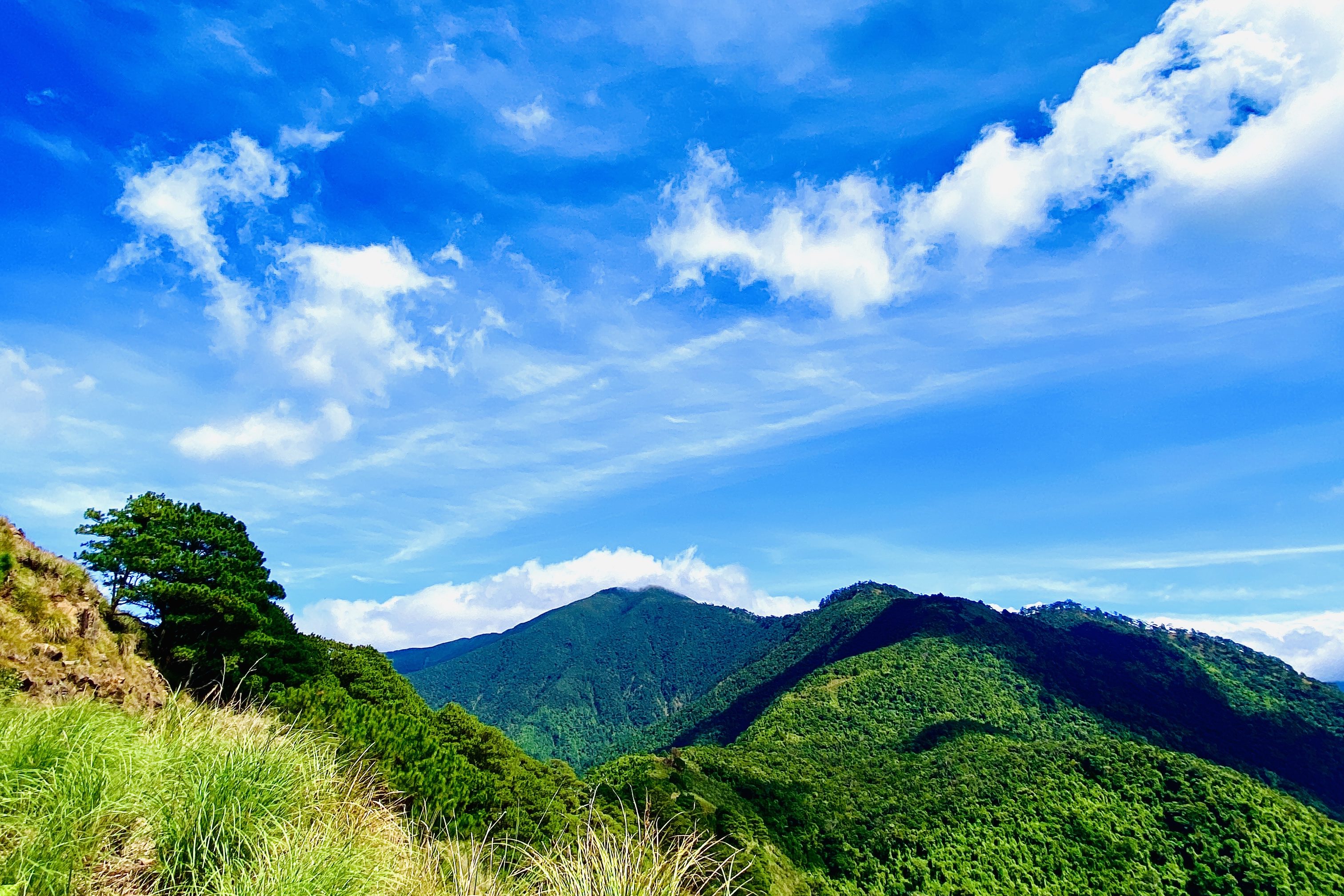
You need to ask yourself:
- Can I handle a 90-degree assault with only tree roots to grip?
- What if the trail has boulders or knife-edge ridges?
- Am I prepared for 10+ hours of walking?
Understanding these things prevents injuries and helps you enjoy the climb instead of merely surviving it.
Blogs like this, vlogs, and online hiking communities are your best friends. Learn from others so you can prepare smarter.
Assessing your hike also lets you estimate how long it will take you to reach the summit and return safely. Proper preparation—mental and physical—turns a major dayhike into a fulfilling experience, not a traumatic one.
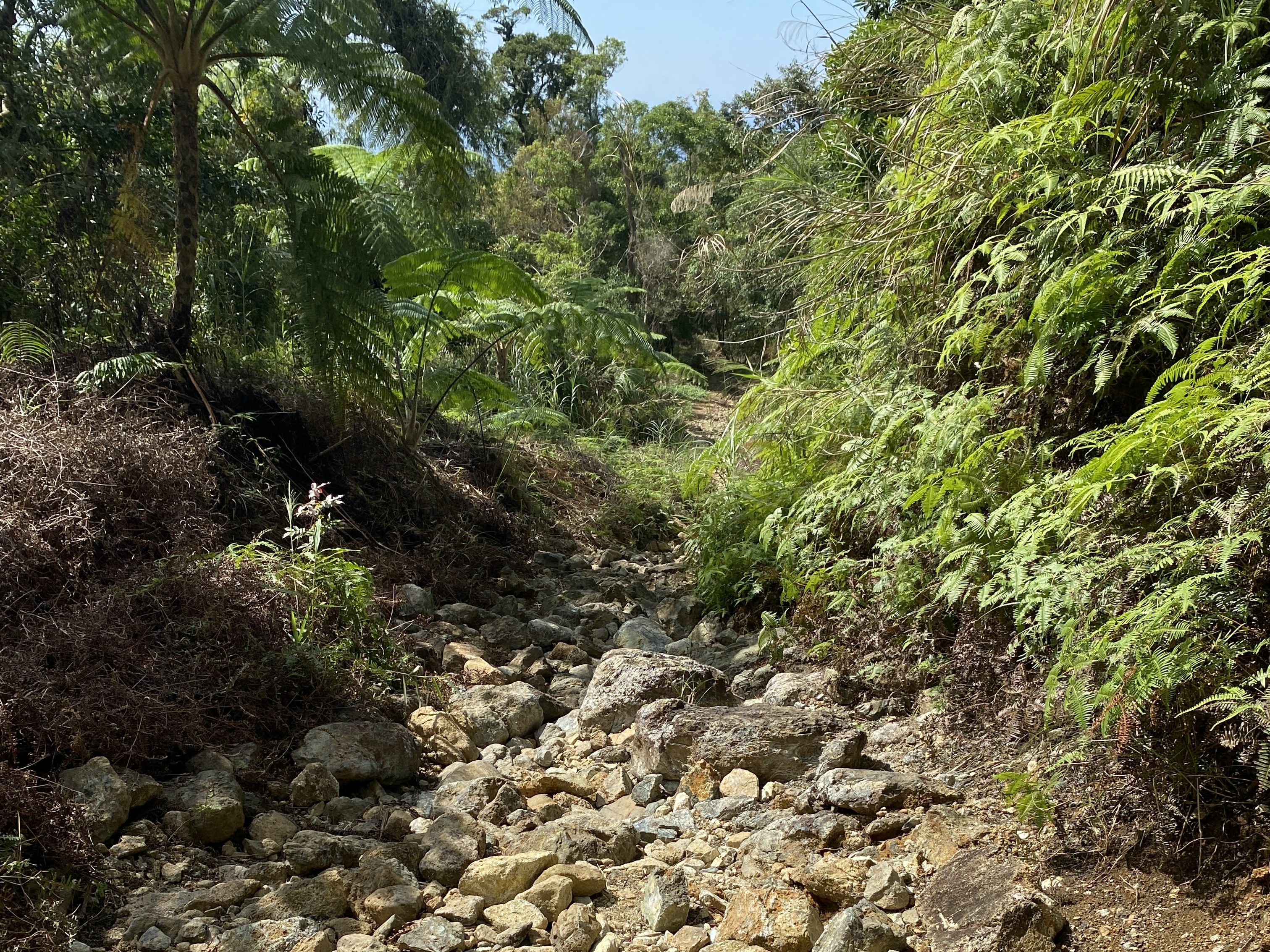
4. TAKE IT EASY
I mentioned in my blog last week How to have an Injury-Free Hike? that hiking or mountain climbing isn’t a marathon. Climb or hike at your own pace! Enjoy the nature which in one phrase, “Just take it easy!”.
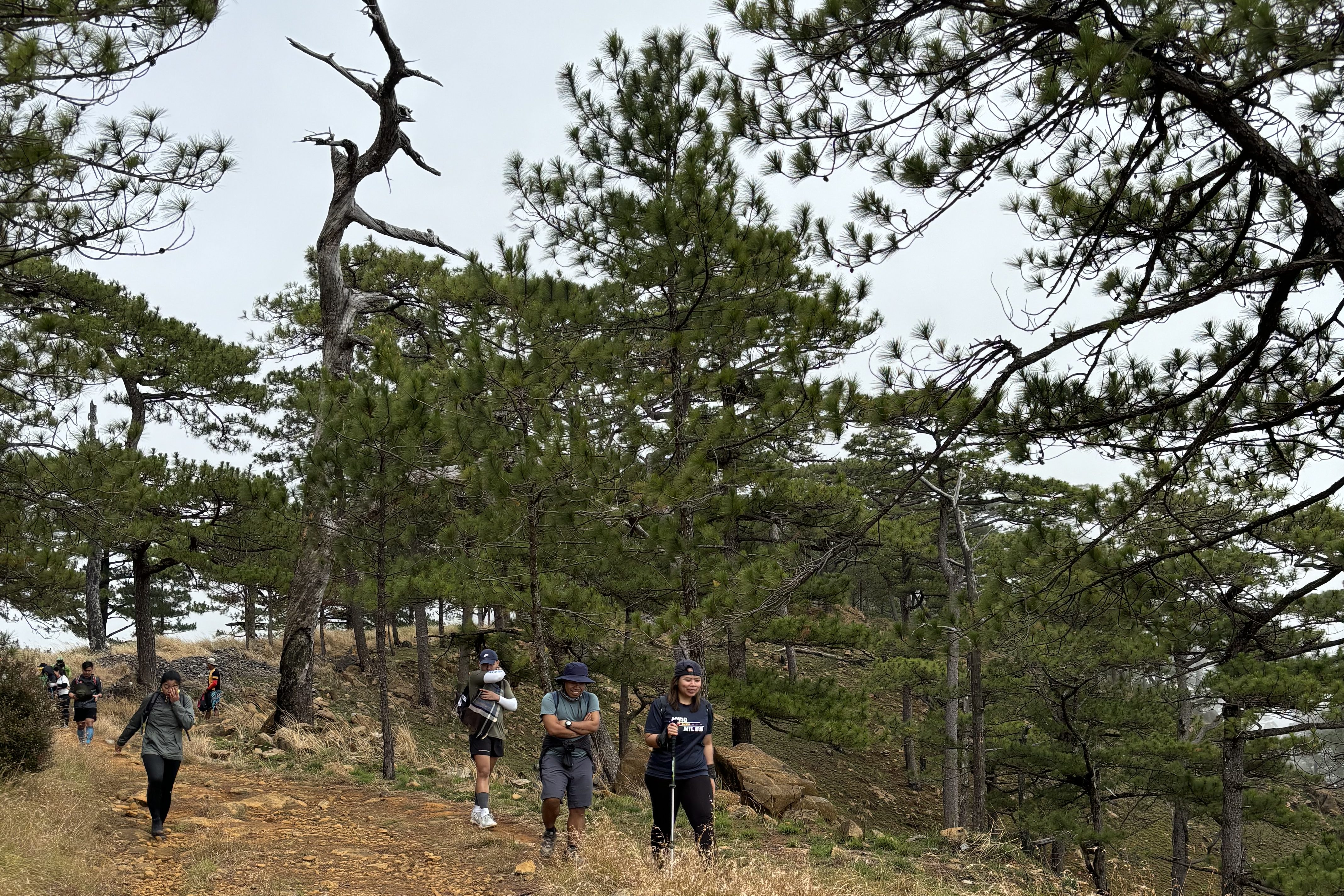
Hiking is not a race.
It is not a marathon.
It is a journey meant for you to enjoy.
Walk at your own pace.
Rest when needed.
Listen to your body.
All the discipline, exercise, and assessment you invested will go to waste if you push beyond your limits.
Take your time.
Take photos.
Take a deep breath.
Take it easy.
Slow hikers still reach summits.
What matters is you get there safely and happily.
5. HOMAGE
Lastly—respect.
Respect the mountains.
Respect the locals.
Respect fellow hikers.
Greet people on the trail—“Good morning! Ingat po!”
Some may not respond, but kindness always goes a long way.
Most importantly:
Leave No Trace.
- Do not litter.
- Pick up trash you see.
- Protect the trail.
- Preserve nature.
Our pockets are our closest trash bins. A small act of care makes a big difference.
Take nothing but pictures.
Leave nothing but footprints.
Kill nothing but time.
Keep nothing but memories.
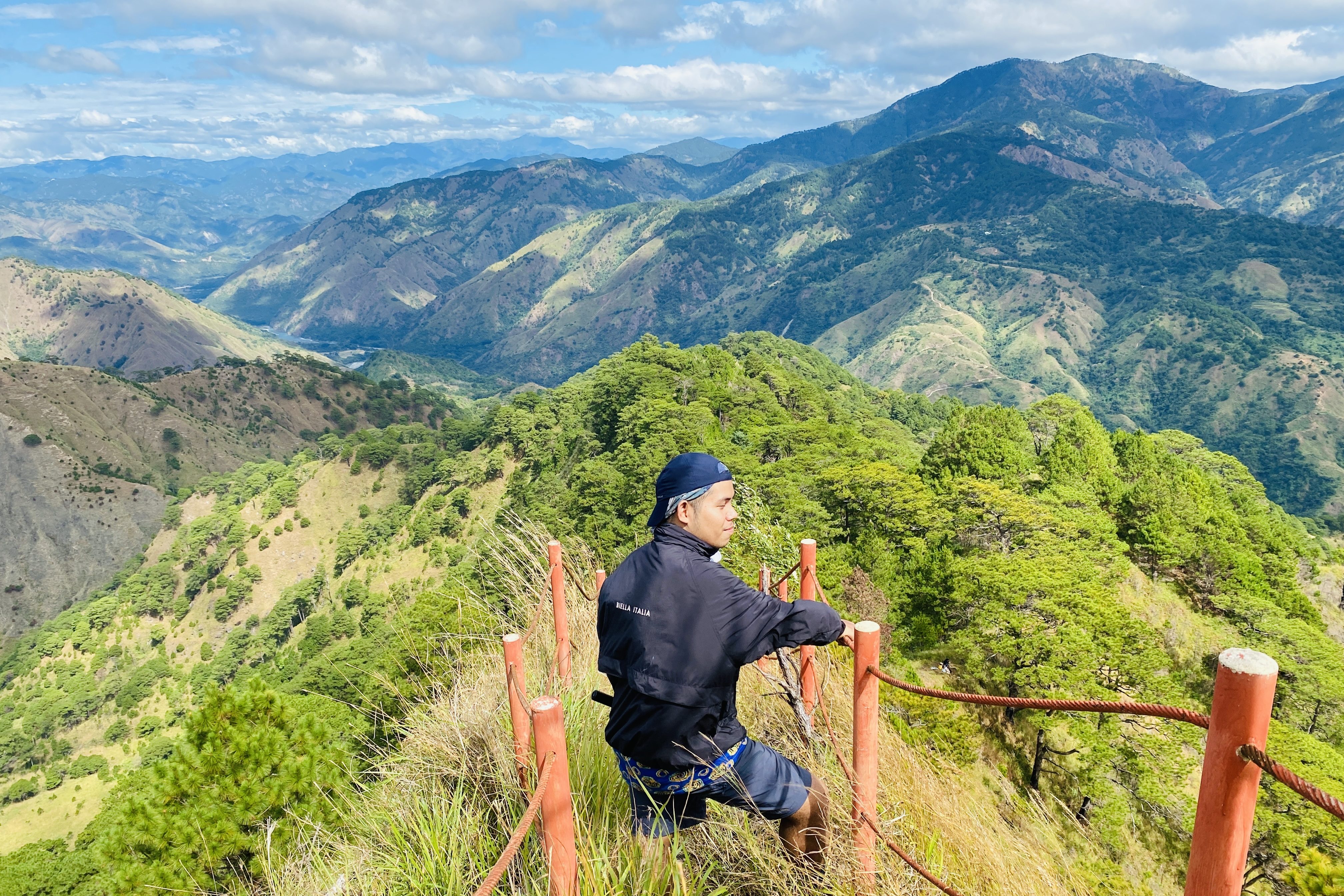
Planning Your First Major Dayhike? Remember D.E.A.T.H.
Discipline
Exercise
Assess
Take it Easy
Homage
These five steps changed my hikes completely. They made every climb more manageable, enjoyable, injury-free, and memorable.
If you’re recovering from an injury, let your body heal first. We only have one body—take care of it. Once you’re healed, apply these steps and feel the difference.
Share this guide with your harkor friends, your first-time hiker friends, and your soon-to-be hiker buddies. Help them turn the mountains into their source of healing, inner peace, and happiness.
Follow me on my social media accounts linked here on my blog!
‘Til next time, mga Ka-Ahon! See you on the trails! 🌄🏞️💚


 Chill Adventures with Joms