

“Somewhere between the bottom of the climb and the summit is the answer to the mystery why we climb.”
– GREG CHILD –
My long overdue story of reaching the rooftop of the Philippines.
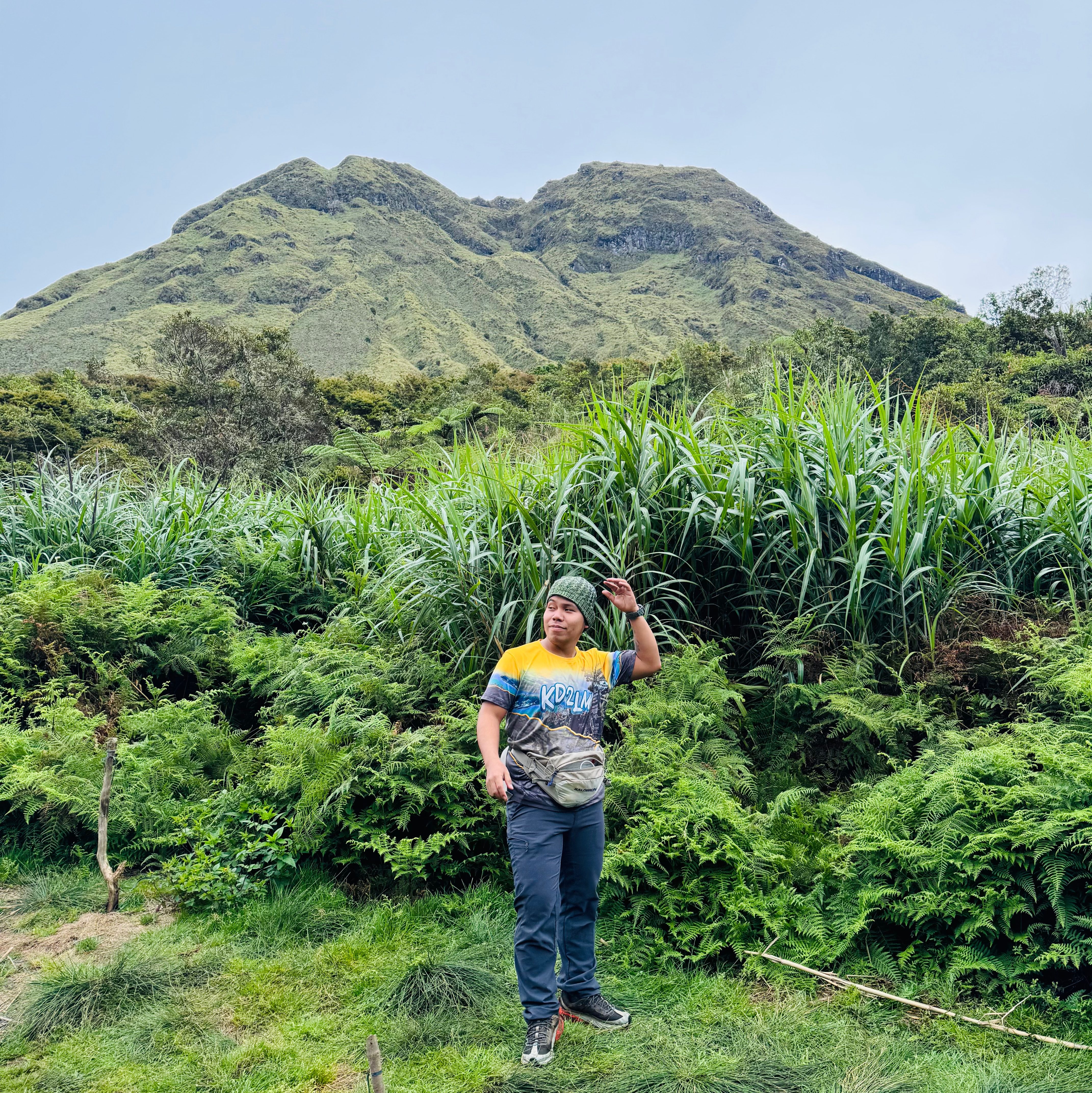
When I started hiking, I always imagined one thing: to stand on top of Mt. Apo—the highest mountain in the Philippines. Most hikers and adventurers dream of this. Every summit has its own beauty and difficulty, but deep inside, there’s always that desire to experience the highest peak.
For months, I wasn’t able to write—life happened, procrastination happened, and weekly hikes with my partner kept me busy. But this Mt. Apo story deserves to be told.
This was our journey, and the unforgettable lessons of TRAIL, TIME, and TOIL that shaped it.
Last February 2025, we finally did it: a 3 days, 2 nights Mt. Apo multi-day hike with close friends and workmates, guided by Explore Mt. Apo. We used the Sta. Cruz Trail and exited through the Bansalan Trail, two of the most popular Mt. Apo routes.
TRAIL and TIME
Day 1: Assaults and Endless Mud
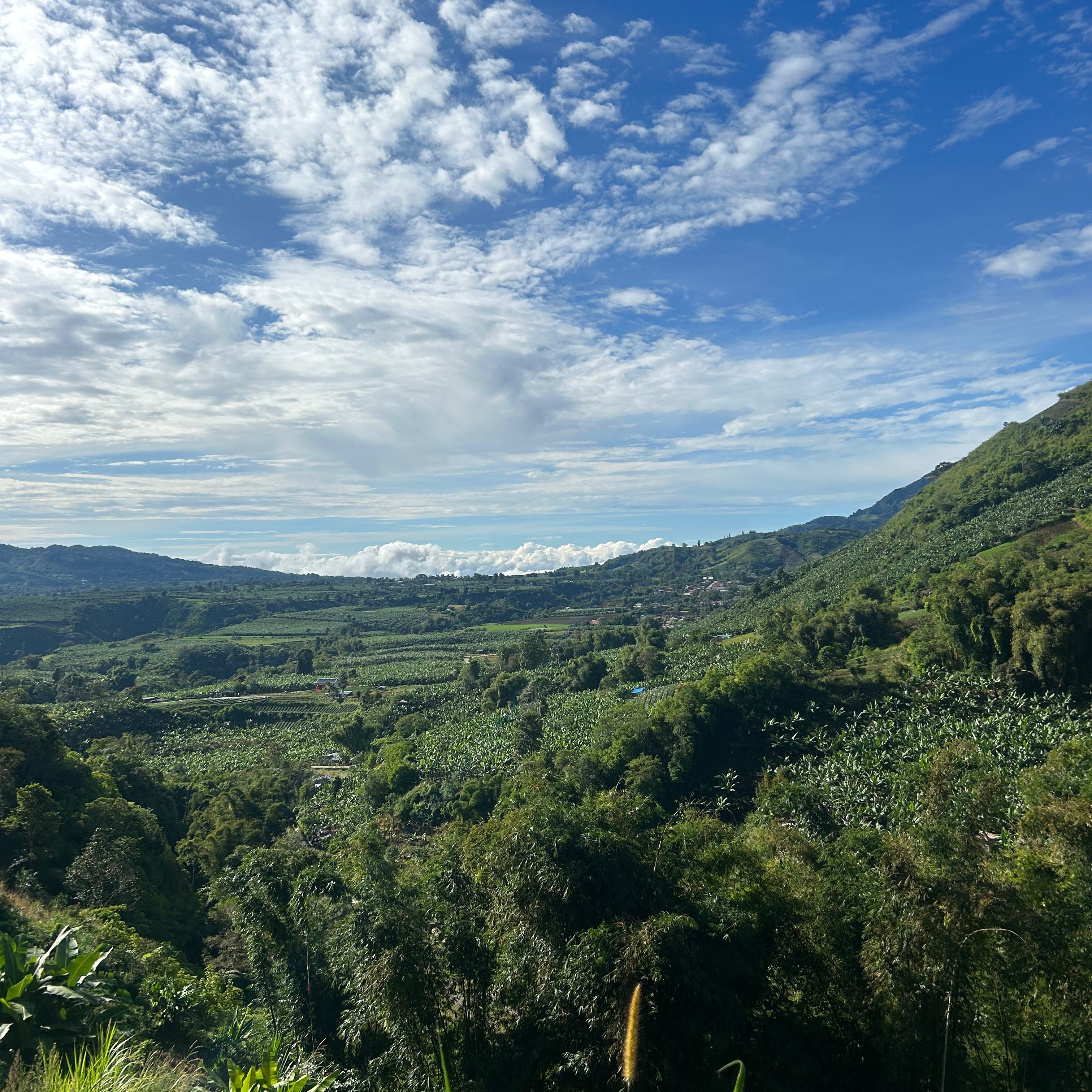
We started trekking around 8 AM. The trail greeted us with a long assault almost immediately. We walked past farming communities with wide vegetable and flower fields—one of the most scenic sections of the Sta. Cruz Trail.
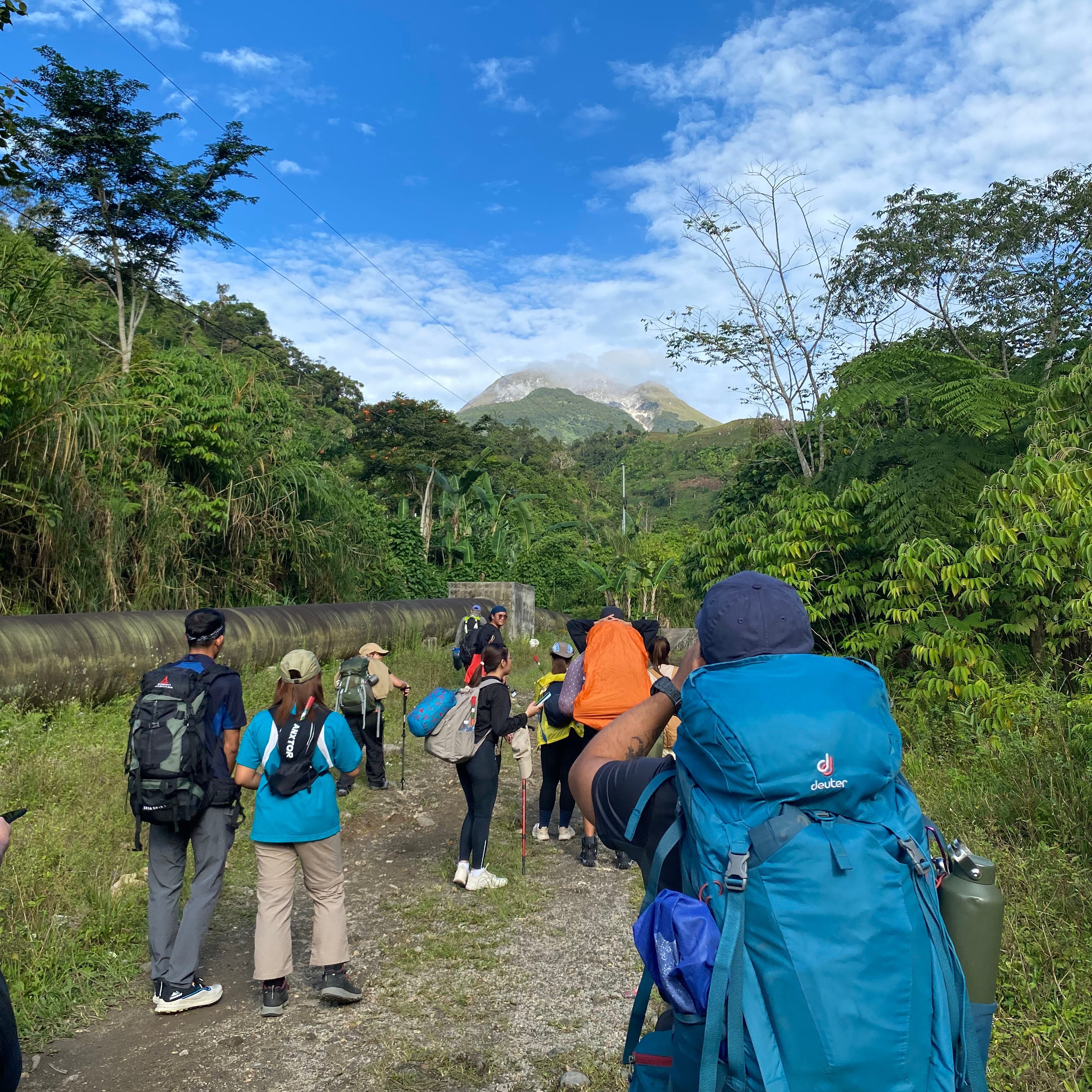
Despite the steep parts, Sta. Cruz Trail is beginner-friendly with the right preparation. There are local vendors selling snacks like soft drinks and banana cue, which helps during the early part of the climb.
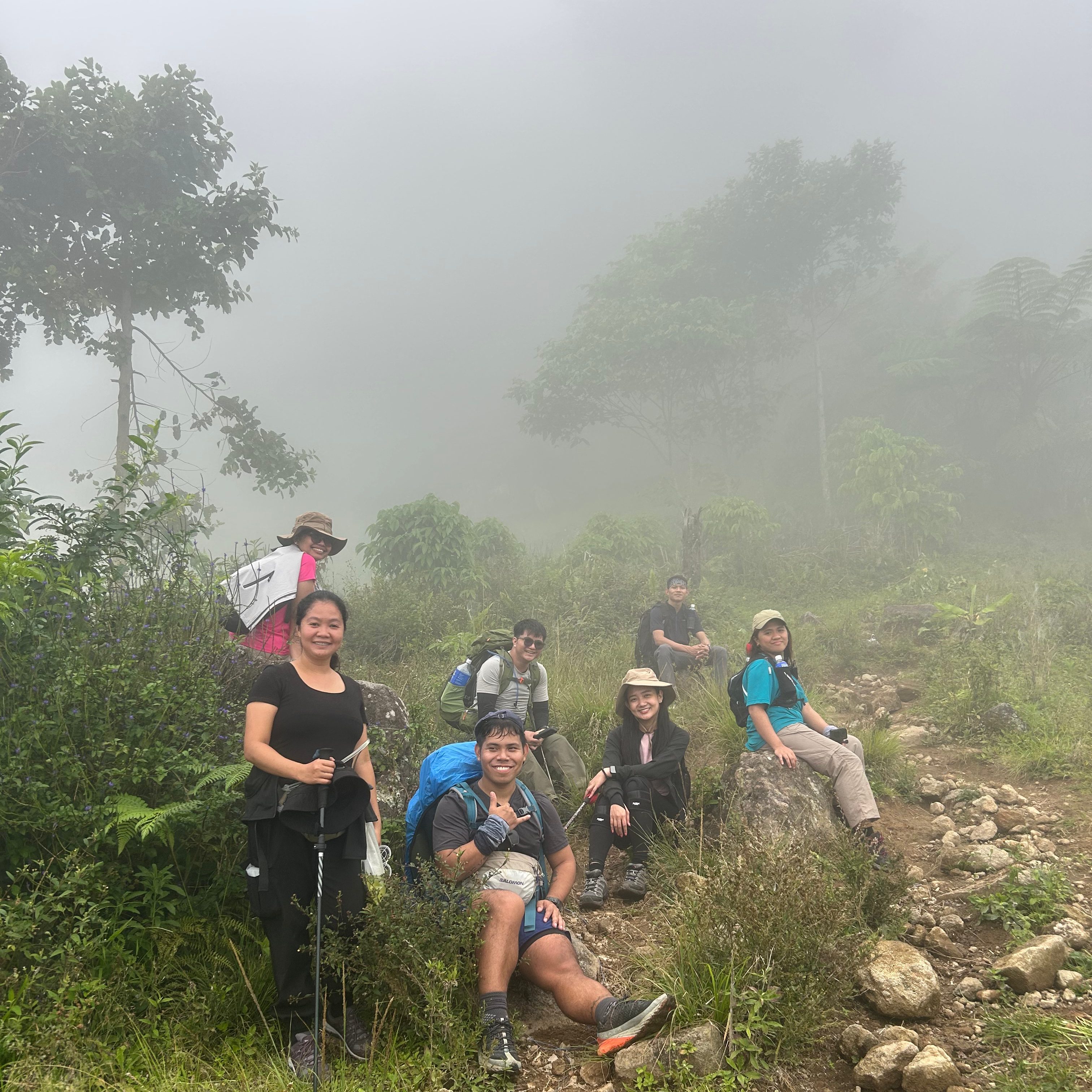
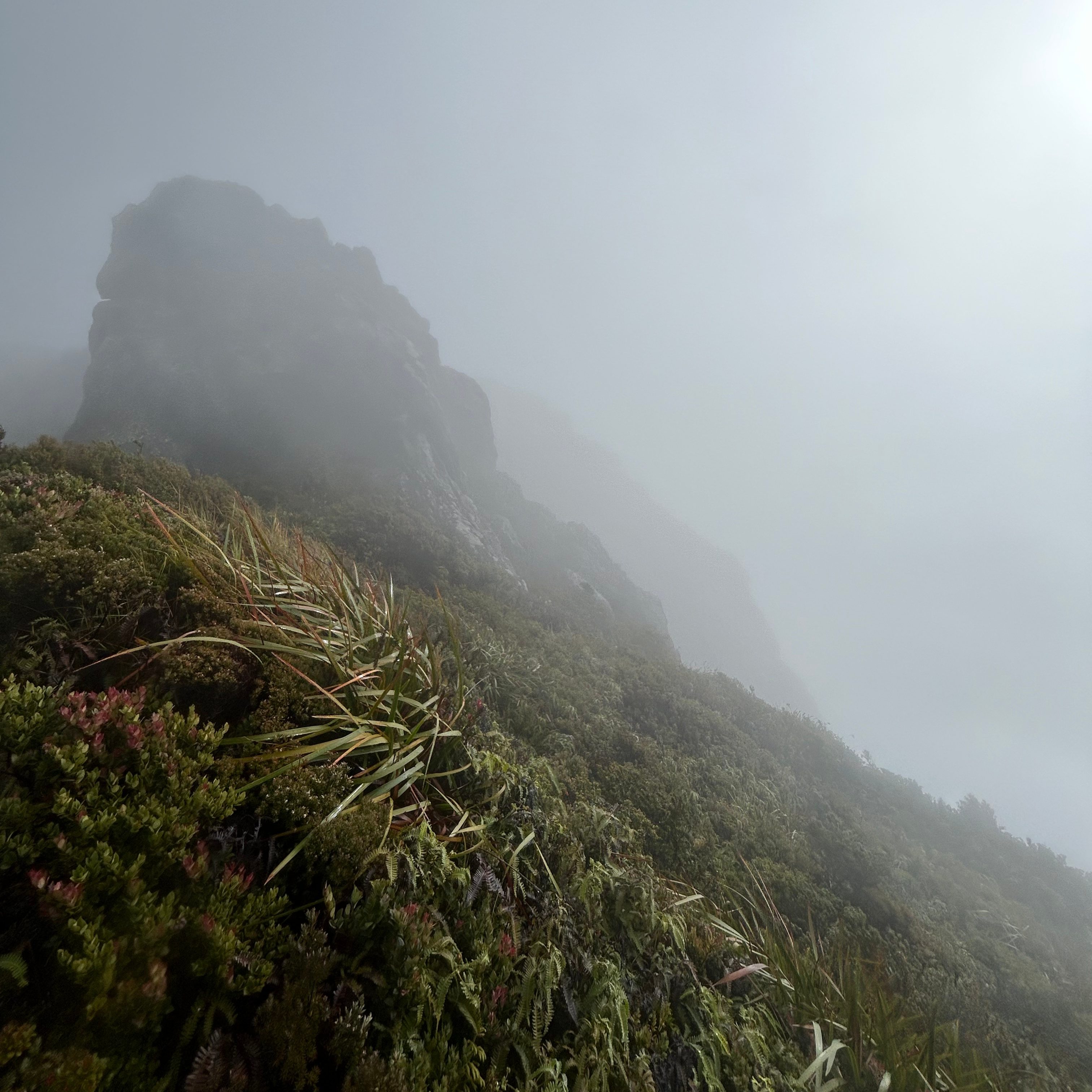
As we climbed higher, the weather became gloomy. Fog thickened, the soil turned muddy, and the trail became slippery. By the time we reached Basakan Camp, everything was soaked.
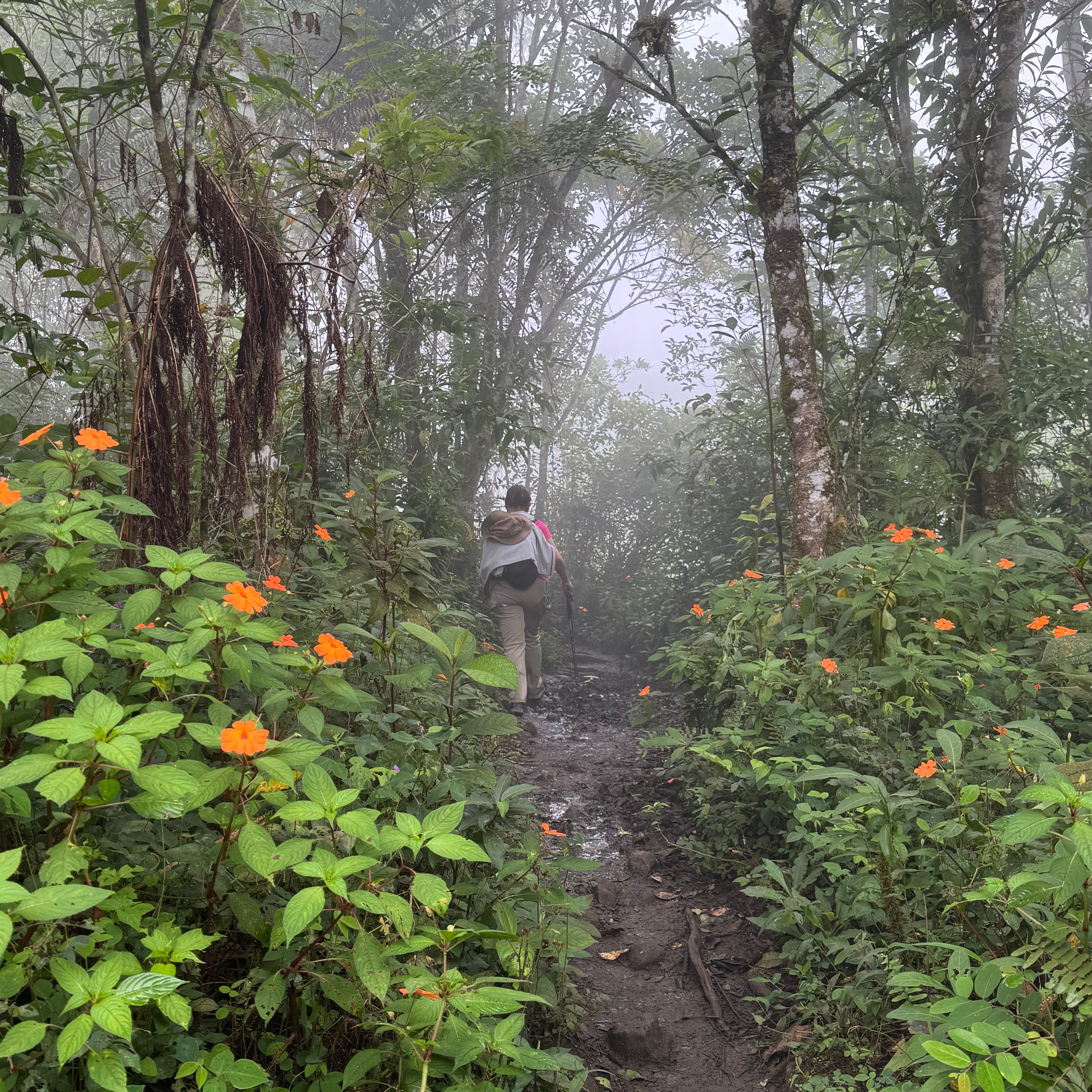
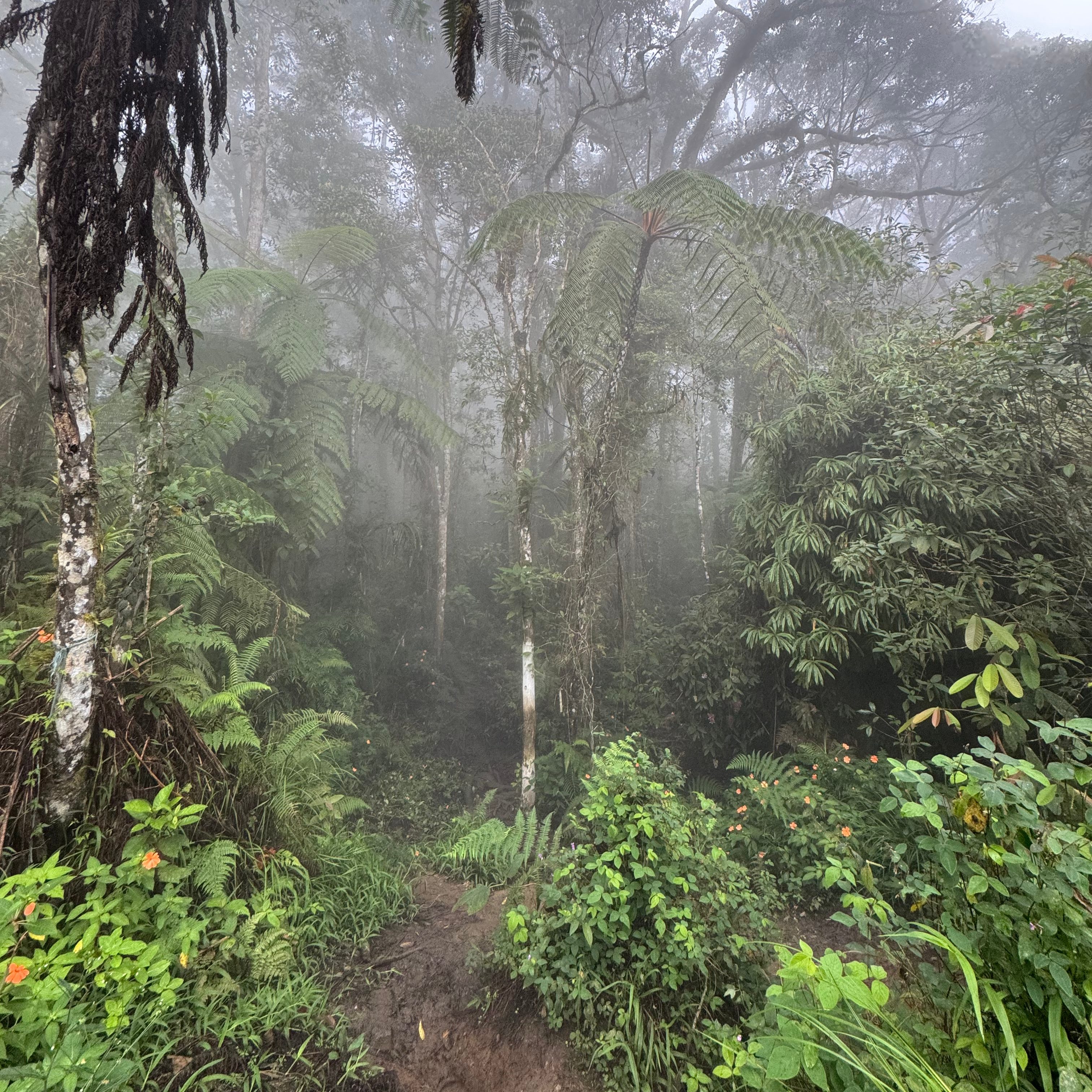
After about 6 hours of trekking, we reached our first campsite. Dinner was warm, comforting, and exactly what we needed. We overslept from the exhaustion—starting our summit push at past 3 AM instead of 2.
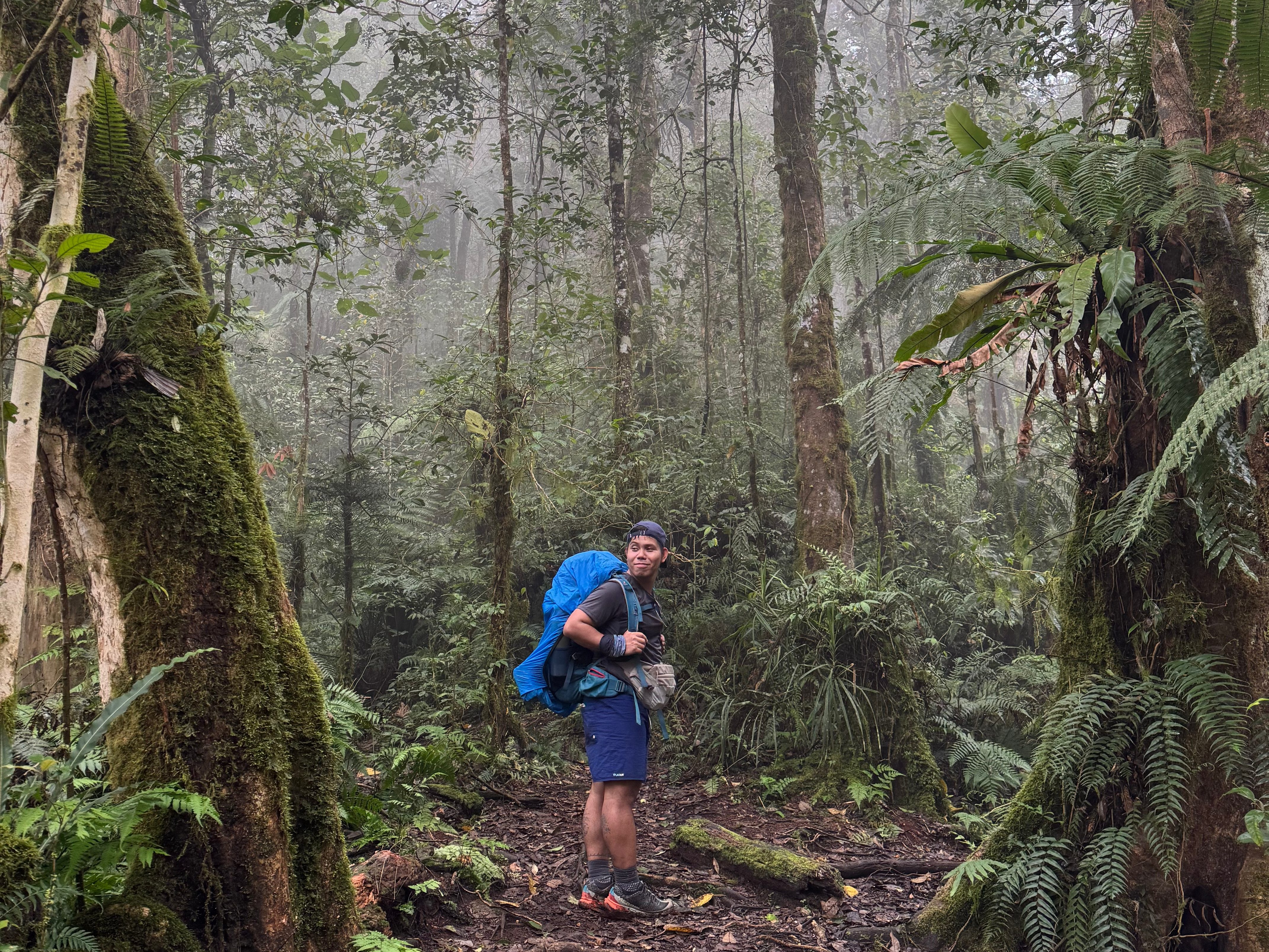
Day 2: The Summit Push (Sta. Cruz to Apo Boulders)
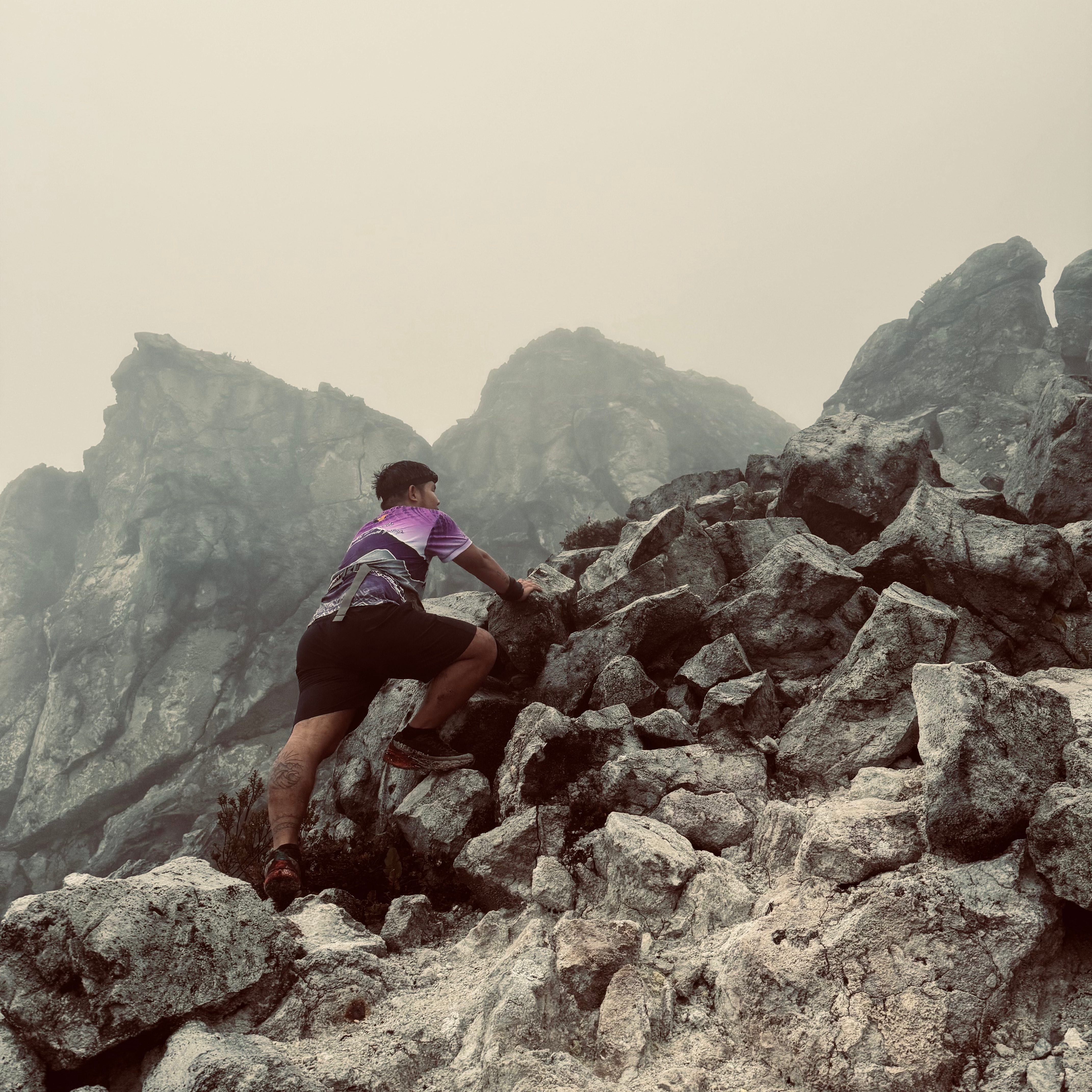
We started with a steep and technical climb through tree roots. Rain began to pour, making the trail colder and more slippery. When we finally reached the famous Apo Boulders, the sulfur smell greeted us—one of the iconic experiences of climbing Mt. Apo.
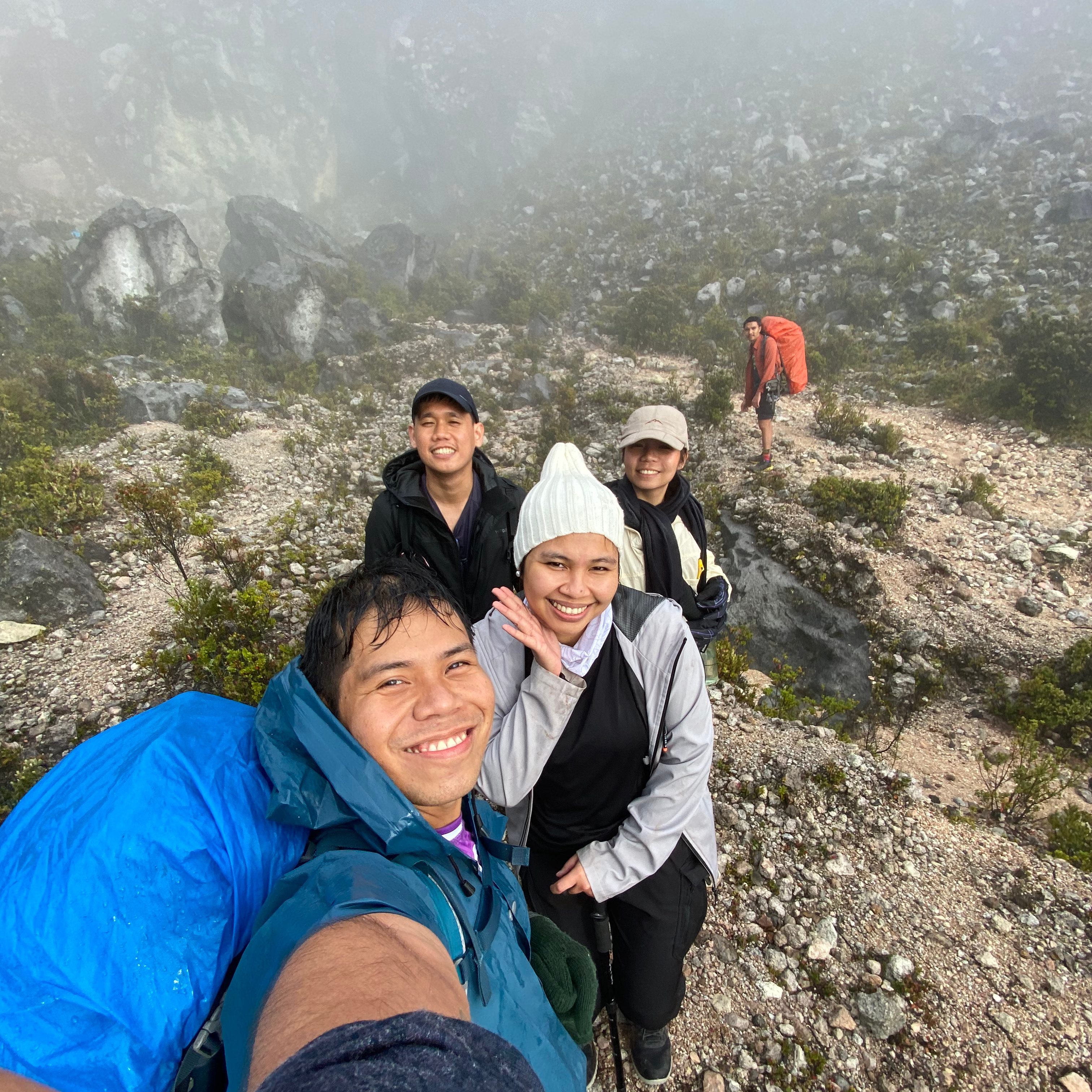
My biggest mistake? Overpacking.
The weight on my back doubled when the rain soaked my bag.
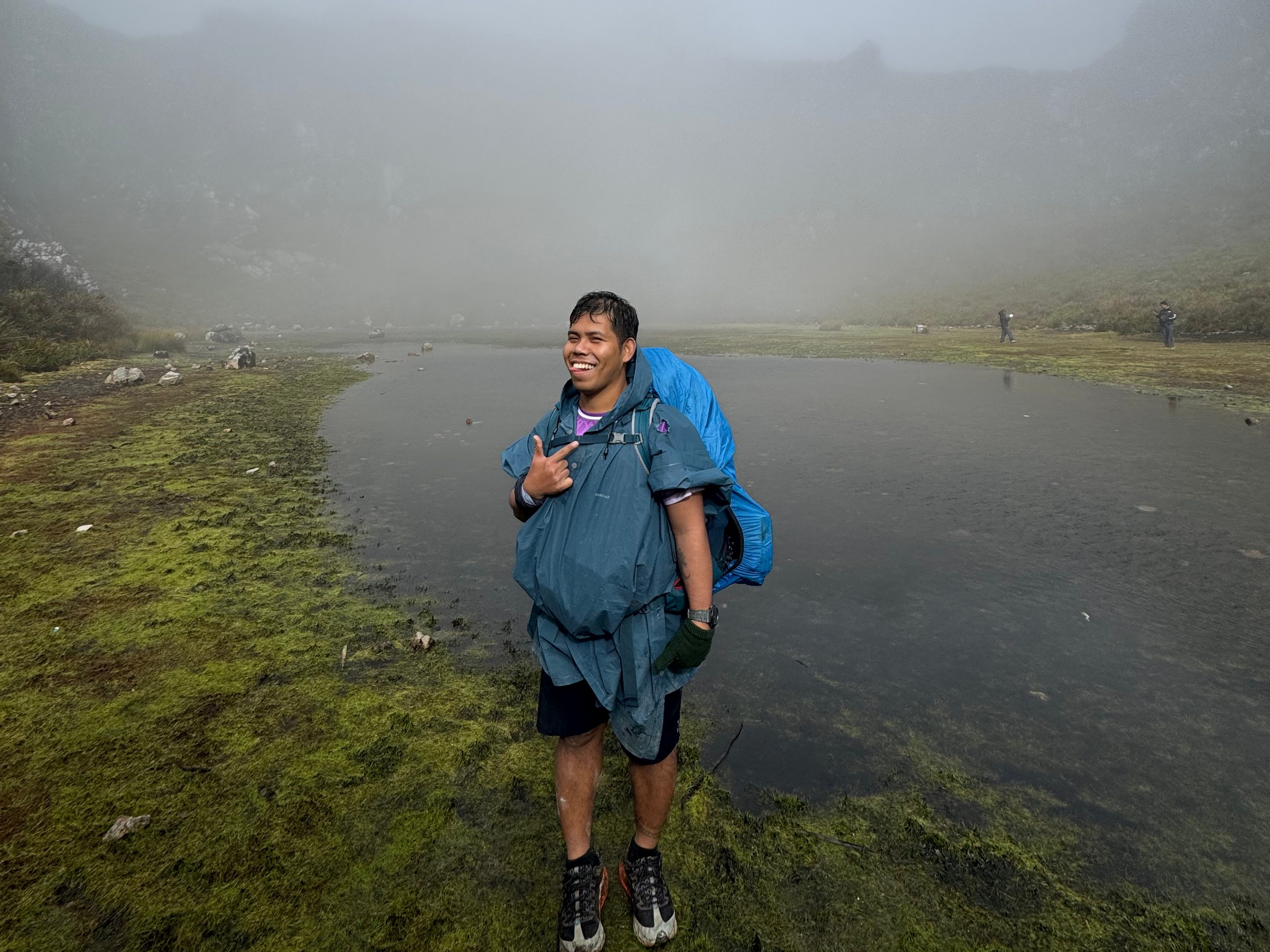
The assault near the summit was punishing—almost 85 degrees steep. But step by step, we pushed through until we reached the crater summit. Even without a clearing, the moment felt surreal.
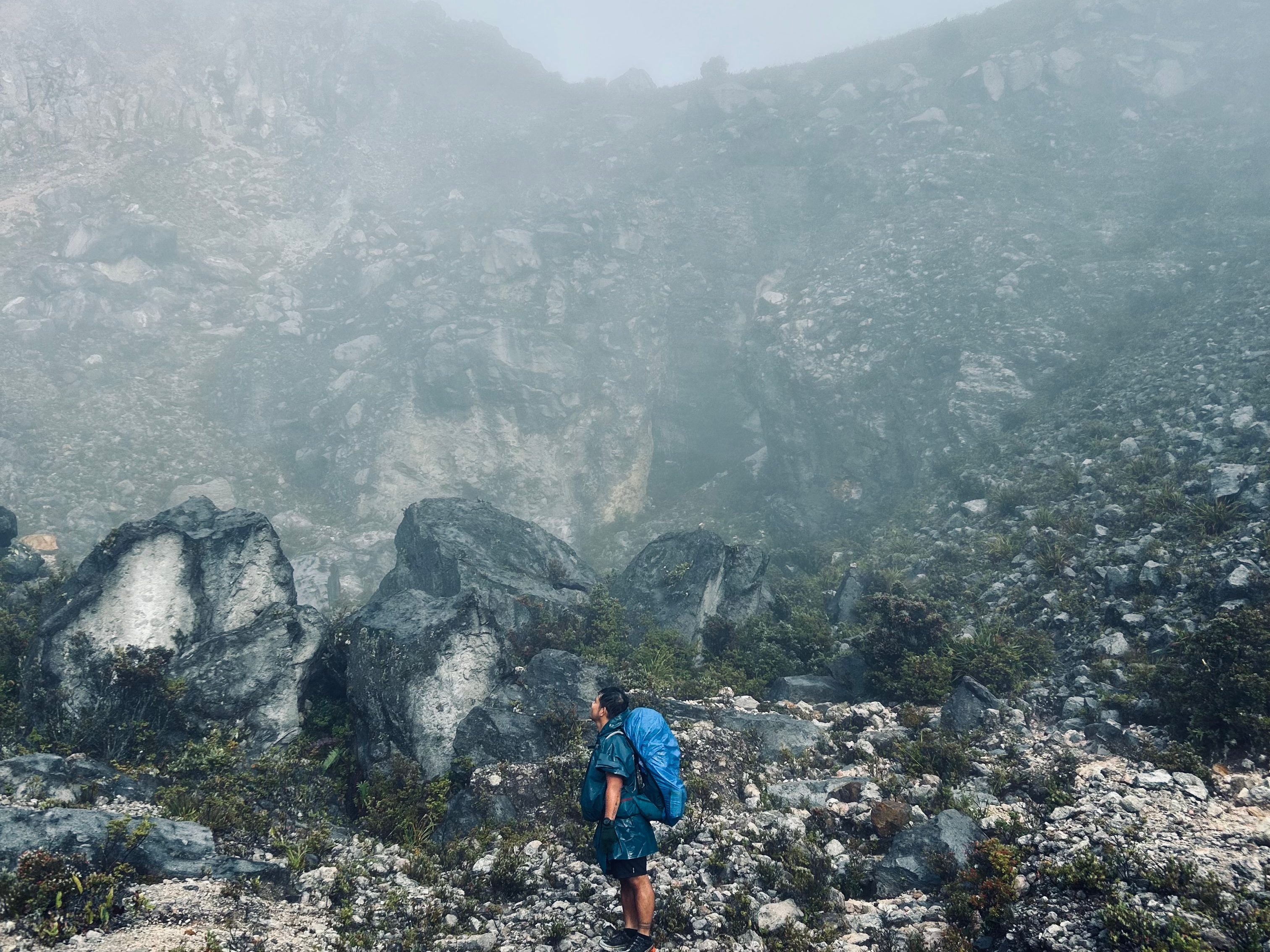
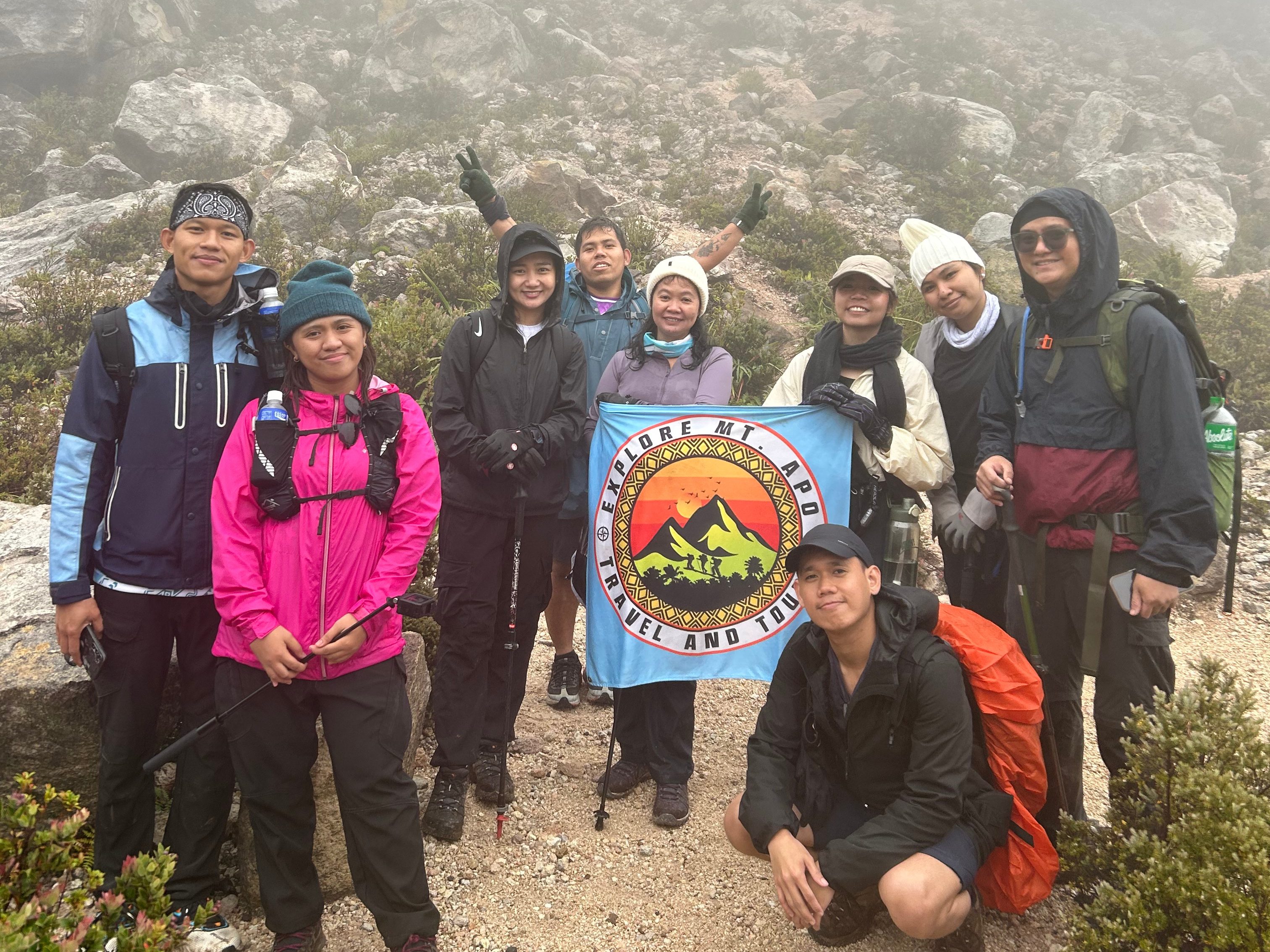
We continued toward Digos Peak, and that’s when we learned Mt. Apo actually has three major peaks:
- Digos Peak
- Mother Peak
- Kidapawan Peak
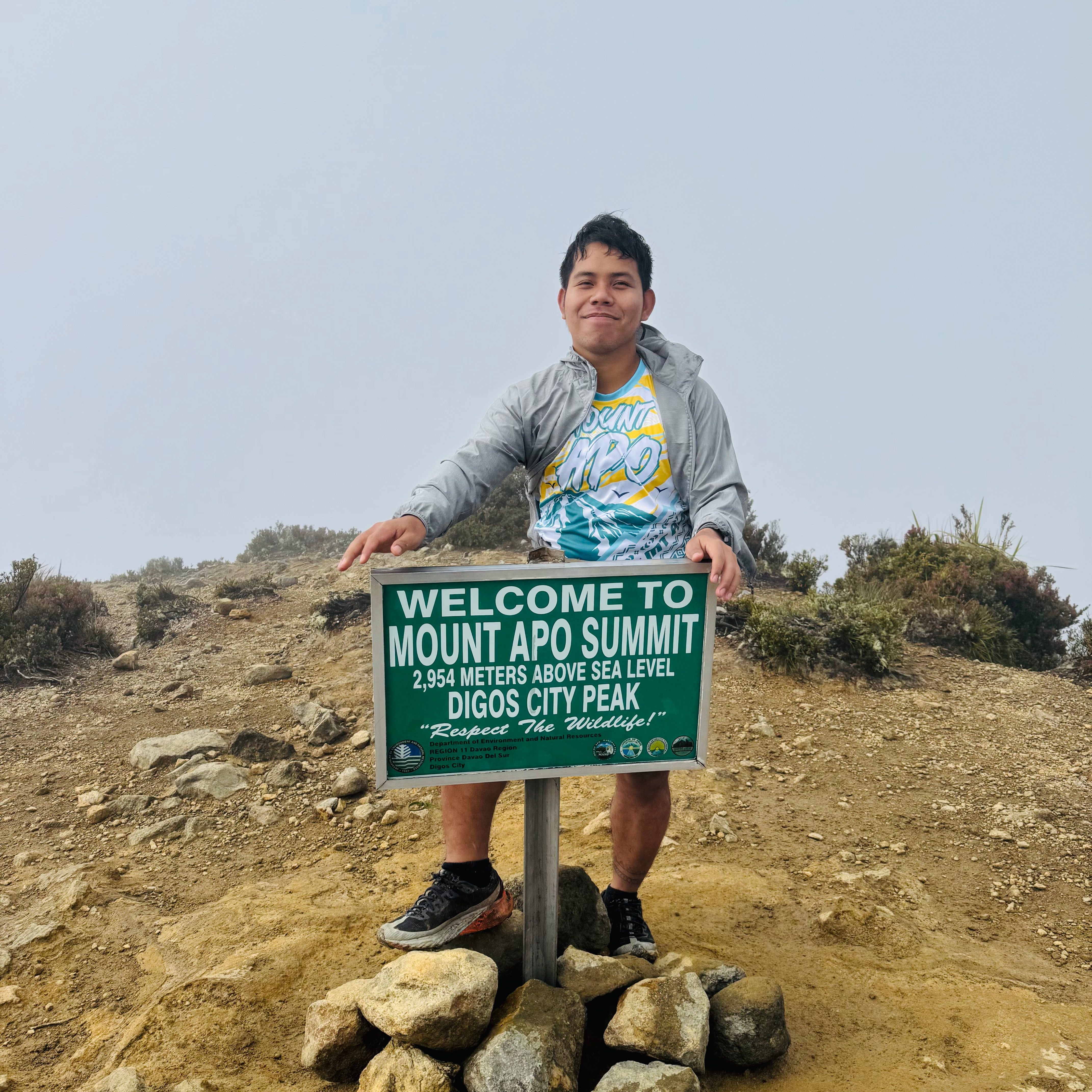
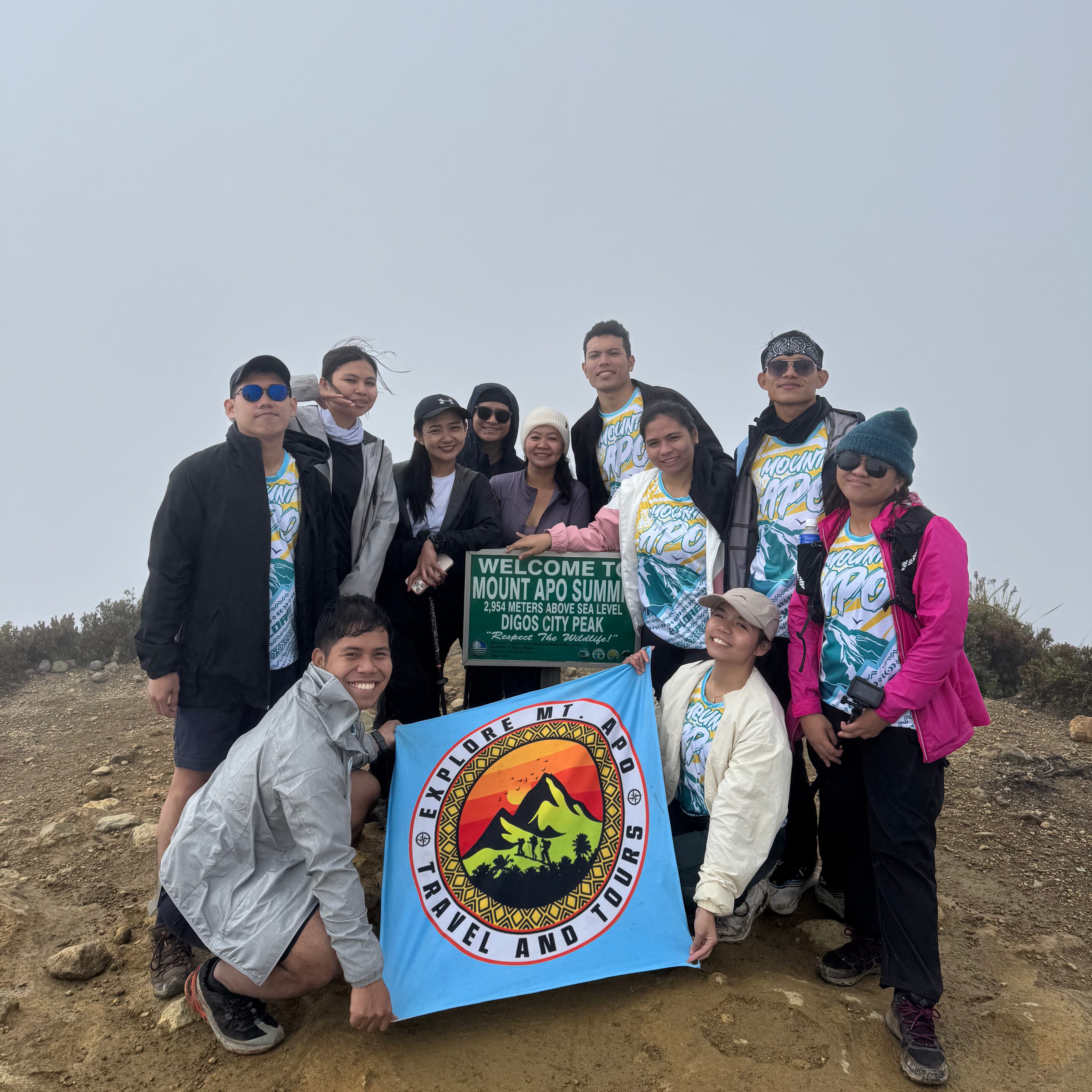
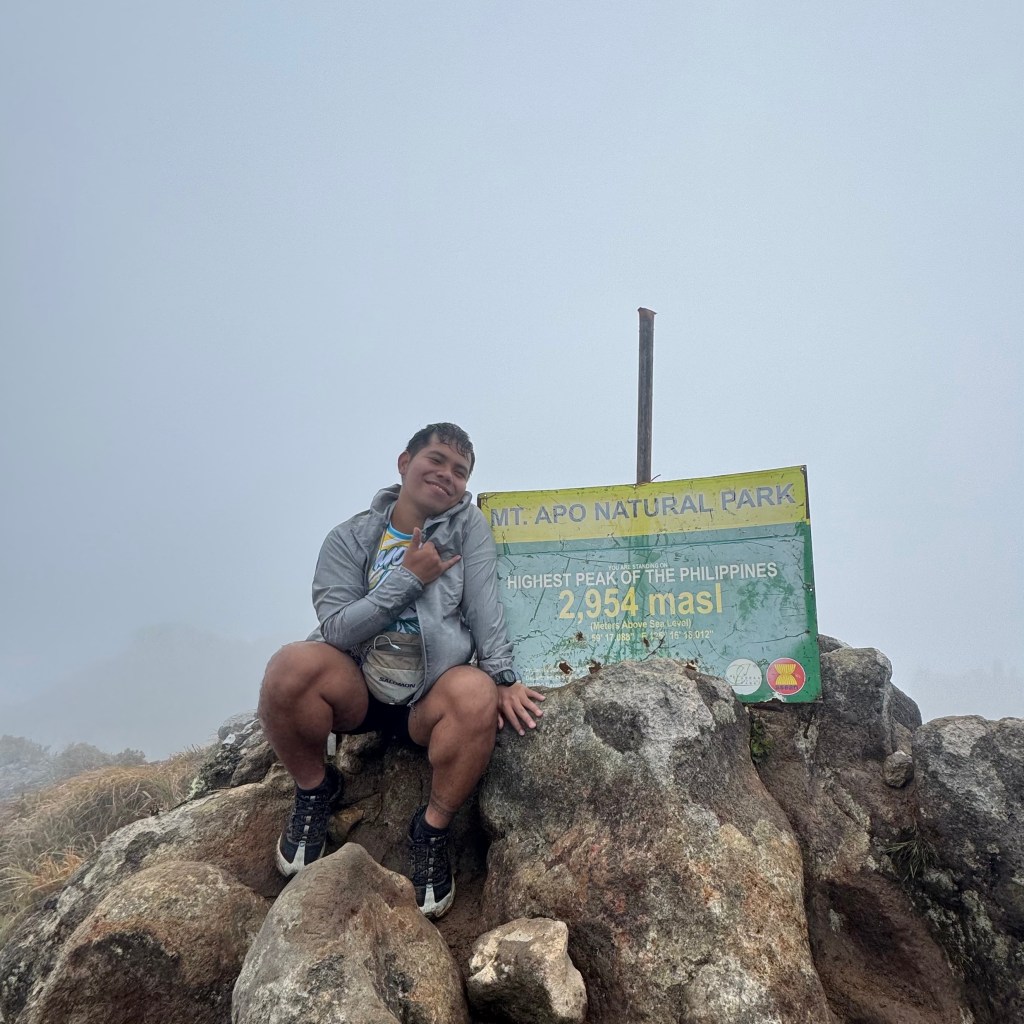
By mid-morning, the wind turned stronger and the cold became biting. With almost zero visibility, we decided not to attempt the third peak for safety.

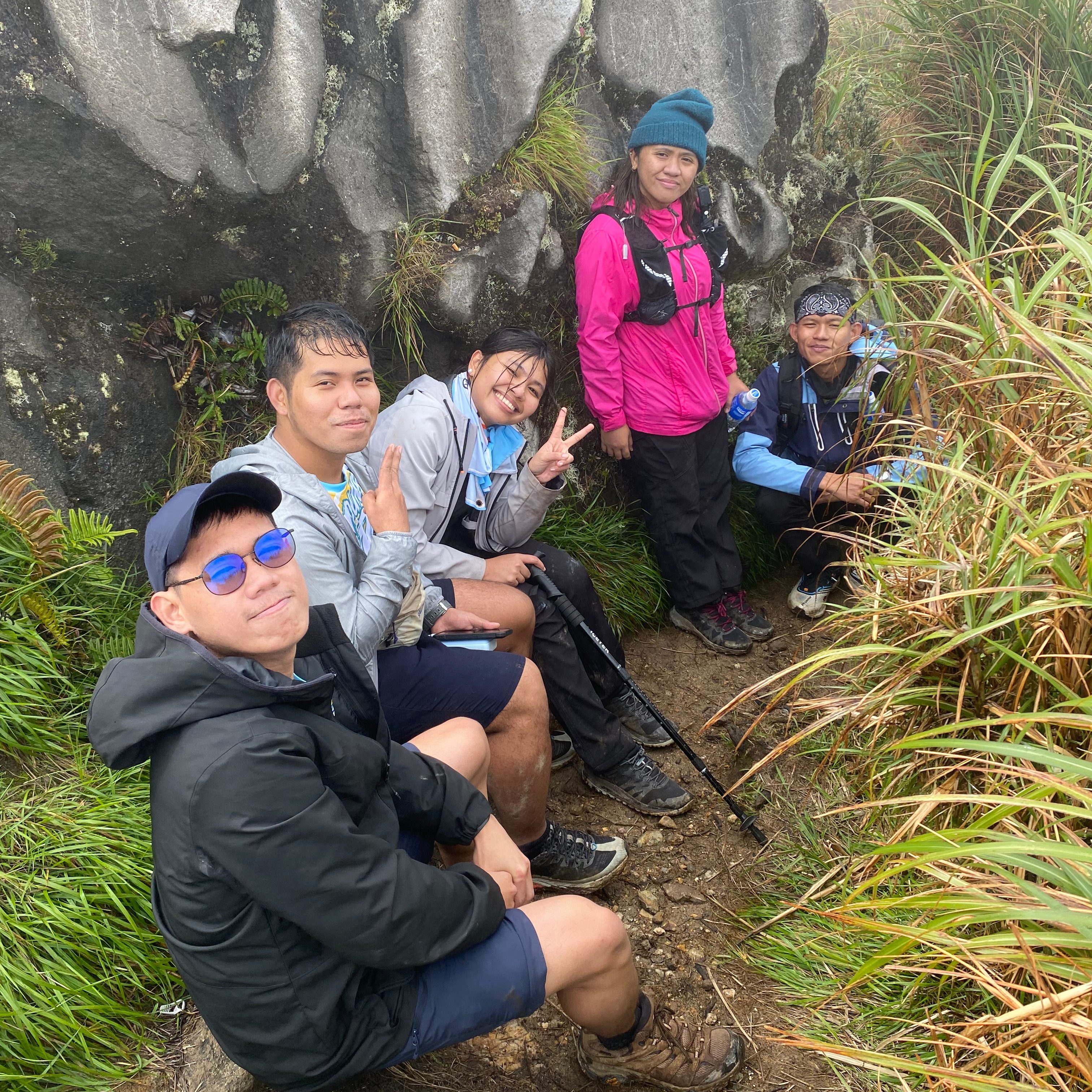
Descending to the Bansalan Trail, the mud became worse. At one point, I mistakenly walked toward Lake Venado’s direction and had to backtrack. Despite the slippery conditions, the forest views were beautiful and the group energy made the descent fun. We reached Bansalan Campsite before noon.
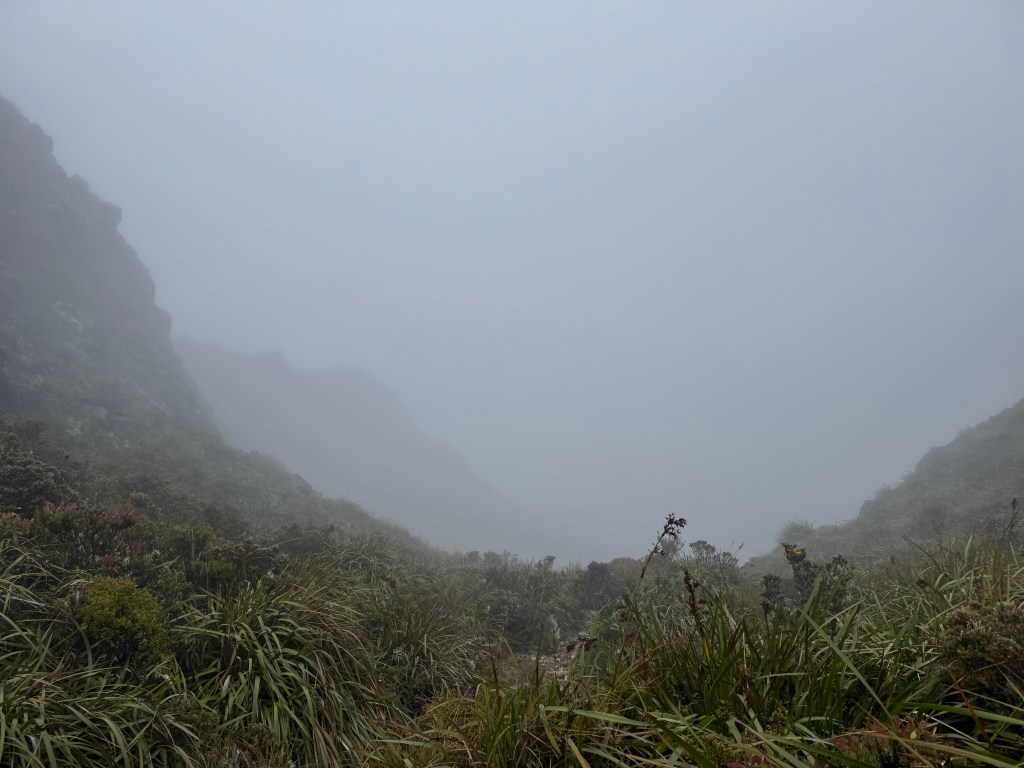
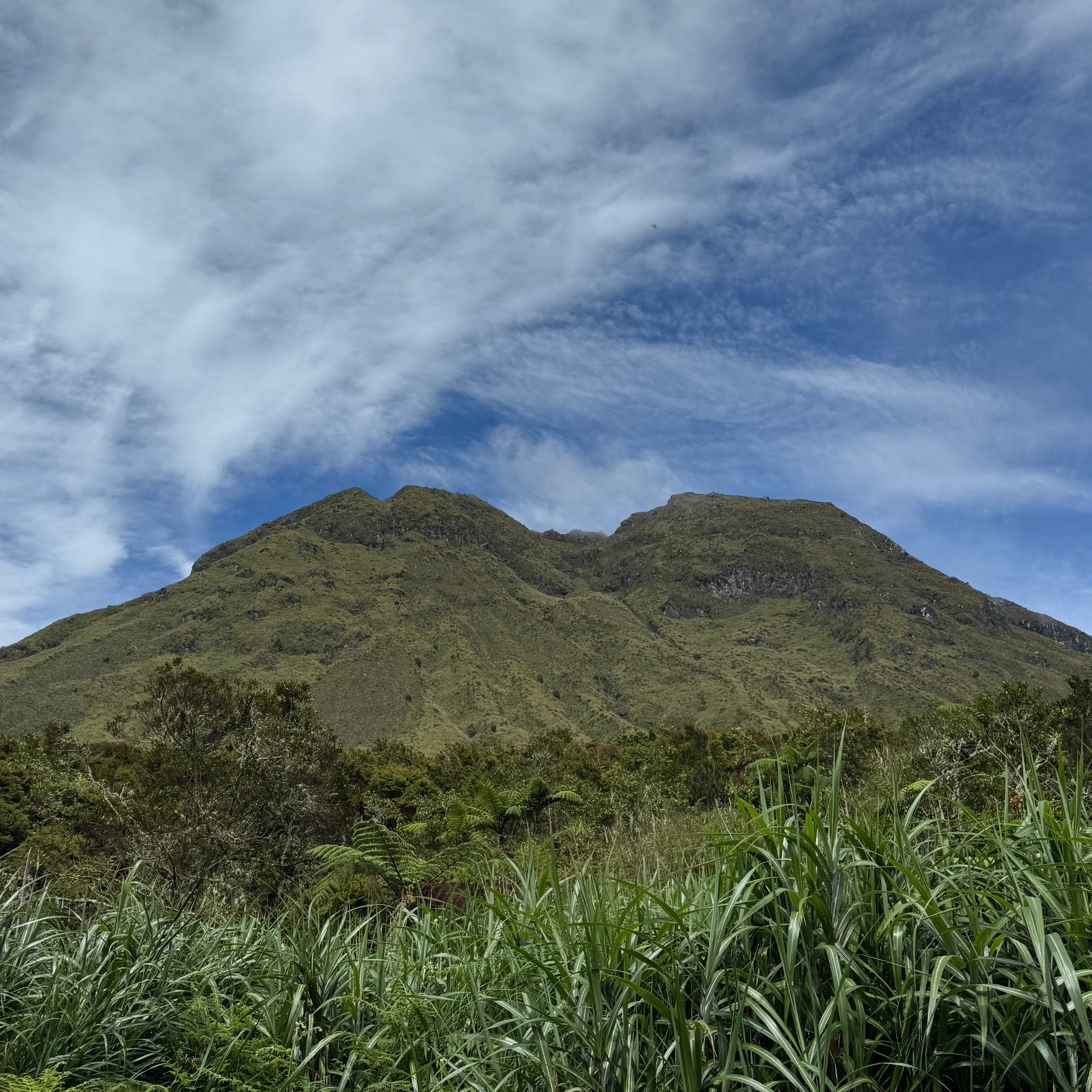
Even with the cold, Mt. Apo surprised us with a sudden clearing—almost like the mountain telling us, “You need to come back.”
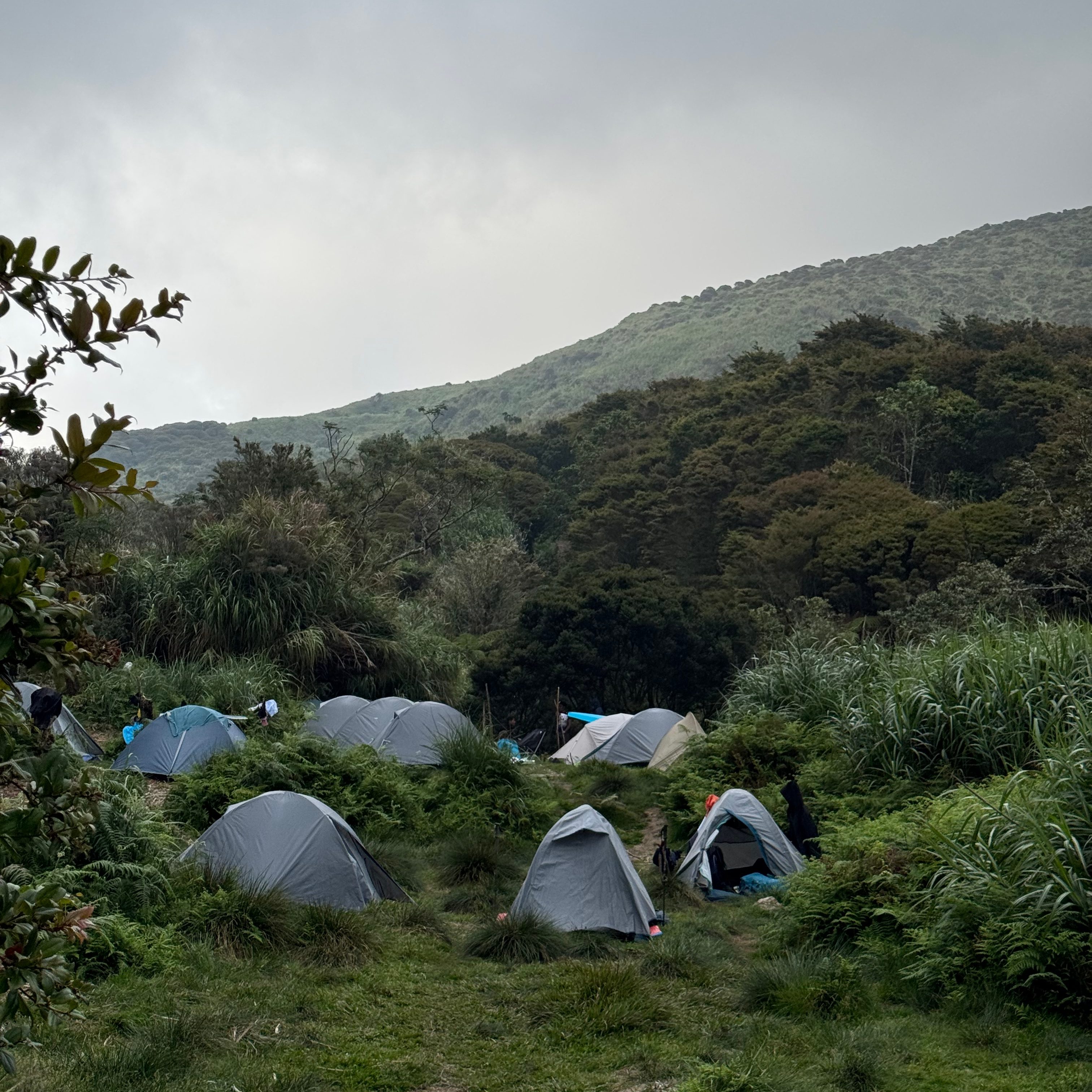
Day 3: The Grand Descent (Bansalan Trail Exit)
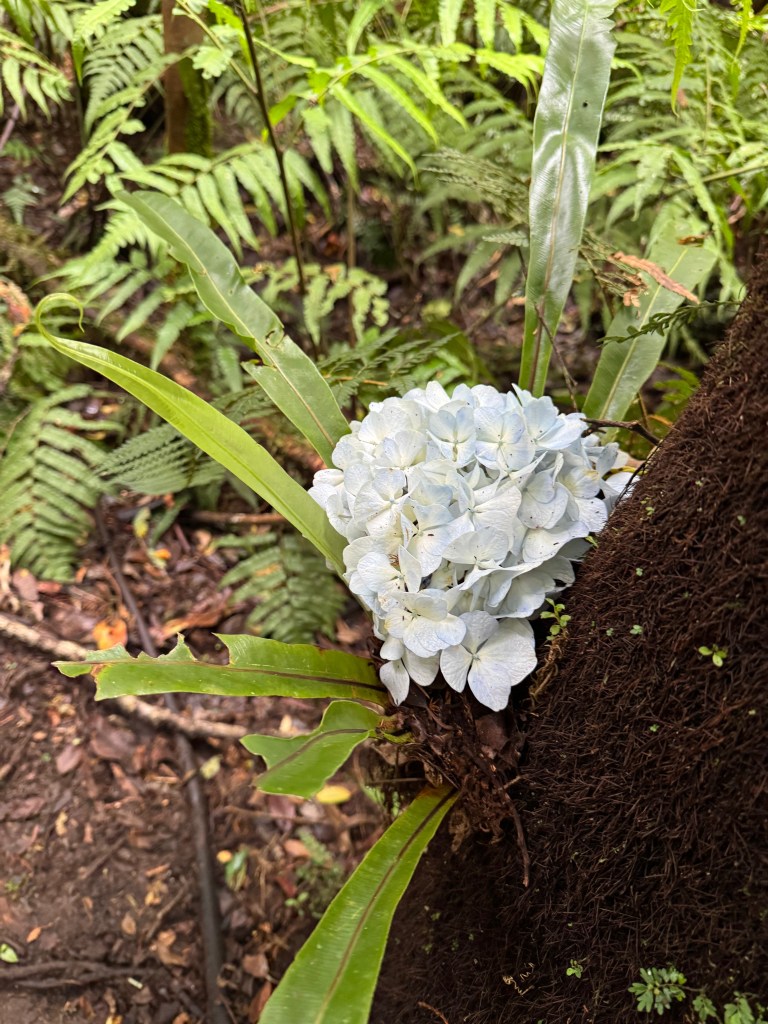
We woke up to clear skies, the best visibility we had in days. The trail down was filled with centuries-old trees, thick forest lines, and wildflowers I had never seen before.
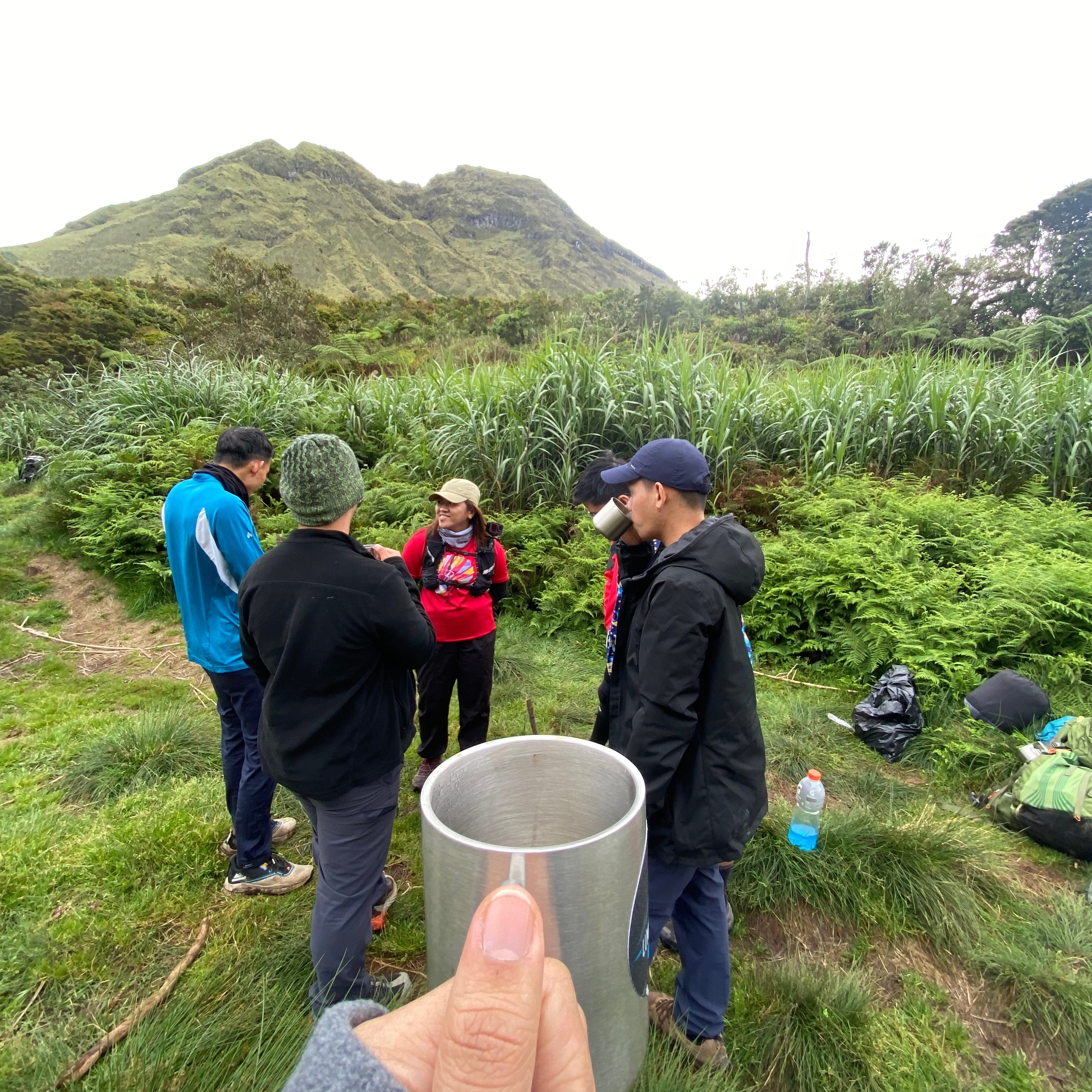
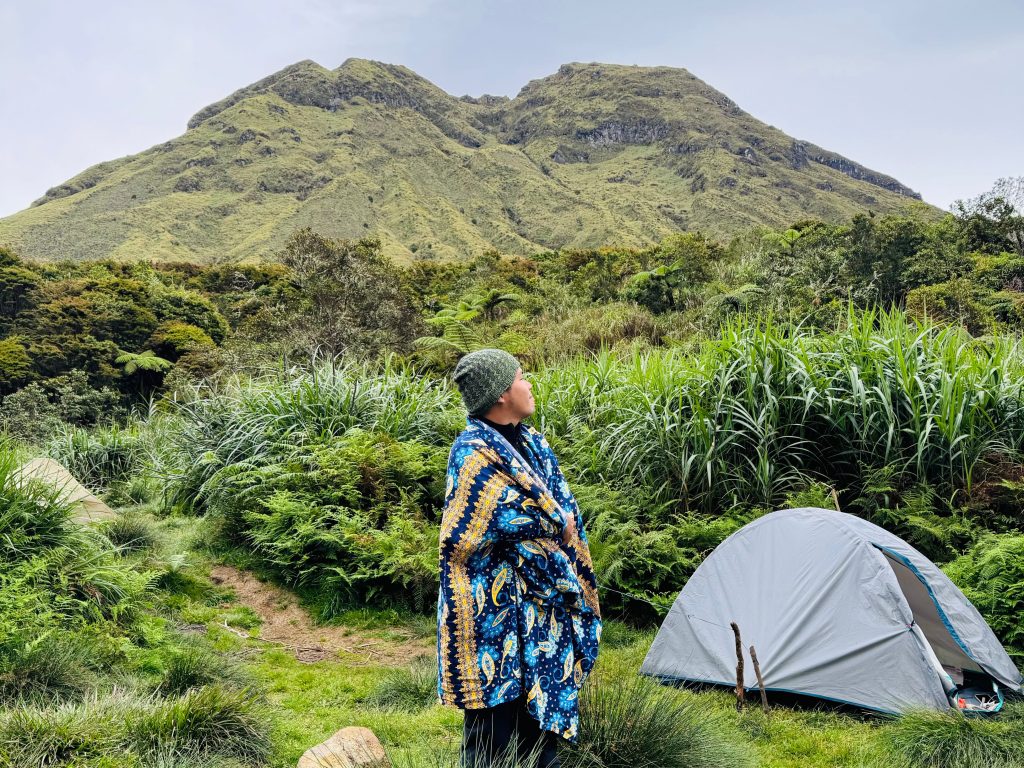
After 5 hours of descent, we reached Sitio Managa, our exit point.
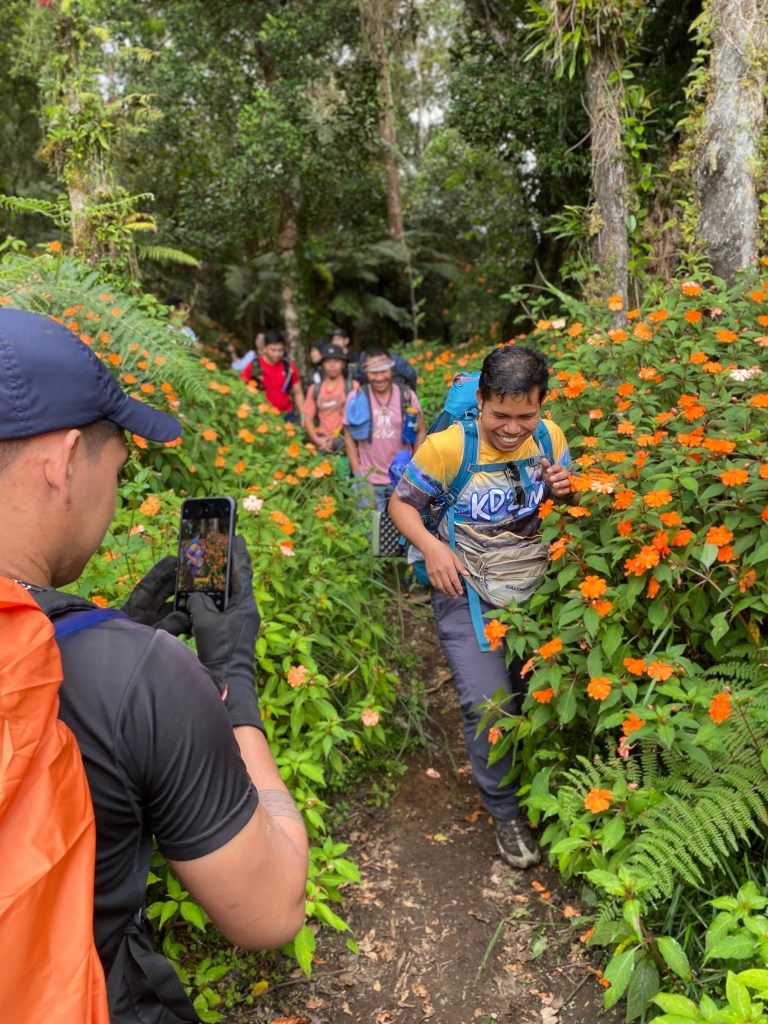
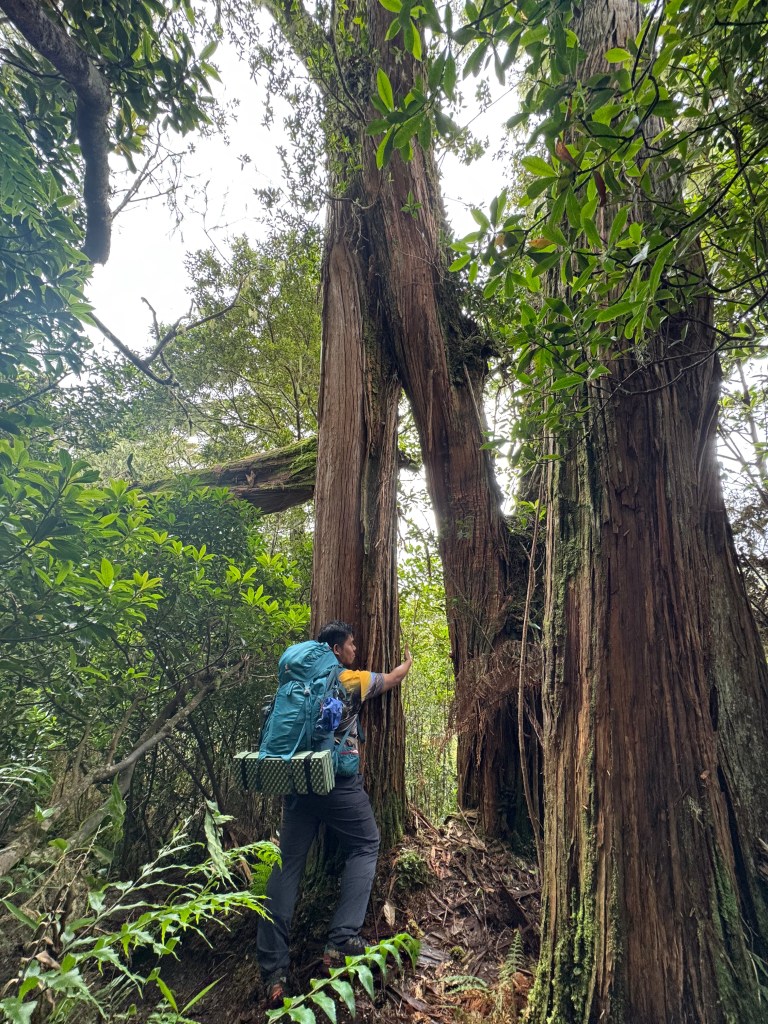
Total Moving Time Recap (For Mt. Apo Hikers and Planners)
Day 1
- Jump-off to Camp Tinikaran 1: 6–7 hours
Day 2
- Camp Tinikaran 1 to Summit: 4–5 hours
- Summit to Bansalan Camp: 2–3 hours
Day 3
- Bansalan Camp to Sitio Managa: 5–6 hours
This pacing is helpful for hikers researching Mt. Apo itinerary, Mt. Apo difficulty, and Mt. Apo trail timing.

TOIL
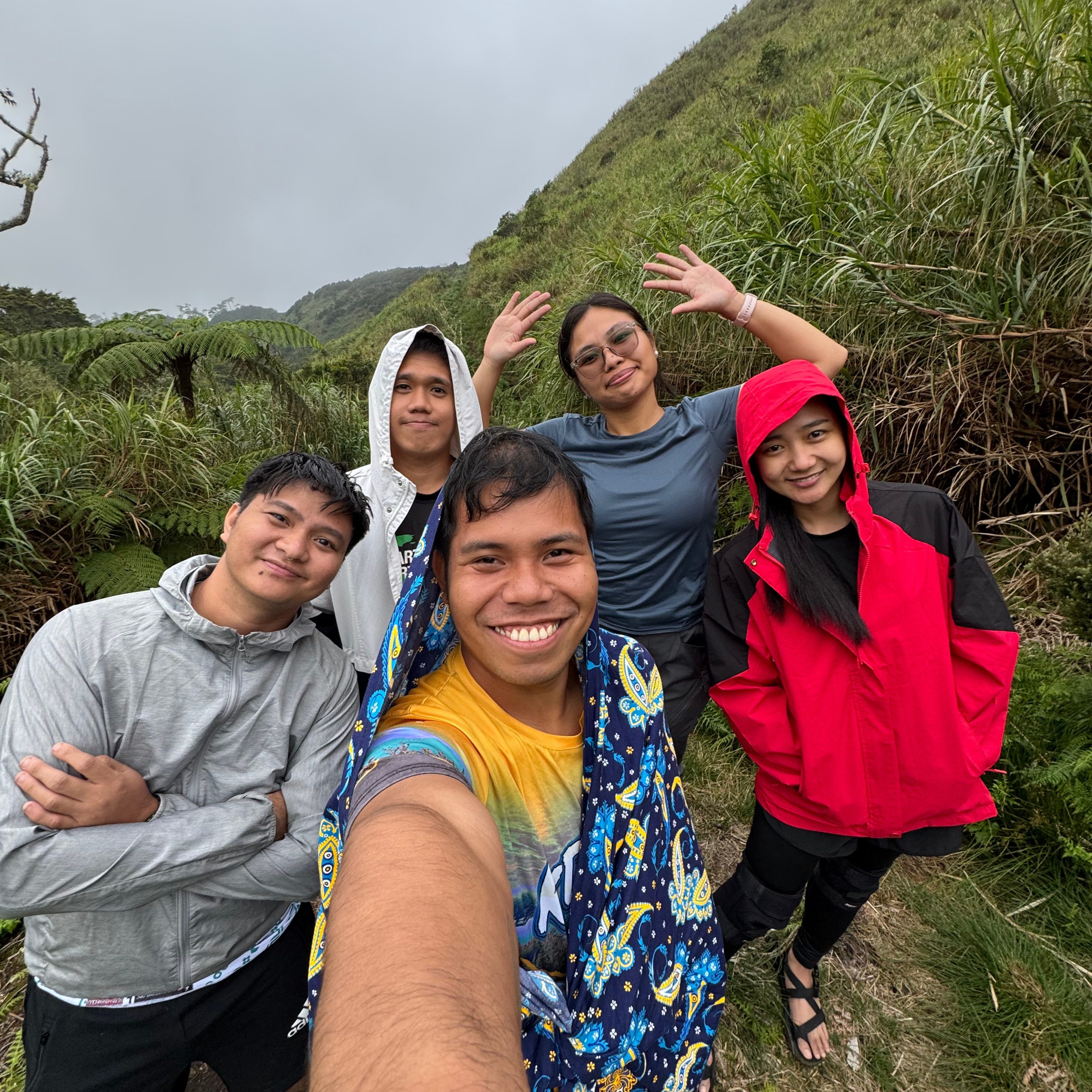
Mt. Apo taught us that the biggest challenges often come from the simplest elements: rain, mud, weight, and cold.
- 90% of the trail was muddy, making both ascent and descent extremely taxing.
- Steep slopes required strong knees, balance, and proper pacing.
- The Apo Boulders demanded full focus, especially when wet.
- Overpacking made each assault harder.
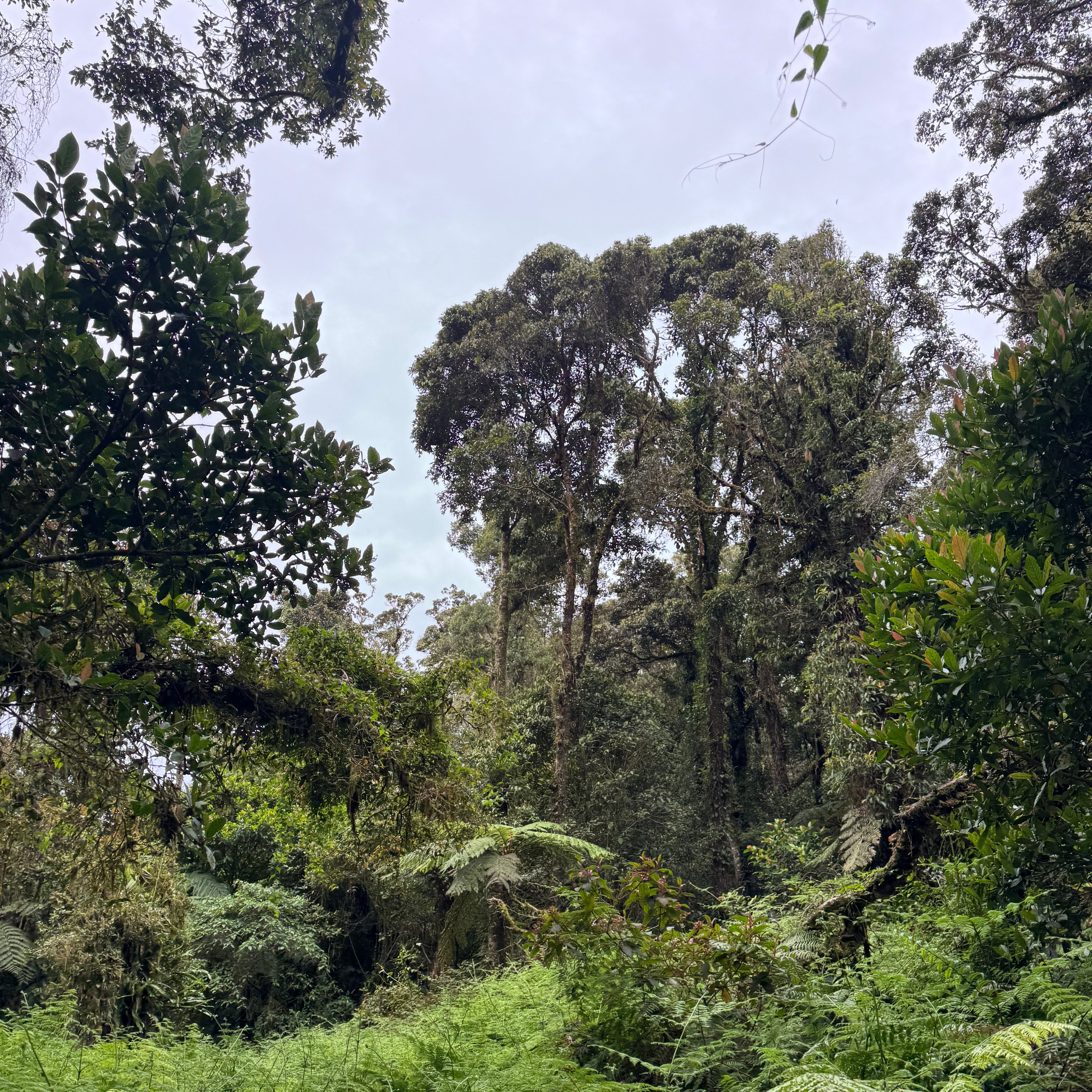

Despite this, Mt. Apo is still beginner-friendly with proper training. Preparation, mindset, and reliable gear make a huge difference.
But more than anything, the people you climb with matter the most. Good company turns exhaustion into laughter and difficulty into meaningful memories.
FAQs About Hiking Mt. Apo
1. Is Mt. Apo beginner-friendly?
Yes. Mt. Apo is beginner-friendly with proper preparation, basic endurance training, and the right gear. Joining an organized group or guide service is recommended.
2. What is the best trail for first-timers?
The Sta. Cruz Trail is one of the most beginner-friendly Mt. Apo routes. It offers rest stops, vendors, and a manageable ascent toward the boulders.
3. How many days do you need to climb Mt. Apo?
Most hikers complete it in 3 days and 2 nights. Some experienced hikers attempt a dayhike, (which I did 7 months after this multi day hike, you can read it here), but multi-day hikes are safer and more enjoyable.
4. What should you pack for Mt. Apo?
Essentials include:
- Lightweight backpack
- Waterproof jacket
- Trekking poles
- Hiking shoes with strong grip
- Thermal wear
- Gloves for the boulders
- Enough food and water
Avoid overpacking to reduce fatigue.
5. When is the best season to climb Mt. Apo?
The dry season (December to May) is ideal. Expect cold temperatures near the summit.
6. How hard is the Mt. Apo Boulders section?
The boulders are steep but manageable with balance, gloves, and steady pacing. They’re one of the most iconic and scenic parts of the climb.
7. Do you need a guide to climb Mt. Apo?
Yes. Mt. Apo requires registered guides and environmental fees. Accredited organizers like Explore Mt. Apo can manage all logistics.
8. Is there water along the trail?
There are limited water sources. Bring enough hydration or refill only from guide-approved spots.
9. What is the temperature at the Mt. Apo summit?
Expect around 5–10°C, depending on the season. Wind can make it feel colder.
10. Can Mt. Apo be climbed solo?
No. Solo climbs are not allowed for safety and environmental protection. You must join a guide or an organized group.
I hope this guide inspires and prepares you for your own #ChillAdventures in Mt. Apo. Remember—every summit conquered is Just One More Step closer to your next great chill adventure. ⛰️💫
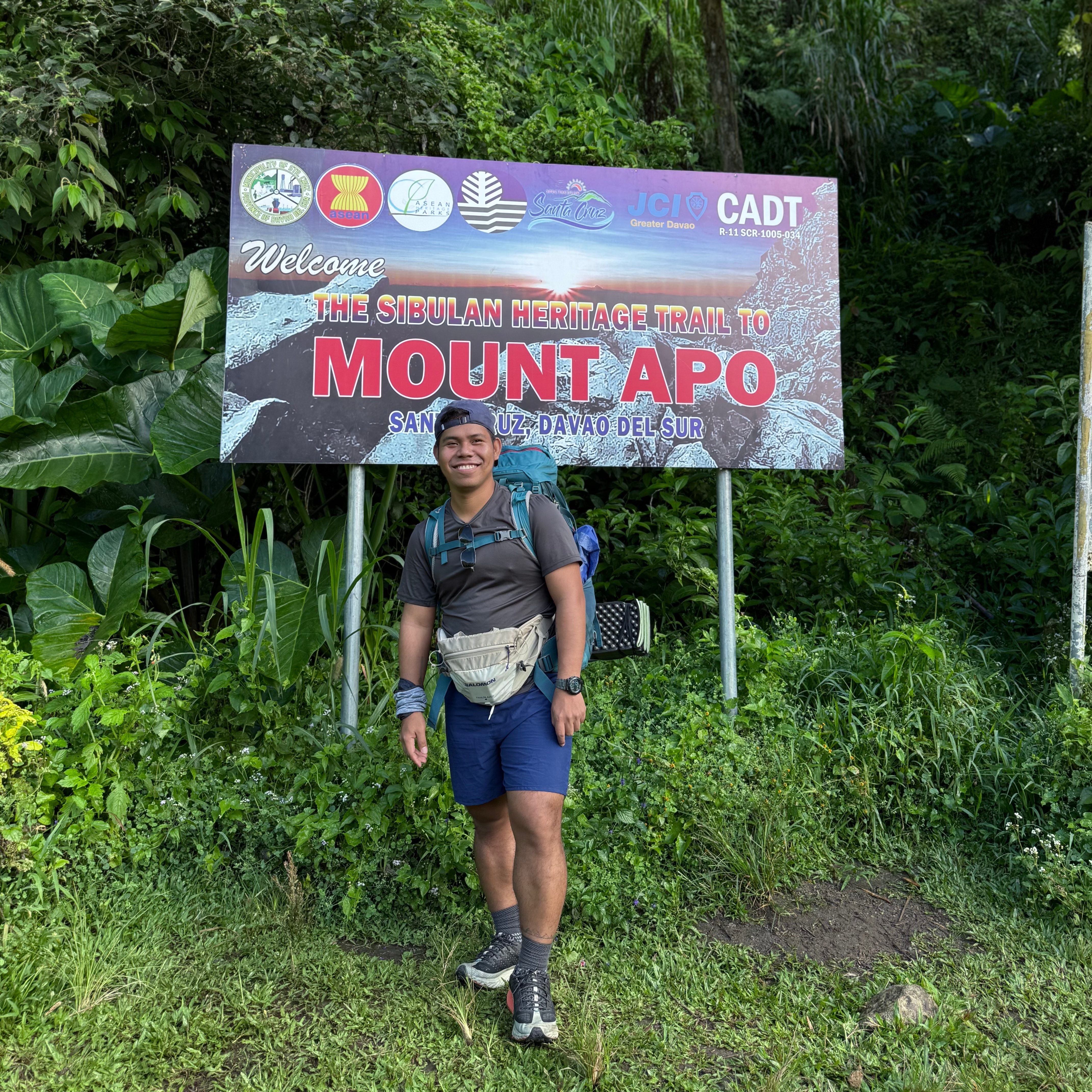
For more hiking stories, travel tips, and hidden gems in the Philippines, follow me on Chill Adventures with Joms across all social media platforms.
Till the next climb, mga ka-Ahon—see you on the trails! 🚀🌄


 Chill Adventures with Joms