“Mountains are the beginning and the end of all natural scenery.”
JOHN RUSKIN
(A Chill Adventure Story & Realistic Guide for Aspiring Dayhikers)
Do you know that strange thrill of wanting to challenge yourself even harder—the kind of adventure where you willingly embrace the joy of pain just to see what you’re truly capable of? That’s exactly what this Mt. Apo dayhike meant to me.
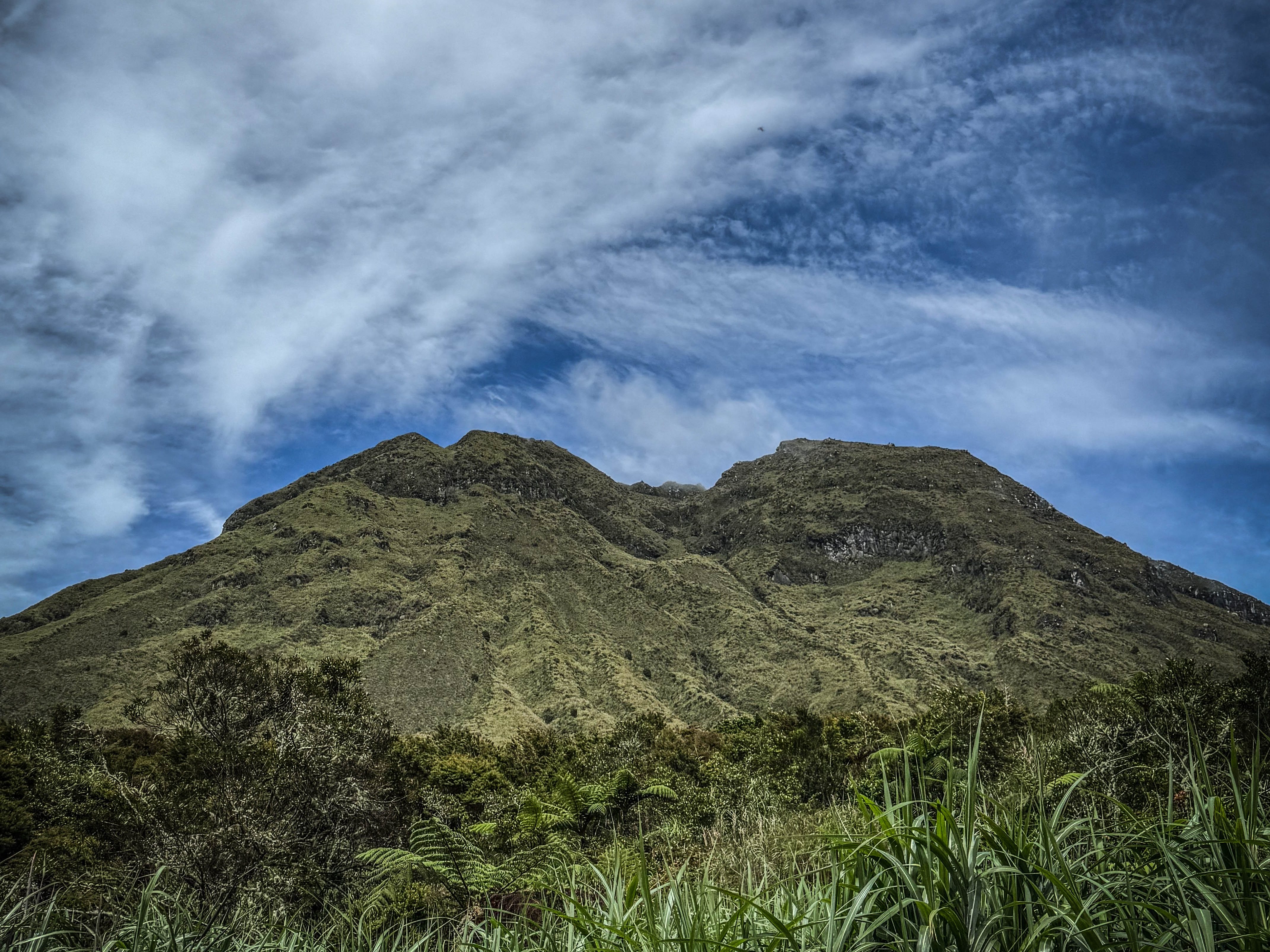
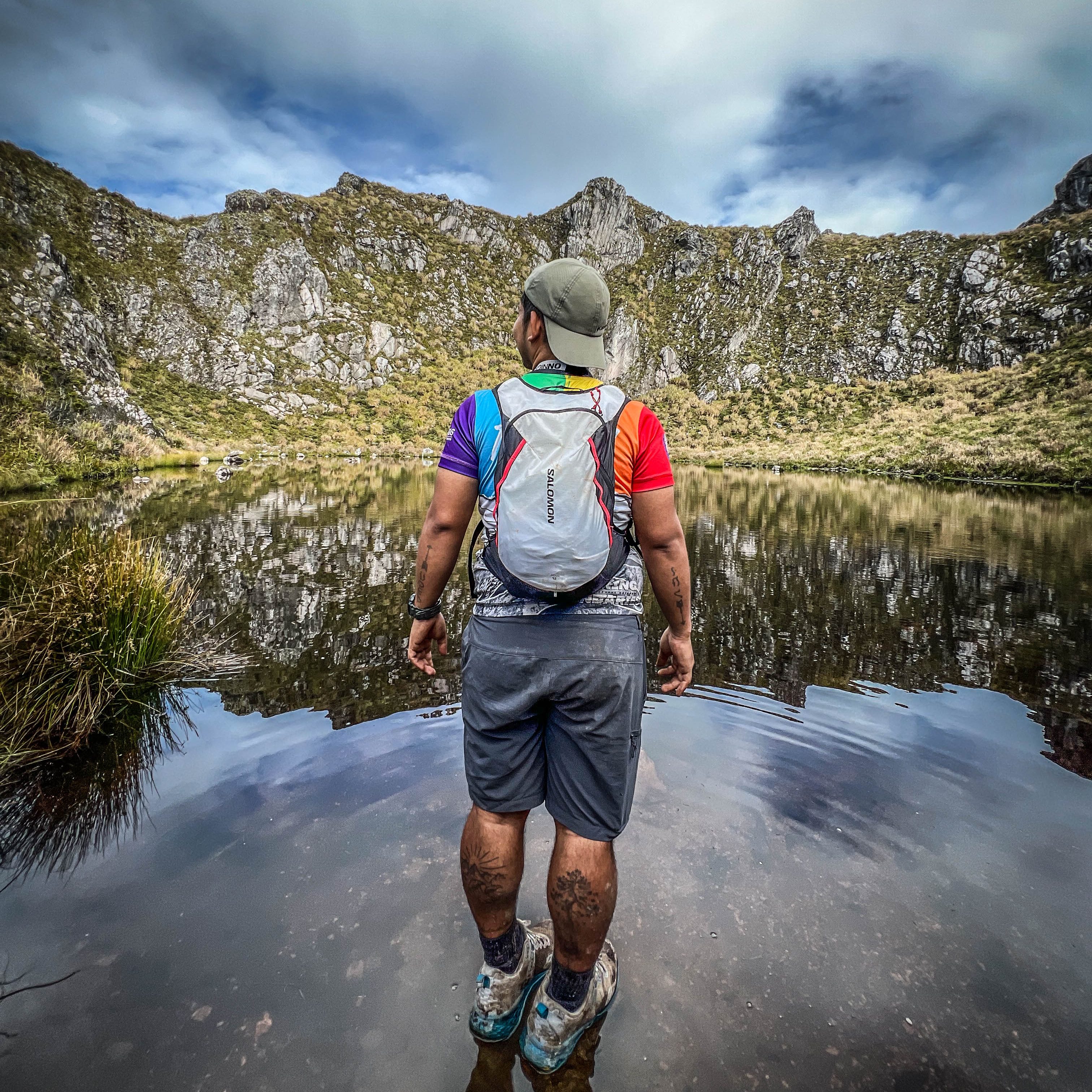
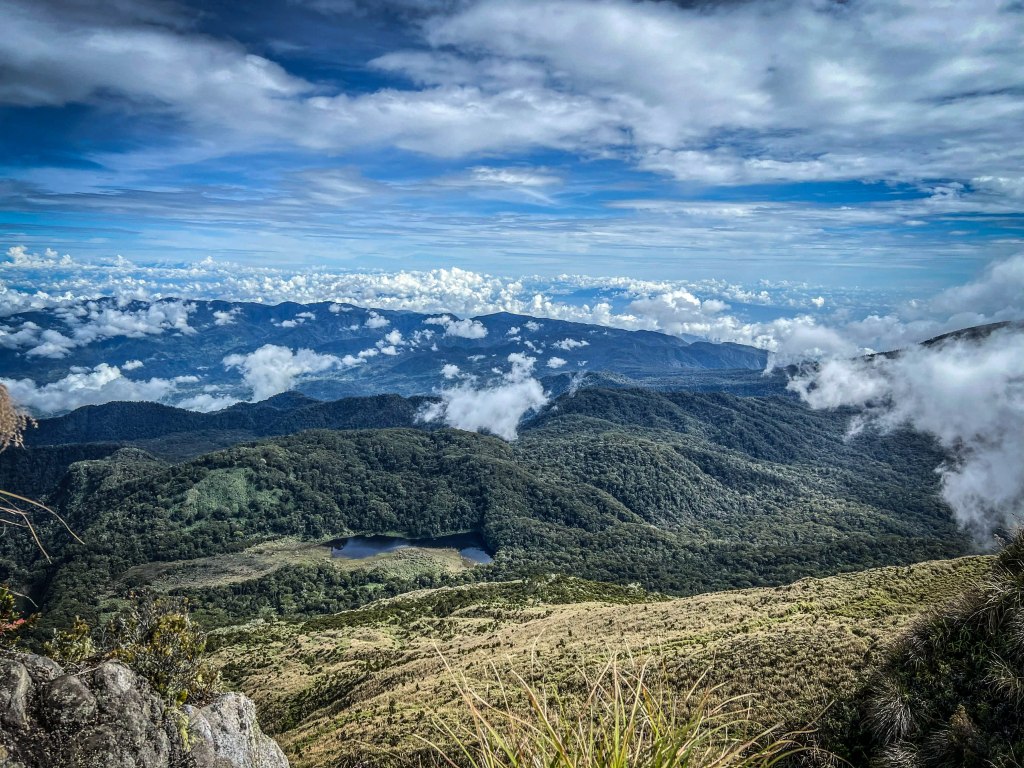
Mt. Apo view via Bansalan Campsite
Last February, I reached the summit of Mt. Apo (2,954 MASL) for the first time during a multi-day hike. It was freezing, windy, and had zero clearing—but the memories were perfect.
This year, I decided to return for revenge. I wanted my well-deserved summit clearing. And yes—because my partner, an avid dayhiker, convinced me to join him. In the name of love and adventure, why not?
Flying In, No Sleep, and Jumping Into a Challenge
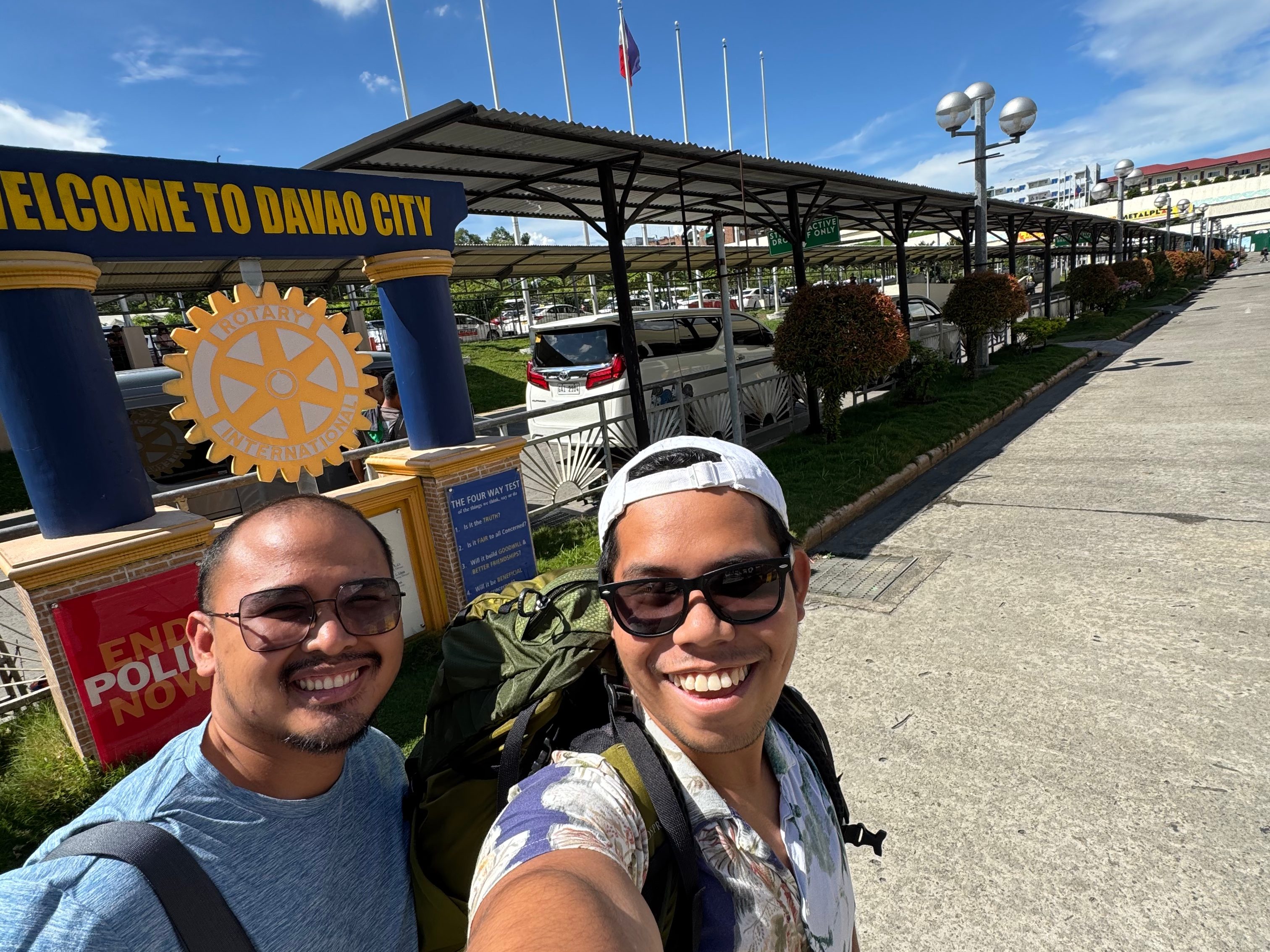
Right after my night shift, I flew from Manila to Davao and met him at the airport. Excited but nervous—because what if I couldn’t finish this in a day? I had seen people complete the dayhike in just 10 hours. The pressure was real.
We booked an Airbnb 15 minutes from the airport to rest a bit before the climb.
This blog is no longer the typical “Trail, Time, Toil.” This is the honest story of how I survived a Mt. Apo dayhike via Sta. Cruz Backtrail—14 hours nonstop.
THE DAYHIKE STORY
Late Start, Heavy Air, and a Determined Heart
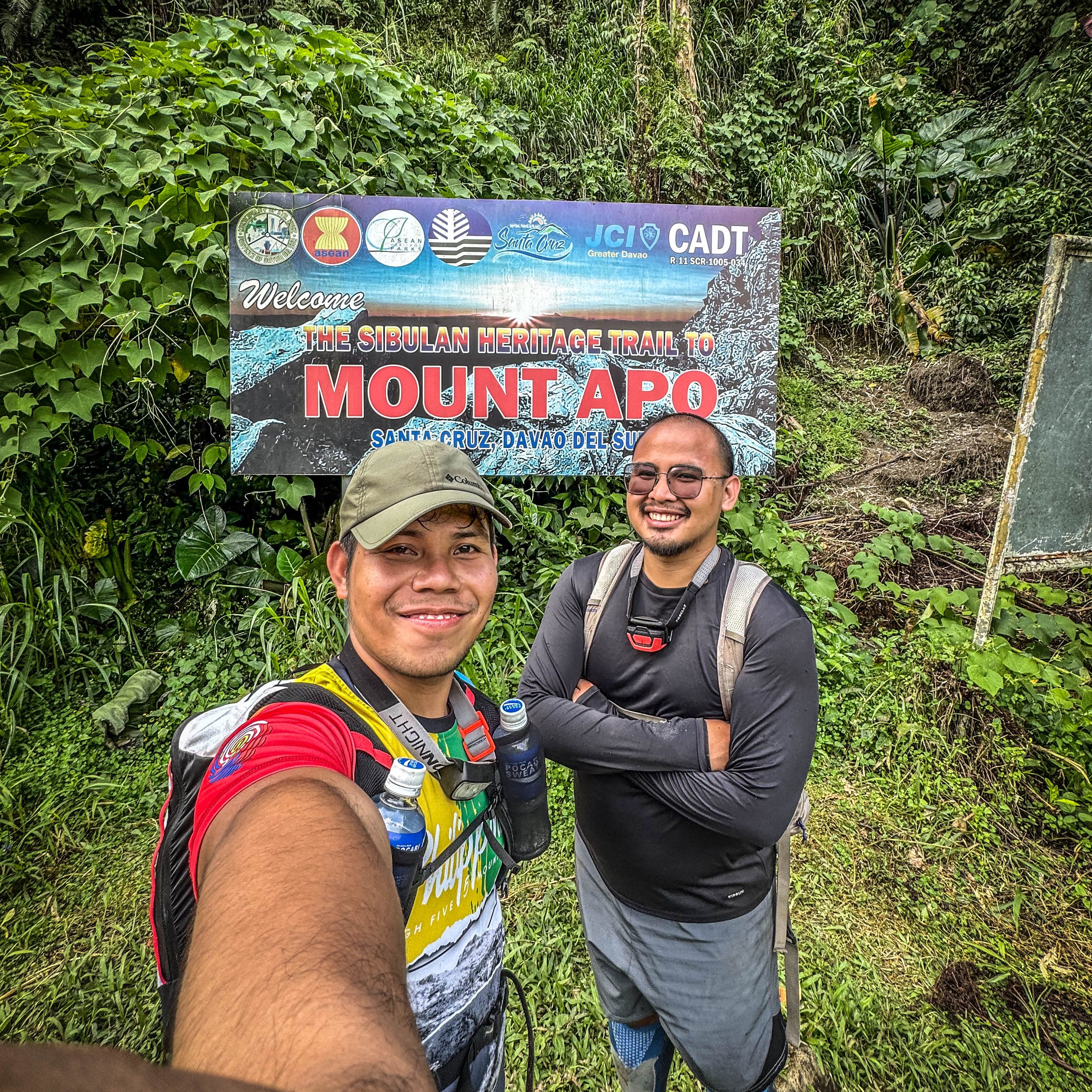
We were supposed to be picked up at 7 PM—but our vans arrived almost 10 PM. By the time we reached the jump-off, it was already past midnight. No choice—we had to start immediately.
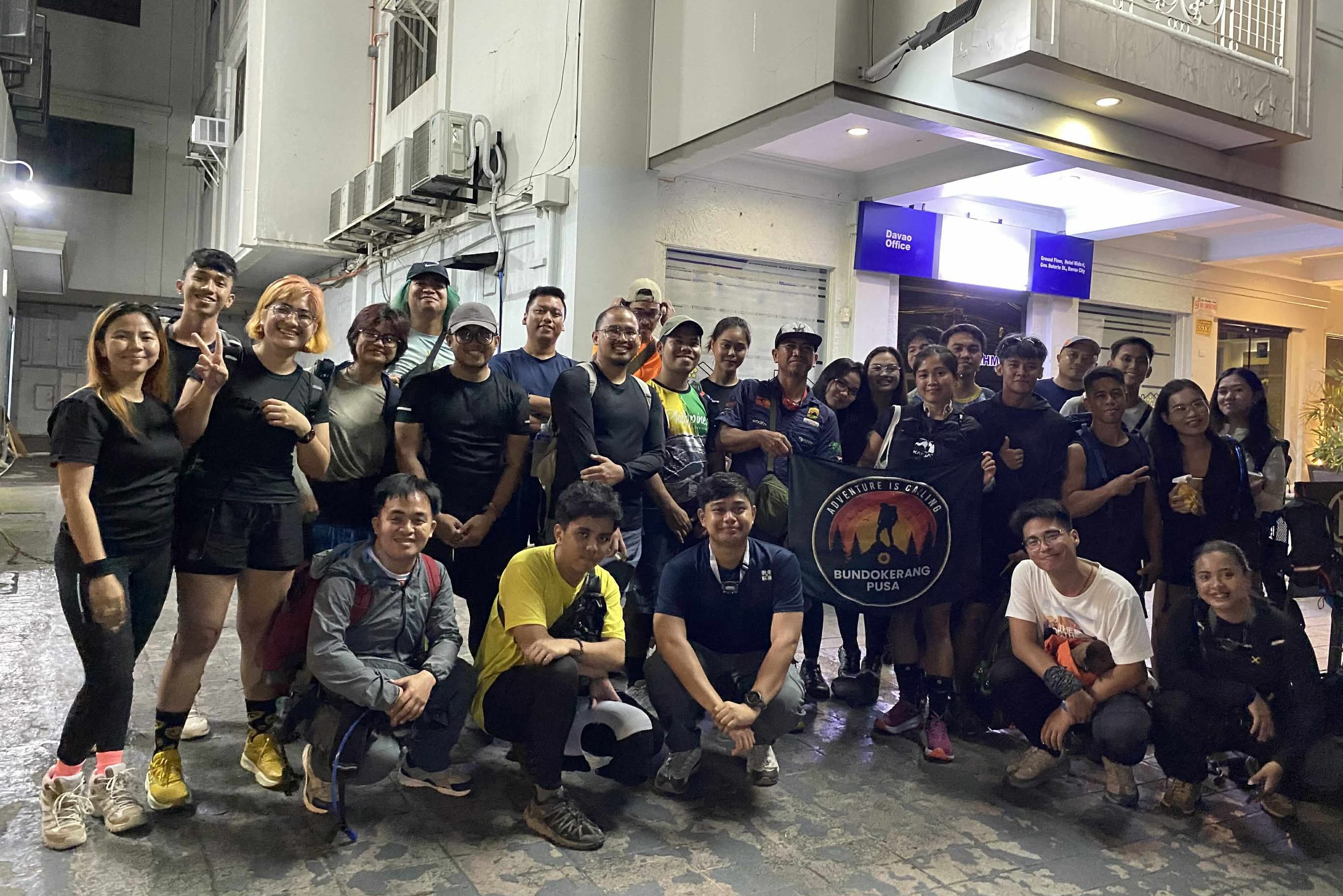
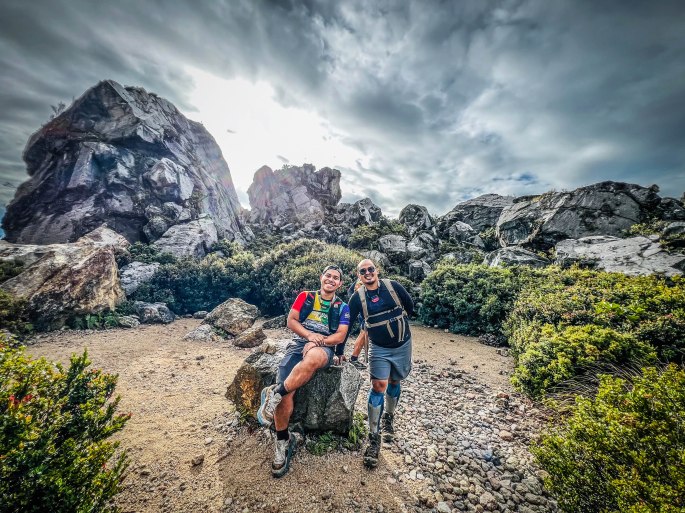
Bundokerang Pusa, our Mt. Apo Dayhike Organizer with all joiners.
I told myself: “You trained for this. You can finish this.”
For months, I prepared with gym workouts and daily 10,000 steps. My goal was simple: reach the summit before sunrise.
Warm-Up to the Cold: Ascent Through the Night
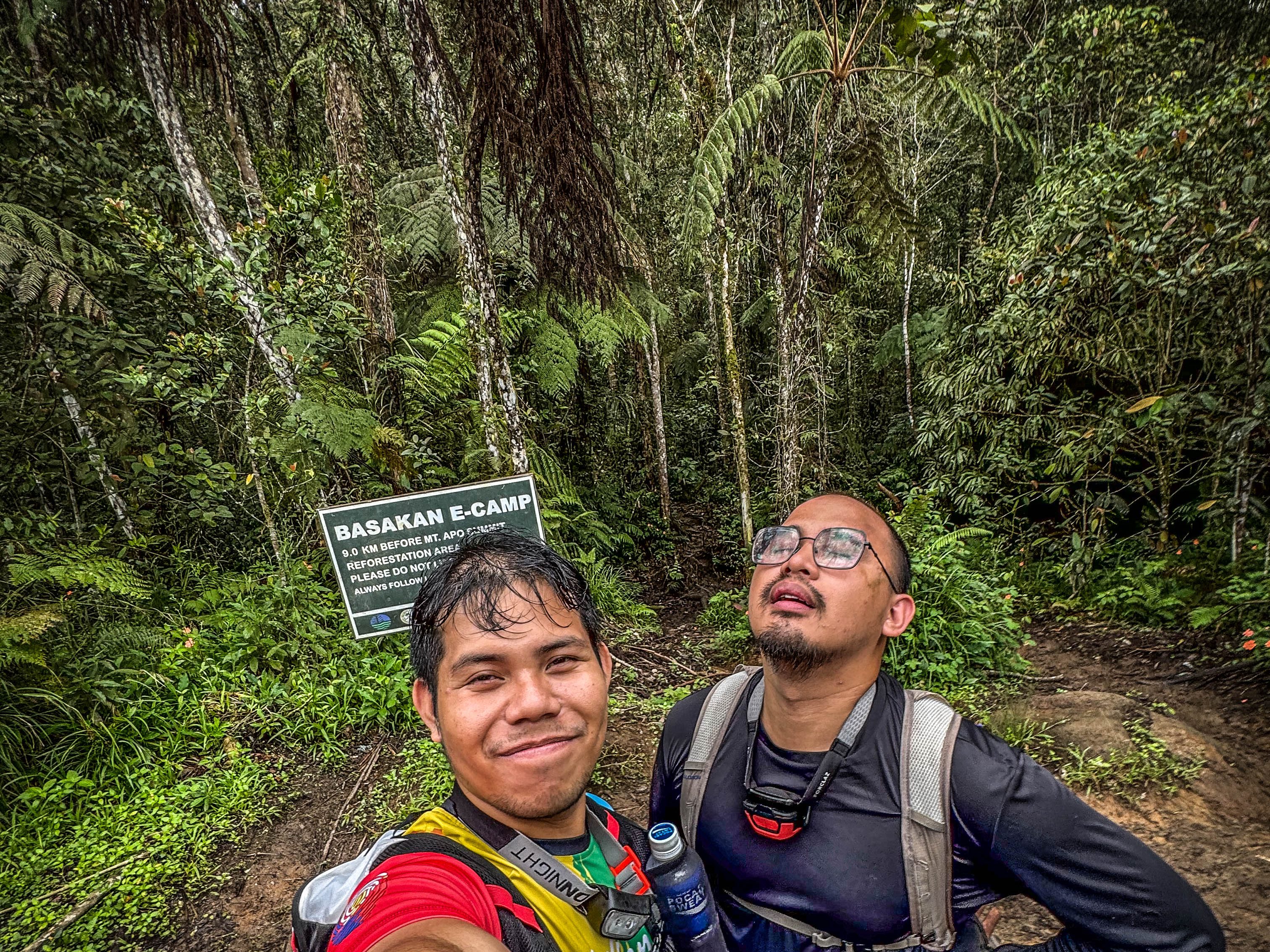
We maintained a slow but steady pace. After over an hour of continuous ascent, we reached Basakan Camp, breathing hard but still energized.
Almost an hour later, we hit Big Rock E-Camp. Another thirty minutes—Tinikaran Campsite 1.
The cold was biting. I knew we had to keep moving or we’d freeze.
Entering the Boulders: The Real Challenge Begins
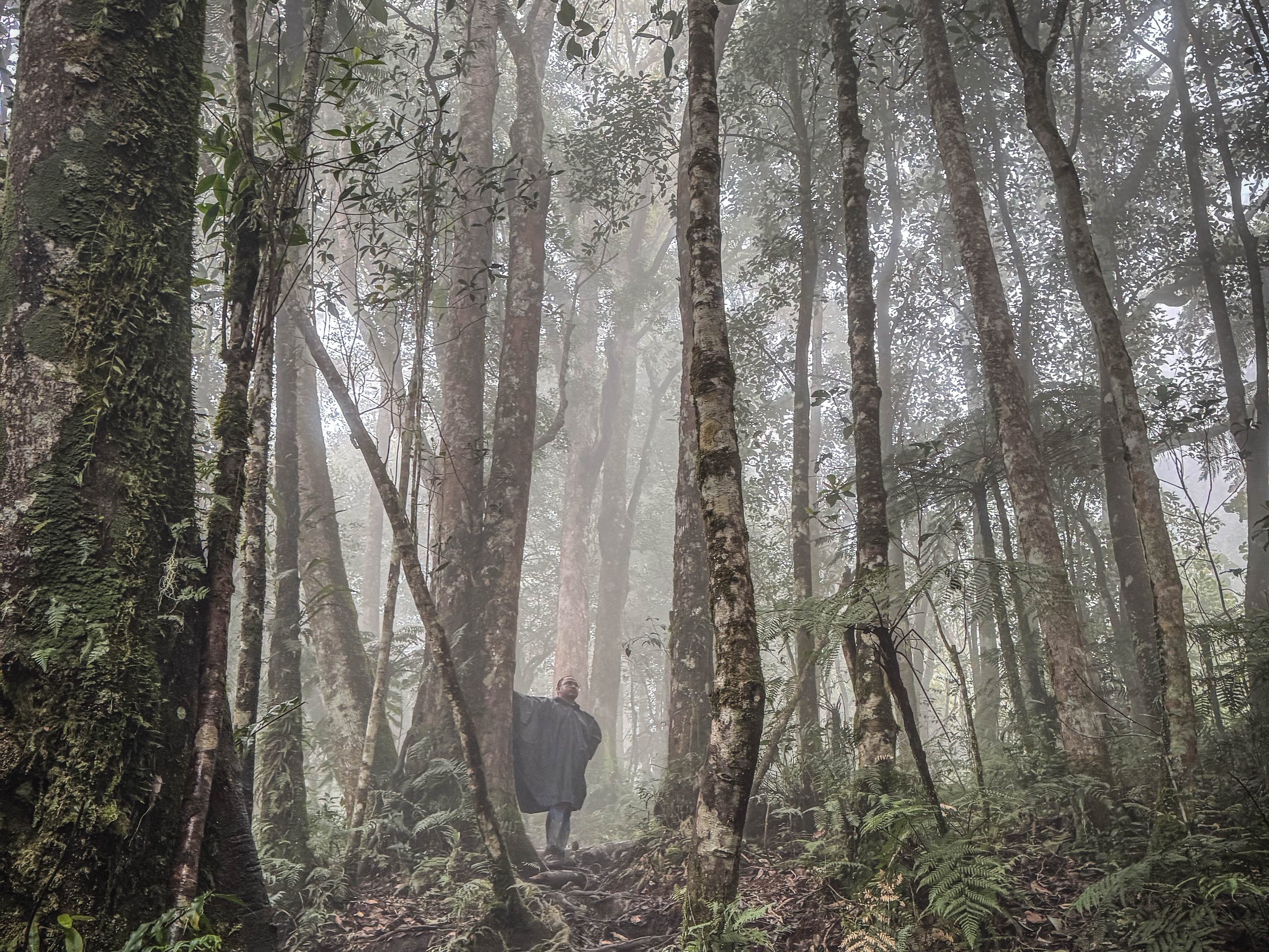
As we ascended toward the boulders, light drizzles fell—common in this area during dawn.
We saw fallen trees and fresh landslides—changes I didn’t see during my first climb.
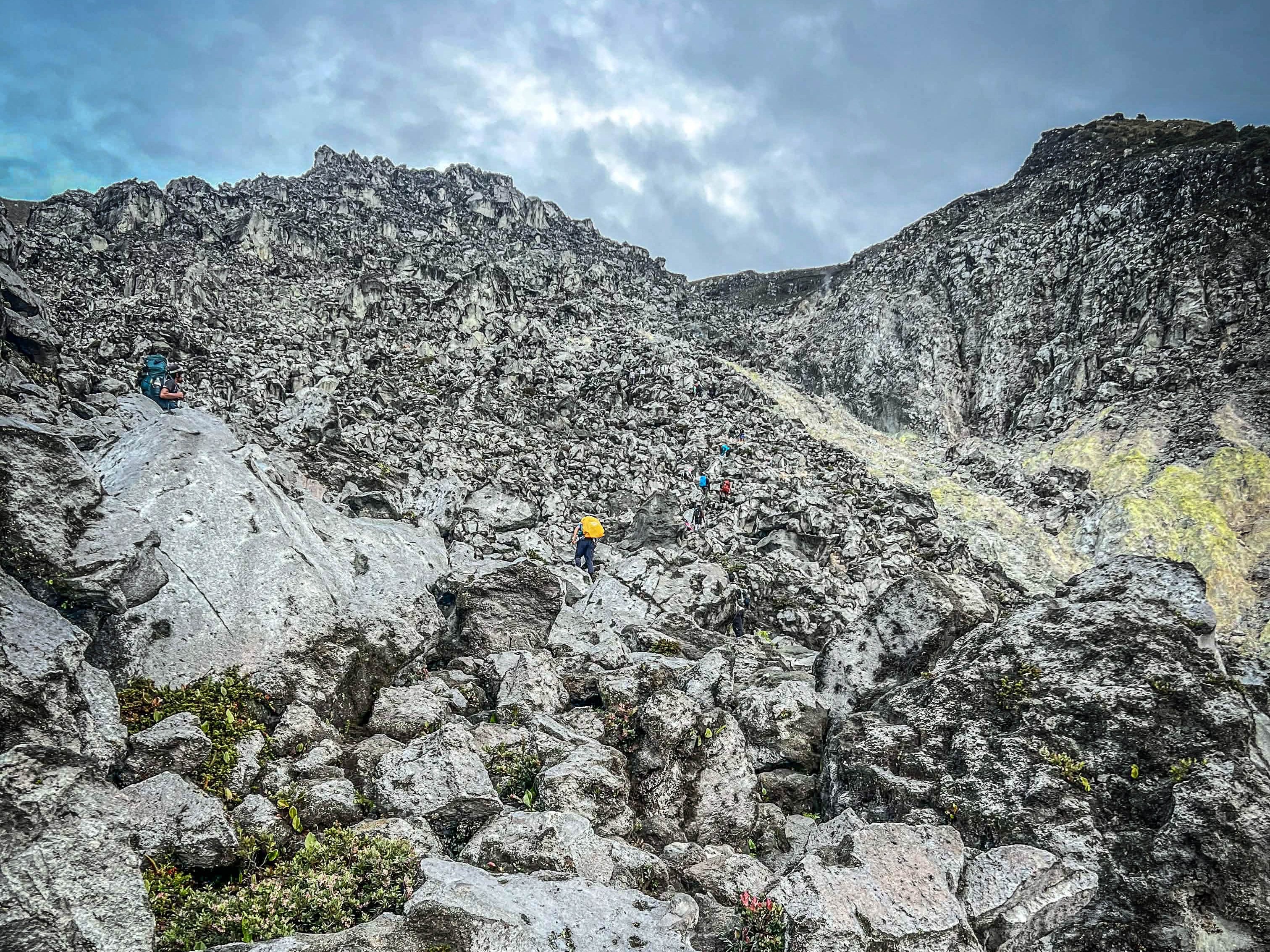
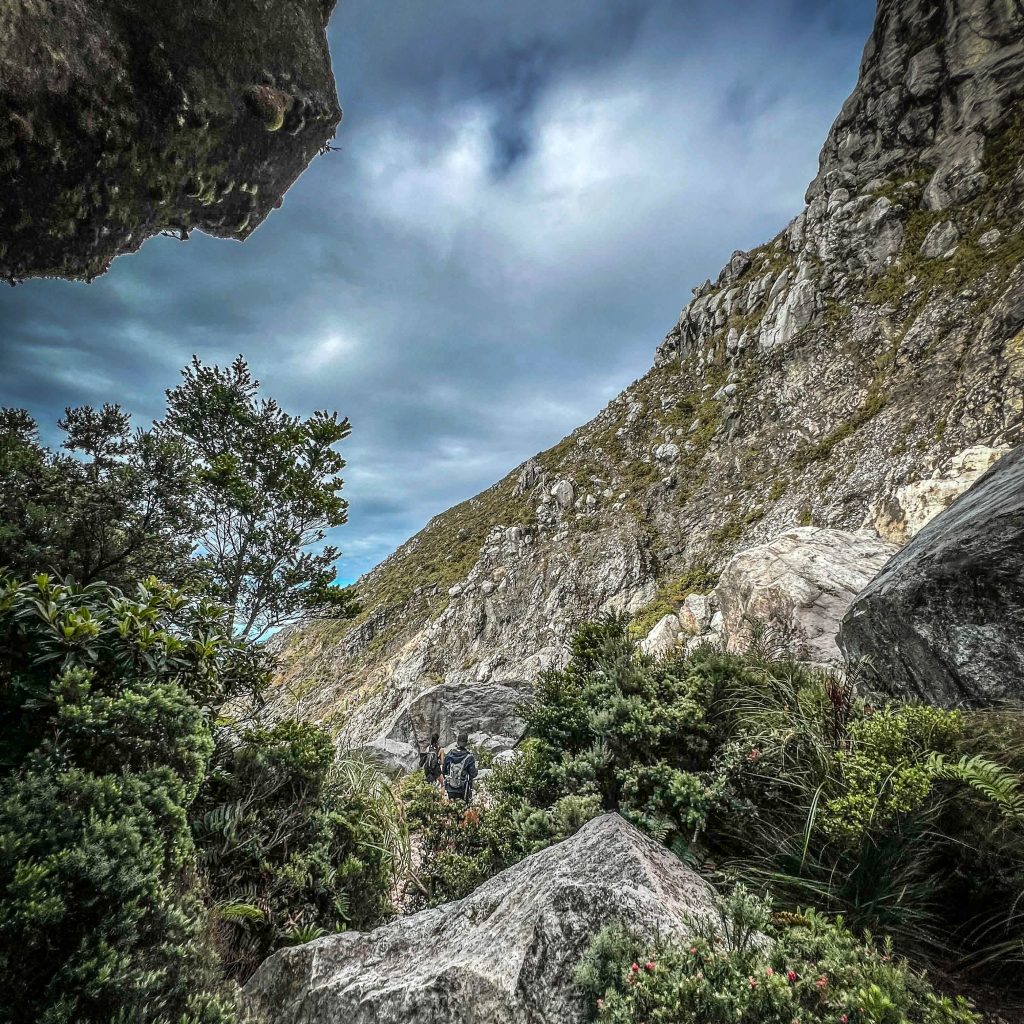
Before 5 AM, we finally reached the foot of the famous Mt. Apo Boulders. The scent of sulfur—that rotten egg smell—told us we were close.
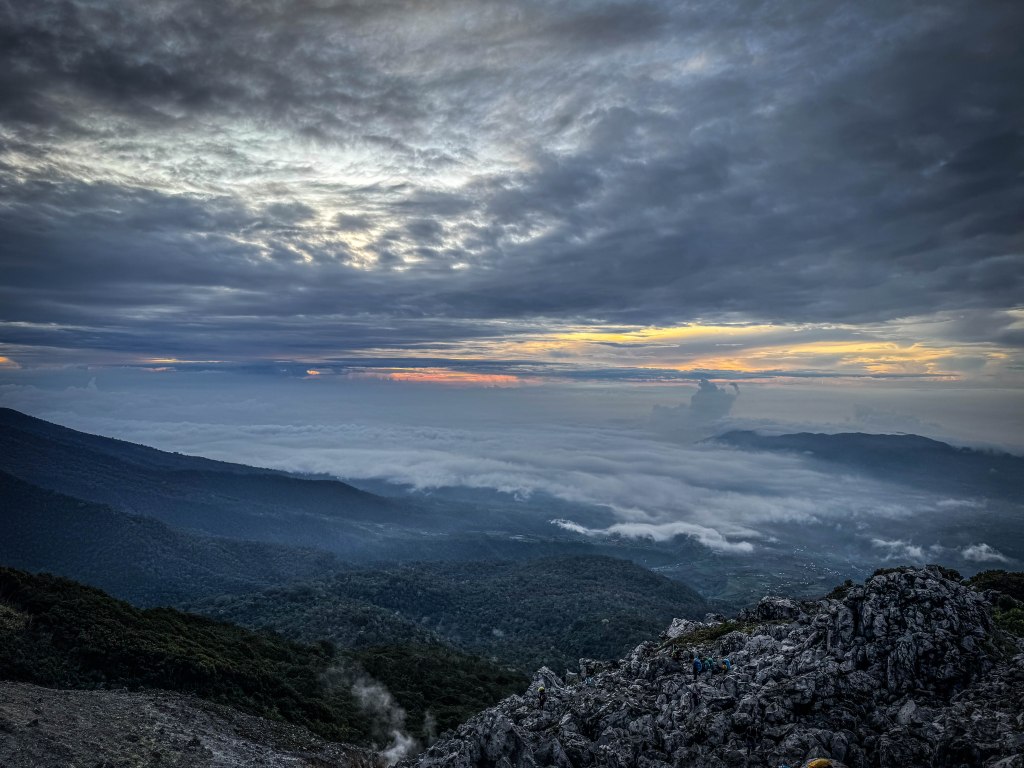
The sky began glowing orange. A strong sign: We might finally get that clearing.
We scrambled through massive boulders as the sun slowly rose behind the clouds. It was steep, sharp, and dangerous—one wrong step and you could slip on the jagged edges.
I slowed down to wait for my partner. Everyone was exhausted at this point.
Final Assault: The Path to the Crater Summit
After breakfast, we pushed for the final two-hour ascent.
Our organizer was already nearing the summit, so we picked up our pace.
The last assault was long, steep, and relentless. My heart was pounding so hard I could hear it louder than my footsteps.
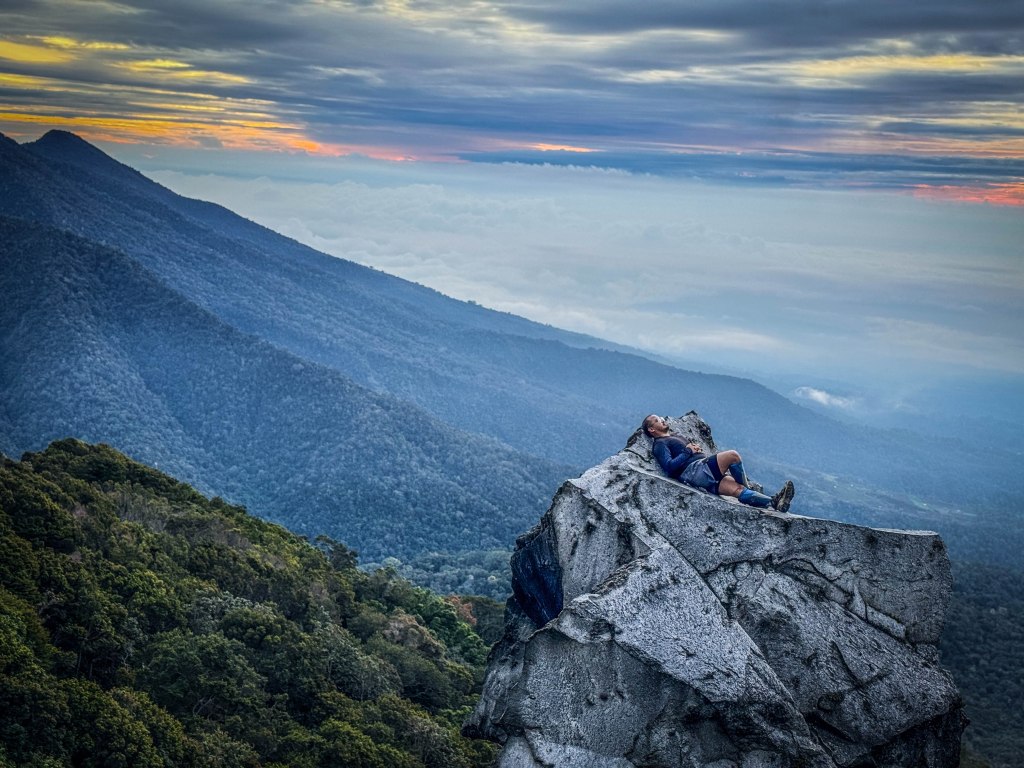
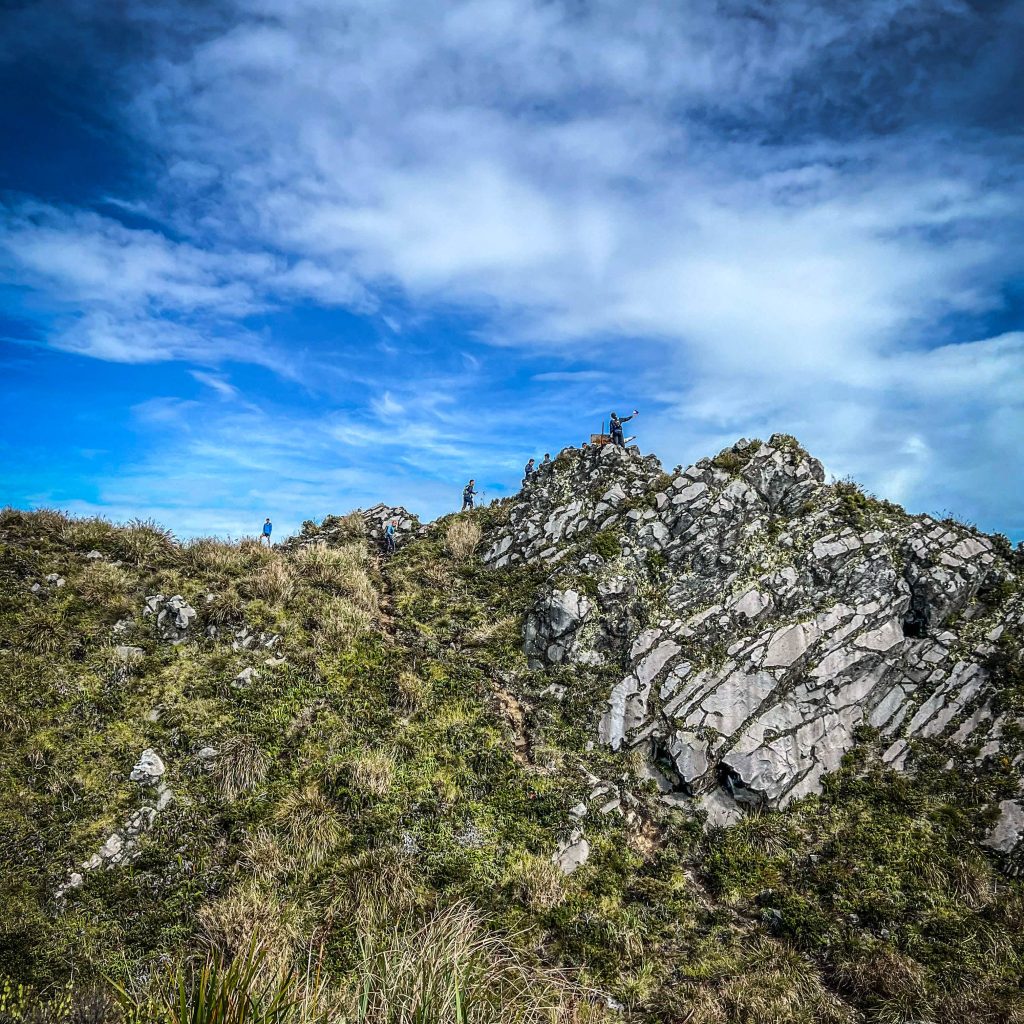
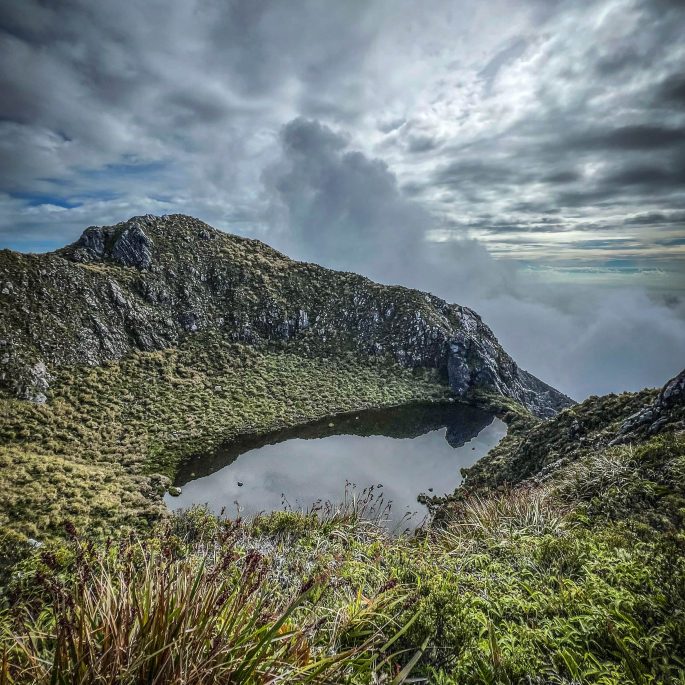
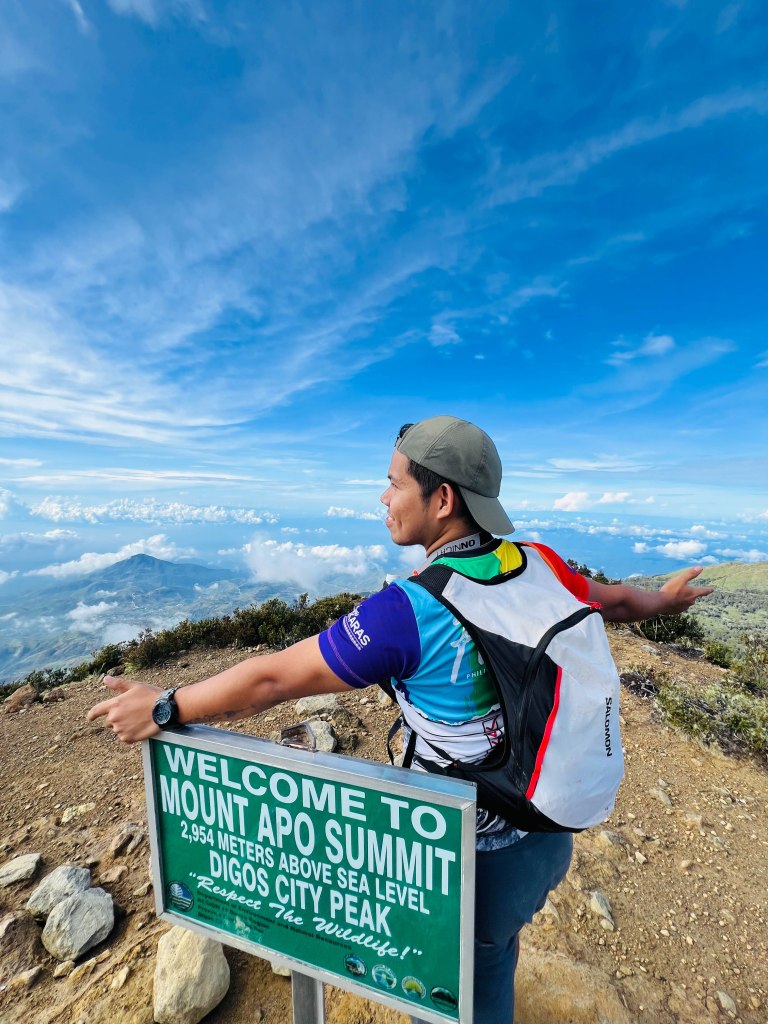
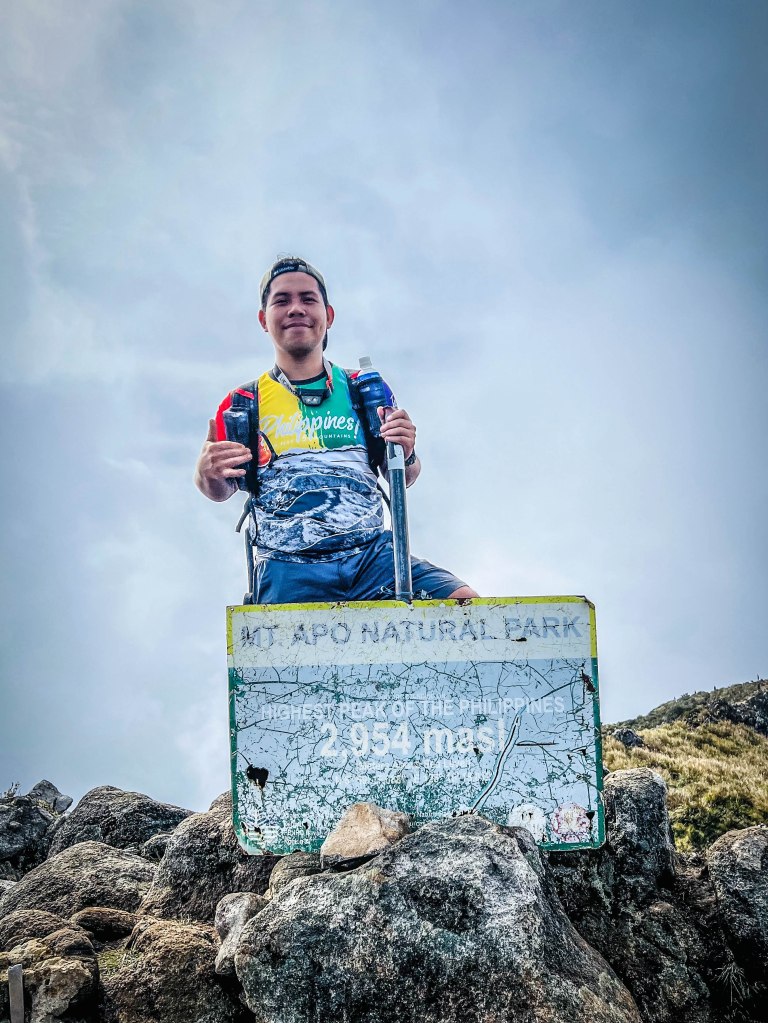
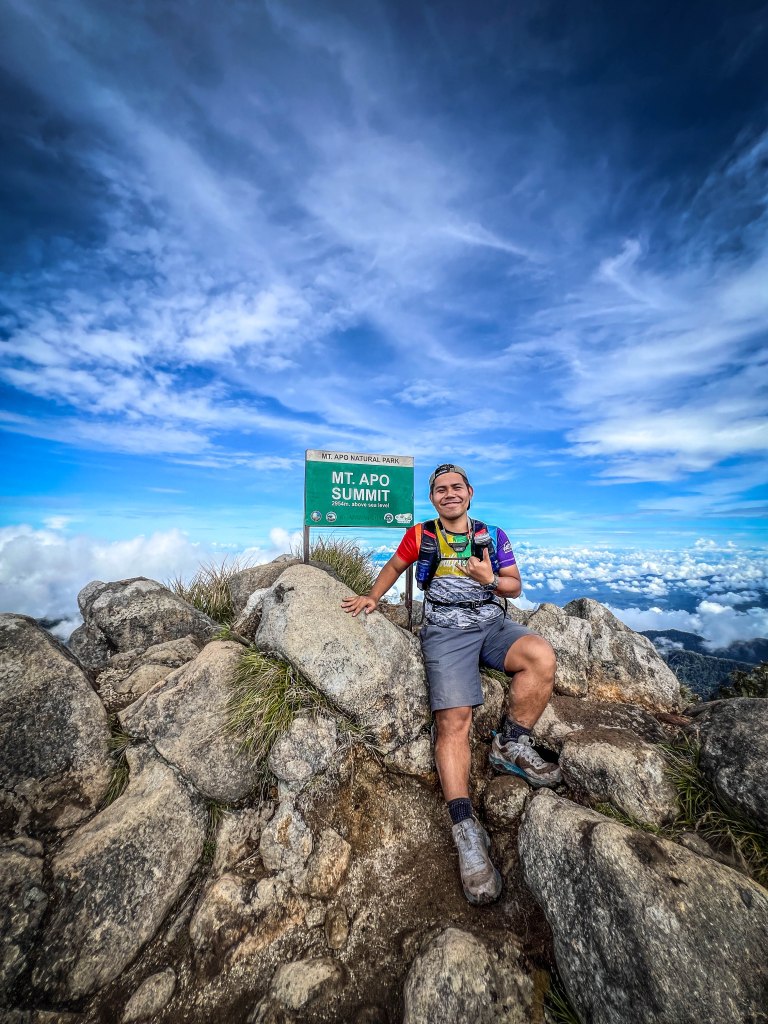
But at 7:30 AM, we reached the crater summit—and for the first time, Mt. Apo finally revealed its beauty.
Clear views. Golden light. No fog. Just the pure, raw magic of Mt. Apo Natural Park.
Finally, my revenge climb paid off.
Three Peaks, One Heart
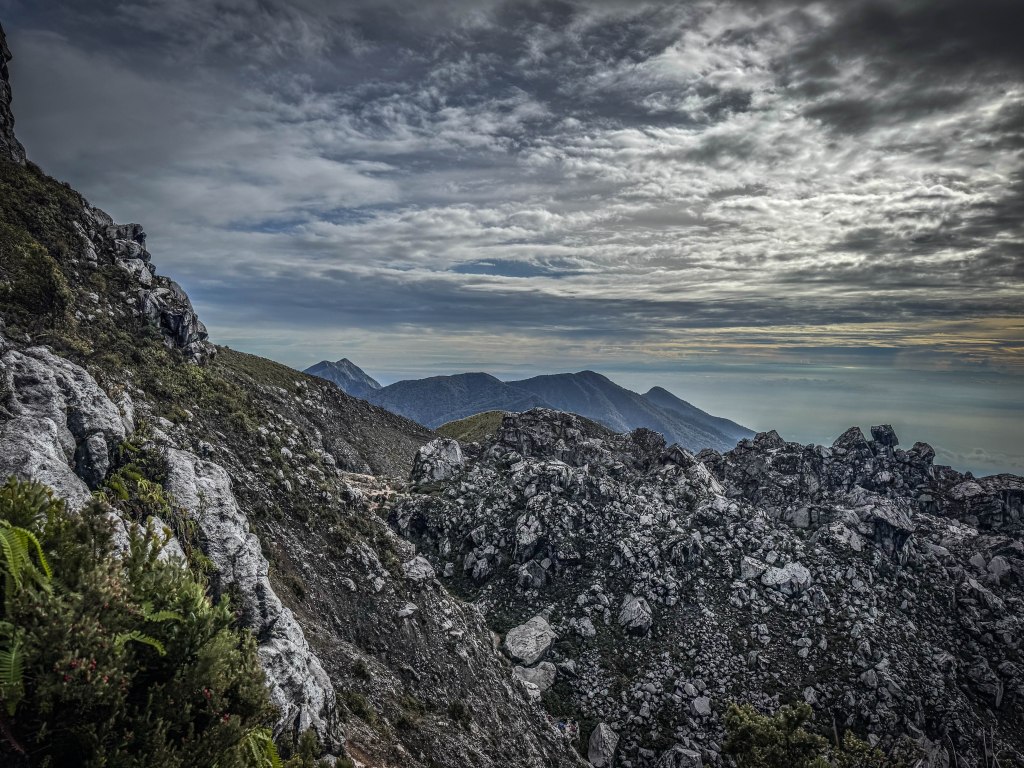
We headed to Digos Peak, then Mother Peak, and finally Kidapawan Peak—each offering different angles of the vast Davao region.
Clouds started creeping in, but the summits remained stunning.
It was everything I wished for during my first climb.
The Descent: From Biting Cold to Scorching Heat
We didn’t linger at the peaks—the sun was rising quickly, and a long journey back awaited us.
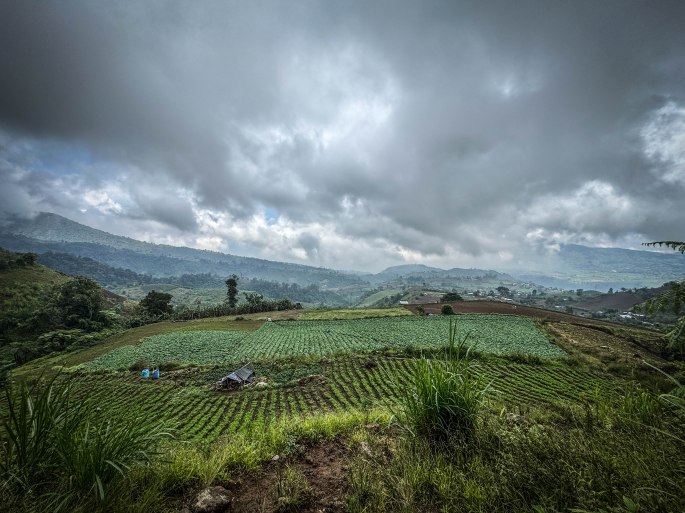
By the time we reached the boulders again, the temperature had shifted dramatically. What felt like the icy chill of early morning now transformed into scorching heat, amplified by the reflection of sunlight on volcanic rocks. Every step was a test of endurance. Then, almost teasing us, a sudden rain shower cooled us for a few minutes—but as we descended further toward the vegetable farm communities, the sun returned with full force, beating down relentlessly.
The descent was nonstop. We battled heat, slippery rocks, loose soil, and mounting exhaustion. Each step demanded focus, strength, and patience.
Finally, around 2 PM, we reached the jump-off point.
Fourteen hours. Fourteen hours of grit, determination, cold, heat, mud, and relentless climbs and descents.
And despite it all? I would do it all over again in a heartbeat.
FAQs About Mt. Apo Dayhike
1. How long is the Mt. Apo dayhike?
Most hikers finish between 10–14 hours, depending on pace, weather, and fitness.
2. Is Mt. Apo dayhike beginner-friendly?
Only for well-prepared beginners. You need endurance training, proper gear, and mental toughness.
3. What is the best trail for Mt. Apo dayhike?
The Sta. Cruz Backtrail is the most common and is considered manageable for strong dayhikers.
4. What time should you start?
Usually between 12 AM to 1 AM to reach the summit before sunrise.
5. Do I need a guide?
Yes. Mt. Apo requires certified guides and environmental permits. Joining accredited organizers like Explore Mt. Apo is recommended.
6. What gear is required for the dayhike?
Lightweight backpack
Headlamp
Waterproof jacket
Gloves for boulders
Proper hiking shoes
Electrolytes
Energy food
Trekking poles (optional but helpful)
7. Is Mt. Apo safe?
Yes, as long as you have:
a legit guide
proper weather updates
trail discipline
enough preparation
8. What makes the Mt. Apo boulders difficult?
Sharp volcanic rocks, steep sections, strong winds, and heat exposure during descent.
9. What is the temperature at the summit?
Around 5–12°C during early morning.
10. Can you camp if you get tired?
Dayhikes don’t usually allow camping unless for emergency reasons, so you must finish the trail without stopping overnight.
I hope this guide inspires and prepares you for your own #ChillAdventures in Mt. Apo Dayhike. Remember—every summit conquered is Just One More Step closer to your next great chill adventure. ⛰️💫
For more hiking stories, travel tips, and hidden gems in the Philippines, follow me on Chill Adventures with Joms across all social media platforms.
Till the next climb, mga ka-Ahon—see you on the trails! 🚀🌄
I am a mad budgetarian traveller. I often hike to beautiful mountains and embark to a journey well planned in a very tight budget. Join me as I complete the hikes and travels I treasure. I hope you will learn something from my blog ❤️.
View all posts by Chill Adventures with Joms






 Chill Adventures with Joms