

“Do not seek death. Death will find you. But seek the road which makes death a fulfillment.”
— Dag Hammarskjöld
Many friends often ask me why I choose to dayhike almost every weekend. My answer is always simple: this is our rest. After long, draining weeks in the corporate world, the mountains become our reset button. Some may find it strange, but for me and my partner, every climb makes life feel lighter and less stressful.
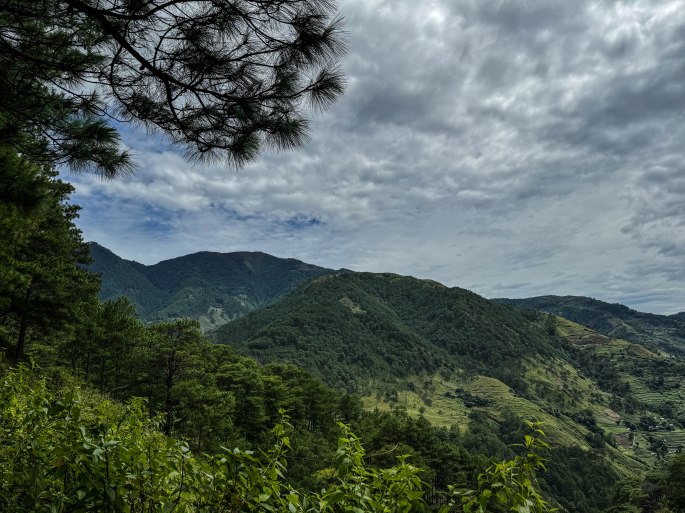
I’ve hiked Mt. Pulag before on a multi-day climb—an unforgettable journey with close friends. (You can read it here.) This time, however, was different. This was not your usual “chill” 3T adventure. This was about surviving Mt. Pulag in a single day, through one of its most unexplored and rarely traveled routes—the Tinoc–Tawangan Trail.
I remain deeply grateful to have a partner who leads me not just to beautiful places, but to the most challenging landscapes that push both body and spirit.
How It All Began
“Tara dito!”—a familiar invitation from our friend and organizer SanDrye of DieHikers Unlimited. Without hesitation, we joined.
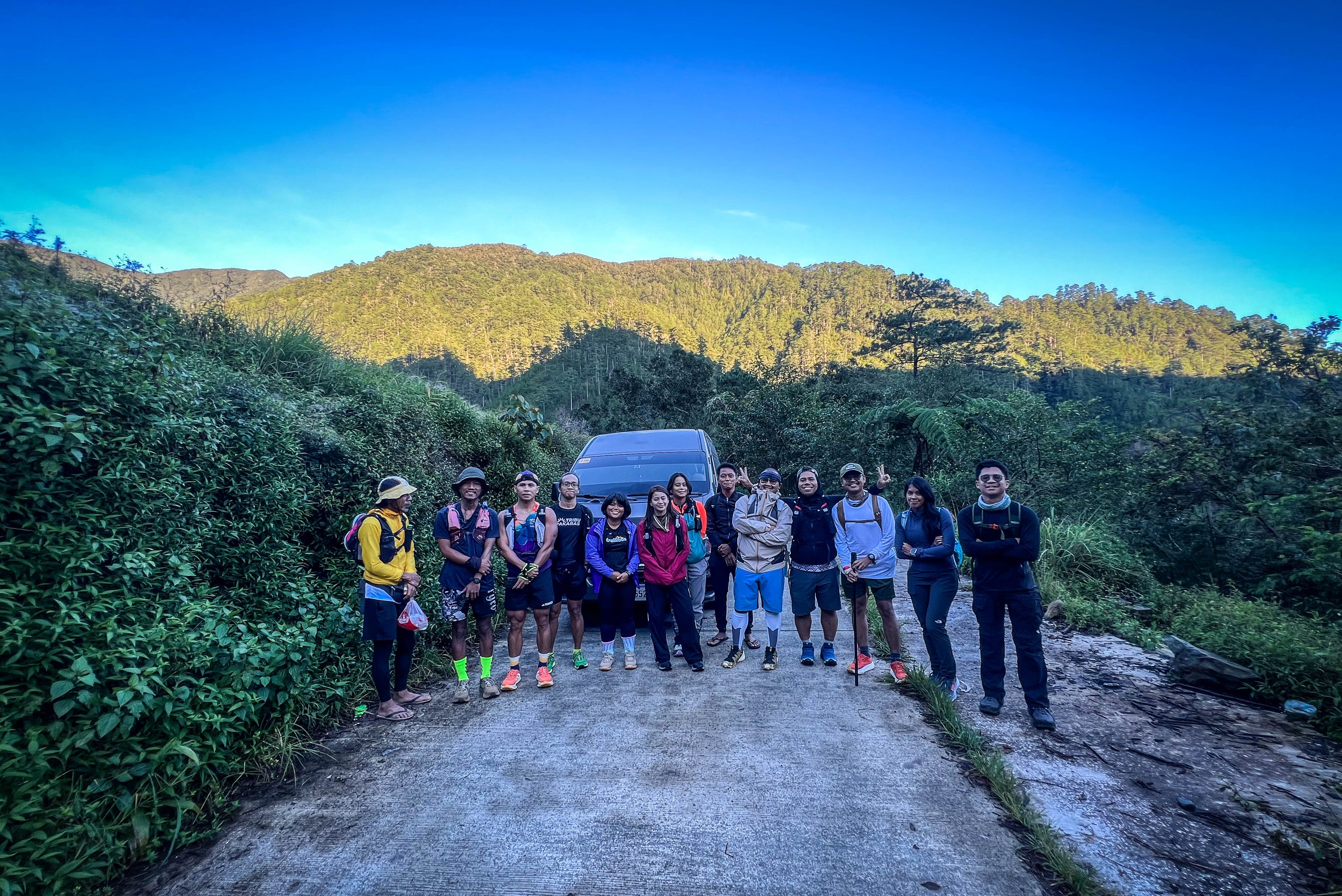
Curious, I searched online for information about Tinoc but found almost nothing—only fragments about the Tawangan Trail. Posts mentioned that the route wasn’t officially open yet. Fortunately, our group received special permission to explore this old, forgotten trail of Mt. Pulag.
After nearly 10 hours of travel from Greenfield, Mandaluyong, we arrived at Barangay Luhong, Tinoc, Ifugao, just past 5:00 AM. The skies were clear, the air crisp, and the cold unmistakable—Mt. Pulag welcoming us in silence.
Time and Trail: Where the Real Test Began
What should you expect from this trail?
Honestly—I barely took photos. I was too busy fighting for my life.
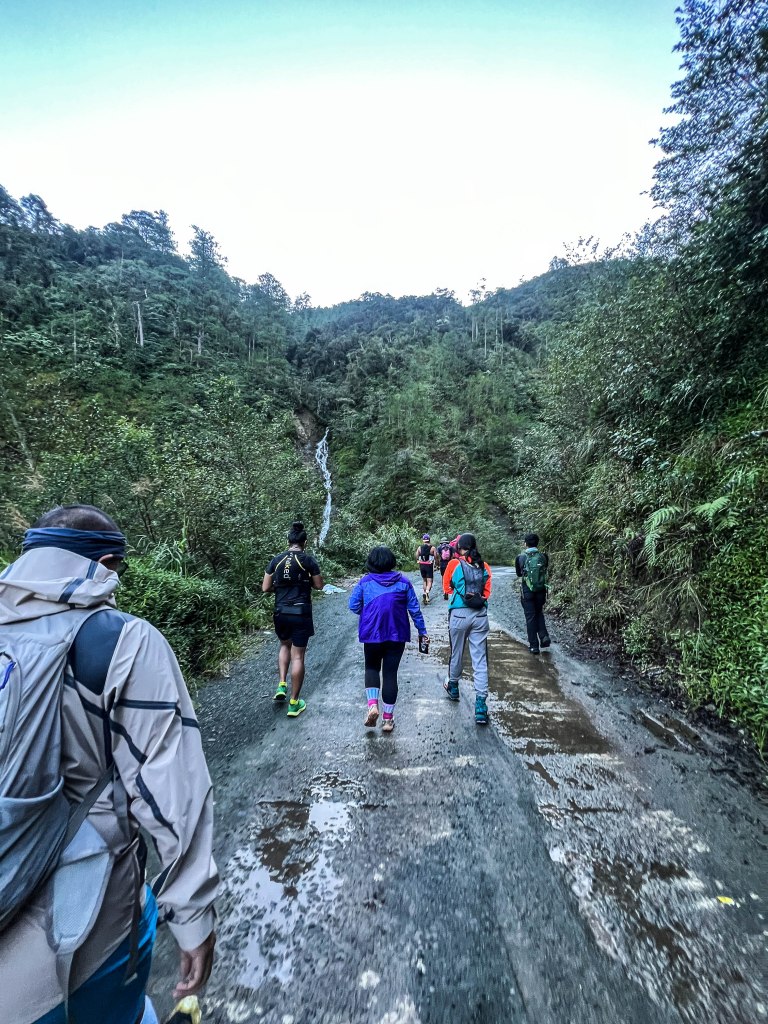
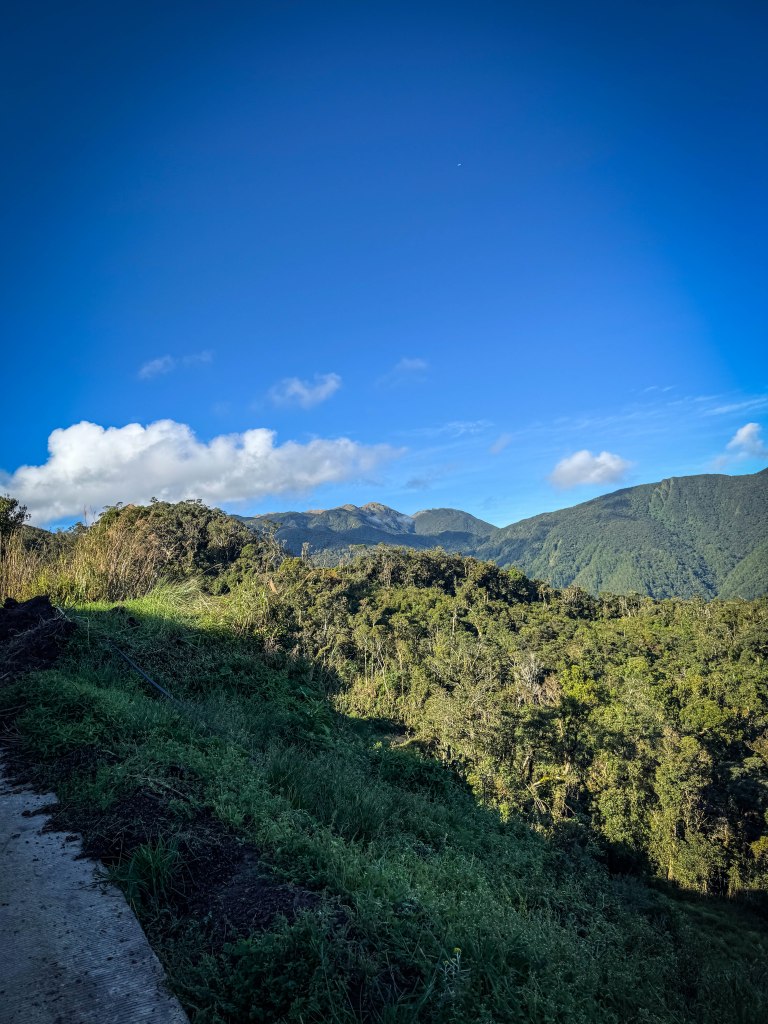
Without delay, we packed up and started. The lead group moved fast, as usual. The trail opened with a long assault on paved roads, followed by endless muddy stretches that seemed to have no mercy.
Nature called early, and I fell behind—again. Following Leave No Trace principles, I took my time, only to discover later that part of our group had gone the wrong way. The guide with us momentarily forgot the route. Fifteen minutes later, we realized we should’ve turned left.
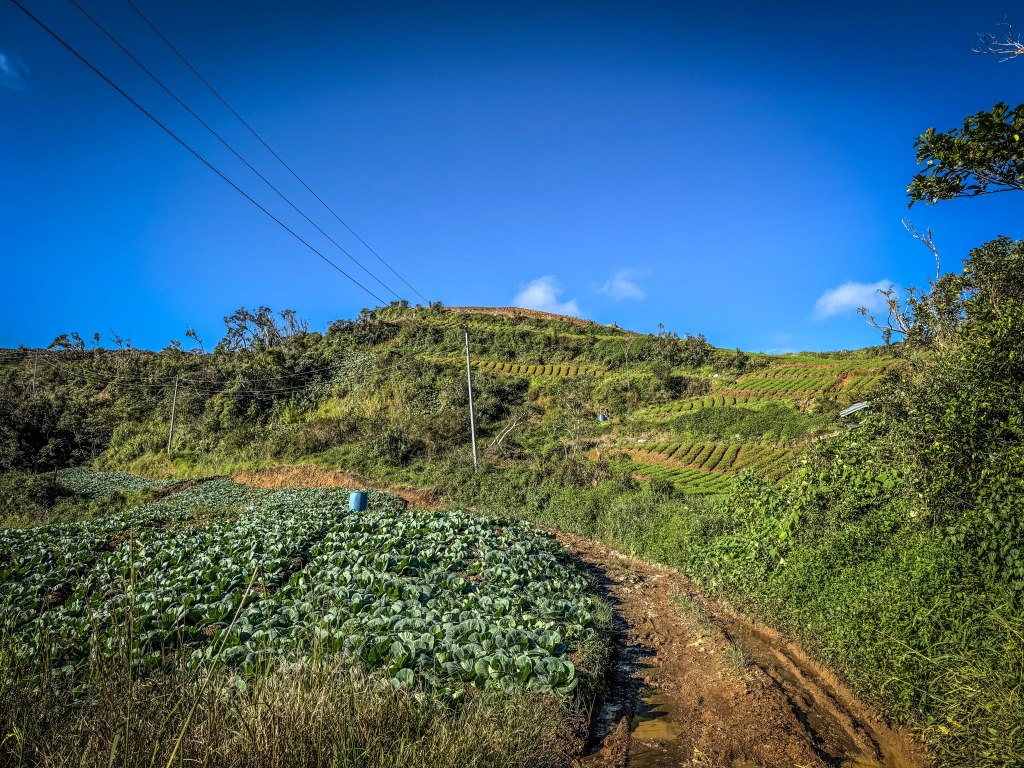
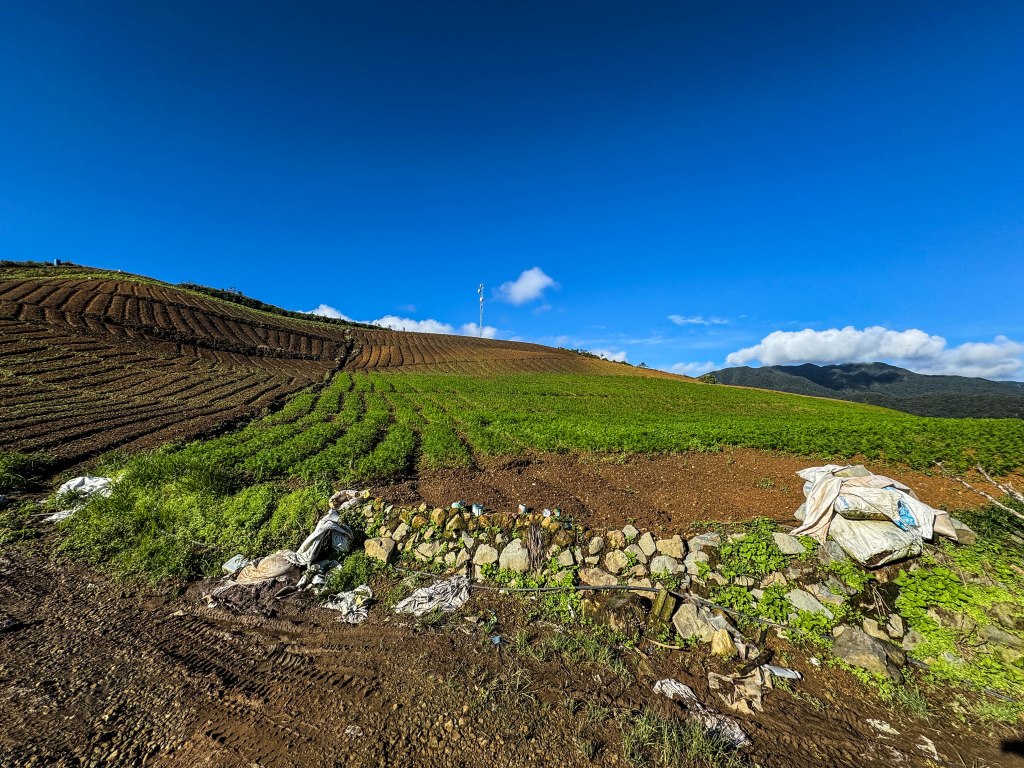
The road assault continued relentlessly. The cold helped, at least—we kept moving. Along the way, we passed vast vegetable farms—carrots, cabbage, broccoli, potatoes—silent proof of how hardworking the locals are.
After an hour of continuous assault, we reached the forest’s edge. Seeing deforested land made me pause. I couldn’t help but wish for better protection of these mountains—progress shouldn’t come at the cost of losing forests.
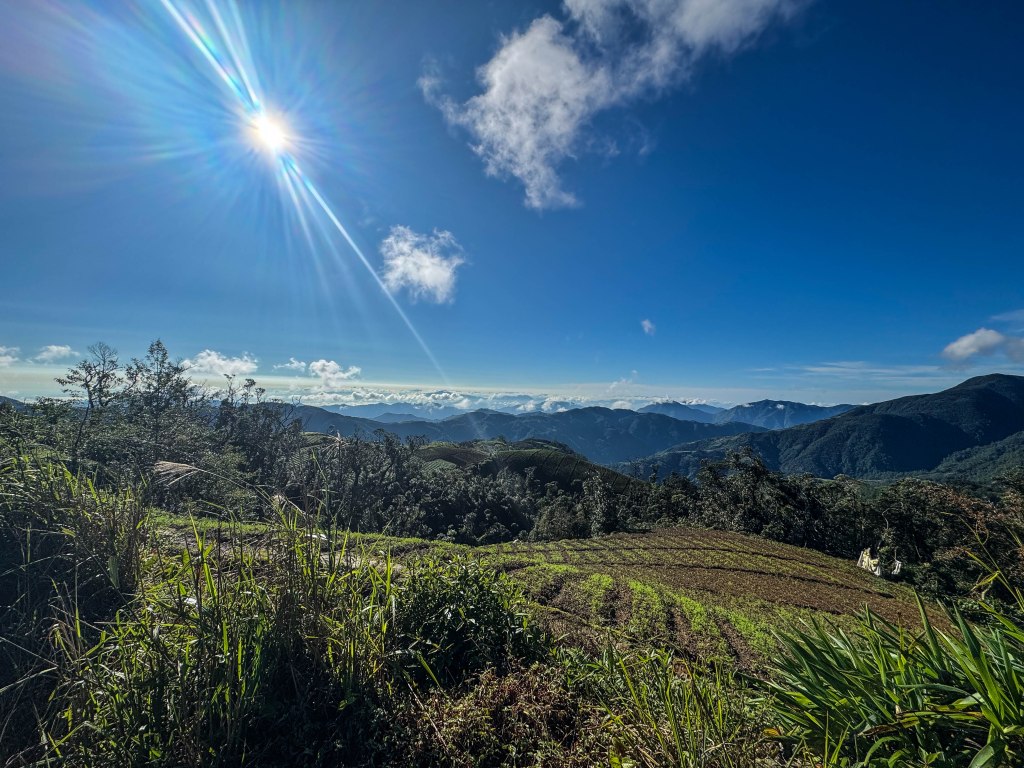
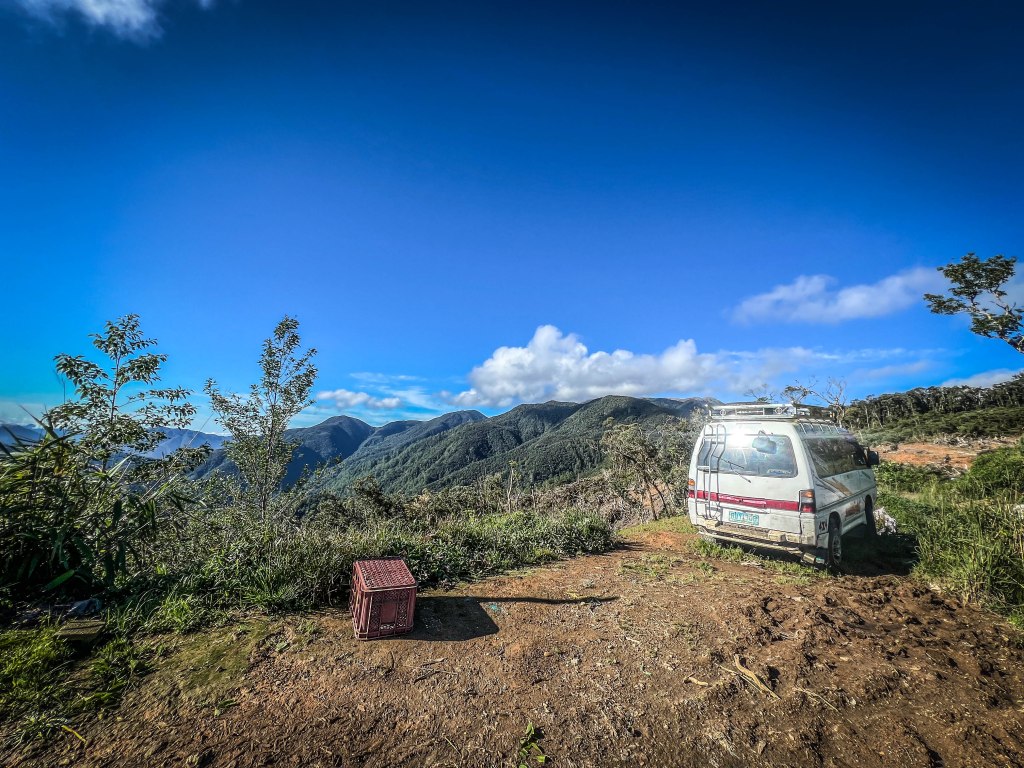
Into the Forest: Beauty Meets Danger
Our guides searched for the trail again. Landslides and deforestation had erased many landmarks since their last climb years ago. Eventually, we found the path.
The forest grew thicker. The air thinner. Despite the sun being high, the cold lingered.
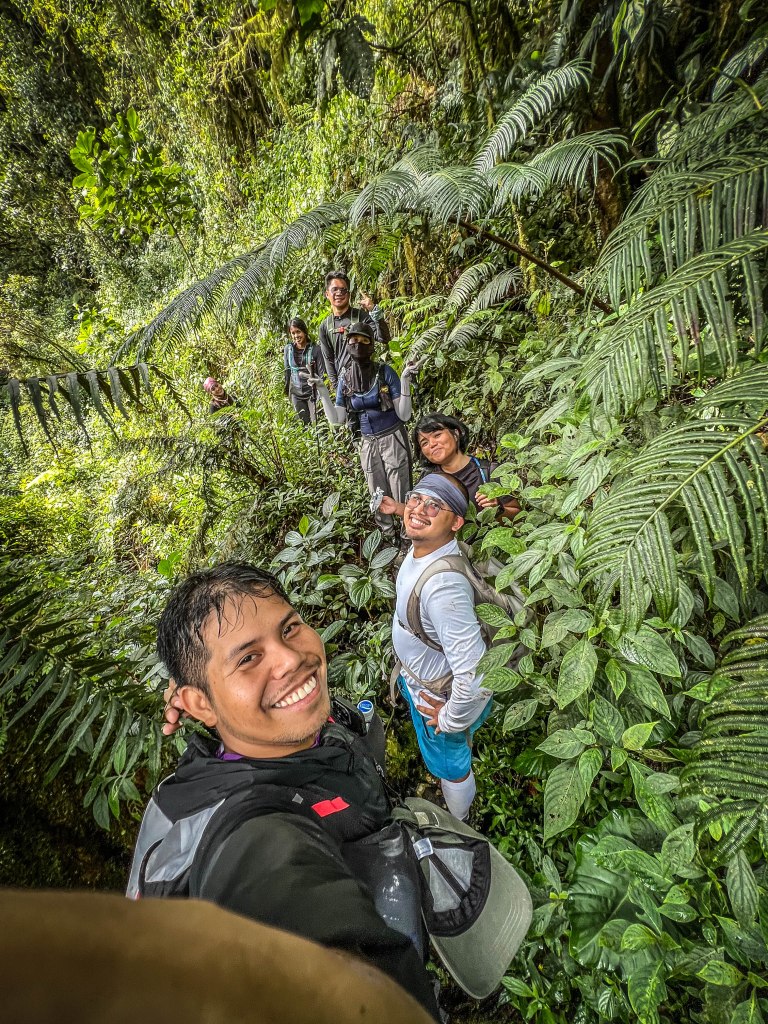
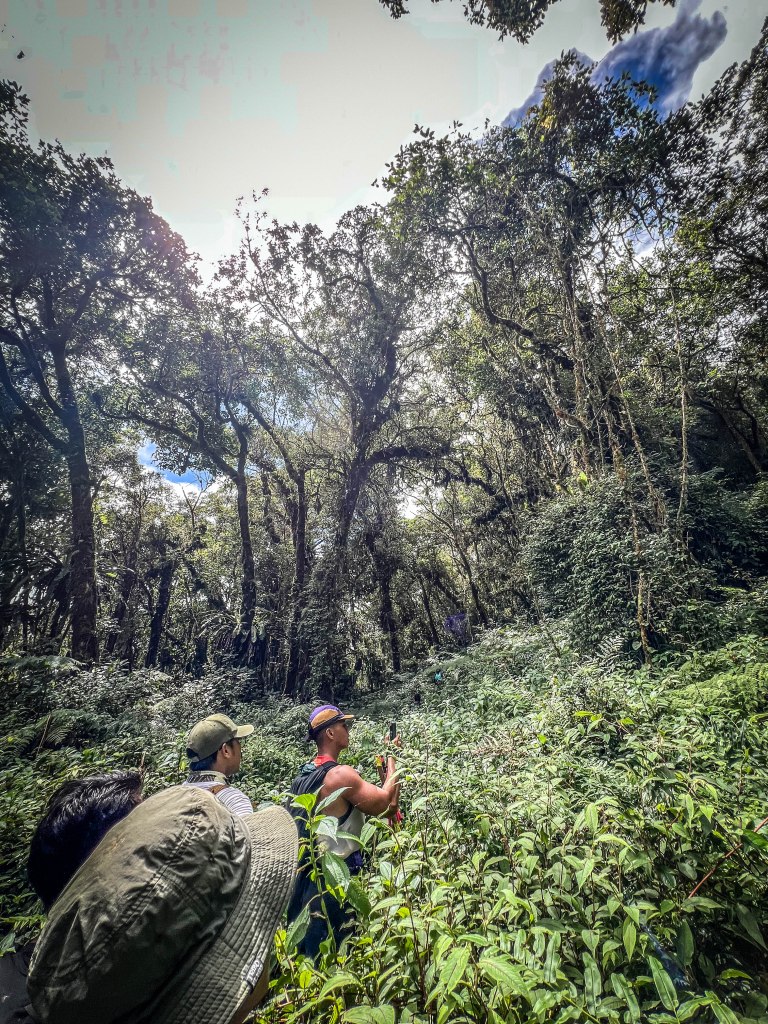
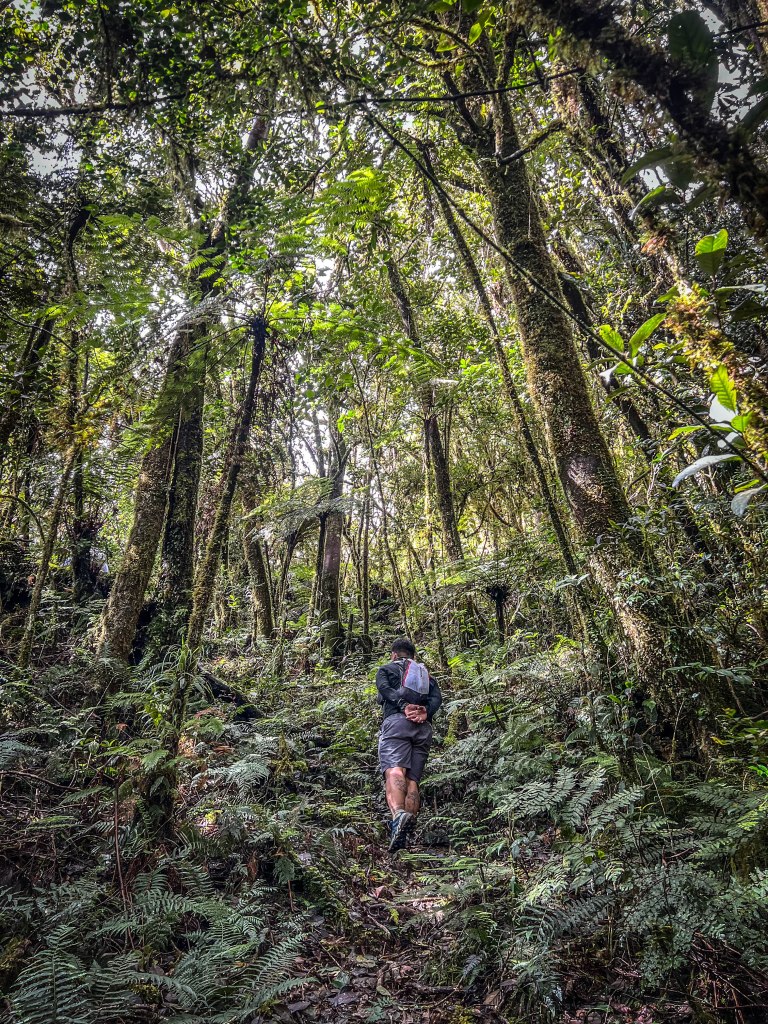
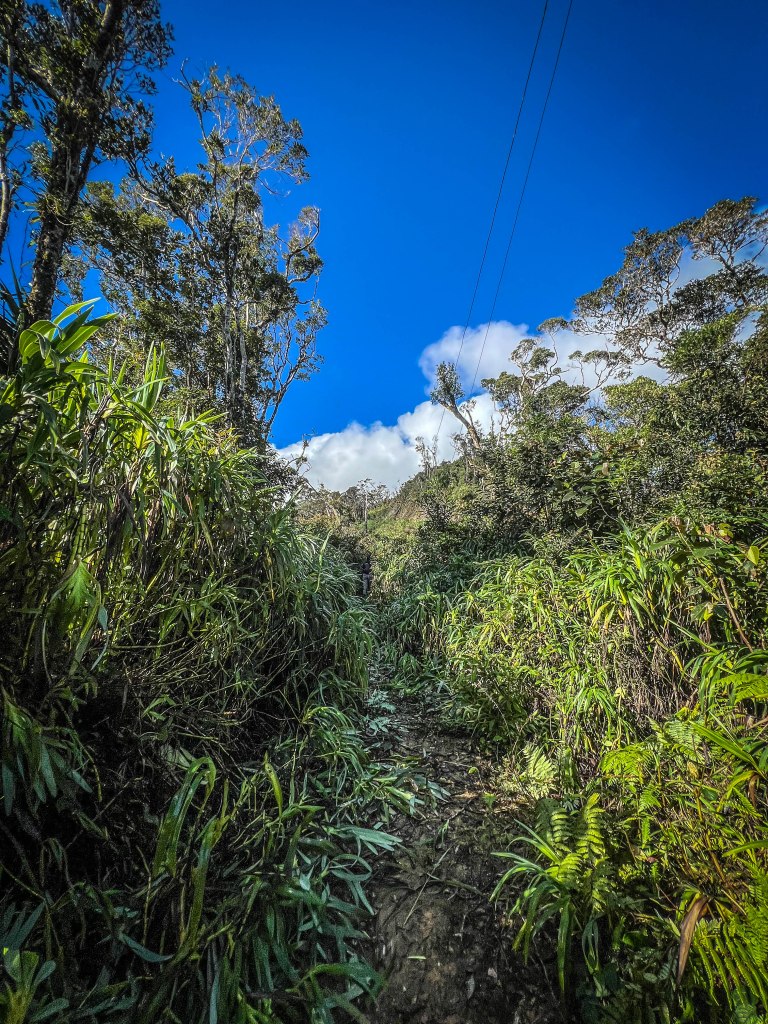
We crossed fallen trees, rattan vines, thorny wild grass—nothing could stop us now. As we ascended, I noticed how dangerously close we were to cliffs. One wrong step could mean the end.
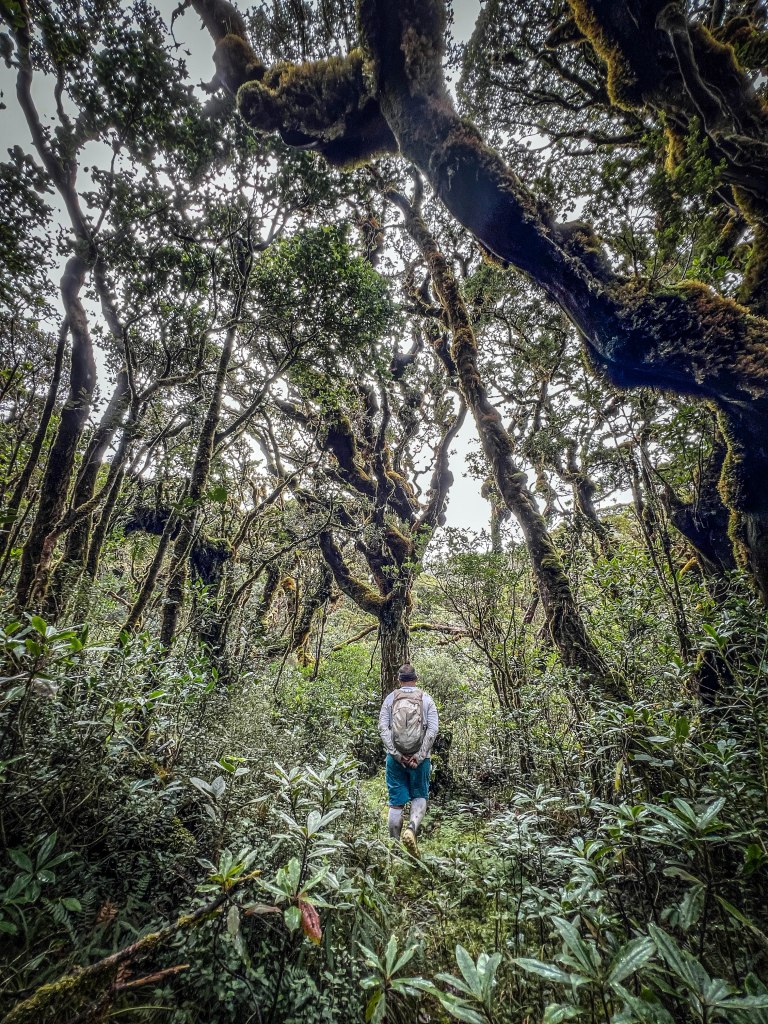
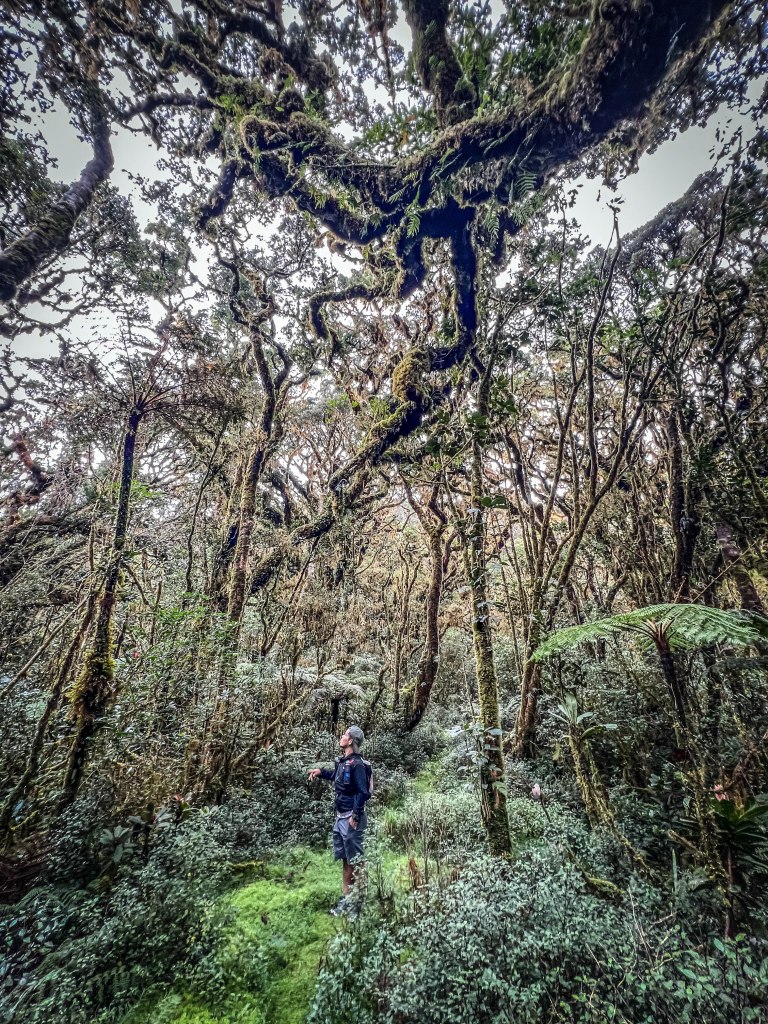
The trail was barely visible. We climbed through tangled roots, crawled beneath fallen debris, and stepped carefully on moss-covered ground. Every move required focus.

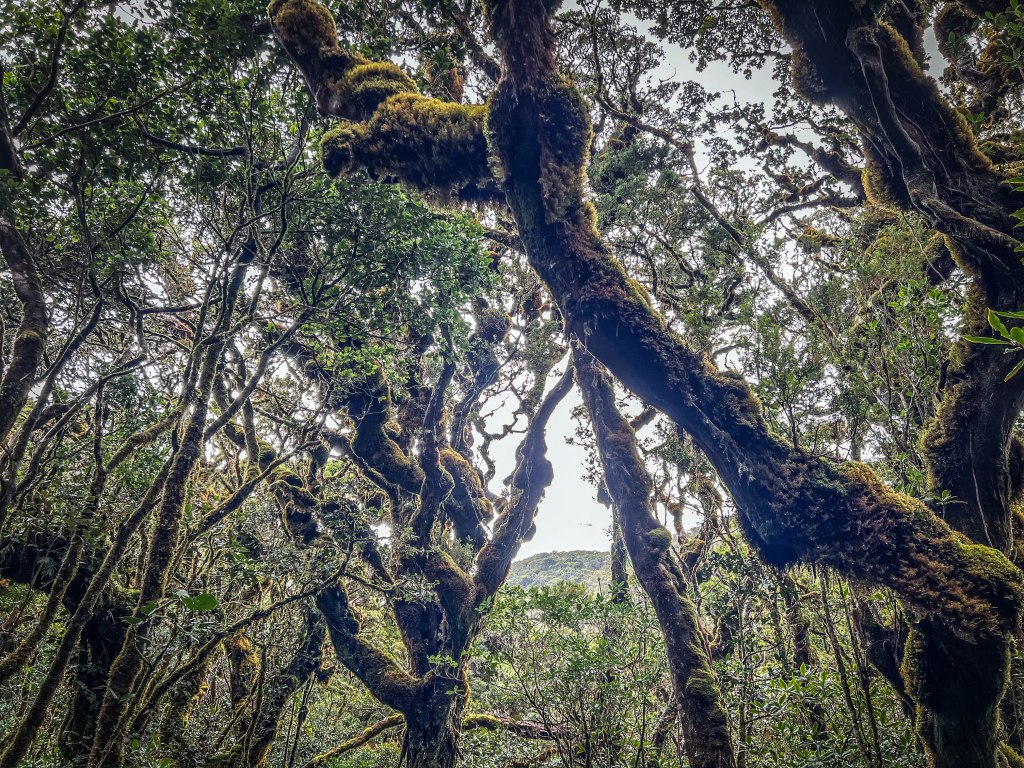
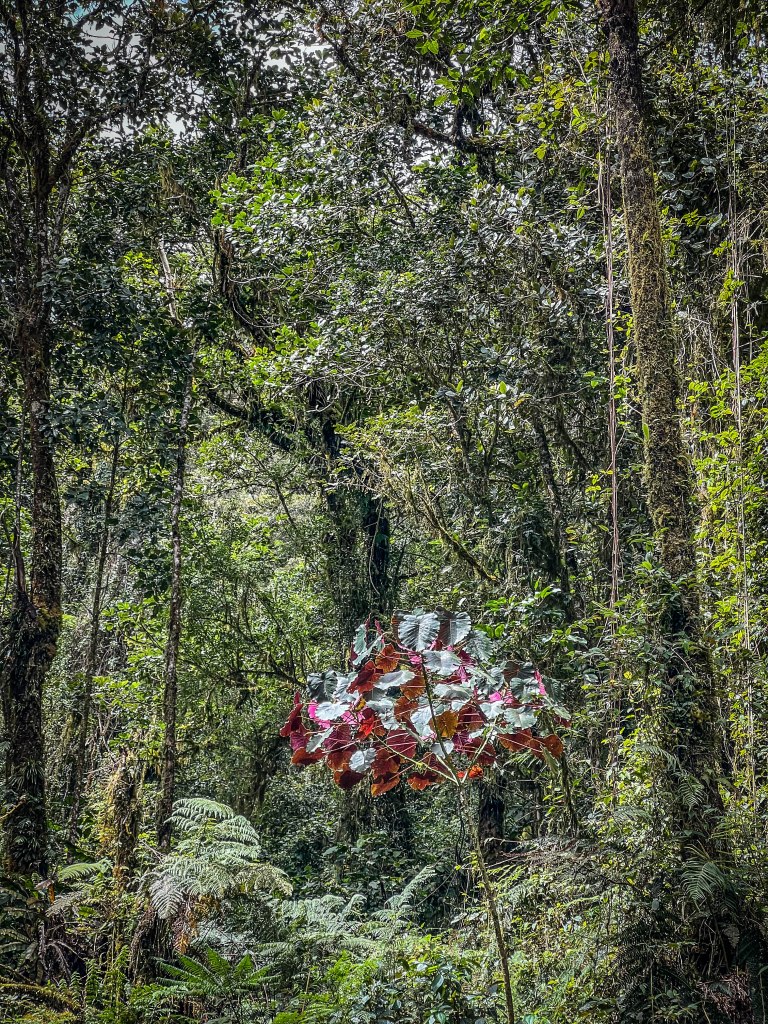
By 11:00 AM, after nearly three hours in the mossy forest, we reached the ridge. Ancient trees draped in moss surrounded us—cold, quiet, and enchanting. It reminded me of my Bukidnon hike: different island, same magic.
We paused briefly for photos and lunch, then continued toward the grasslands leading to the summit.


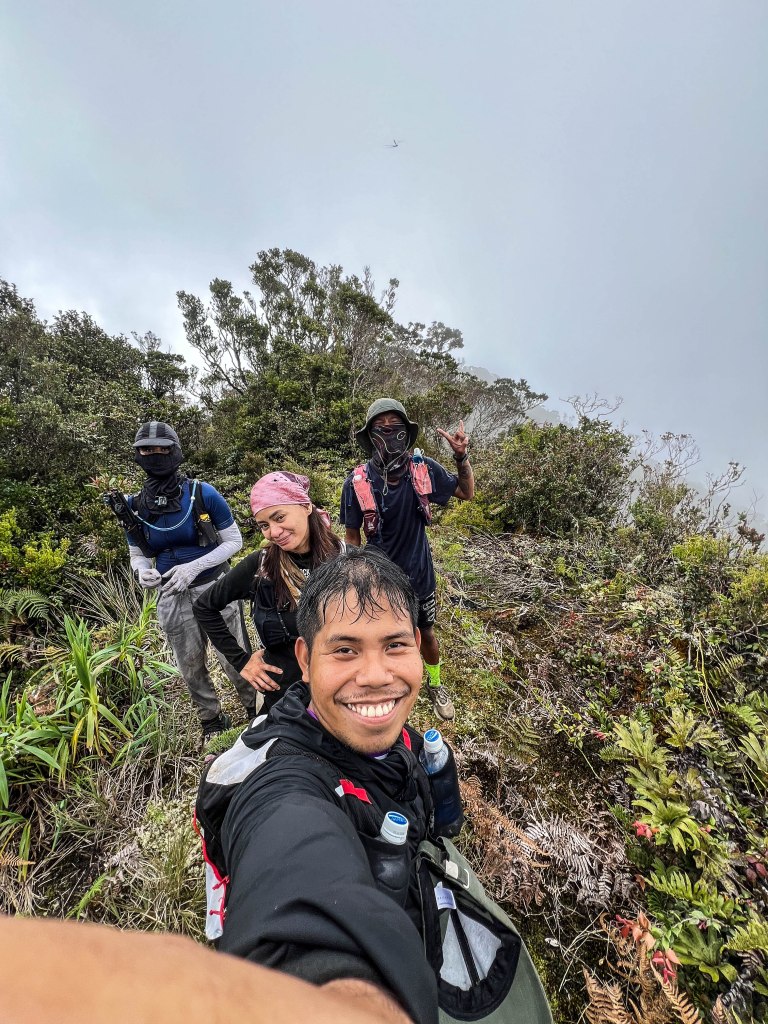
Grasslands, Pain, and the Final Push
Time was no longer on our side. Our goal was to reach the summit by noon—but we were far from it.
Past 1:00 PM, we entered the grasslands. Rolling hills stretched endlessly, beautiful beyond words. We refilled our bottles and pressed on.
The grass was knee- to waist-deep, sharp and unforgiving. I wore no leg protection, and every step burned. Still, we moved.
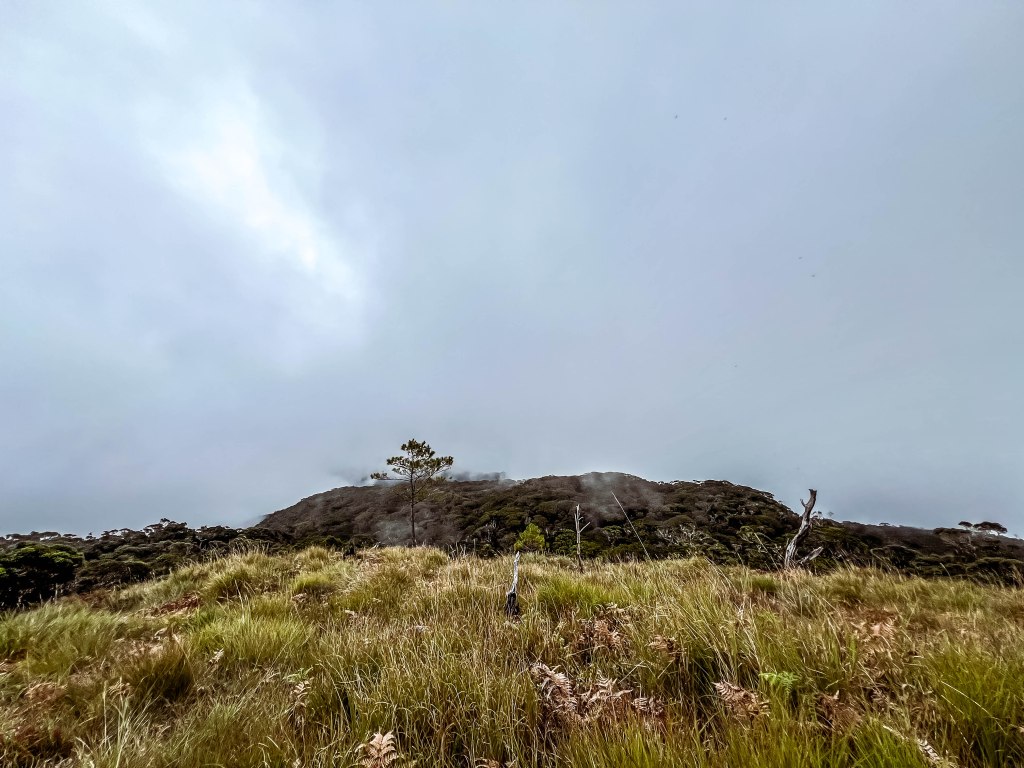
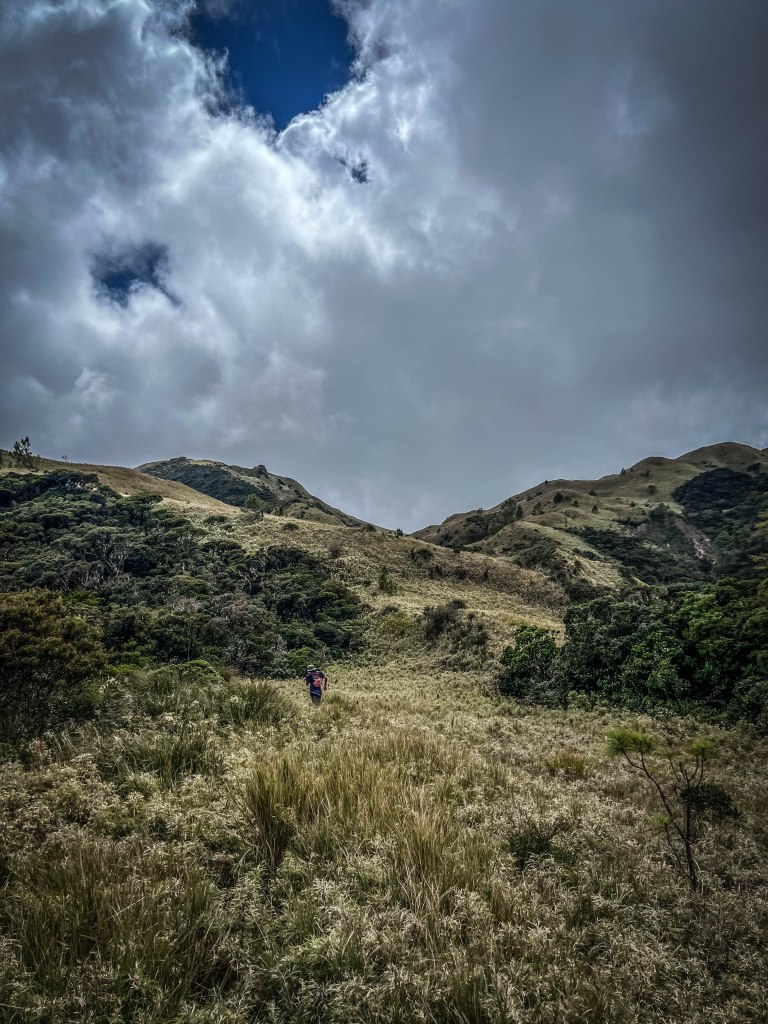
After nearly two hours of walking through pain and beauty, we reached the junction connecting Ambangeg Trail and Tinoc. Some teammates, still full of energy, ran ahead.
At around 2:30 PM, we finally stood on the summit of Mt. Pulag—hopeful, exhausted, and determined to make it back before midnight.

The Descent: Darkness, Leeches, and Teamwork
Minutes later, we began descending via Tawangan Trail—already knowing this would be my most challenging hike of 2025.
Just below the summit, we turned left. Spirits were high, but urgency set in. We stayed together—all 12 of us. No one gets left behind.
I took few photos. Darkness weakens me, so I stayed near Ash at the lead.
The forest returned—beautiful but brutal. Limatik were everywhere. Every step invited bloodsuckers. I stopped caring. We just needed to get down.
As night fell, pressure mounted. Headlamps barely cut through the darkness. Slippery trails, cliffs beside us, thorny grass, fallen trees—everything demanded teamwork. Warnings echoed constantly: “Keep left.” One wrong move, and you’d disappear.
Blood flowed from leech bites. Scratches covered our legs. Still, we pushed.

Waterfalls appeared beside the ridge. Storm debris blocked paths. One teammate nearly fell. Fear sharpened focus.
Finally, past 8:00 PM, after almost six hours of descent, we reached farming communities—then vegetable fields, river crossings, and at last…
Past 11:00 PM, we reached the jump-off point—complete, exhausted, alive.
Toil
Was it hard?
Absolutely.
Would I give up?
Never.
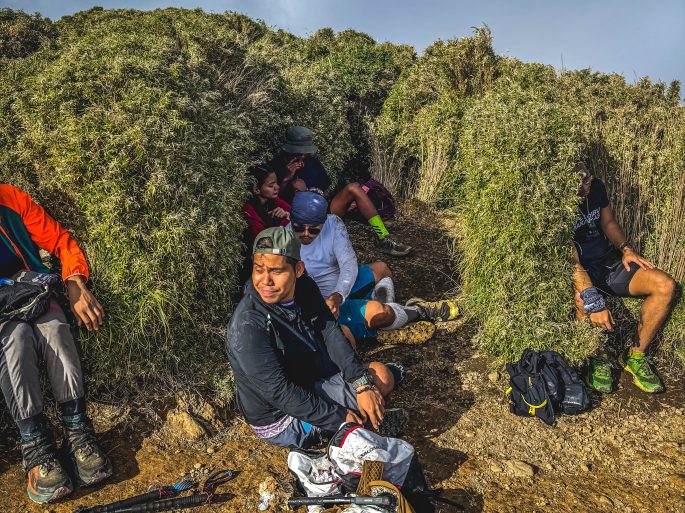
Difficulty rating? 100/9.
Total distance: 23 KM traverse.
This trail is not for beginners. You need serious preparation, experience, and respect for the mountain. Multi-day hikes would be ideal—but a dayhike demands extreme physical and mental readiness.
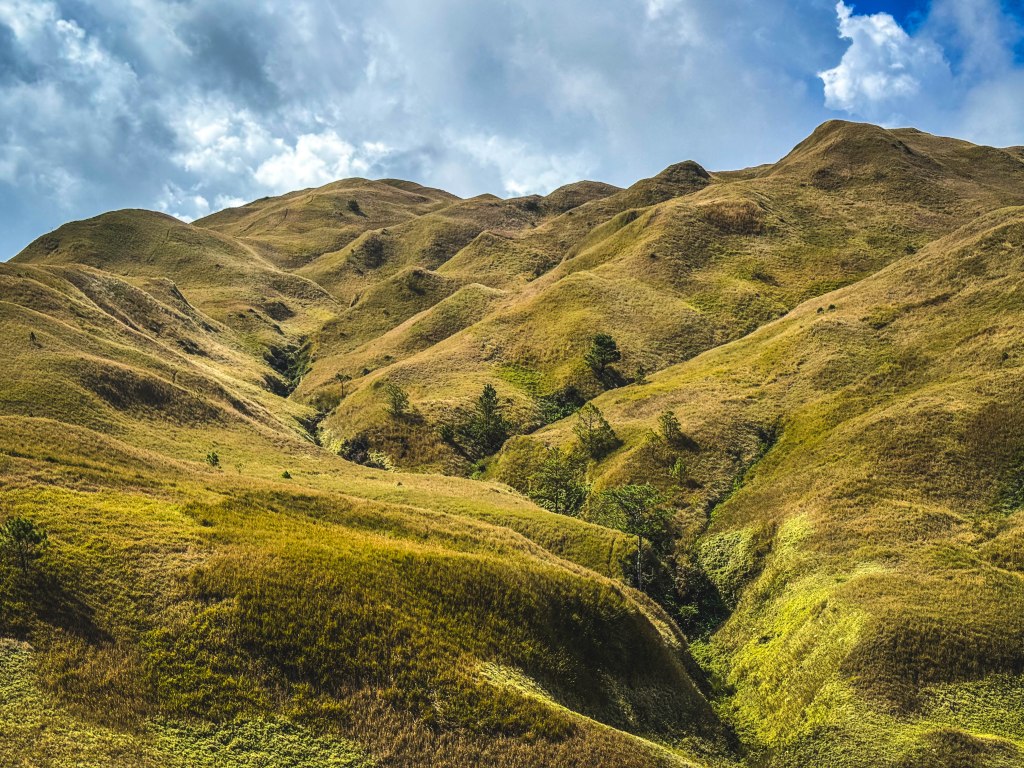
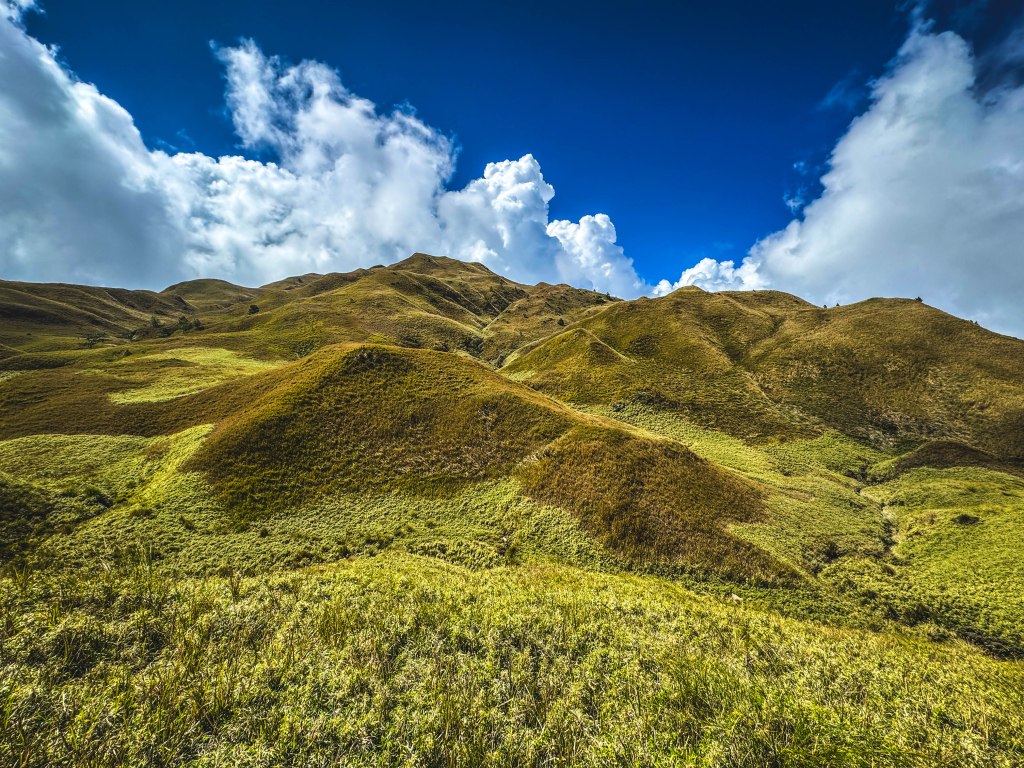
Expect long assaults, endless crawling, slippery moss, waterfalls, loose rocks, thorn scratches, unlimited limatik, steep ridges, and exposed cliffs.
Because nothing beats a well-prepared hiker.
FINAL THOUGHTS
Was it worth it? Definitely.
Hiking allows me to temporarily leave behind work, pressure, expectations—everything. In the mountains, I live fully in the present. Something we often forget in today’s fast-paced world.
Despite everything, I still call this a chill adventure—because it gave me joy, memories, and something I’ll treasure forever until the day I die.

Would you dare to dayhike Mt. Pulag via Tinoc–Tawangan?
I hope this story inspires and prepares you for your own #ChillAdventures. Remember—every summit conquered is just one more step closer to your next great adventure. ⛰️💫
Till the next climb, mga ka-Ahon—see you on the trails! 🚀🌄
Frequently Asked Questions (FAQs)
1. Is Mt. Pulag via Tinoc–Tawangan Trail open to the public?
The Tinoc–Tawangan Trail is not regularly open to the public and is considered one of the most unexplored routes to Mt. Pulag. Access typically requires special permission and coordination with local authorities and experienced organizers. Always confirm trail status before planning your hike, as conditions and regulations may change.
2. Can beginners hike Mt. Pulag via Tinoc–Tawangan in a dayhike?
No. This trail is not recommended for beginners. A Mt. Pulag dayhike via Tinoc–Tawangan demands advanced hiking experience, strong physical endurance, and mental resilience. The route involves long assaults, steep ridges, exposed cliffs, mossy and slippery trails, and frequent navigation challenges.
3. How long is the Mt. Pulag Tinoc–Tawangan dayhike and how many kilometers is it?
The entire traverse covers approximately 23 kilometers, based on GPS tracking. The hike can take 18 to 20+ hours depending on trail conditions, weather, pacing, and navigation. Expect long ascents, technical descents, and extended night trekking.
4. What are the major challenges on the Tinoc–Tawangan Trail?
Hikers should prepare for:
- Endless road and forest assaults
- Thick mossy forests and fallen trees
- Steep cliffs and narrow ridges
- Slippery trails and loose rocks
- Waist-deep grasslands with sharp thorns
- Heavy limatik (leech) infestation
- Night trekking with limited visibility
This trail is physically exhausting and mentally demanding, even for seasoned hikers.
5. What preparation and gear are essential for this Mt. Pulag route?
Proper preparation is critical. Essential gear includes:
- Headlamp with extra batteries
- Long-sleeved clothing and leg protection
- Anti-leech socks or salt spray
- Trekking poles for balance
- Adequate food, water, and electrolytes
- Weather-appropriate layering
- Strong mental preparation and teamwork
Joining an experienced group with local guides is highly recommended for safety.


 Chill Adventures with Joms