

“Where there is danger, there also grows what saves us.”
— Martin Heidegger
This hike sat quietly in my drafts for far too long.
It was an adventure I organized with my closest hiking friends from Mindanao—a journey I took less than a month after losing my 96-year-old grandmother. Deep inside, I missed her terribly. But I held on to the thought that she was already in gentle hands, resting in peace.
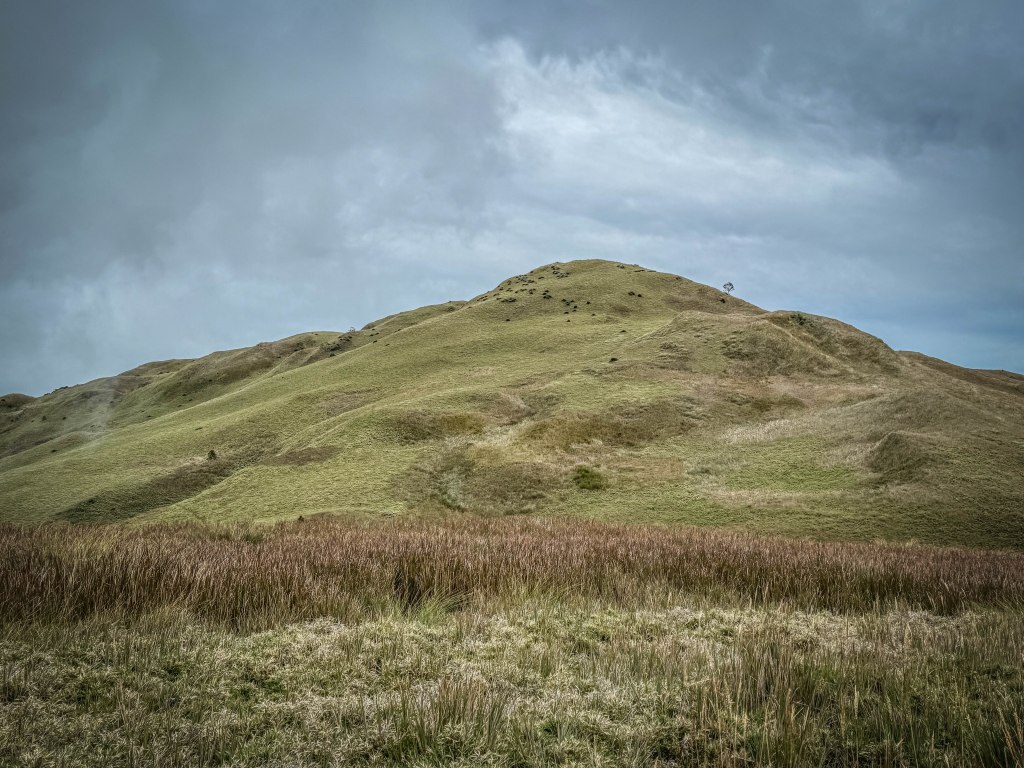
This wasn’t your typical day hike. It was a 2 days, 1 night climb to Mt. Pulag, the highest peak in Luzon, via the Akiki–Ambangeg Trail—shared with some of the best people I’ve met in my hiking journey.
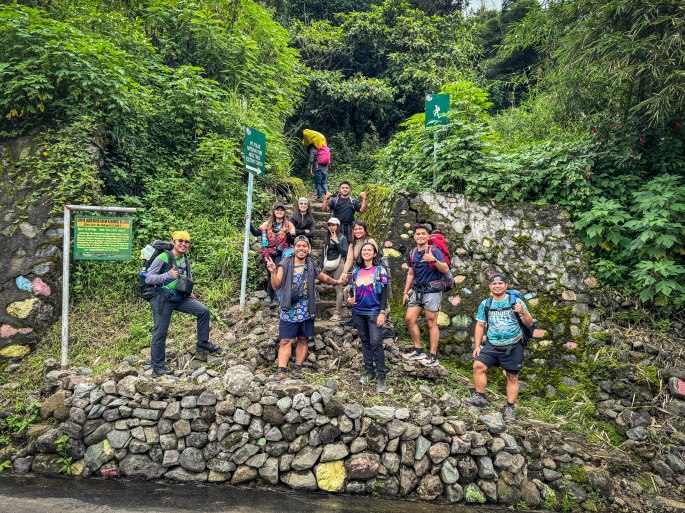
So much has already been written about Mt. Pulag. Still, here’s our story—walk with me through the Time, Trail, and Toil of this unforgettable chill adventure.
TIME & TRAIL
There were only nine of us on this climb, led by our hike coordinator Rhyle, a chef and passionate mountaineer from Lakbay-Gabay Adventures. We left Greenfields, Mandaluyong—our usual pickup point—almost 11:00 PM.
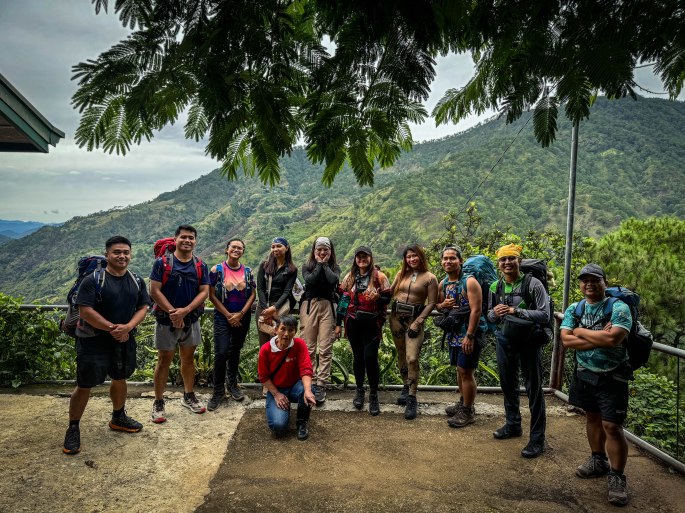
After nearly 10 hours of travel, we finally arrived at the jump-off point via the Akiki Trail.
We registered with local tourism and immediately headed toward the trailhead. Even before the real hike began, the mossy, slippery stairs leading to Akiki Trail headquarters gave us a taste of what was ahead.
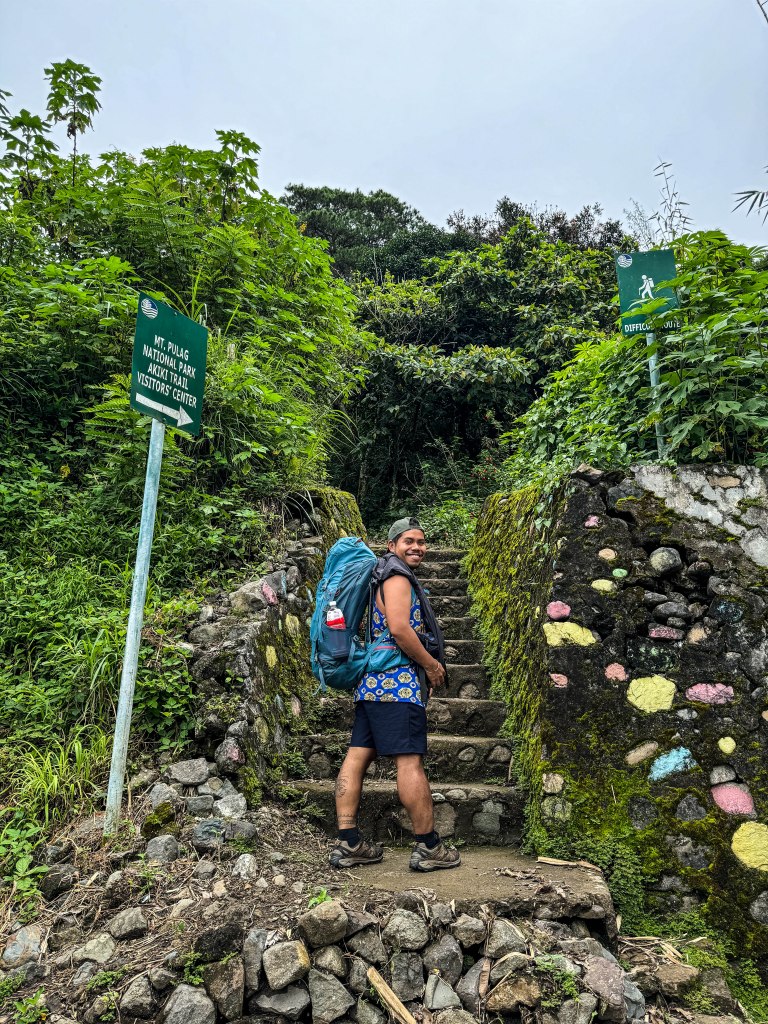
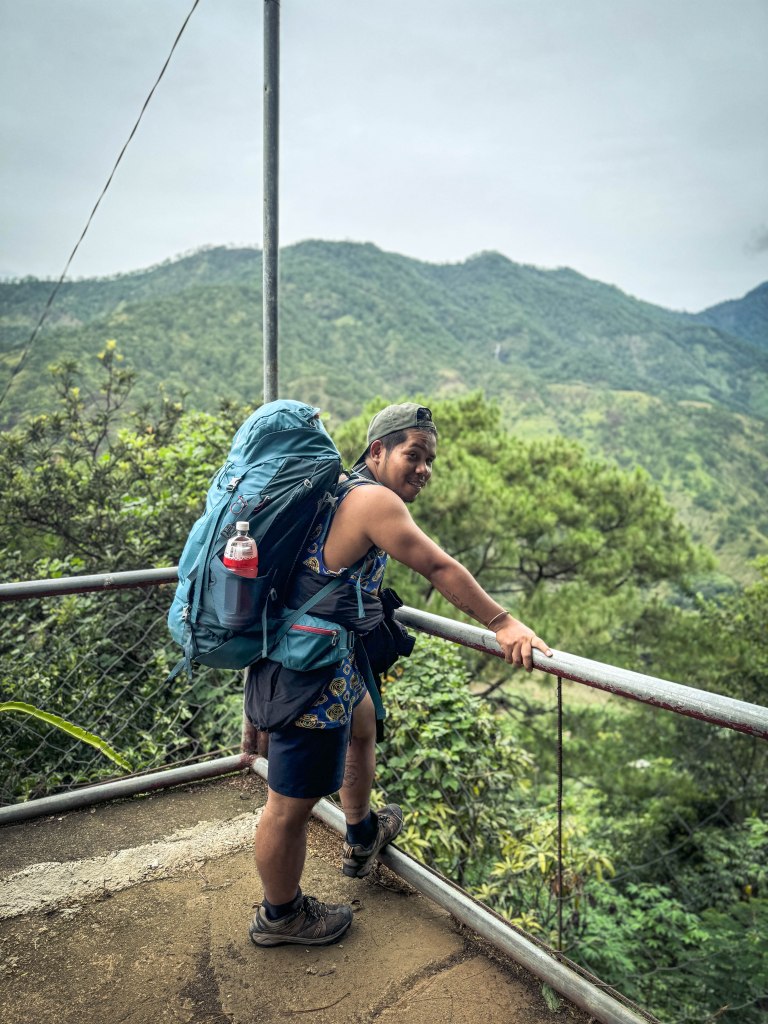
We were excited—curious about what this hike would reveal. Akiki is known as a “killer trail,” famous for its relentless ascents and marks as 7/9 trail difficulty. And true enough, the mountain wasted no time welcoming us with a steep climb right from the start.
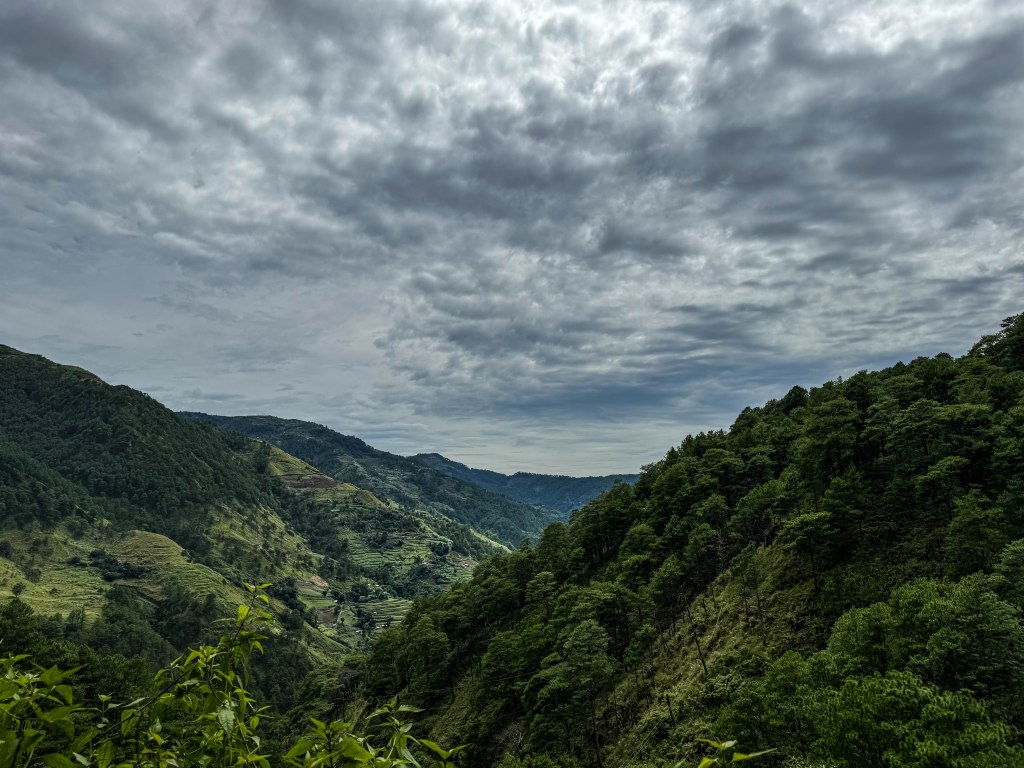
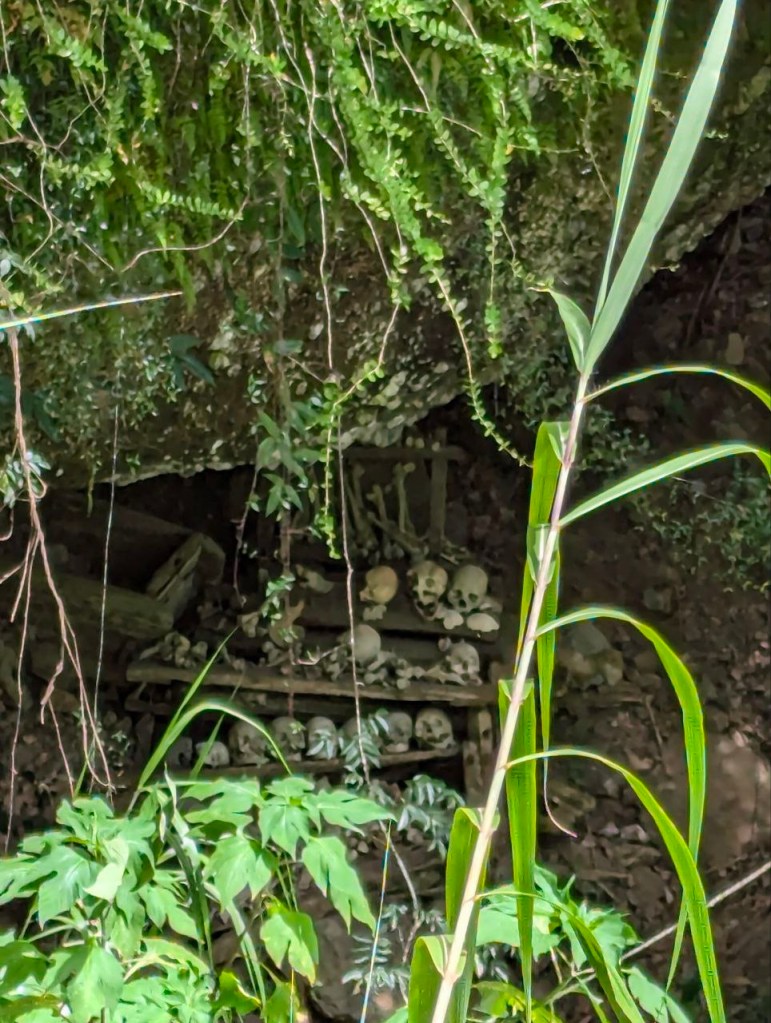

We met our guides at the first ranger station, redistributed our food, and prepared ourselves mentally. The weather was clear—a hopeful sign for a good sunrise. I wore a quick-dry sando and carried more than 10kg backpack.
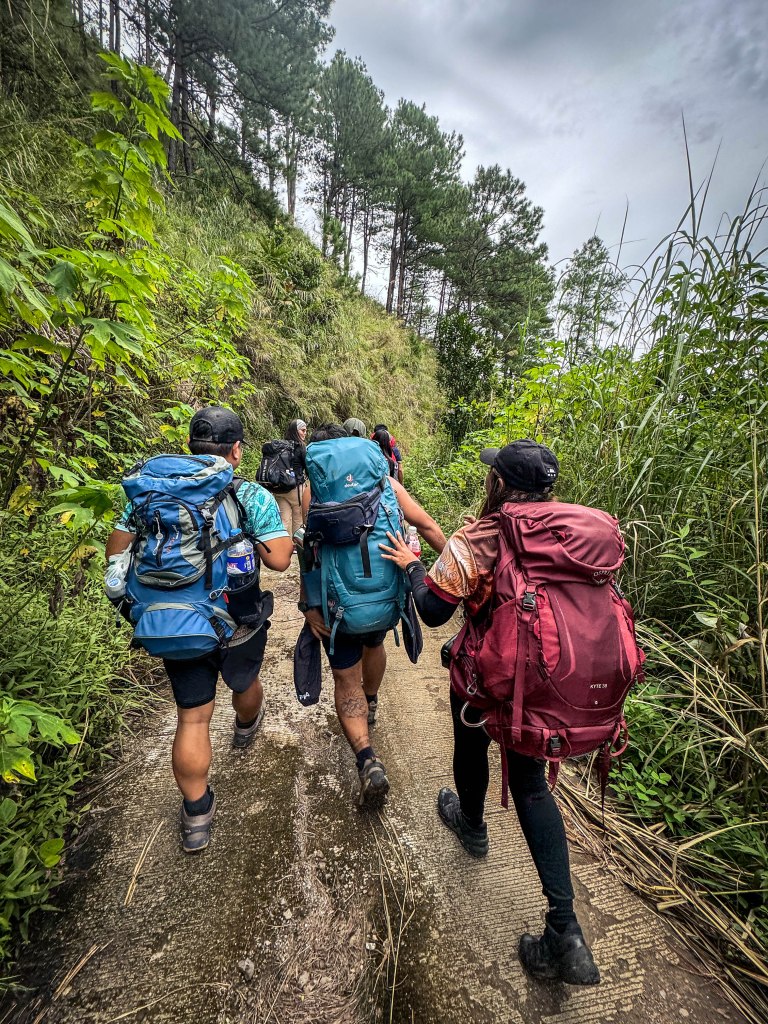
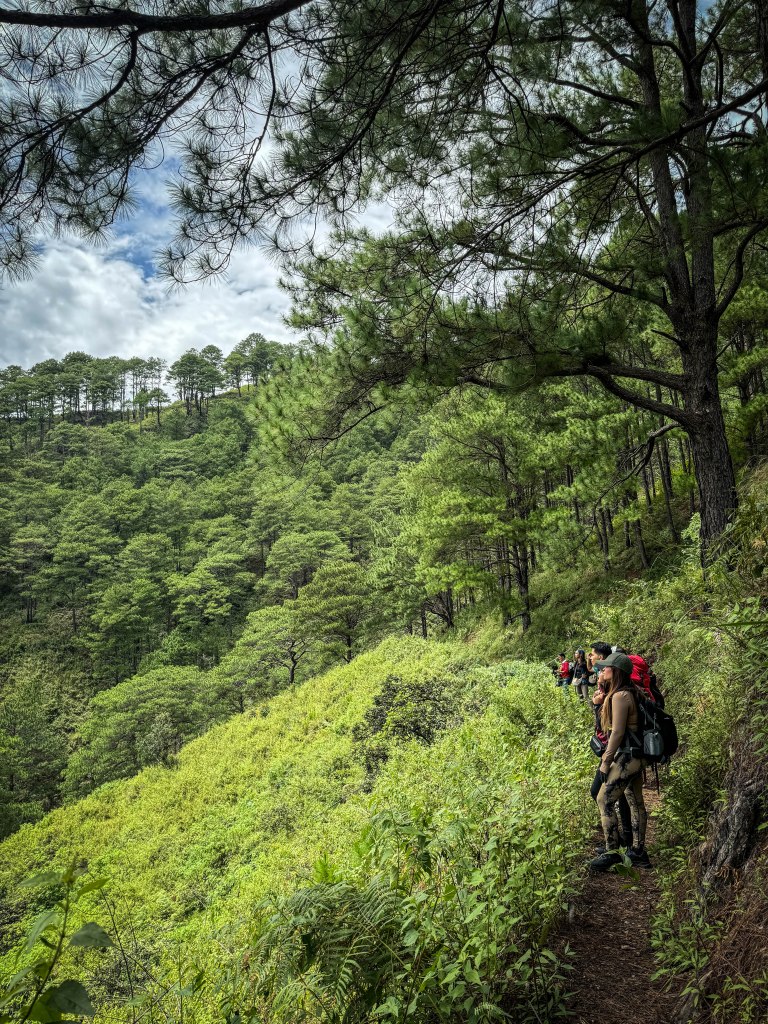
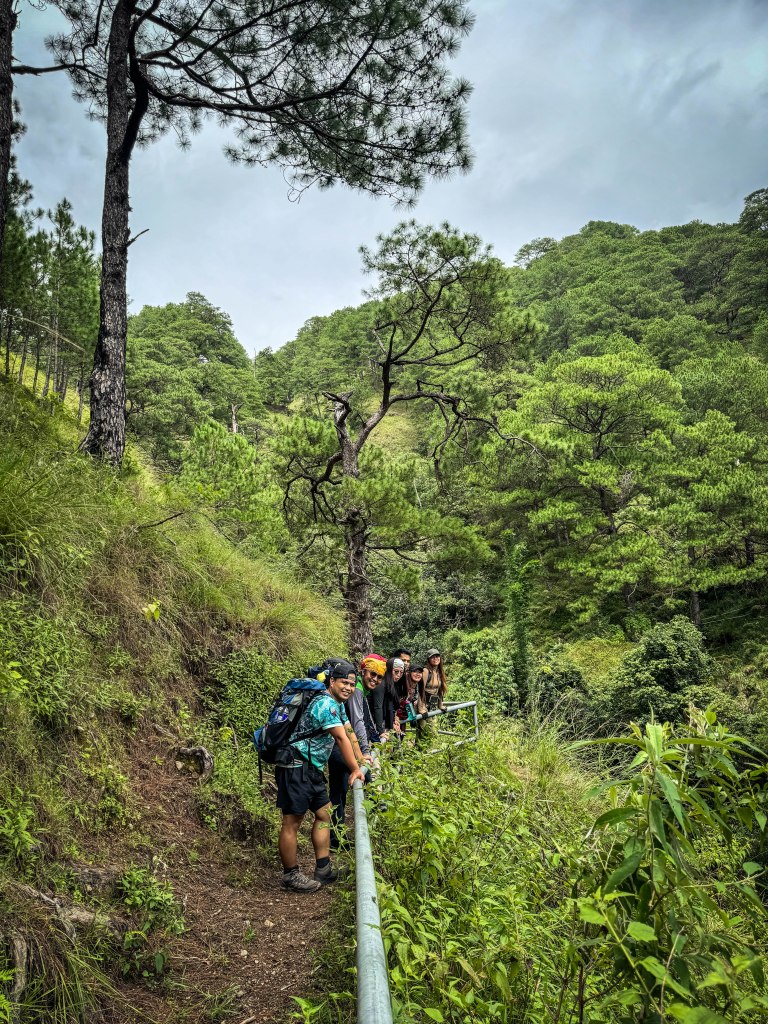
By almost 11:00 AM, we officially began our hike. Our guide warned us that reaching the campsite would take about 8 hours at an average pace.
The trail was a mix of stairs, muddy sections, and moss-covered paths. Despite the midday heat, towering pine trees and cold mountain breezes made the climb bearable. Along the way, we were rewarded with stunning views of the Cordillera mountains.
We took breaks at ranger stations, had lunch, and after more than two hours, descended toward a steel hanging bridge—where the real challenge began.
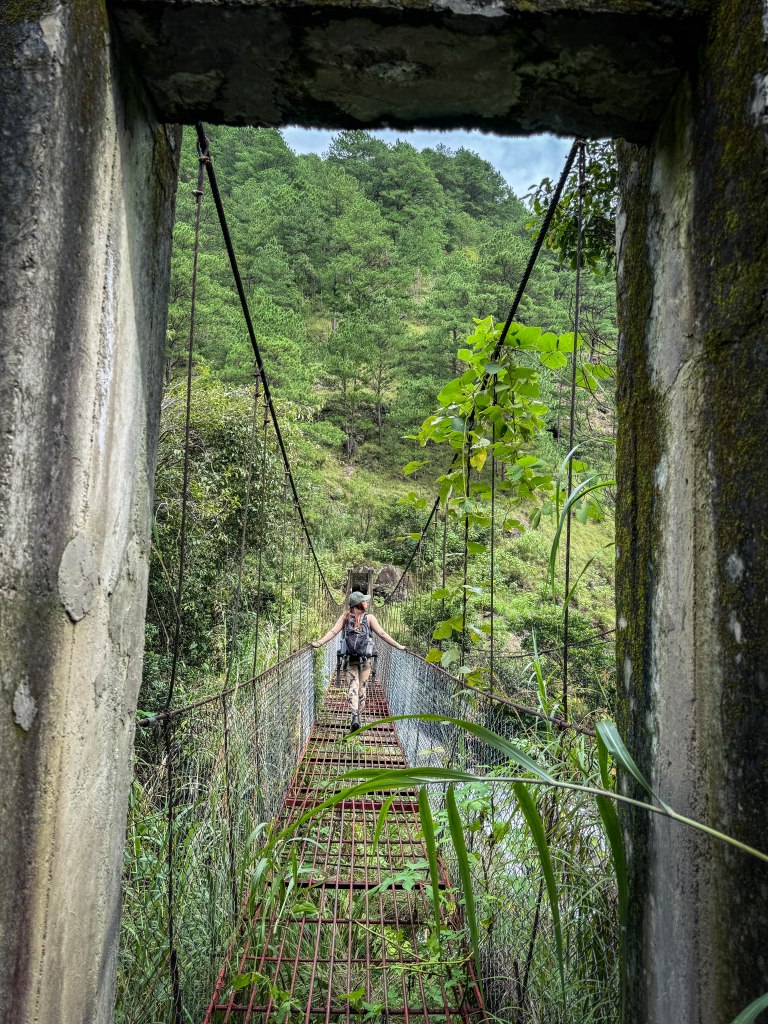

Battling my fear of heights, I crossed the bridge slowly while my friends paused for photos. We weren’t rushing. Despite Akiki’s reputation, we chose to enjoy every step.
From there, the true Akiki assault began—a long, unforgiving climb toward the campsite.
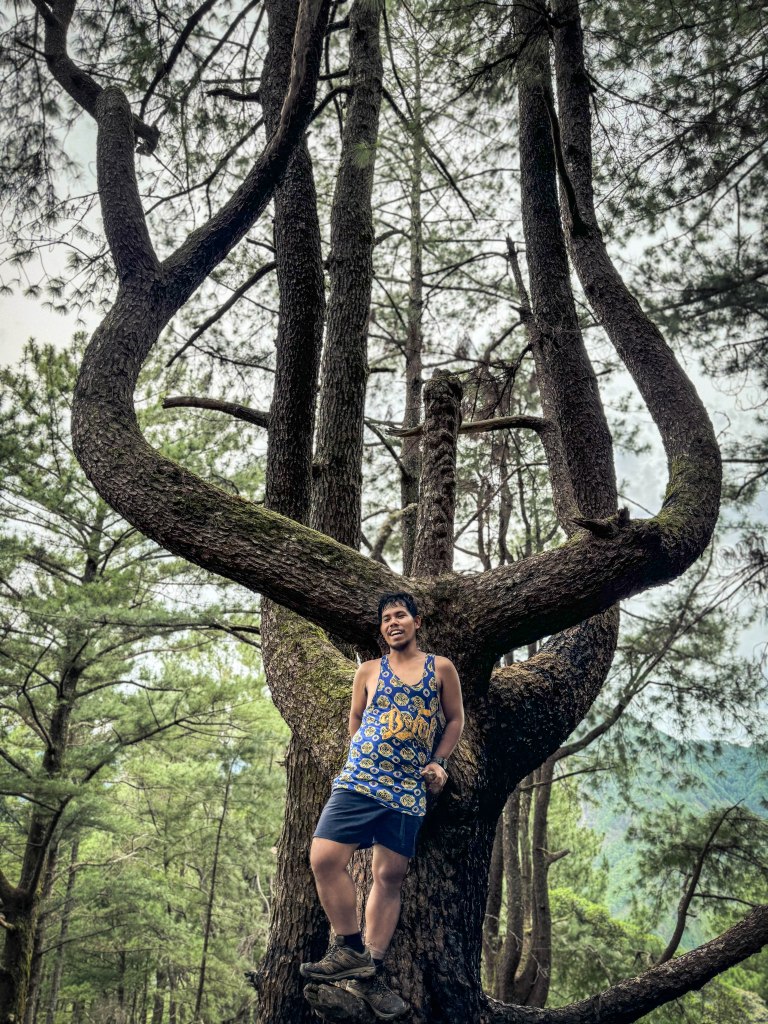


Our guide reminded us to move at our own pace. We had two days to complete the trail, but time was still important. By 3:00 PM, we were focused on reaching camp before dark, especially with heavy packs.
The ascent was steady and exhausting. Breathing became harder, legs heavier. After nearly three hours of continuous climbing with only short breaks, we reached the campsite around 6:00 PM.
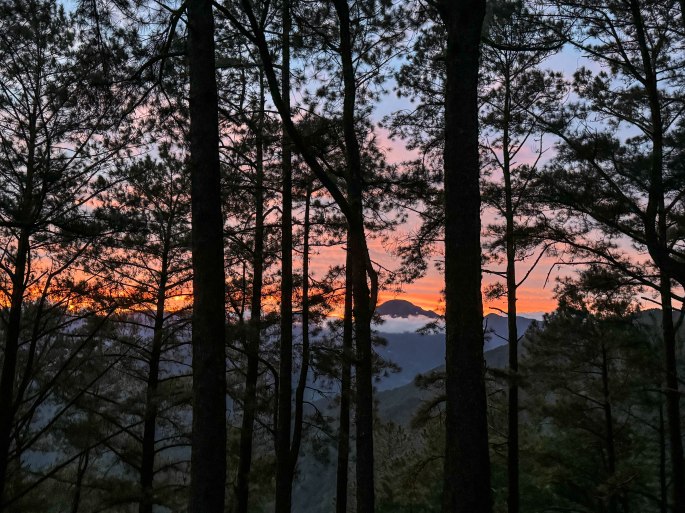
It was just us there. We stayed inside the ranger cabin, surrounded by silence and freezing air.
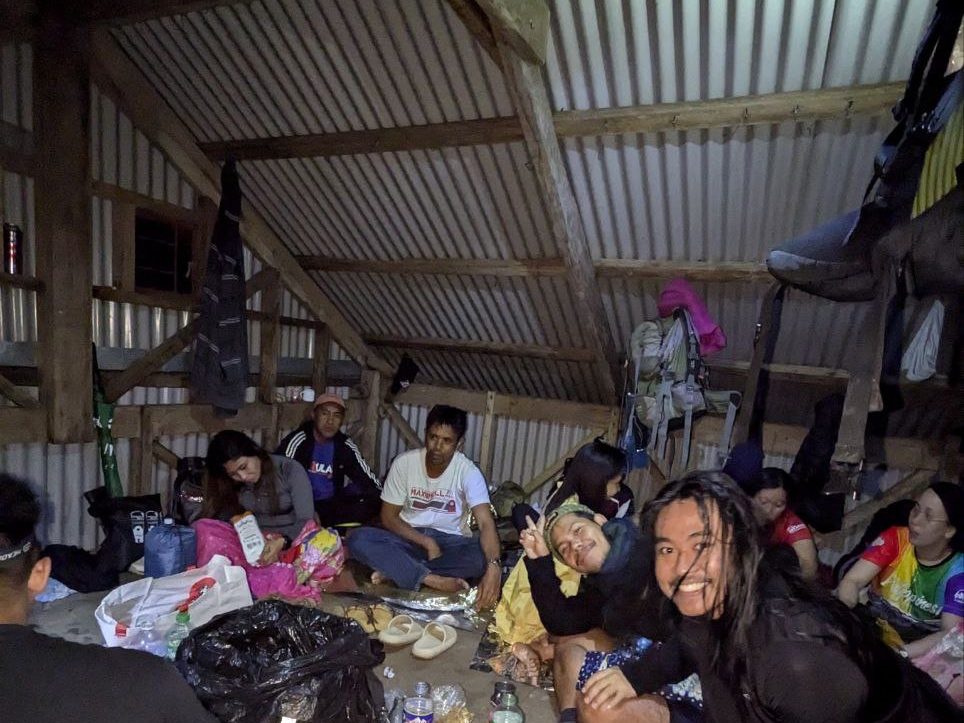
Our coordinator told us we were only 2–3 hours away from the summit, but we had to wake up early. That night, we shared a warm dinner, a few drinks, laughter, and stories—then rested.
SUMMIT DAY
We woke up past 2:00 AM and began our summit push at 3:00 AM, hoping to catch the sunrise.
The wind was brutally cold. I layered up, but as soon as we started climbing, my body warmed up and I shed extra layers. Nature called, and I had to stop—leaving me alone on the trail.
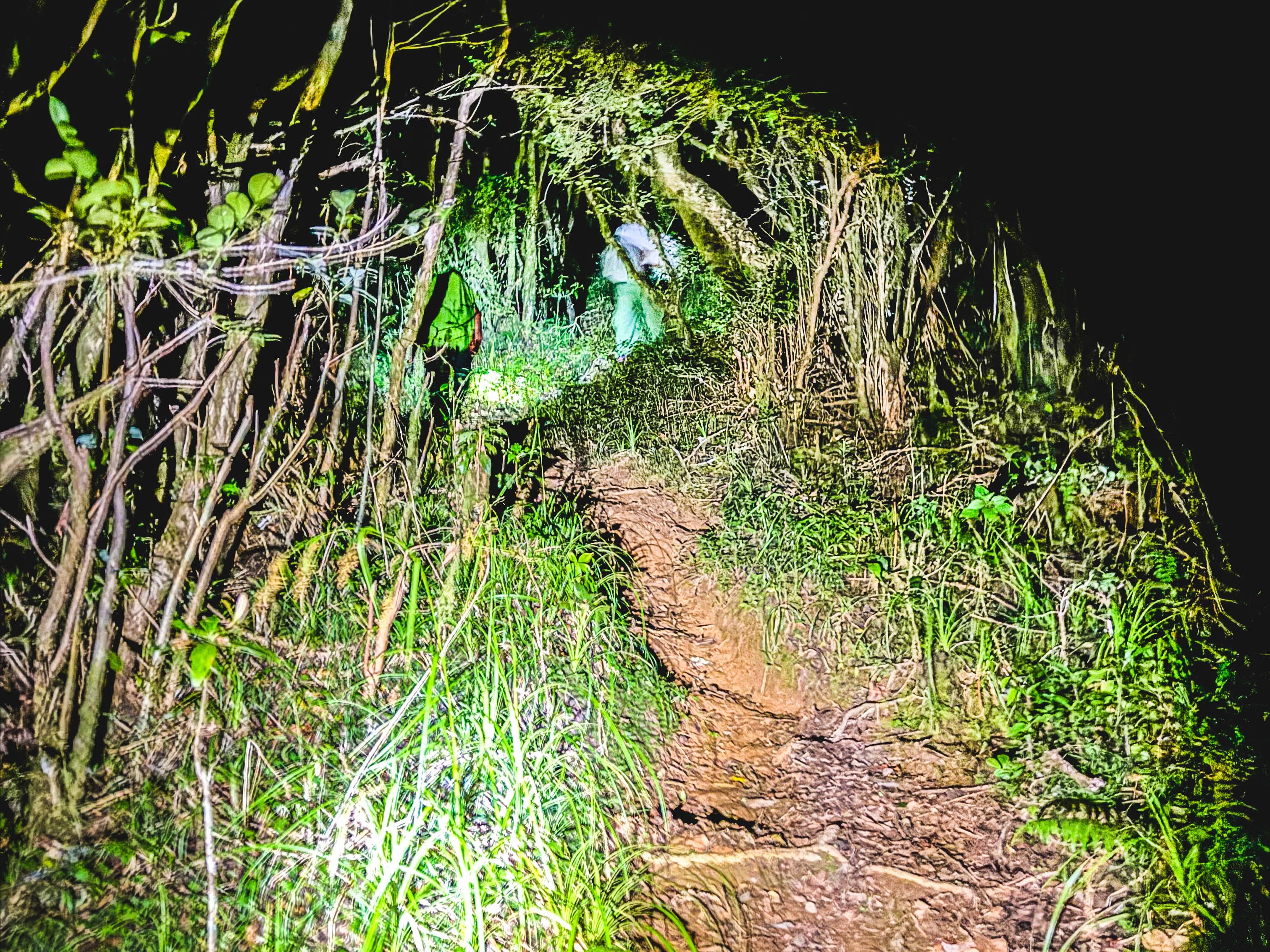
As dawn approached, the wind grew stronger. Clouds crept in, and light rain began to fall. After an hour of gradual ascent, we entered the mossy forest—dark, damp, and eerie.
I was still alone. My imagination ran wild, filling the silence with imagined creatures. But I kept walking. One step at a time.
After two hours, I caught up with the group just as we exited the mossy forest and entered open grasslands. The climb continued—slow, steady, and seemingly endless.
By past 5:00 AM, the cold was biting hard. The wind howled. Stopping wasn’t an option—we had to keep moving to stay warm.
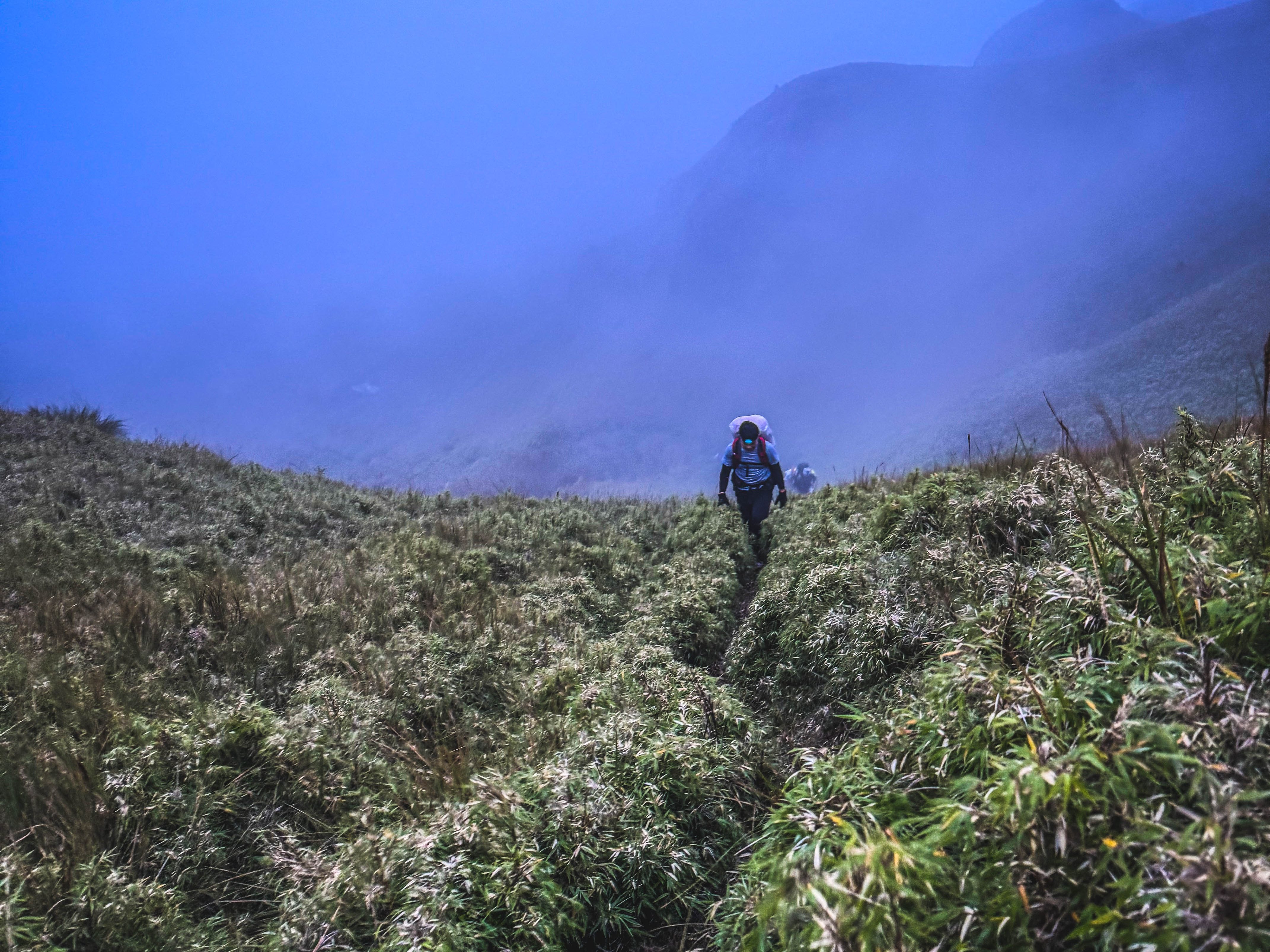
Determined, we pushed on.
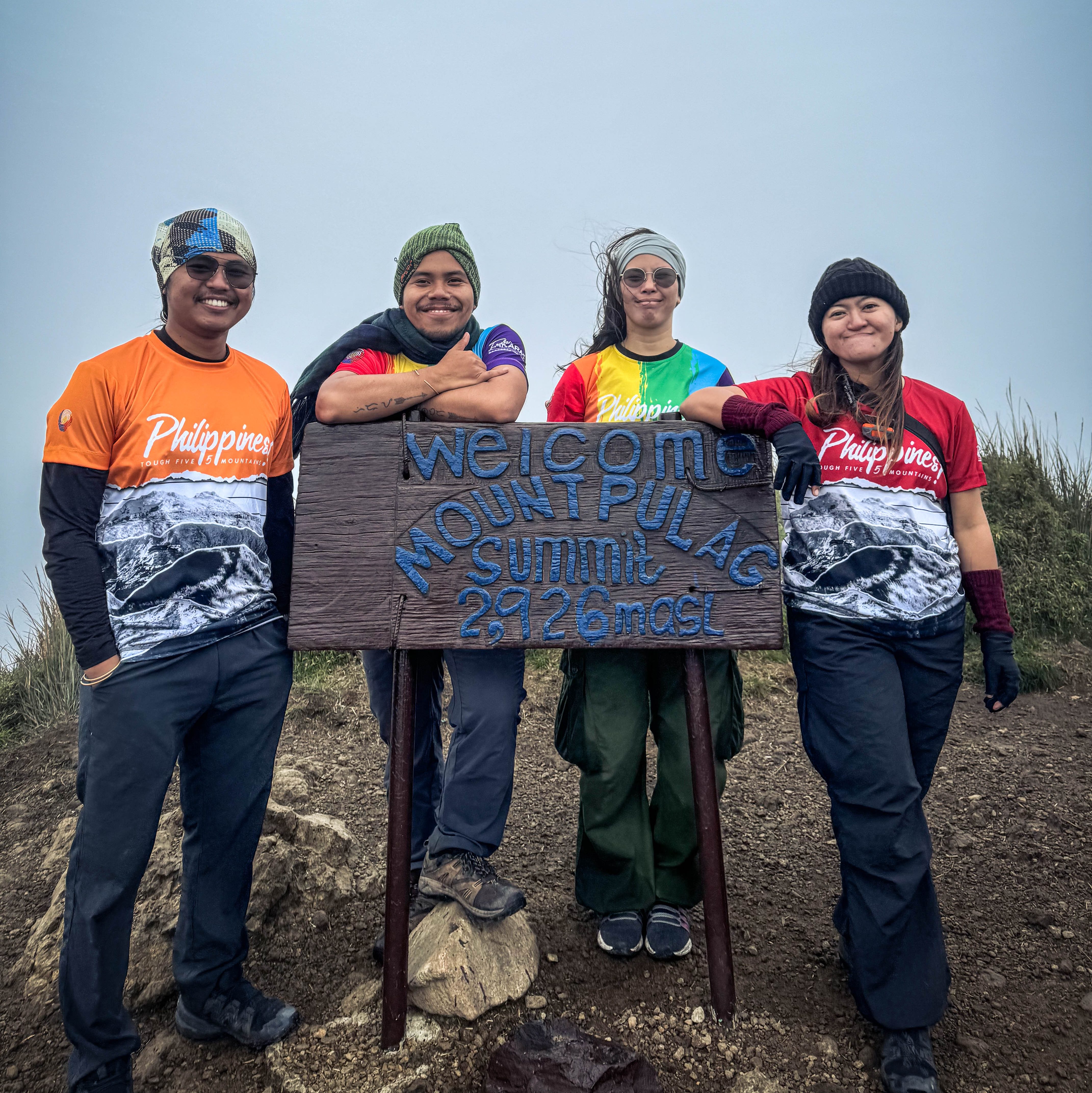
Finally, after relentless ascents, we reached the summit of Mt. Pulag past 6:00 AM.
There was no sea of clouds—just powerful wind and freezing cold. It was so strong it nearly knocked me over. We stayed only for a few minutes as the summit quickly grew crowded.
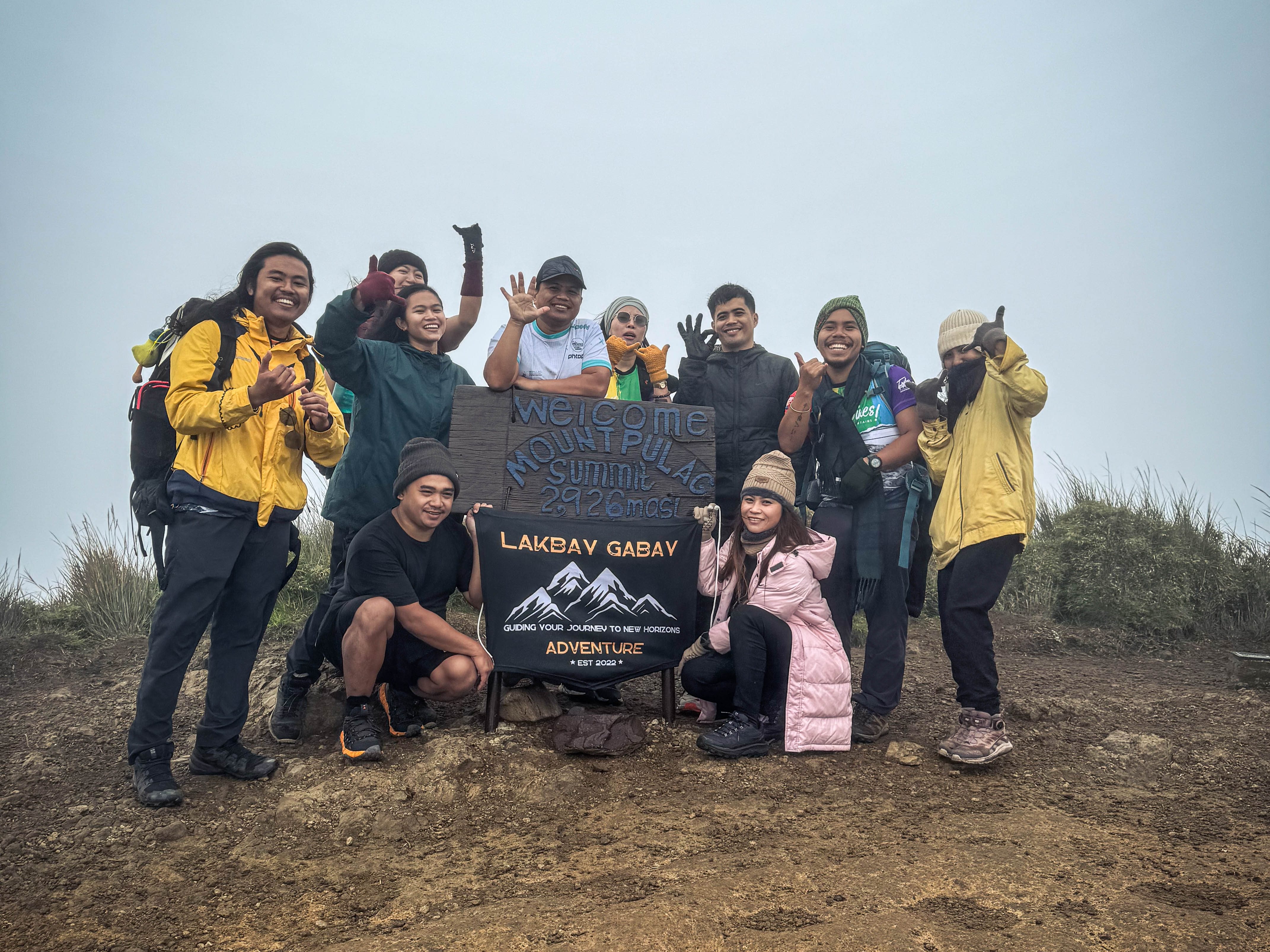
Then we descended via the Ambangeg Trail—a well-established, beginner-friendly path that felt almost runnable after Akiki’s brutality.
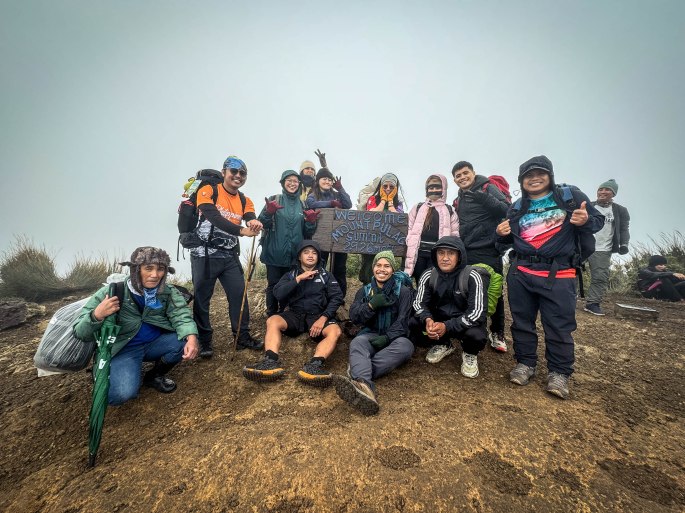
Before 10:00 AM, we reached the Ambangeg jump-off point and celebrated with our long-awaited bowl of hot noodle soup—fuel before heading to our next northern adventure.
TOIL: IS THE AKIKI TRAIL REALLY A KILLER?
Is it easy? Does it deserve its reputation as a killer trail?
Absolutely.
The relentless ascents will test your lungs, legs, and mental strength. If you’re not used to long, exhausting climbs with heavy packs, you’ll need to think twice. Carrying a 10kg backpack made it even tougher.
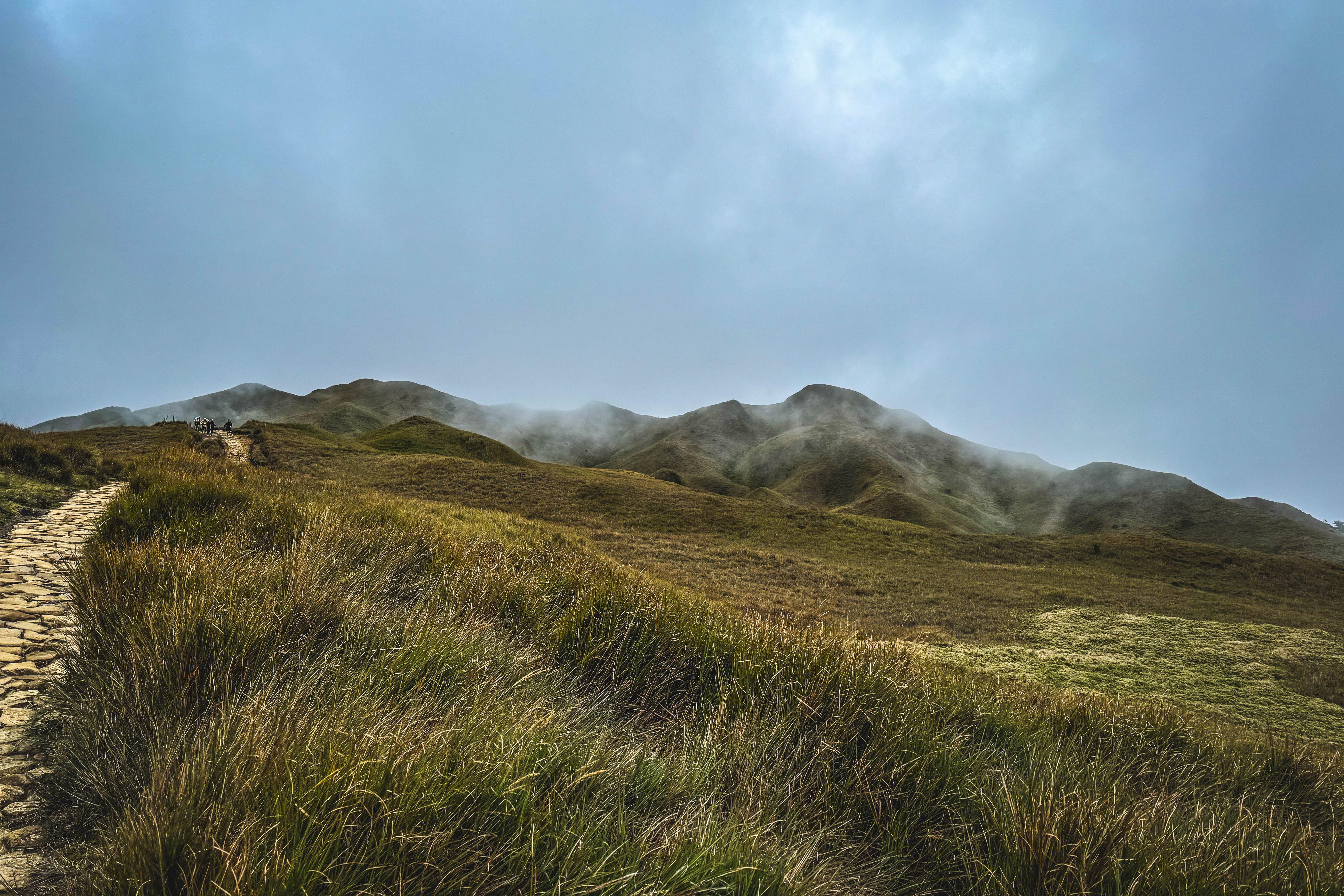
I admit—I’m an overpacker. And it’s still something I’m learning to improve.
Online sources rate the Akiki Trail at 7/9 to 8/9 difficulty, which I agree with. With proper conditioning, a balanced diet, and regular exercise, it can still be a good introduction to major hikes.
Just prepare for:
- Continuous, unforgiving ascents
- Cold and unpredictable weather
- Physical and mental exhaustion
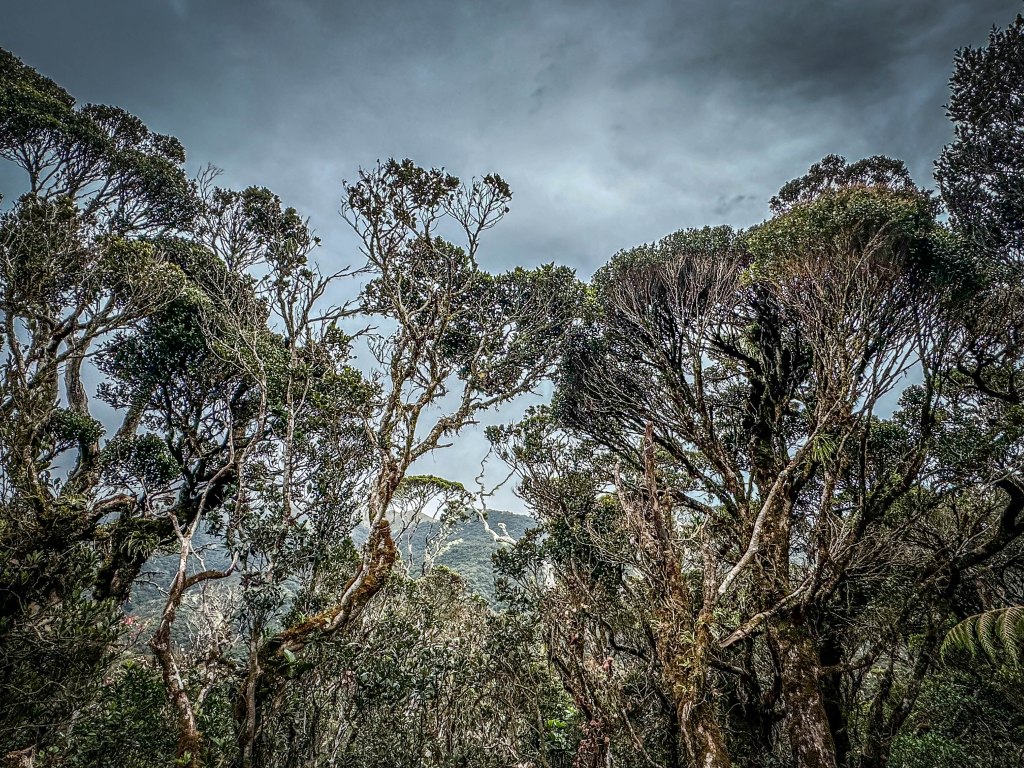
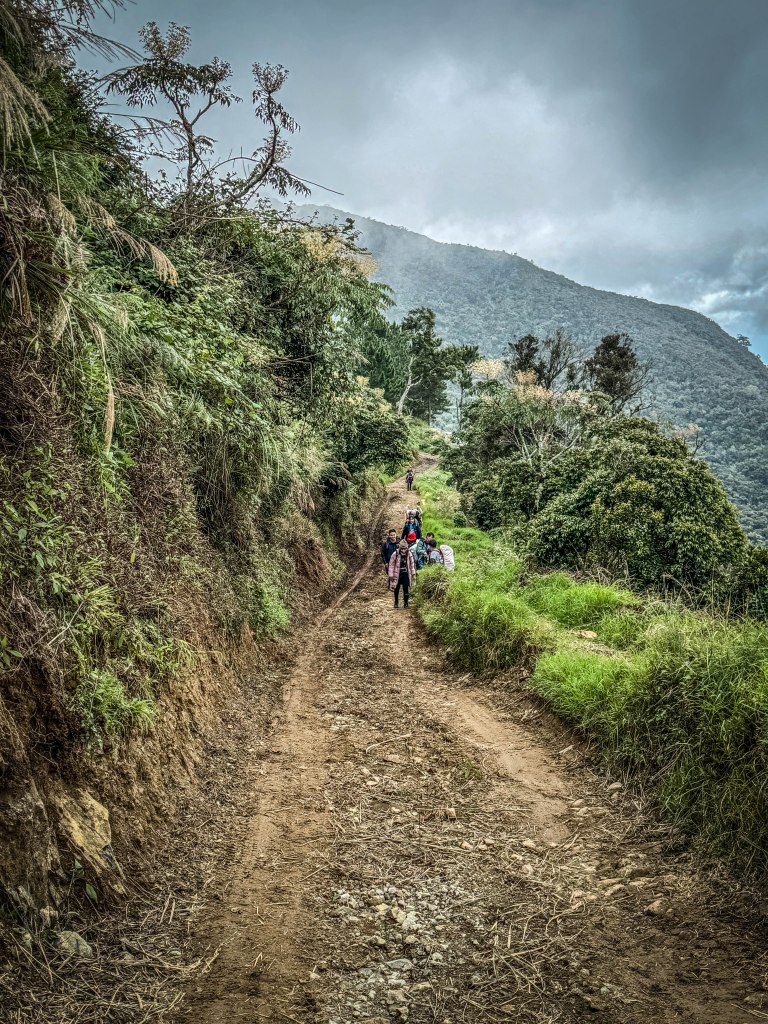
The trail isn’t highly technical—but the climb never seems to end. Thankfully, we encountered no limatik, which made it far more manageable.
FINAL THOUGHTS
There are definitely harder mountains out there. Maybe this was just my experience.
I share these stories not to scare you—but to help you prepare.
Never underestimate a mountain. Our passion for hiking can push us beyond limits, but if we want to keep climbing for years to come, we must learn to listen to our bodies.
Rest when needed. Train consistently. Eat well. Prepare properly.
That’s how you truly enjoy the mountains and the beauty they offer.
❓ Frequently Asked Questions (FAQs)
1. Where is Mt. Pulag and how do you access the Akiki–Ambangeg Trail?
Mt. Pulag is located in norther Luzon, specifically within the Cordillera Mountain range, spanning the provinces of Benguet, Ifugao, and Nueiva Vizcaya, and is the highest mountain in Luzon. The Akiki Trail starts in Barangay Duacan, Kabayan, while the descent via Ambangeg ends in Barangay Badadac, Bokod. Registration and permits are required through the local tourism office before the hike.
2. How difficult is Mt. Pulag via the Akiki–Ambangeg Trail?
The Akiki–Ambangeg route is considered a major hike with a difficulty rating of 7/9 to 8/9. The Akiki Trail is known as the “Killer Trail” due to its long, relentless ascents, while Ambangeg is a well-established, beginner-friendly descent trail.
3. How long does the Mt. Pulag Akiki–Ambangeg hike take?
A typical 2 days 1 night Mt. Pulag hike via Akiki–Ambangeg takes around 8–10 hours on Day 1 to reach the campsite and 4–6 hours on Day 2, including the summit push and descent via Ambangeg. Time may vary depending on weather, pacing, and group condition.
4. What are the main challenges on the Akiki Trail?
Hikers should expect continuous steep ascents, heavy backpack load, cold temperatures, strong winds, and long hiking hours. While the trail is not highly technical, the physical and mental demands make it challenging, especially for first-time major hikers.
5. Is Mt. Pulag via Akiki–Ambangeg suitable for beginners?
Yes—with proper preparation. Beginners who are physically active, train regularly, and prepare mentally can take on this trail. It is recommended to have prior experience with minor hikes and to prepare for cold weather, long ascents, and overnight camping.
I hope this chill adventure inspires and prepares you for your own #ChillAdventures to Mt. Pulag via Akiki–Ambangeg Trail. Remember—every summit conquered is just one more step closer to your next great adventure. ⛰️💫
For more hiking stories, travel tips, and hidden gems in the Philippines, follow Chill Adventures with Joms across all social media platforms.
Till the next climb, mga ka-Ahon—see you on the trails. 🚀🌄


 Chill Adventures with Joms
One thought on “Is Akiki Really a Killer Trail? A Chill Adventure to Mt. Pulag via Akiki-Ambangeg Trail”