

“Adopt the pace of nature: her secret is patience.”
— Ralph Waldo Emerson
Hiking has always been my therapy.
Whenever I’m mentally drained, emotionally exhausted, or silently carrying another rejection, I lace up my shoes and head for the mountains. For more than two years now, the trail has been my safe space — my reset button.
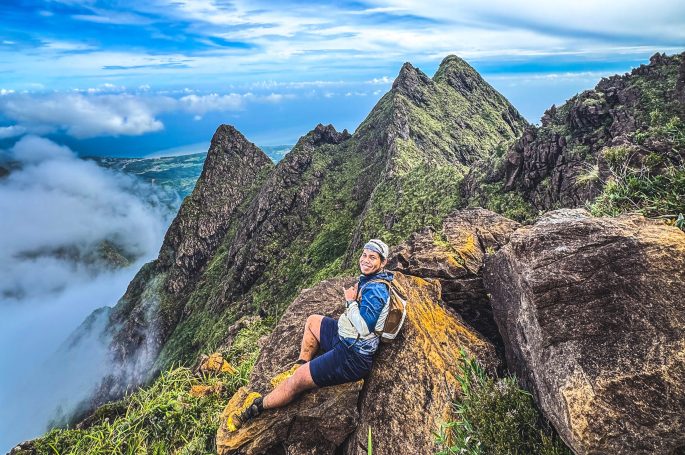
And just recently, another opportunity rejected me.
At this point, I’ve stopped asking why. Instead, I’ve started asking, Where is this redirecting me?
This blog started as an emotional outburst.
Now, it feels like a diary entry written somewhere between pain and purpose.
From Cancelled Plans to a New Calling
I was supposed to join the Ilocos Endurance Hike — but fate had other plans. It was cancelled.
Then came a message from KatKat, the only Bundokerang Pusa, offering remaining slots for the Cuyapo–Tarak Traverse, more popularly known as CuyTarak.
Last December 2025, my boyfriend and their group attempted CuyTaPan (Cuyapo–Tarak–Pantingan) but were forced to turn back due to fallen debris from the typhoon season. This time, the mountain was calling again.
And despite not feeling well — coming from a 13-hour shift, battling cough, colds, and tonsillopharyngitis (I literally had no voice) — I said yes.
No partner.
No excuses.
Just me and the mountain.
Sometimes, pain needs movement.
The Mountain Range That Keeps Testing Me
I’ve visited this Bataan mountain range twice before:
- Mount Natib (May 2024)
- Mount Mariveles – Bataan Peak (December 2024)
Both were physically demanding and mentally stretching. Both were unforgettable.
But this time?
This was going to be a 20KM+ traverse from Mt. Cuyapo to Tarak Ridge.
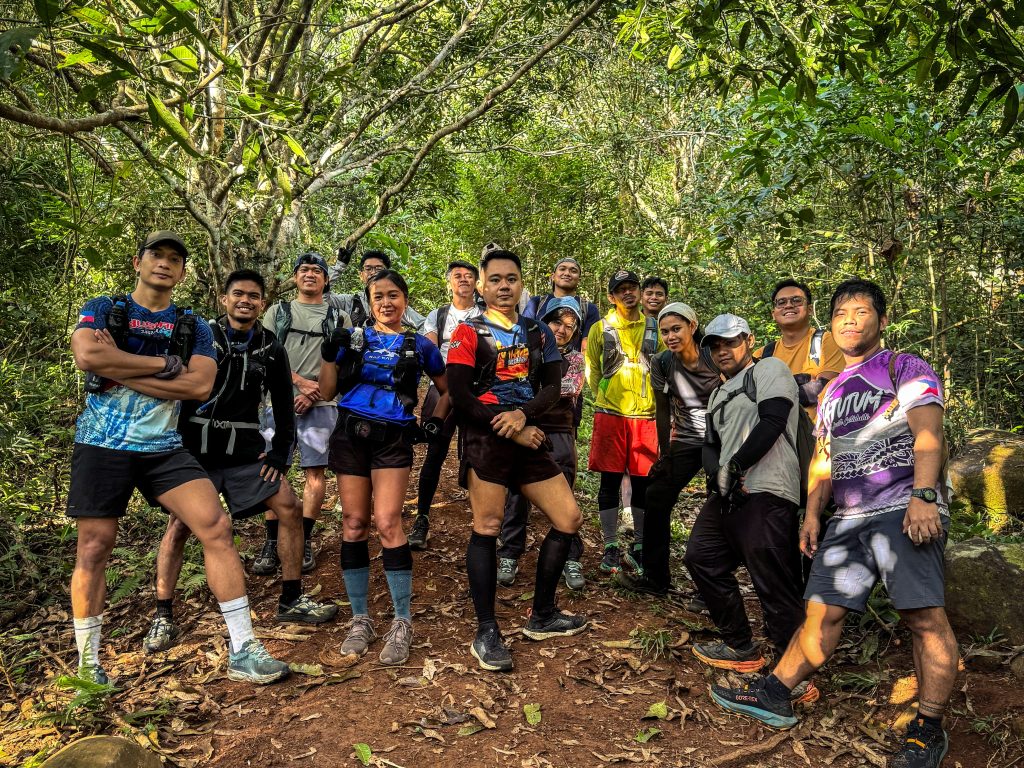
Our organizer warned us:
“This is not for the faint-hearted.”
Challenge accepted.
TIME AND TRAIL
We arrived at the jump-off near Duale, Limay, Bataan a little past 4:00 AM. The air was cold. The dogs were barking. The energy was intense.
Most joiners were trail runners and seasoned hikers. Meanwhile, I stood there voiceless and sick — volunteering to be part of the sweeper group during the briefing.
The cemented road lasted less than a kilometer before the real trail began.
And just like that, the assault started.
When Your Body Is Weak but Your Mind Refuses to Quit
The ascent was relentless.
Flat trail.
Steep climb.
Short descent.
Another climb.
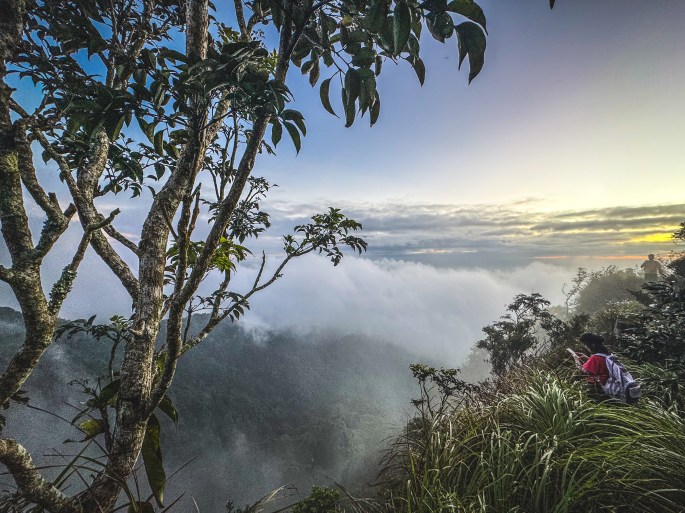
My breathing was heavy. My chest tight. But manageable.
We passed quiet communities and farmlands, careful not to disturb locals still asleep. After an hour, the trail turned more unforgiving. Continuous assaults. No mercy.
The lead group moved like lightning.
Meanwhile, I climbed slowly — gripping tree roots, steadying myself on dense forest growth that was already drying up from the approaching summer season.
Two hours later, we reached the first knife-edge ridge.
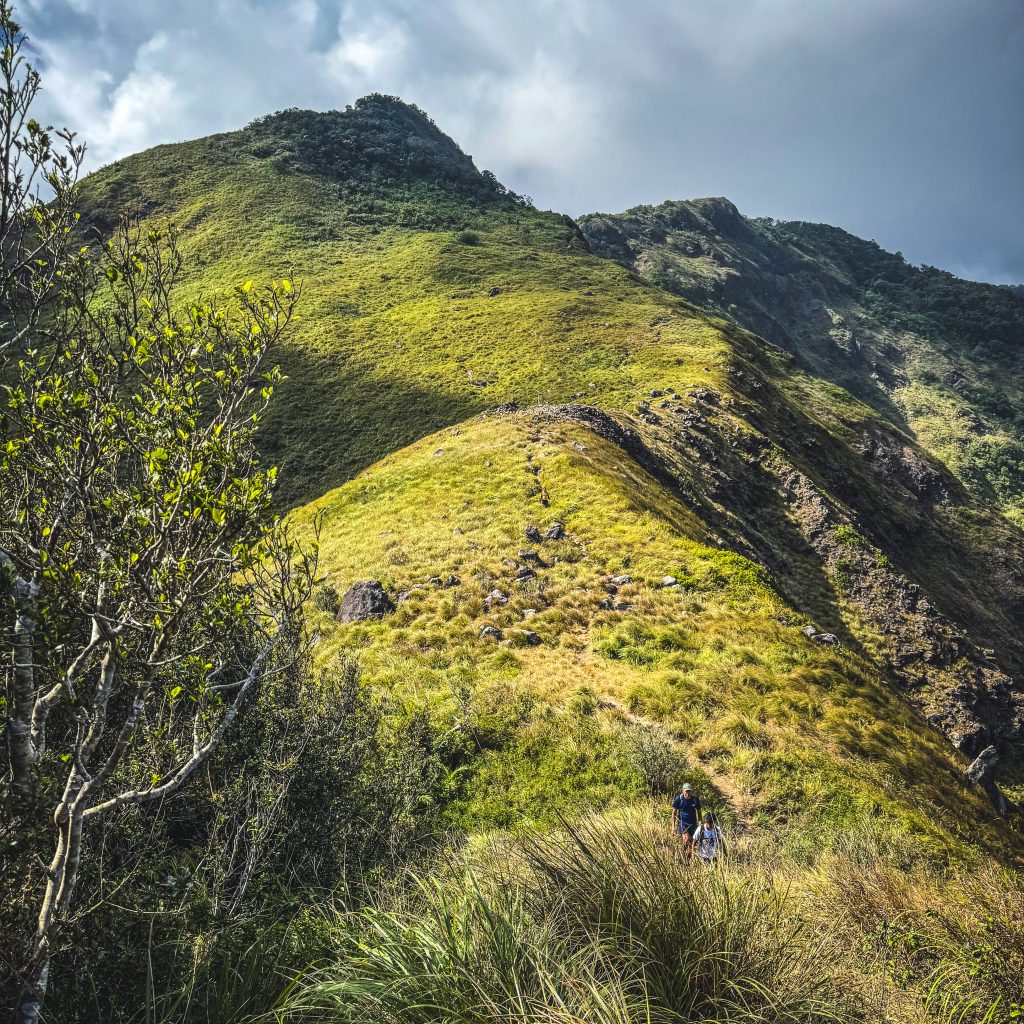
Beautiful. Terrifying.
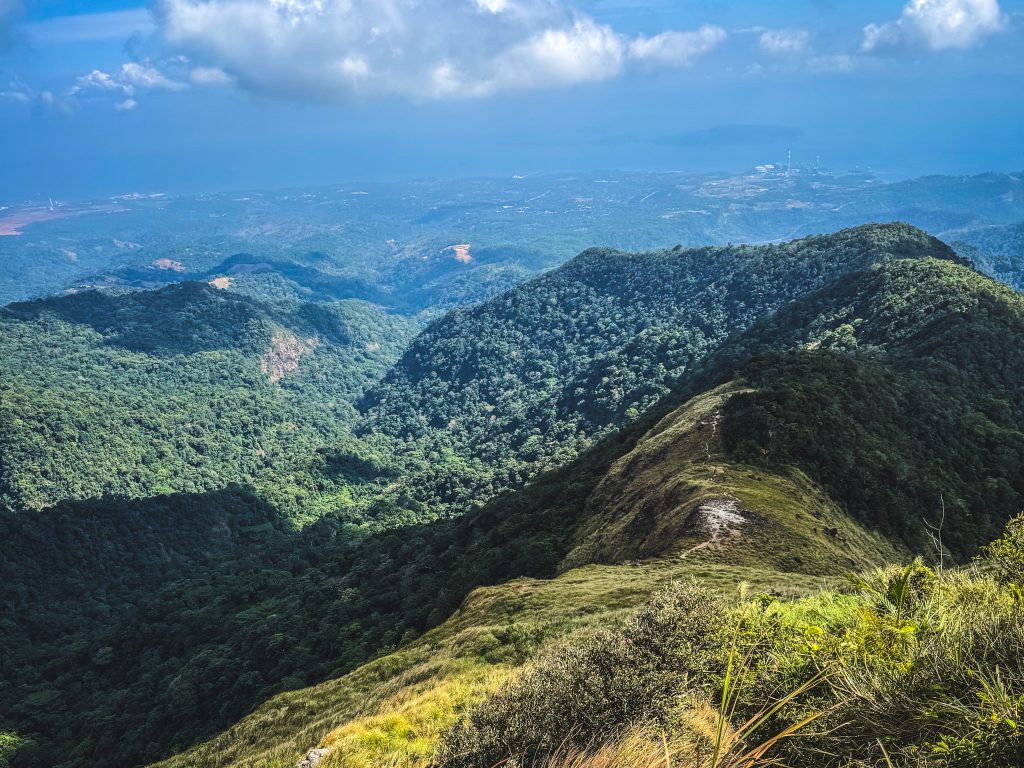
Knife-edge ridges are my weakness. My heart was racing. Every step felt like survival.
But the sunrise? Worth it.
Because we were behind schedule, we skipped the summit of Mt. Cuyapo via a shortcut — ironically overtaking the lead group because of that “cheat trail.” Small wins.
I took a quick energy bar break and continued.
A Small Reminder from Nature
Deep in the forest, something caught my eye.
A fallen Jade Vine — the flower seen on the Philippine five-peso coin.
I’ve only encountered it once before in Mount Makiling.
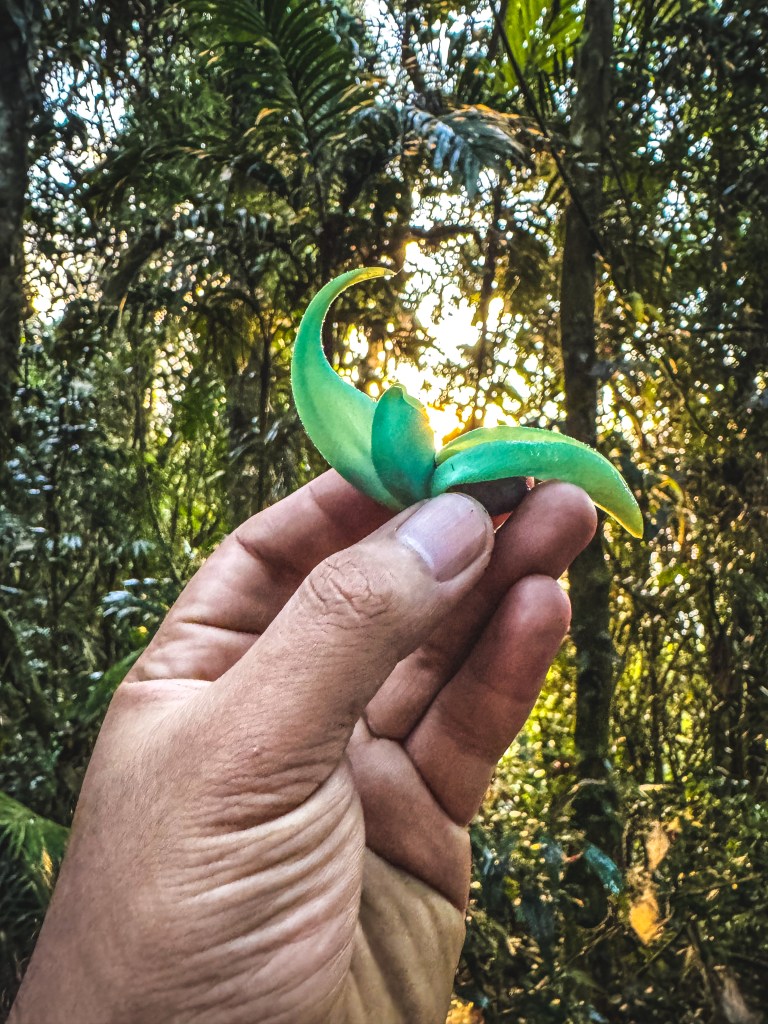
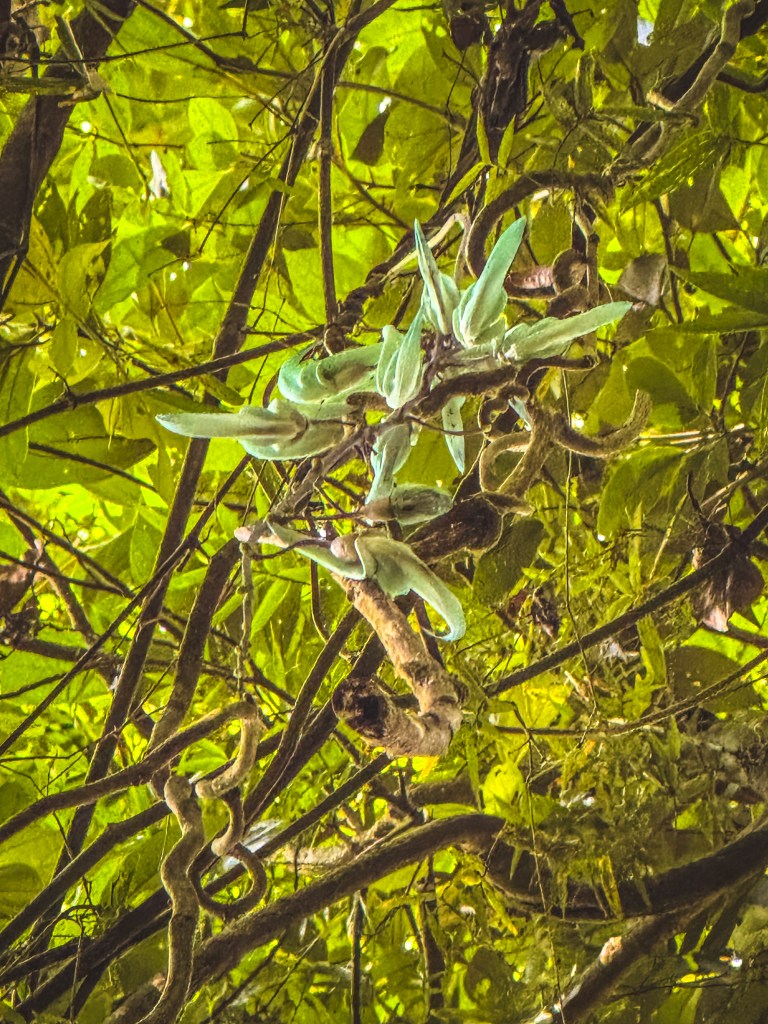
Finding it again felt symbolic.
Even when fallen, it was still beautiful.
The Longest Assault of My Life
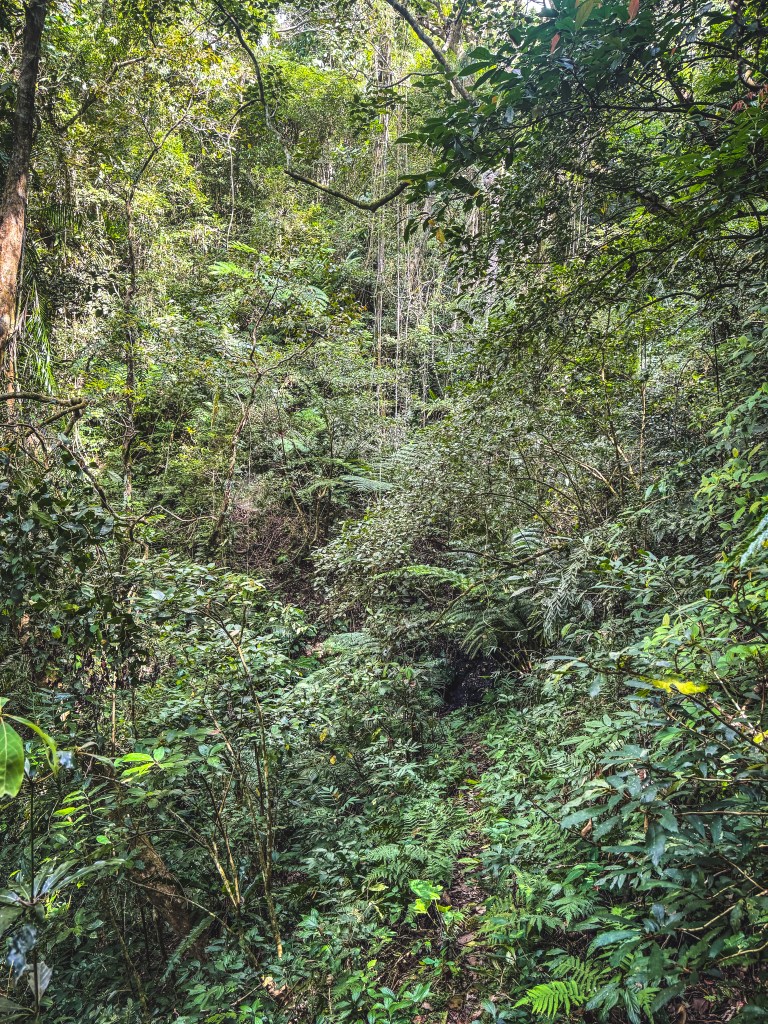
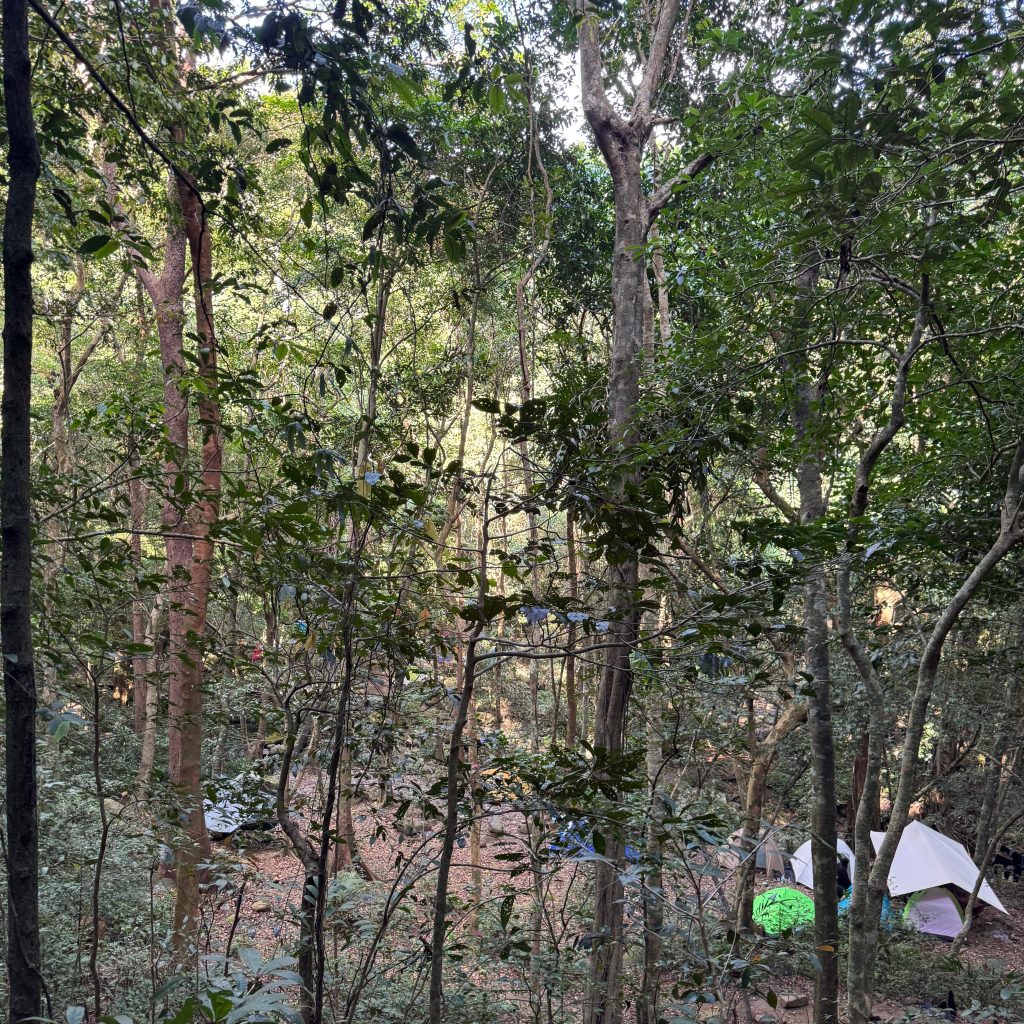
By 7:00 AM, we paused at a coconut plantation for breakfast. An hour later, we resumed — passing giant balete trees, mossy ridges, grasslands, and unfortunately, areas scarred by illegal logging.
Seeing cut trees in the Bataan mountain range — the province’s main water source — broke my heart.
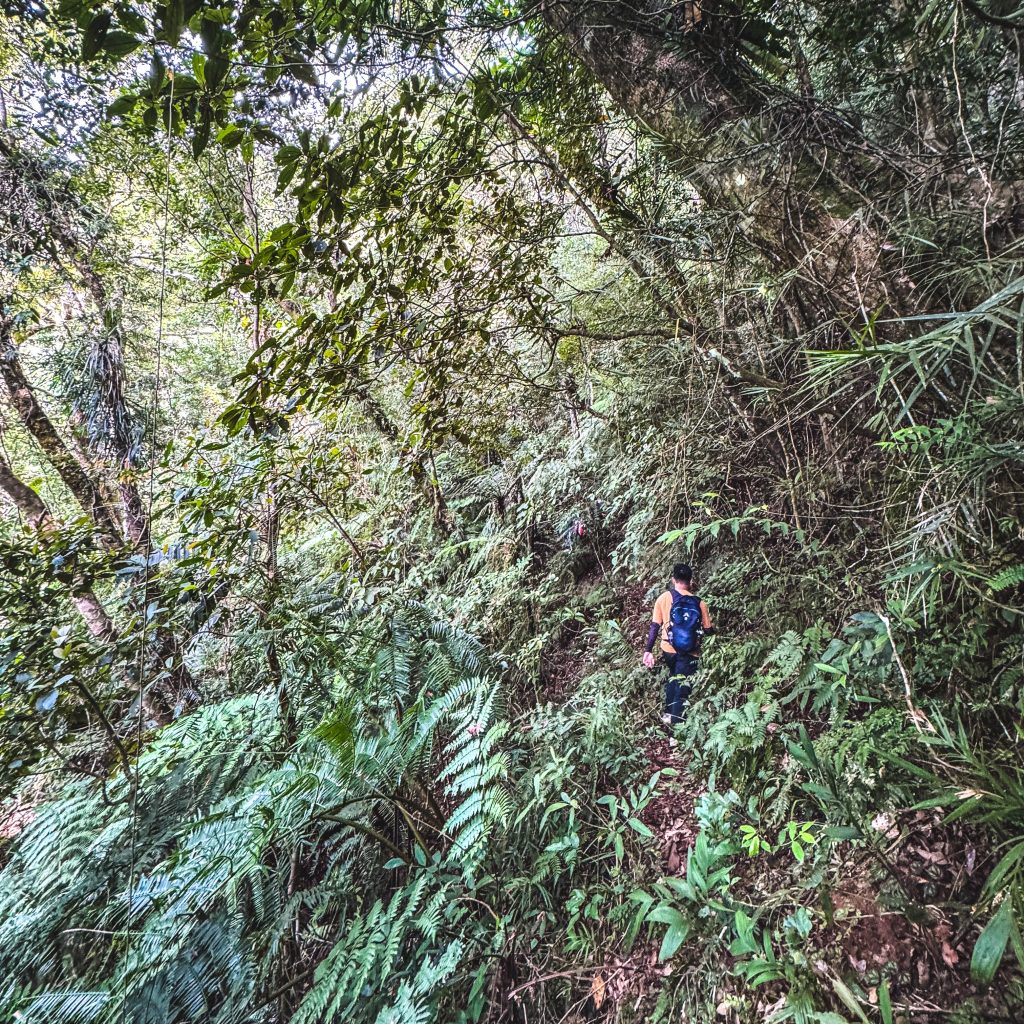
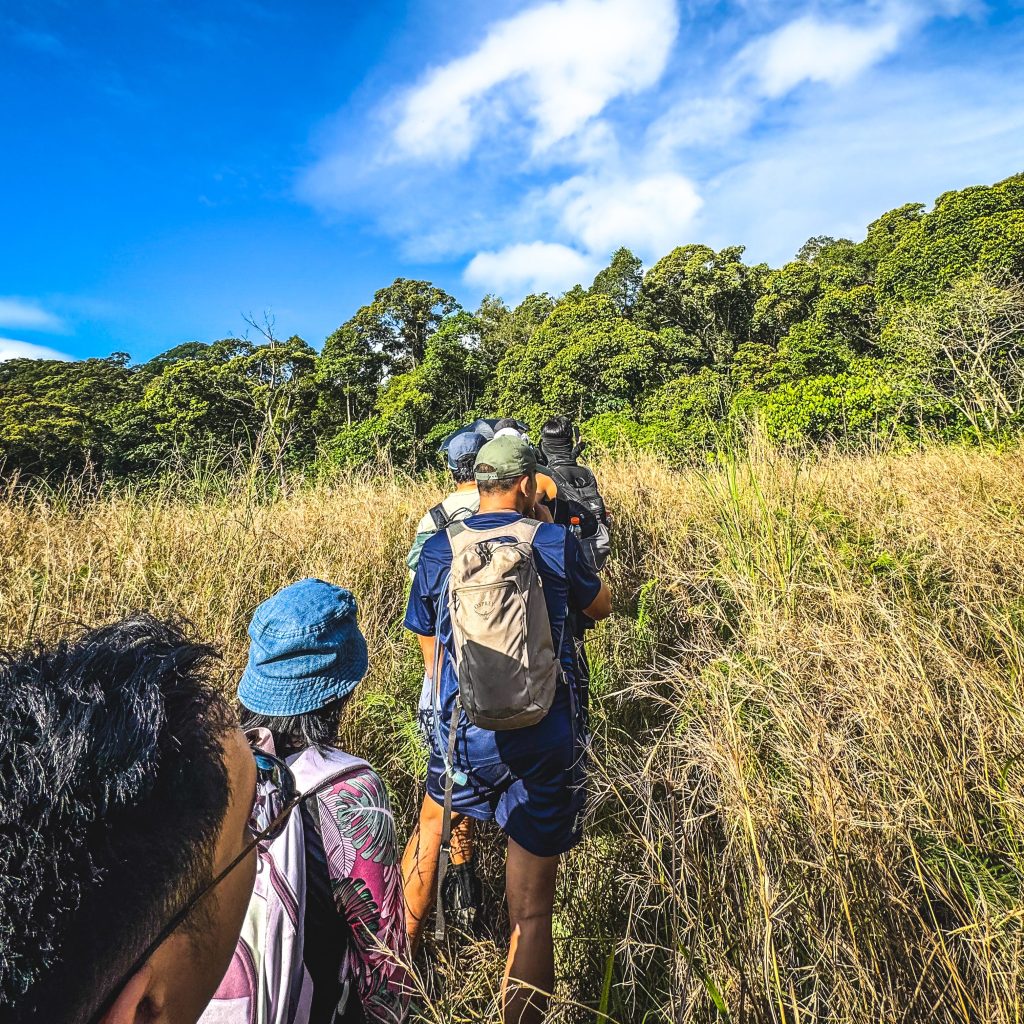
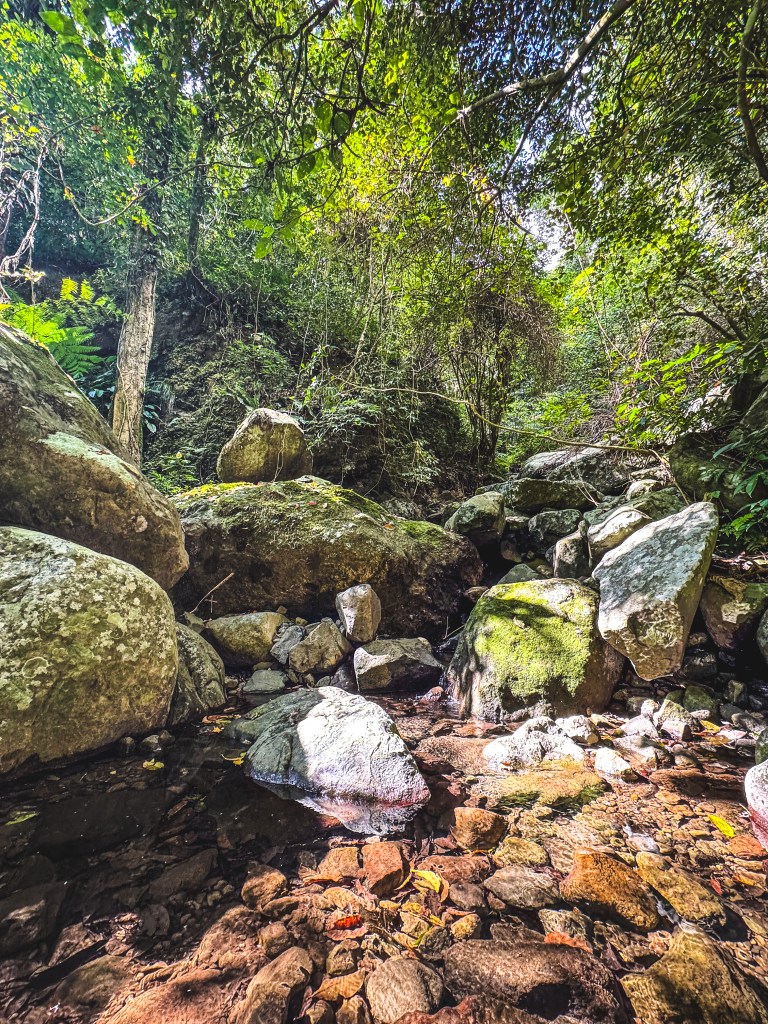
After two more hours, we reached the last river source before the “final boss” of the trail.
Cold, clean water flowing from tree roots. Medicinal, almost sacred.
We ate.
I napped briefly.
Then came the warning:
“Final push.”
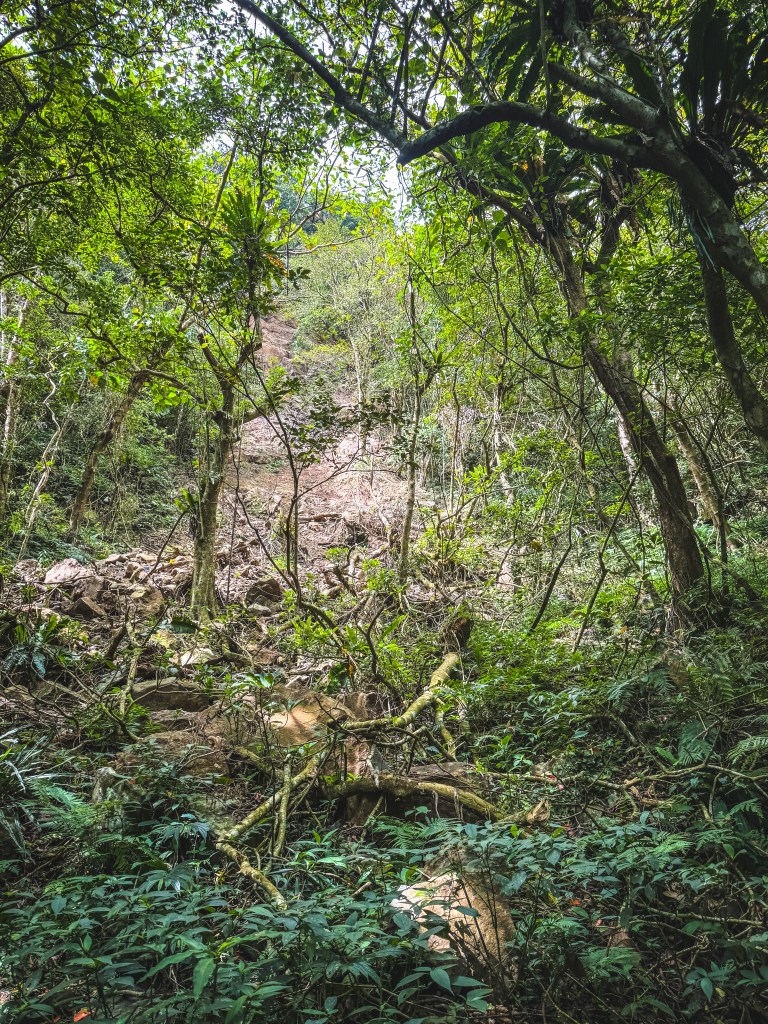
What followed was over four hours of continuous ascent and descent across razorback ridges and cliffs.
This was no longer hiking.
This was survival.
Climbing through roots.
Pulling my body weight up steep walls.
Praying my trail shoes wouldn’t fail me.
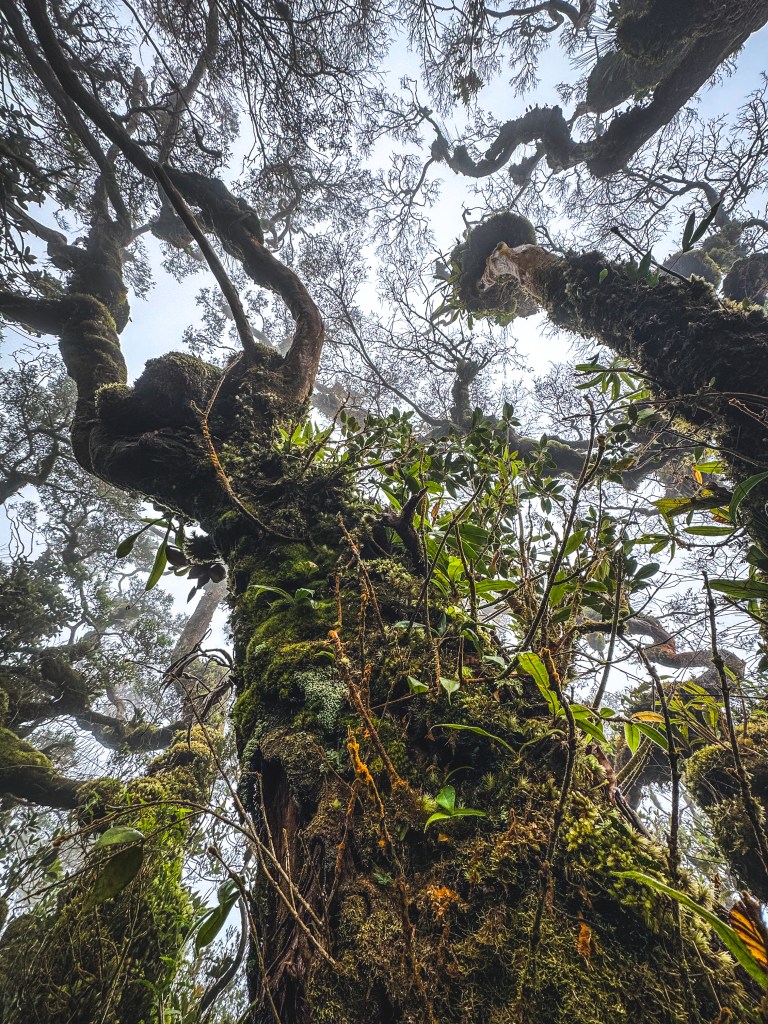
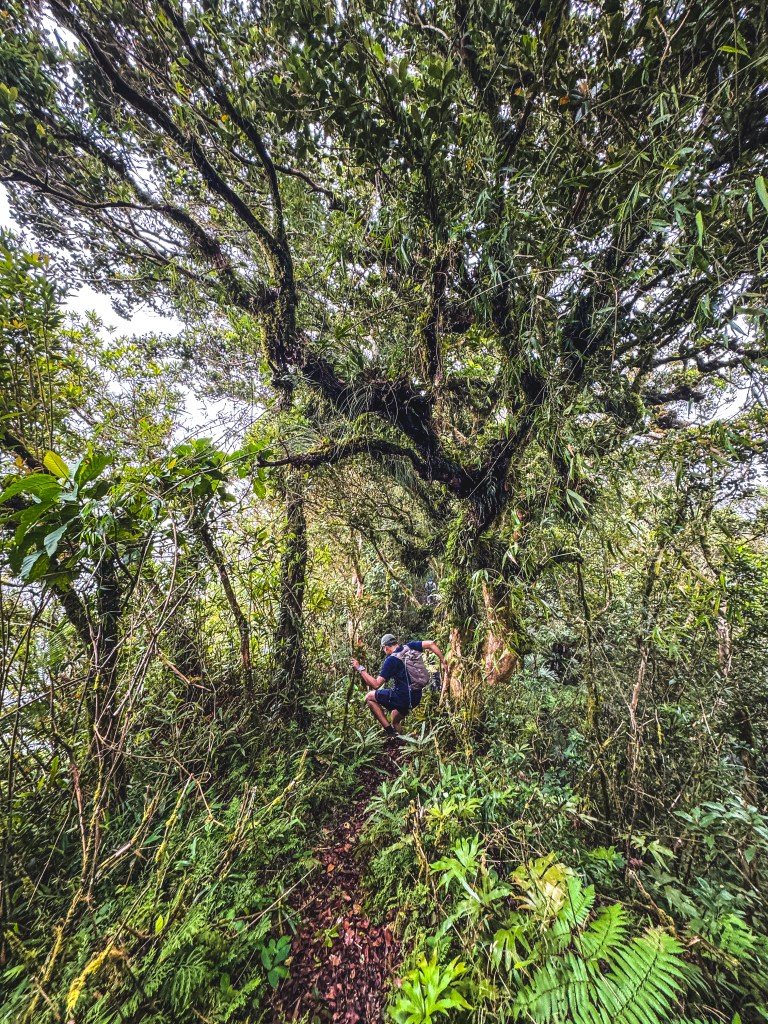
The weather turned cold. Clouds shielded the sun. The wind whispered endurance.
Step by step.
Breath by breath.
Prayer by prayer.
We reached Oragon Peak. Then Bintana Peak by noon — supposedly offering panoramic views of Bataan, though time was not on our side.
Lunch. Quick nap. Then move again.
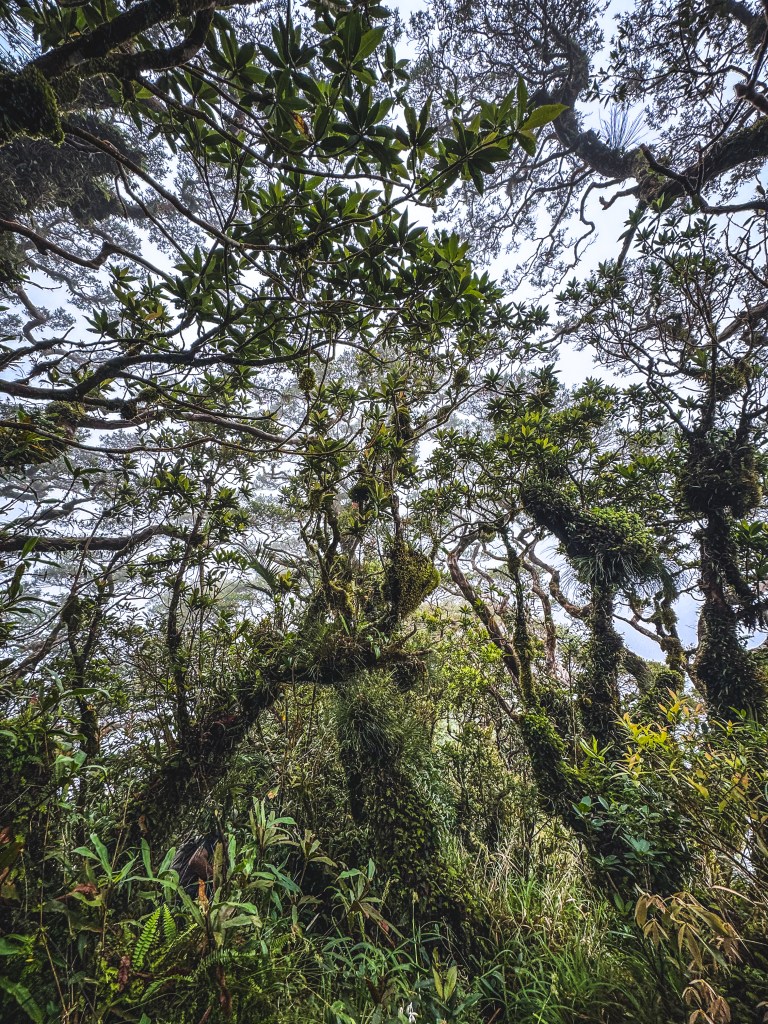
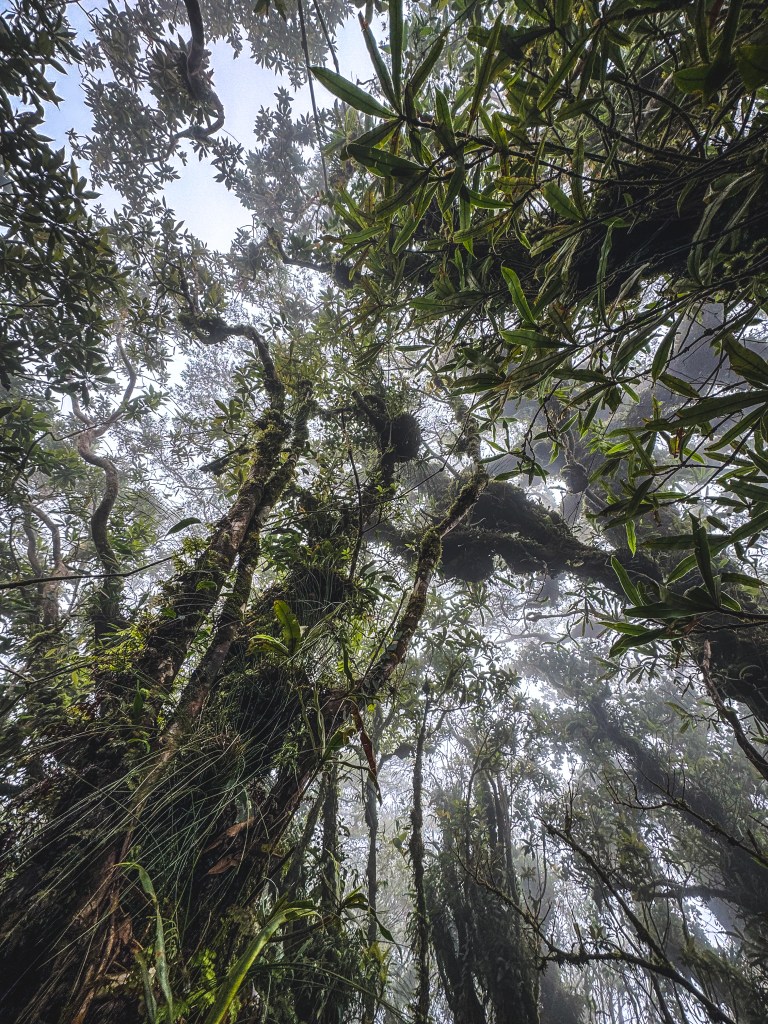
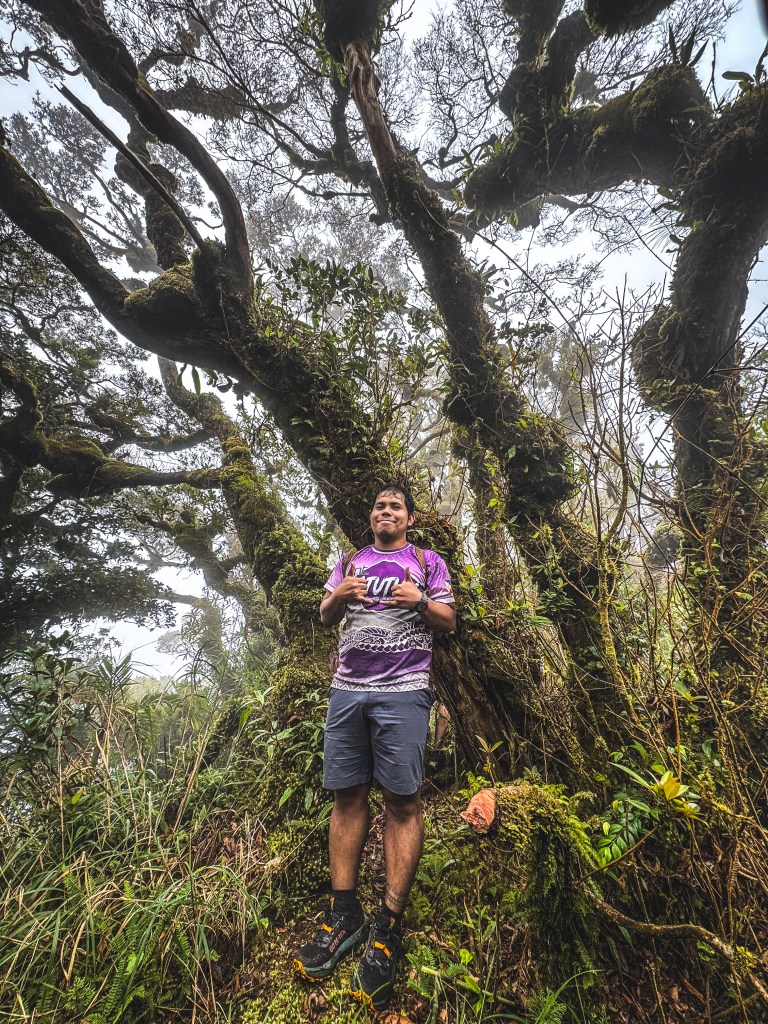
We passed moss-covered ridges and healthy pitcher plants thriving in the altitude. I wanted to pause, reflect, take it all in.
But time was against us.
El Saco Peak came and went — no photos.
Just forward movement.
The Descent to Tarak Ridge
After endless rolling ridges, we finally descended toward Tarak Ridge. The weather warmed. The grass turned sharp and unforgiving.
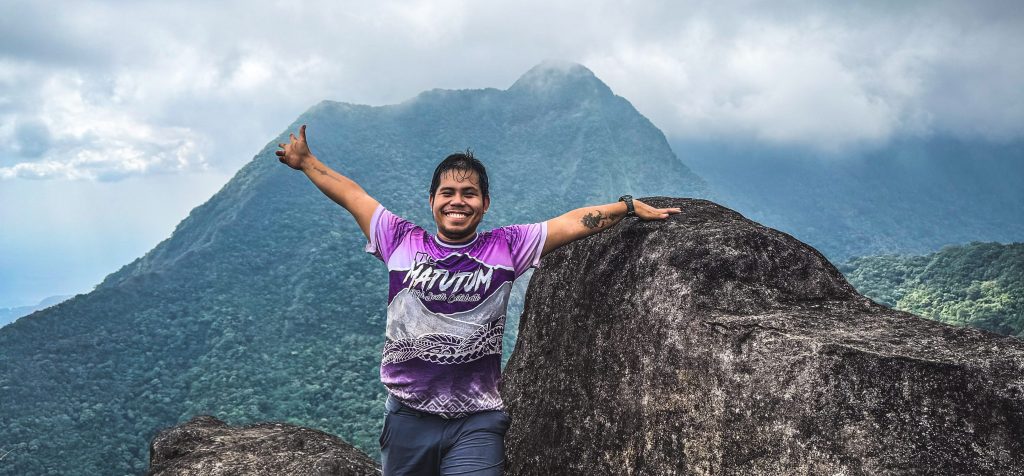
By 2:00 PM, we reached the iconic rocks of Tarak.
Photos. Quick smiles. Then descend.
I made a bold decision: I ran downhill with our coordinator.
Yes — the same shoes I used during my Banahaw Trail Fest held strong.
Uneven terrain. Rock jumps. Sharp turns.
We crossed Papaya River but skipped the plunge due to crowd volume. Eventually, we exited via Barangay Alas-Asin, Mariveles, Bataan.
My tracker read over 20KM.
We finished a little past 5:00 PM.
Total time: More than 12 hours.
TOIL: Difficulty Rating?
9/9.
Relentless assaults.
Slippery moss.
Knife-edge ridges.
Tree-root climbs carrying full body weight.
About 40% of the trail felt like pure assault.
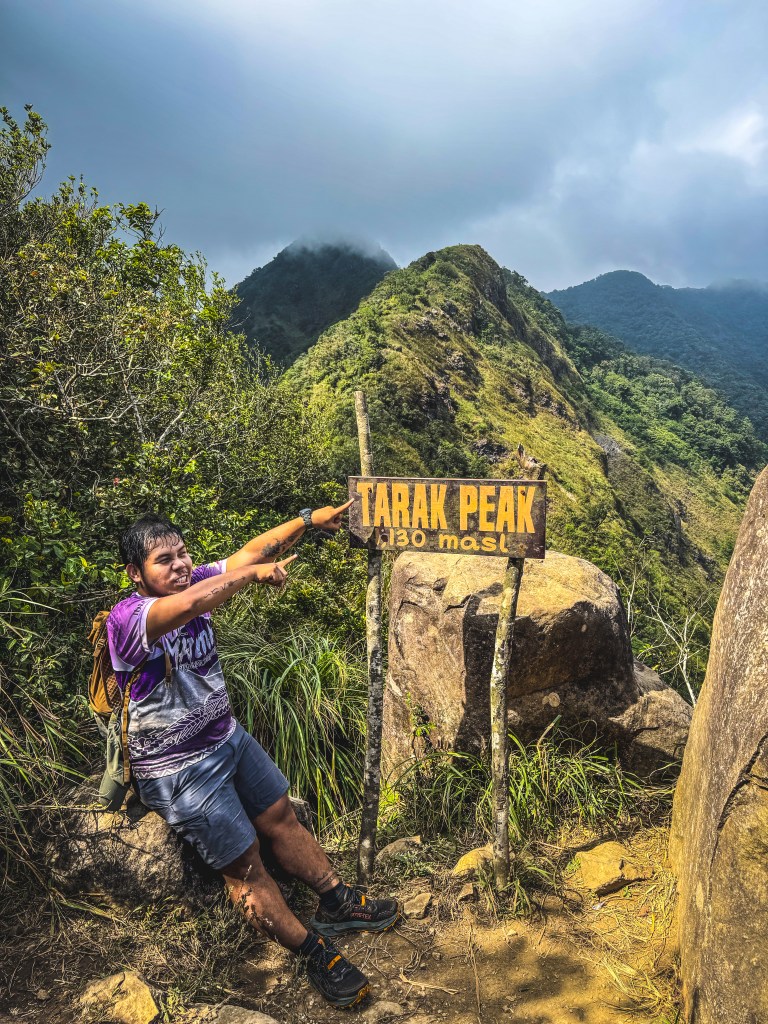
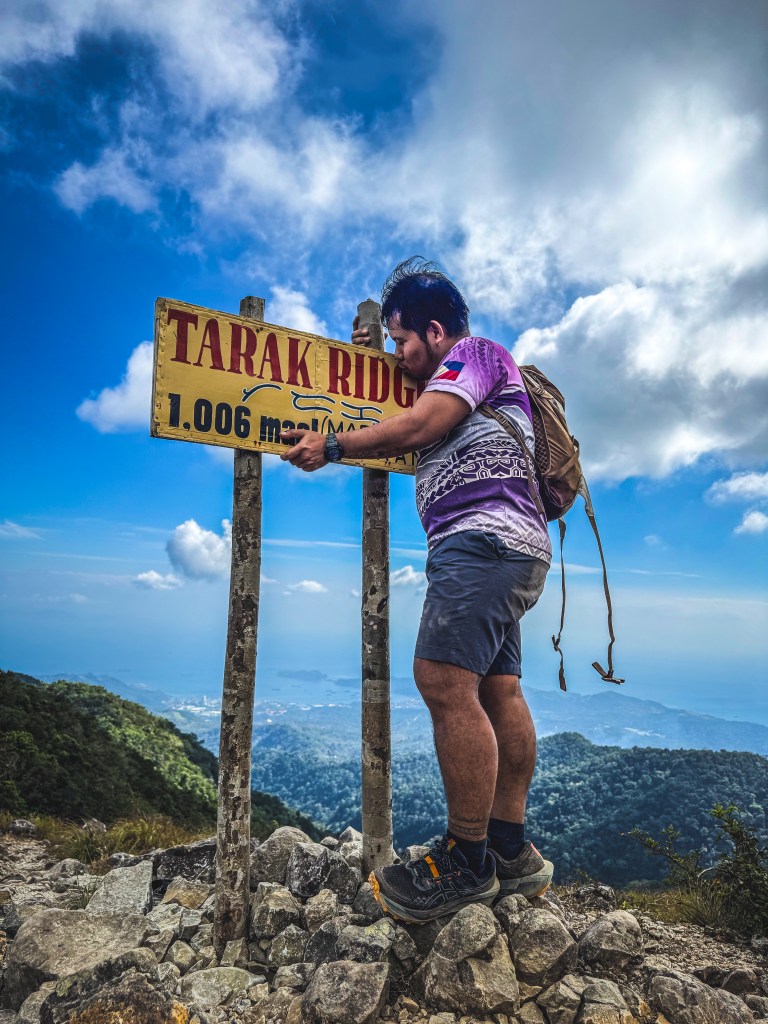
The Tarak descent was forgiving — but Cuyapo to the ridges? Absolutely brutal.
This is NOT for beginners.
Not for first-time major hikers.
You need mental strength as much as physical endurance.
What This Trail Taught Me
I joined this hike because I was looking for pain.
There — I said it.
Sometimes, physical pain helps me process emotional pain. It reminds me I am human. Vulnerable. Still healing.
But pain also births patience.
And patience builds growth.
This trail reminded me that rejection is not failure — it is redirection.
That not every opportunity is meant for me.
That something bigger, better, and more aligned is ahead.
Just like summits — some are delayed.
Some are detoured.
But they are never denied.
Your Next Chill Adventure Starts Here
If you’re going through rejection, heartbreak, or uncertainty — move.
Walk. Hike. Climb.
Let nature recalibrate you.
Because in every brutal ascent lies a stronger version of yourself waiting at the ridge.
Frequently Asked Questions (FAQs)
1. How difficult is the CuyTarak (Cuyapo–Tarak) Traverse?
The CuyTarak Traverse is extremely challenging and not recommended for beginners. Based on my experience, I rate it 9/9 in difficulty. Around 40% of the trail involves steep assaults, knife-edge ridges, mossy descents, and root-assisted climbs. Mental endurance is just as important as physical strength.
2. How long is the Cuyapo to Tarak Ridge Traverse?
The full traverse is more than 20 kilometers, depending on your route variation and detours. Our hike took approximately 11 hours to complete, including breaks, meals, and short naps.
3. Is the CuyTarak trail beginner-friendly?
No. This trail is not beginner-friendly and is not ideal for first-time major hikers. You must have prior hiking experience, strong cardiovascular endurance, and confidence navigating ridges and steep ascents.
4. What is the best time to hike the CuyTarak Traverse?
The best time to hike is during the dry season (December to May) to avoid slippery trails and dangerous conditions. However, even during dry months, expect dense forest sections, sharp grasses, and exposed ridges.
I hope this story inspires you to pursue your own #ChillAdventures — not just for the views, but for the healing.
For more hiking stories, mountain guides, and hidden trail gems in the Philippines, follow Chill Adventures with Joms across all social media platforms.
Till the next blog, mga ka-Ahon —
See you on the trails. 🌄


 Chill Adventures with Joms