

“In every chill adventure, the goal isn’t just the summit—it’s who you become with every step uphill.”
I honestly didn’t know how to start this blog.
This hike became one of the most unforgettable adventures of my life—and if not for my partner, I probably would have never experienced something like this.
So instead of overthinking it, I’ll tell this story the way it happened. Raw, real, and a little like a diary. Because what started as a simple hiking plan turned into one of the most incredible mountain experiences I’ve ever had.
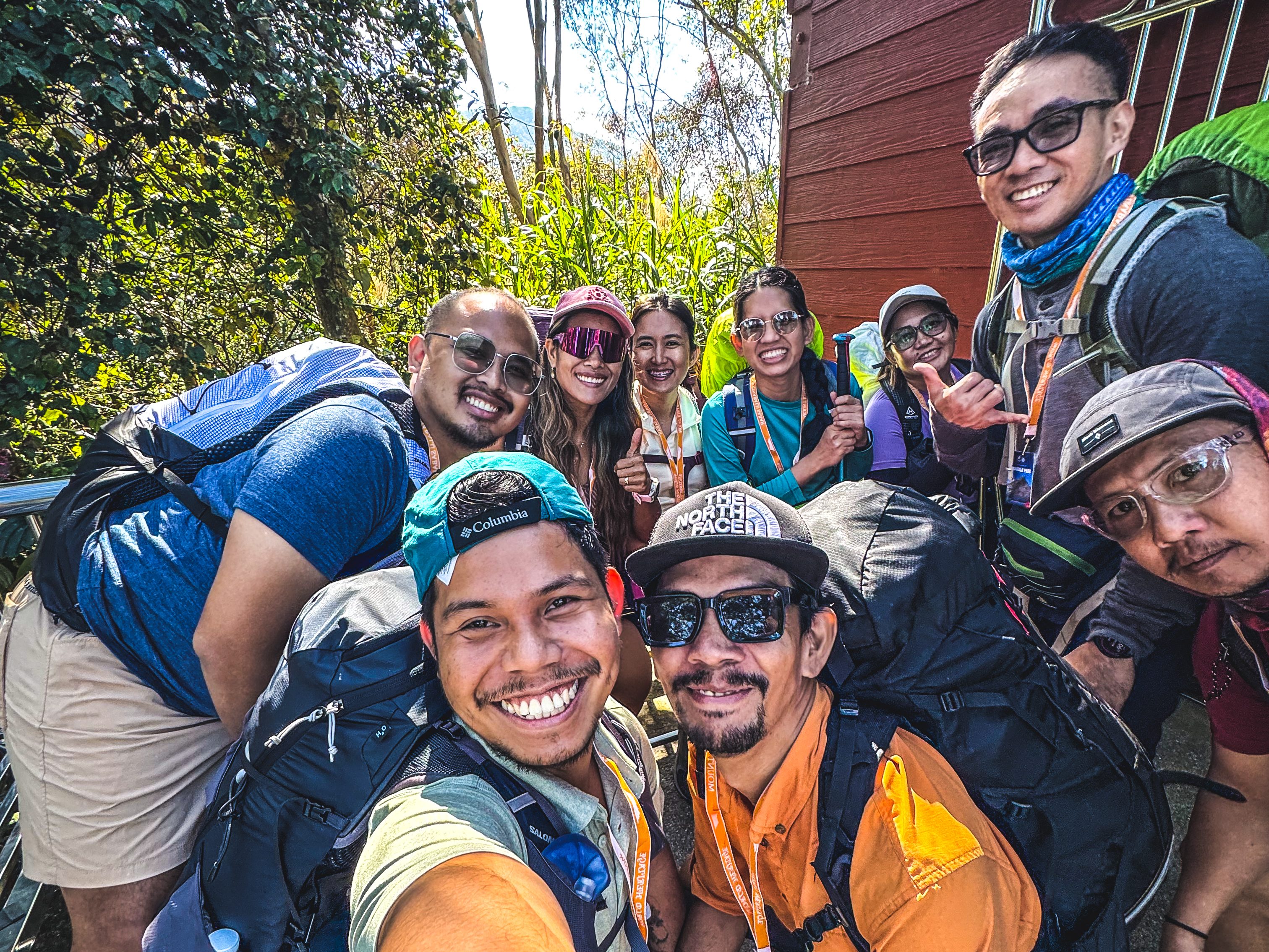
My partner has always taken me to places I once thought were out of reach. And deep down, I knew—this hike would be something special.
The Backstory: A Dream Beyond the Philippines
Back in 2025, he kept reminding me—almost daily—to apply for a passport. His vision was clear: we would start exploring mountains beyond the Philippines.
Our first international hiking goal? Mt. Kinabalu, the highest peak in Malaysia and the highest of Southeast Asia.
At first, it felt distant. Almost impossible.
But weeks before the trip, excitement took over me completely. I found myself counting days… then hours… then minutes. That’s how real it became.
Arrival in Kota Kinabalu
Finally, everything we prepared for came to life.
We landed, explored the city for a bit (that’s a story for another blog), and on our second day, we traveled around 2–3 hours to the foot of Mt. Kinabalu.
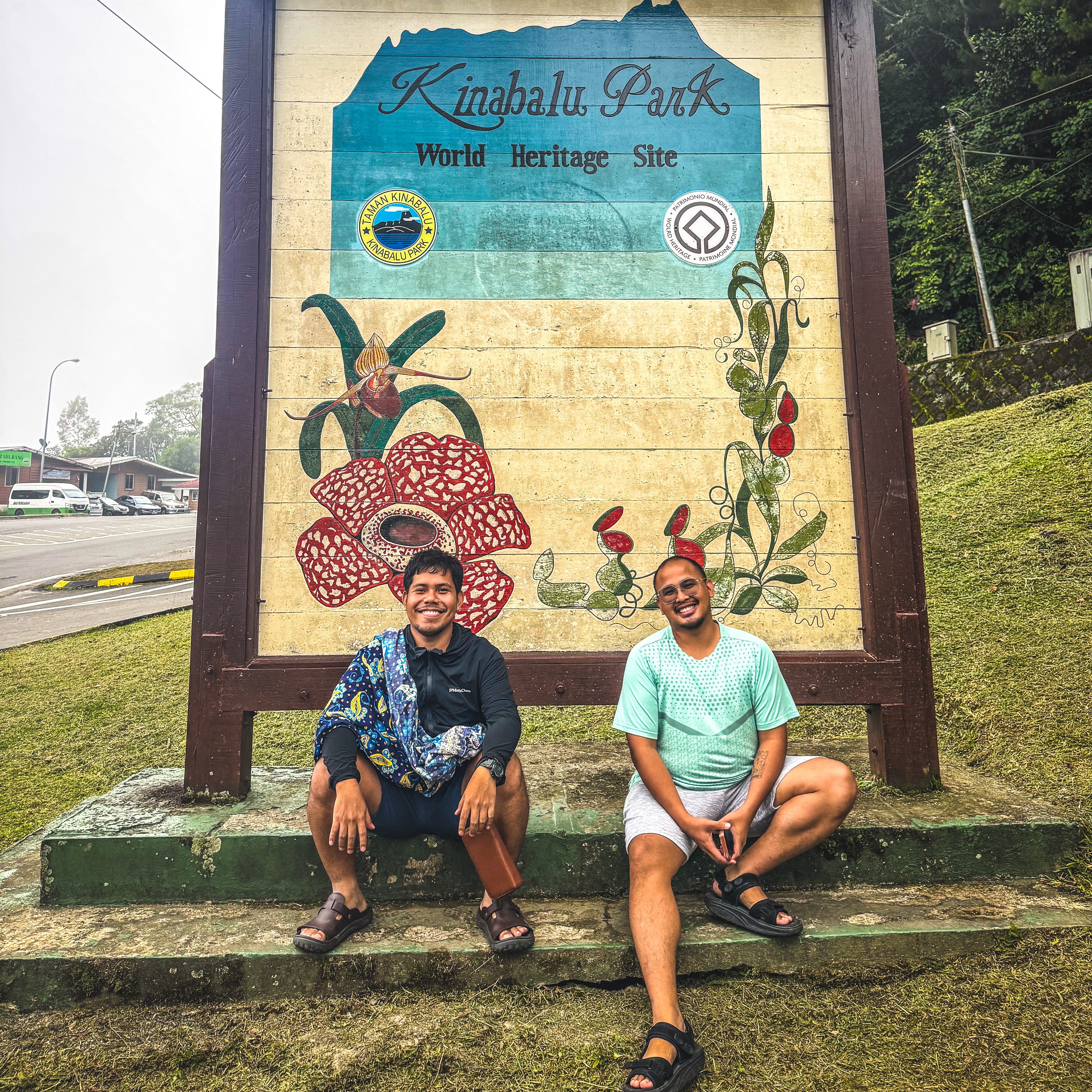
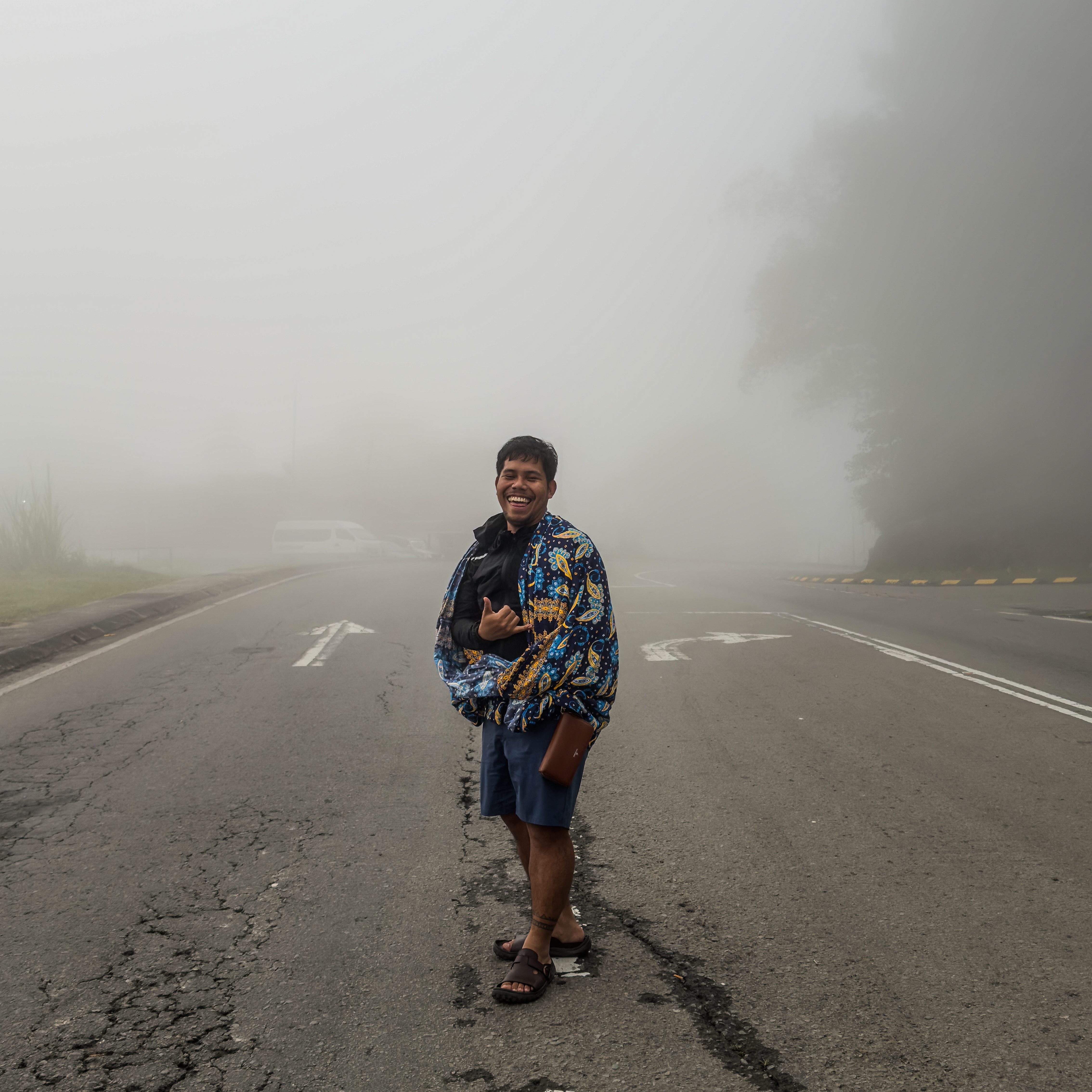
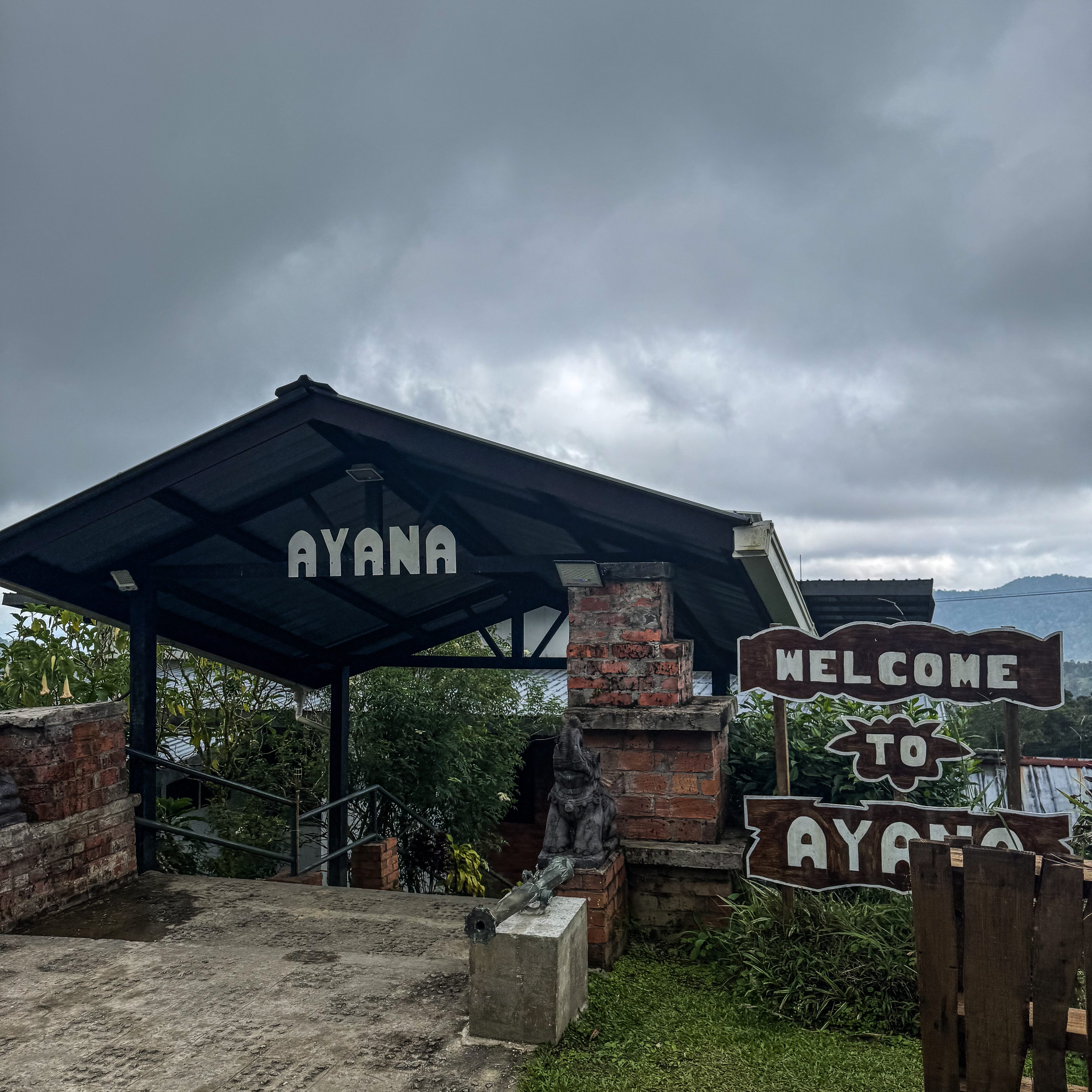
We stayed at a nearby mountain resort, just about 600 meters from the jump-off point – The Ayana Holiday Resort.
The air? Cold. Crisp. Alive.
At around 1,900 meters above sea level, you could already feel the altitude. It was the perfect place to let our bodies adjust—and to mentally prepare for what was ahead.
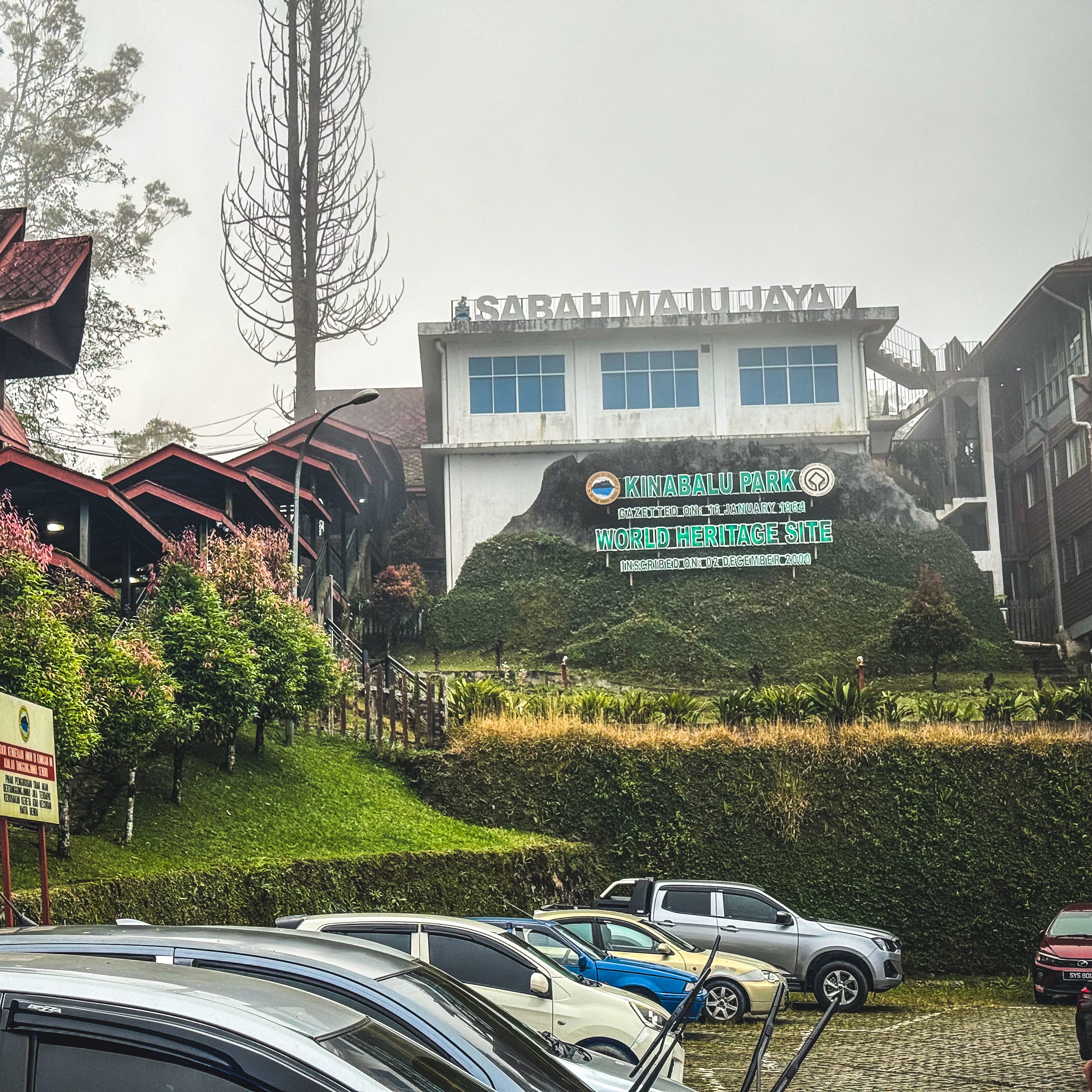
That night, I could feel it…
Tomorrow, the real adventure begins.
DAY 1: The Climb to Panalaban Base Camp
Morning came with fog and cold air. Not the clearest weather—but no one complained. We all believed the skies would open up eventually.
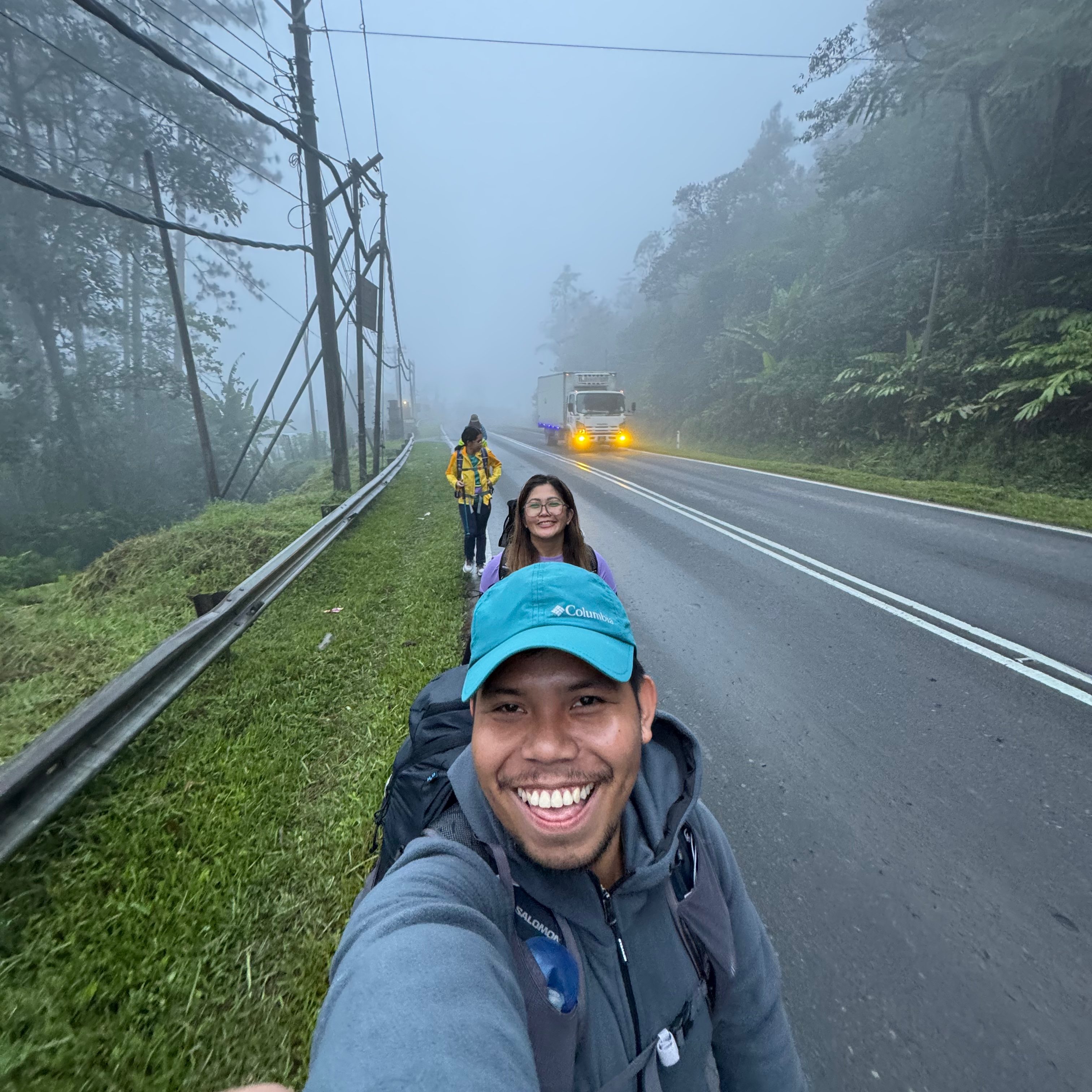
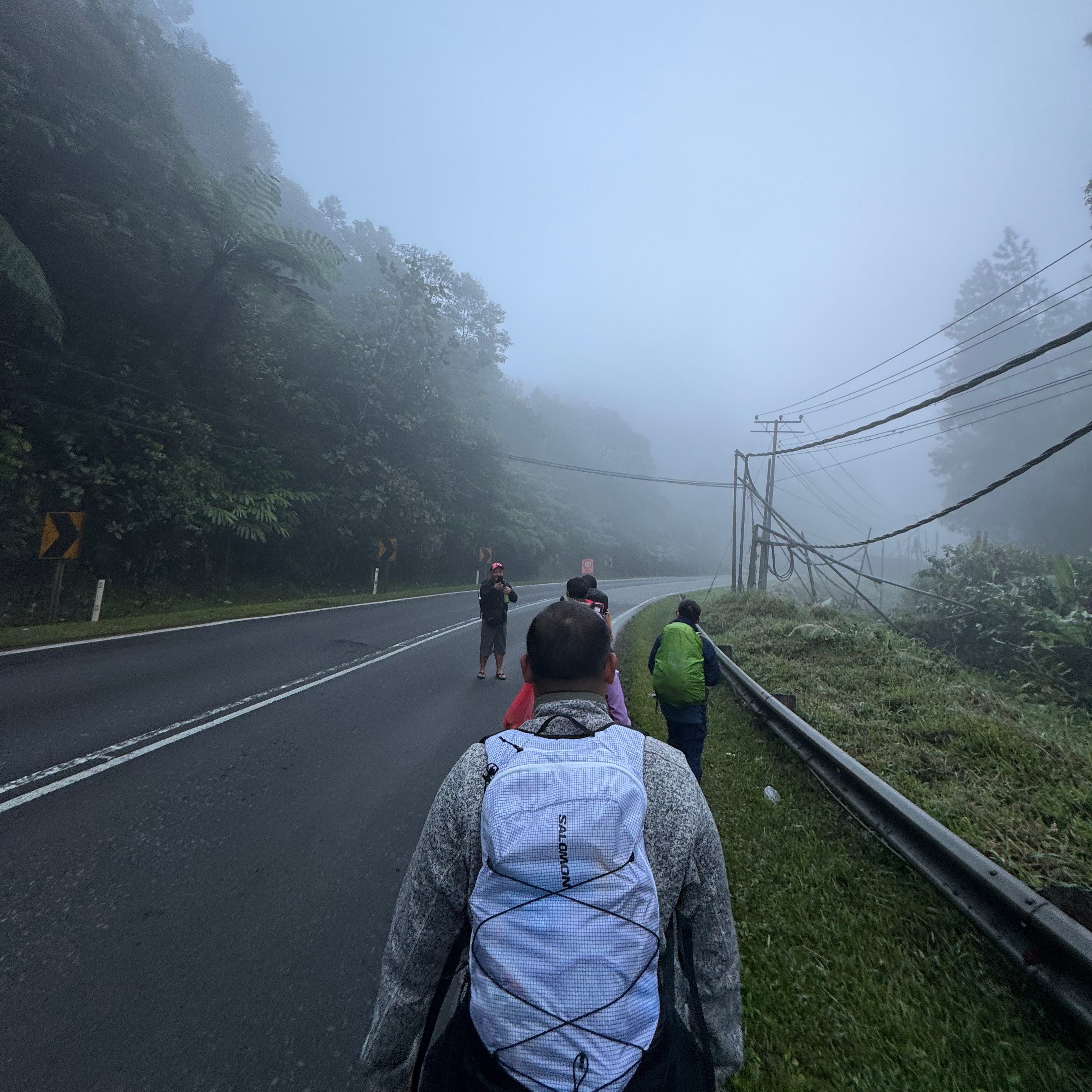
Then chaos hit.
Everyone brought their passports… except us.
I had to run back to our hostel—2 kilometers uphill—to get them. A rough start, but honestly? It added to the story. That’s how you know an adventure is about to get real.
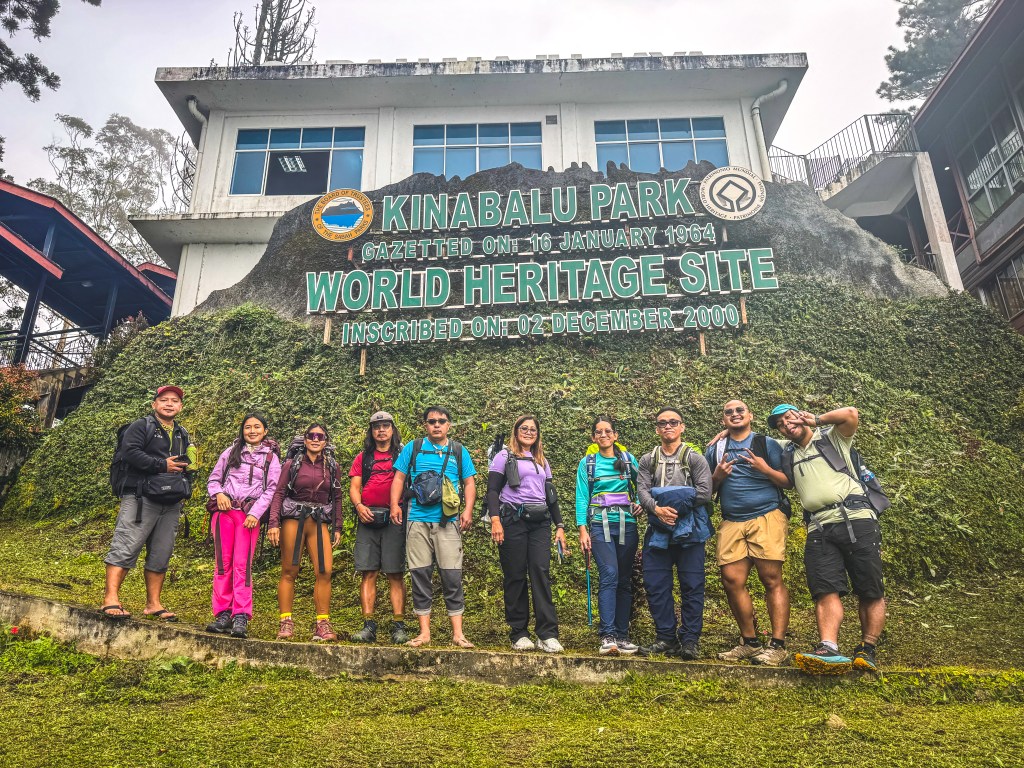
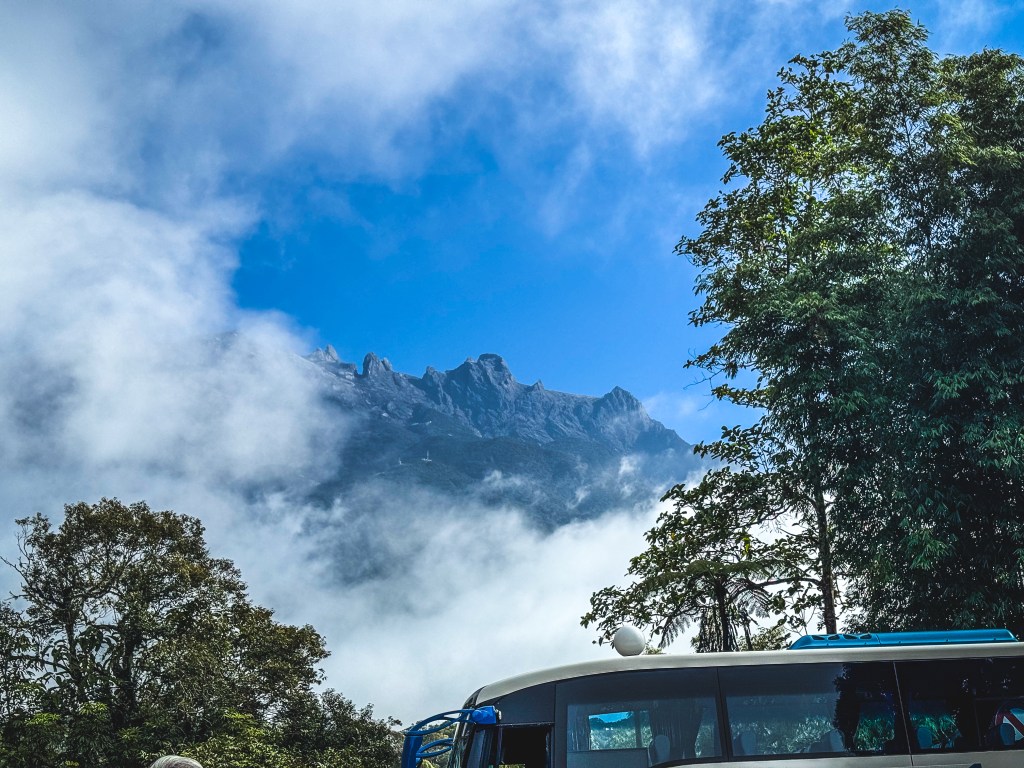
After regrouping, we secured our permits, met our guides, and rode a short van ride to the gate entrance – the Timpohon Gate.
And just like that… we started hiking.
Into the Rainforest
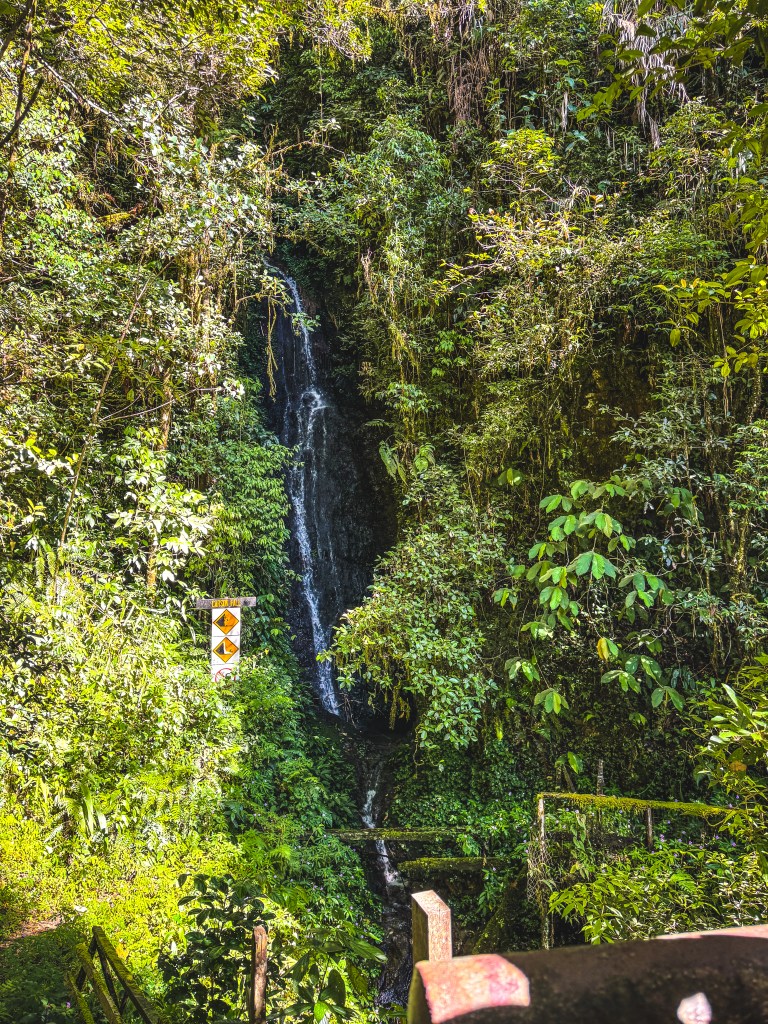
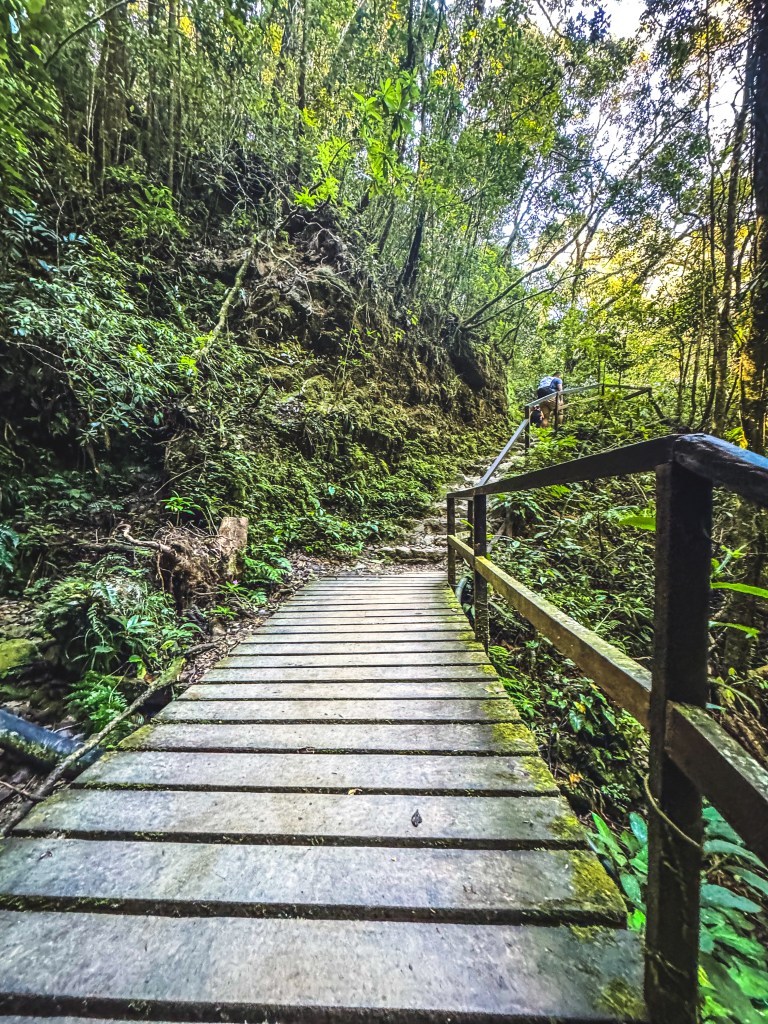
The trail welcomed us with descending steps, a small waterfall, and then—thick rainforest.
That moment hit me.
Breathing fresh mountain air in a different country felt surreal… yet familiar. It reminded me that no matter where I go, the mountains will always feel like home.
I was happy. Genuinely happy.
But behind that happiness was a quiet doubt:
Can I really finish this climb?
Still, I kept going.
The Endless Stairs of Kinabalu
The trail was well-maintained—wide paths, structured routes, and organized rest stops. Something I couldn’t help but compare to trails back home.
But don’t be fooled.
Mt. Kinabalu tests you differently.
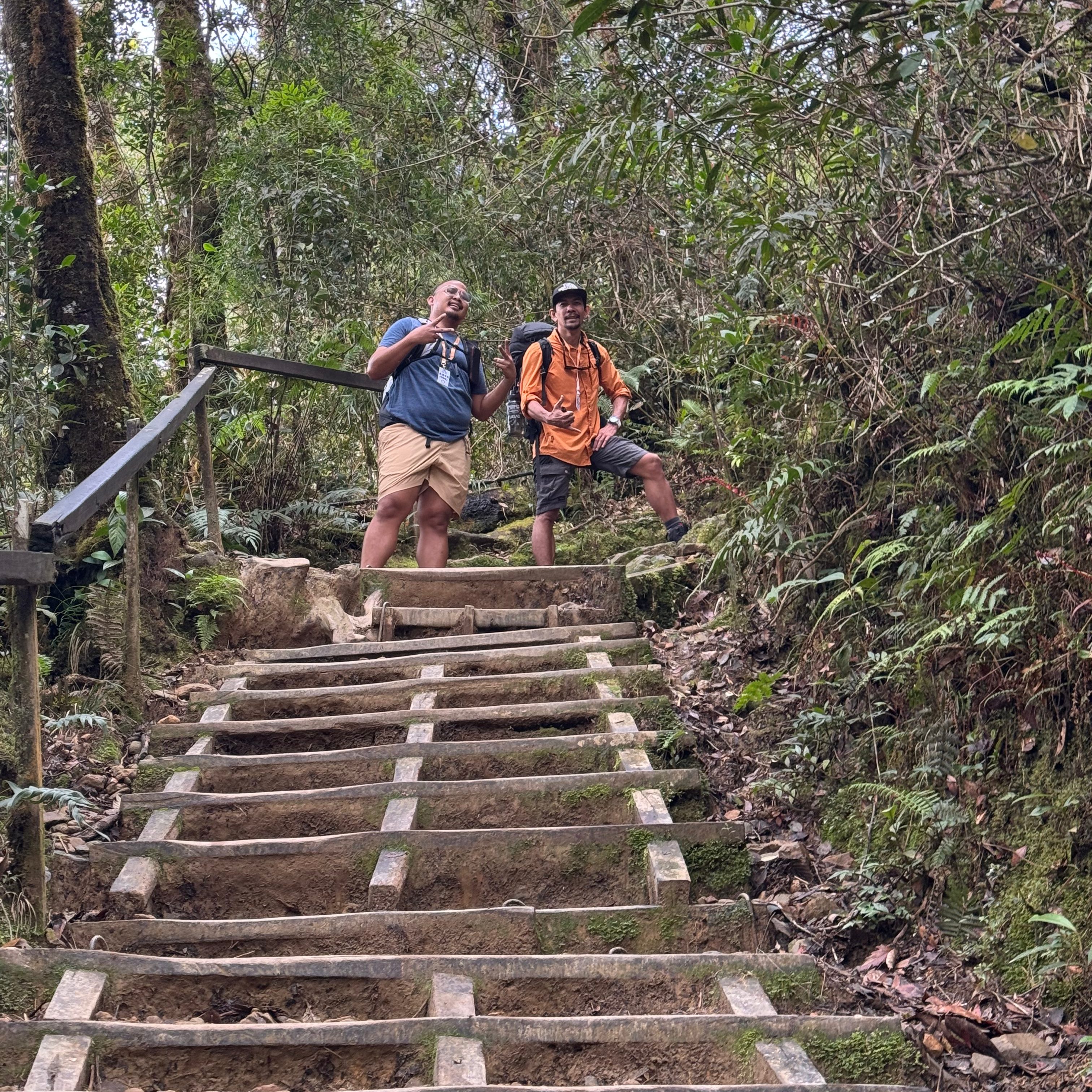
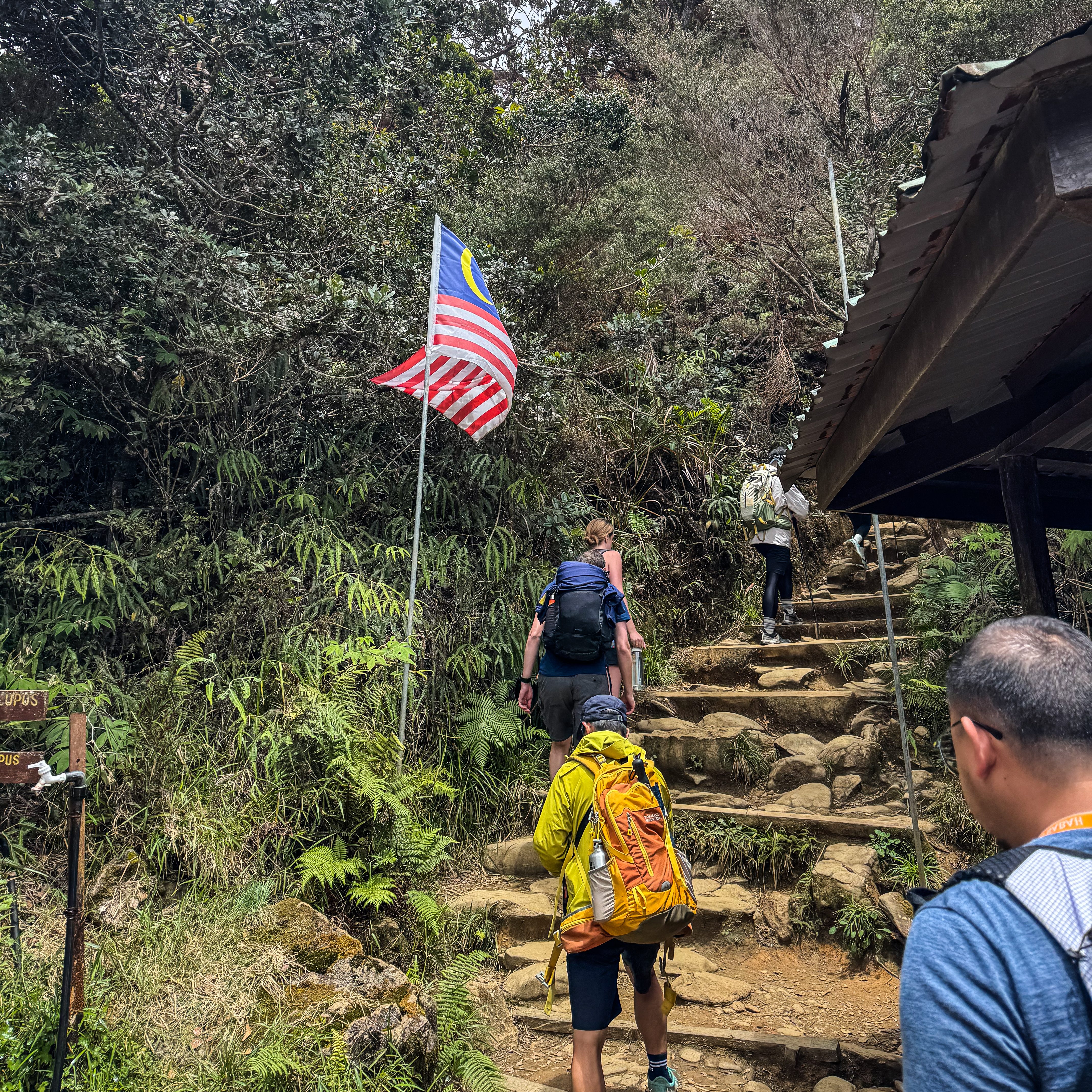
It’s a rhythm of:
stairs → flat trail → stairs → repeat.
And those stairs? They don’t end.
Even with the cool weather under the forest canopy, the climb slowly drained my energy.
We passed several rest huts along the way—each one a small victory:
- Pondok Kandis
- Pondok Ubah
- Pondok Lowii
- Pondok Mempening
- Layang-Layang (halfway point)
- Pondok Villosa
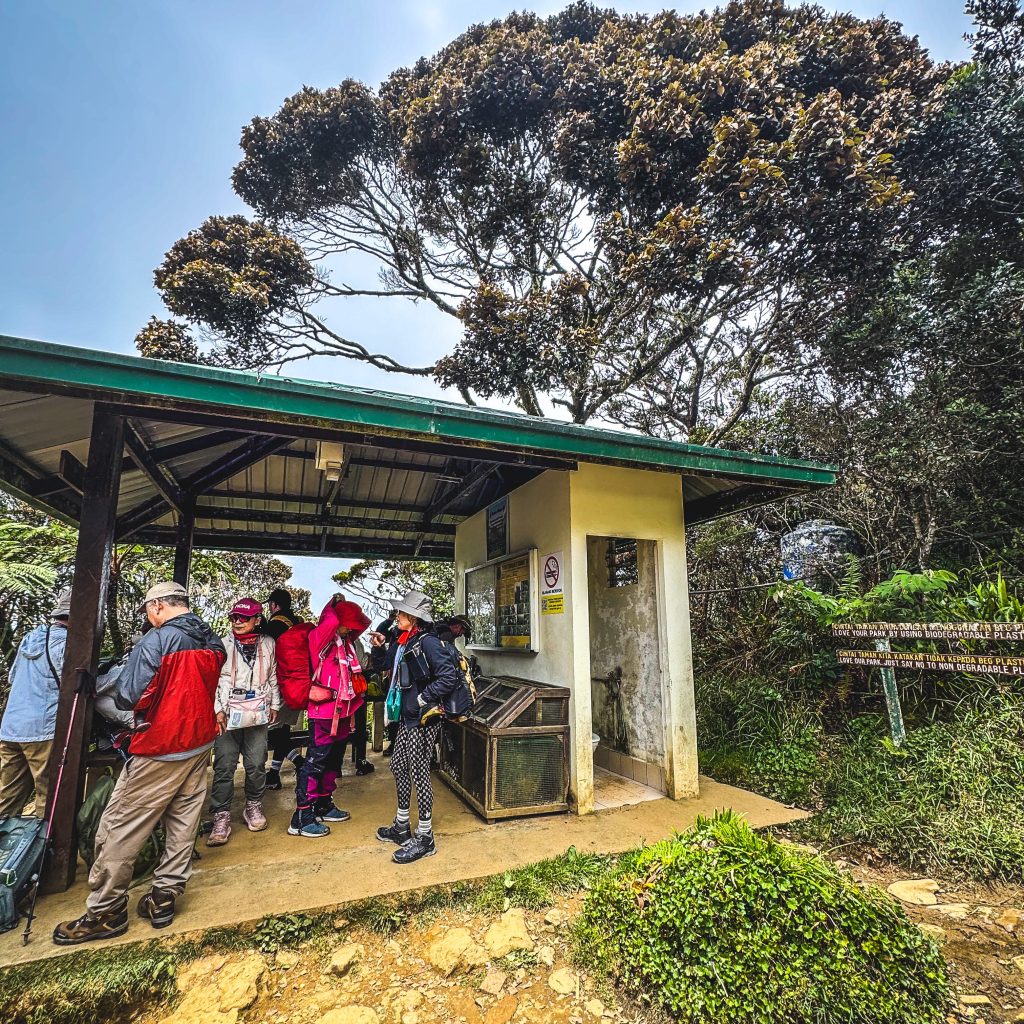
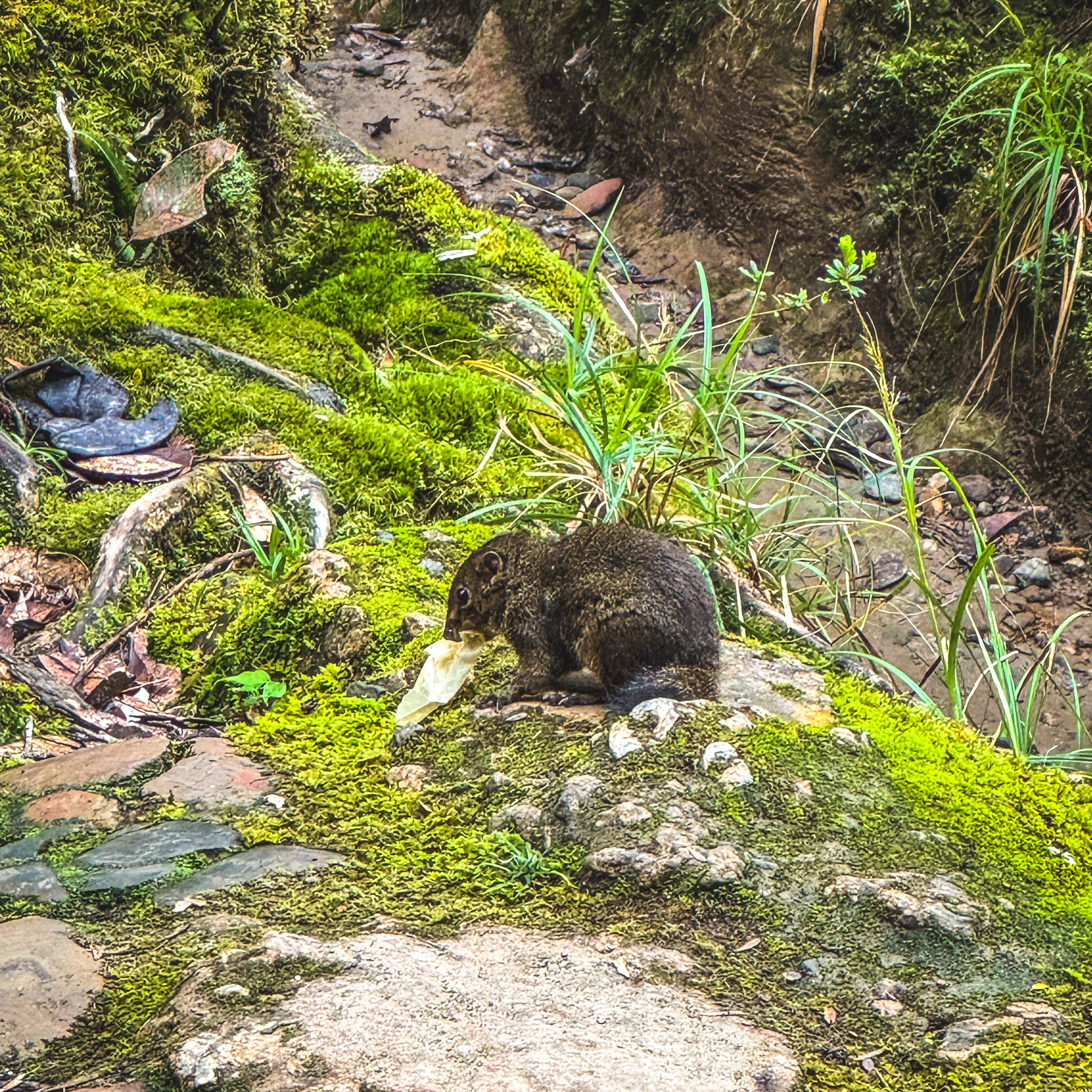
At one point, we even stopped to admire squirrels playing along the trail—small moments that made the climb feel lighter.
The Final Push to Base Camp
By the 5KM mark, exhaustion started creeping in.
I had been hiking for over 3 hours, and the terrain began to change—rocky, sandy, and exposed.
The cold intensified.
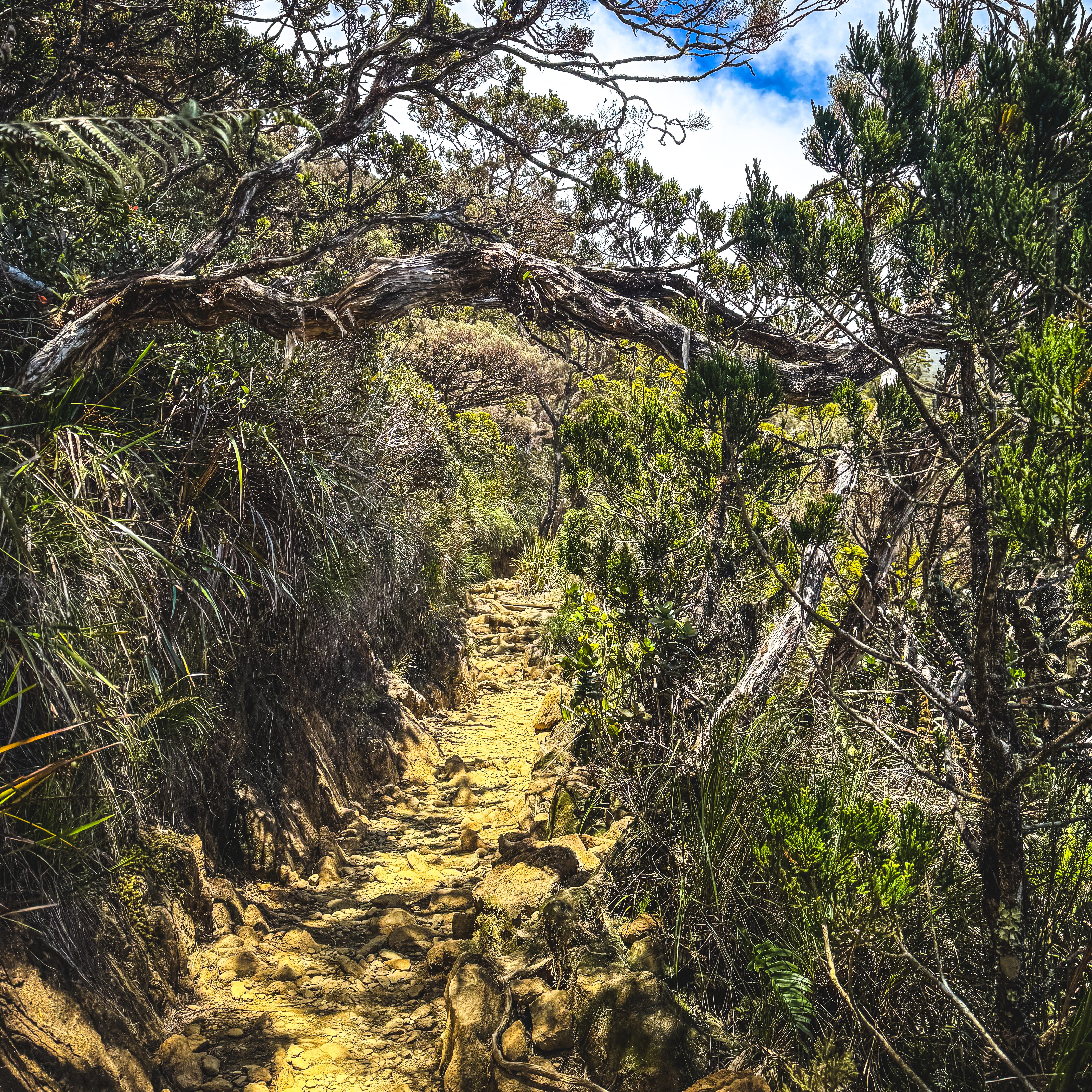
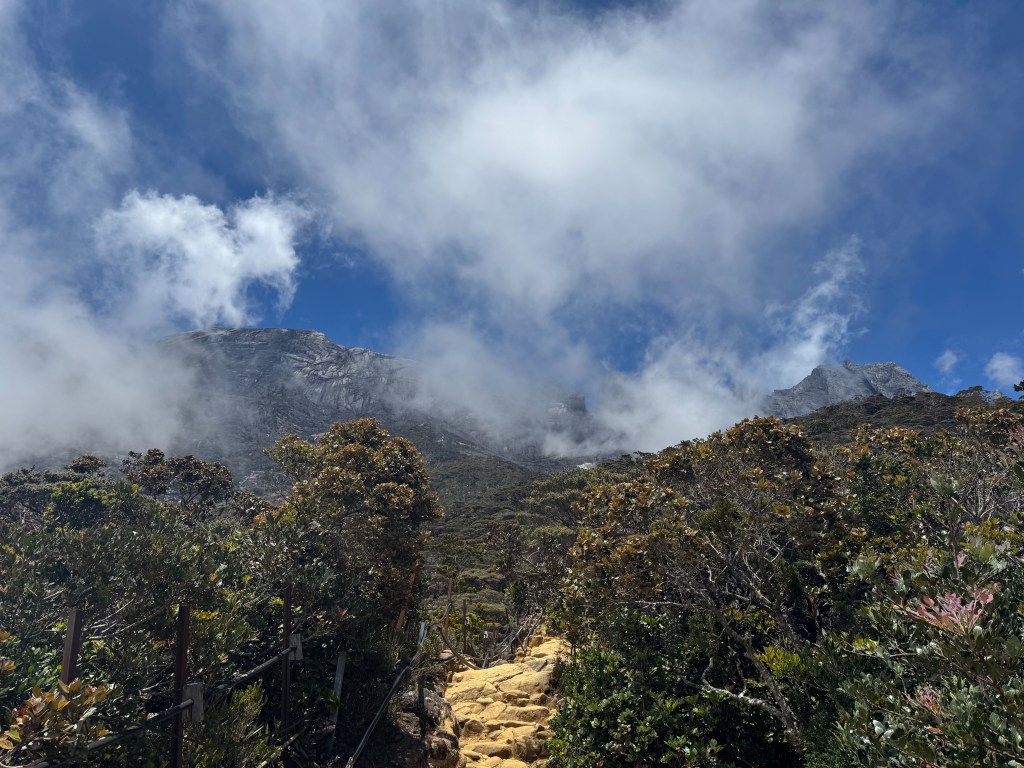
Fatigue hit harder.
I even felt dizzy and sleepy mid-trail.
But then, I saw something simple—a bird building its nest. I paused, watched, and somehow found calm in that moment.
Sometimes, the mountain reminds you to slow down… not just to rest, but to feel.
Arrival at Panalaban Base Camp (3,272 MASL)
Just before 2 PM, I made it.
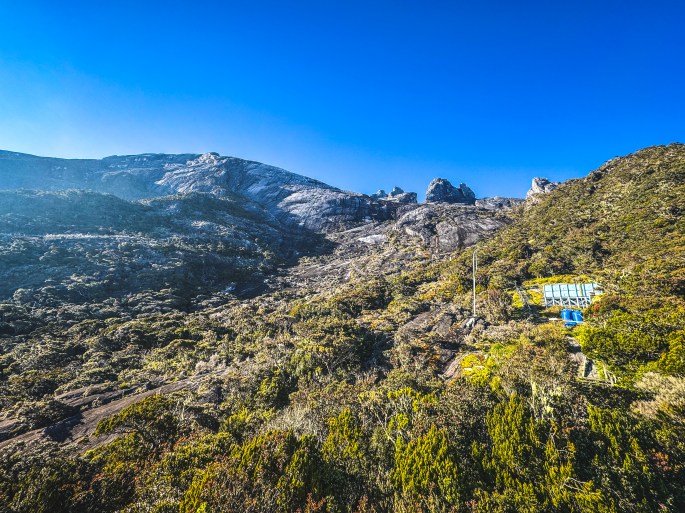
Panalaban Base Camp stood quietly against the towering presence of Mt. Kinabalu above us.
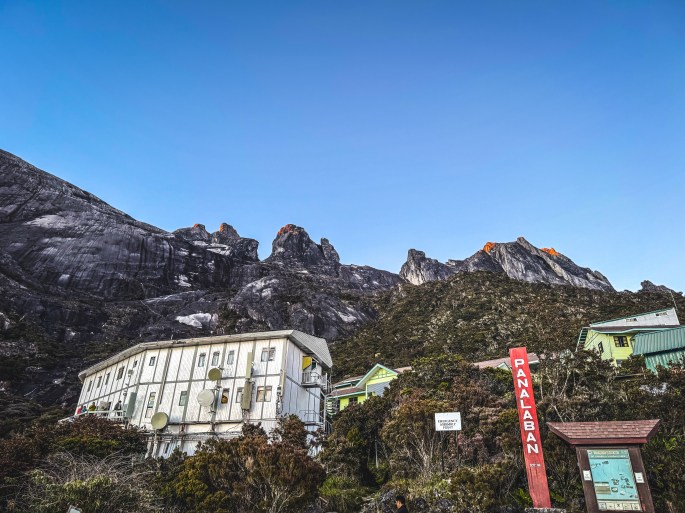
It felt unreal.
We reunited, had lunch, and braced ourselves for the cold. At this altitude, even simple movements felt heavier.
I took medication to prevent altitude sickness, watched a beautiful sunset, and before I knew it…
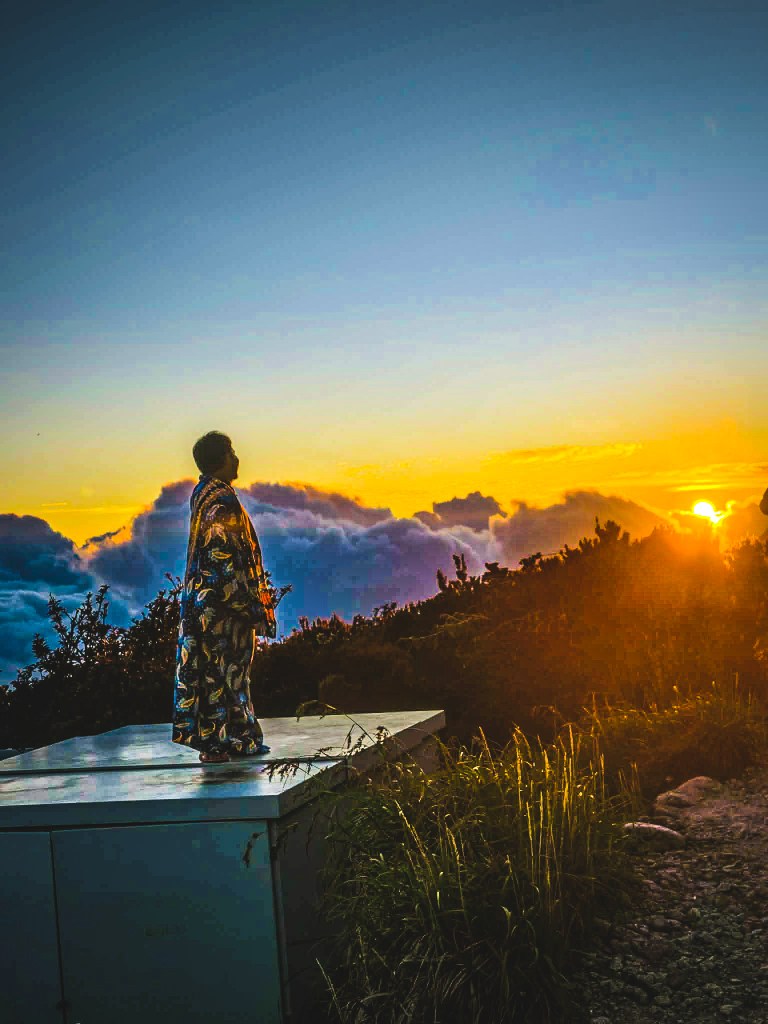
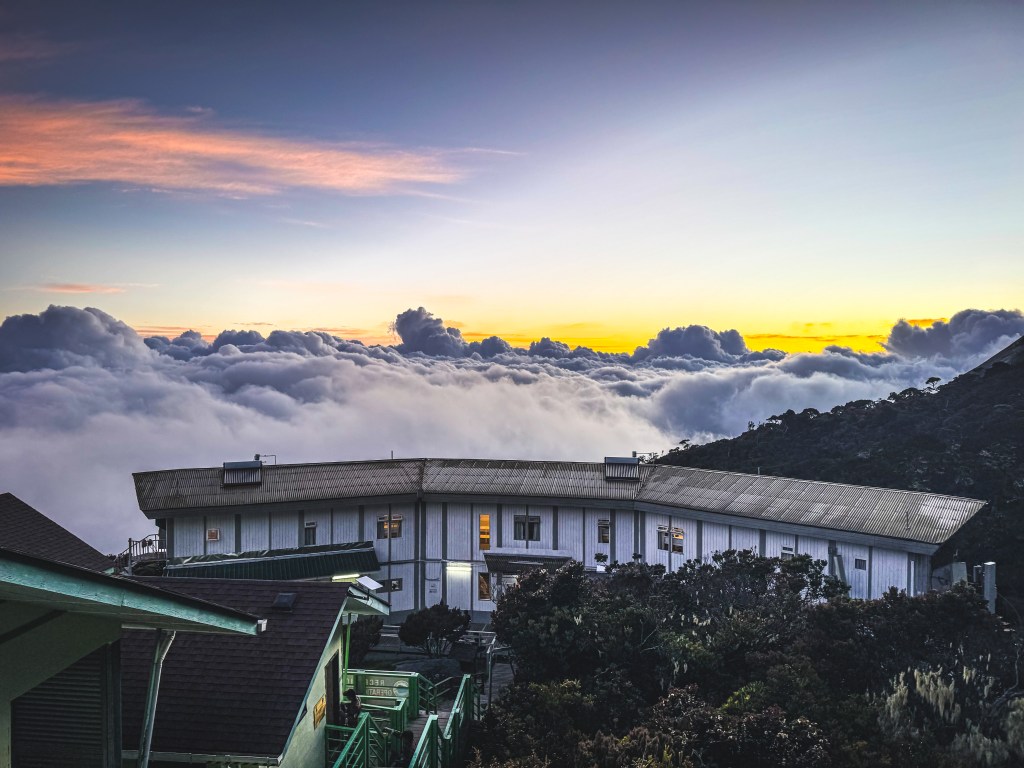
It was time to sleep.
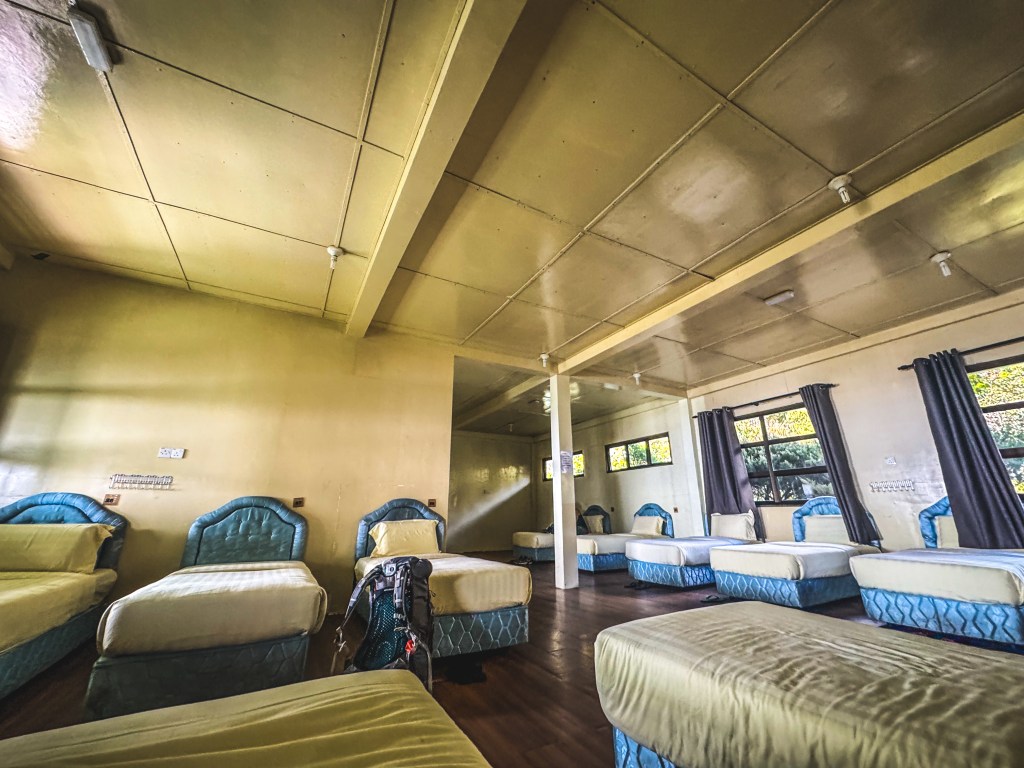
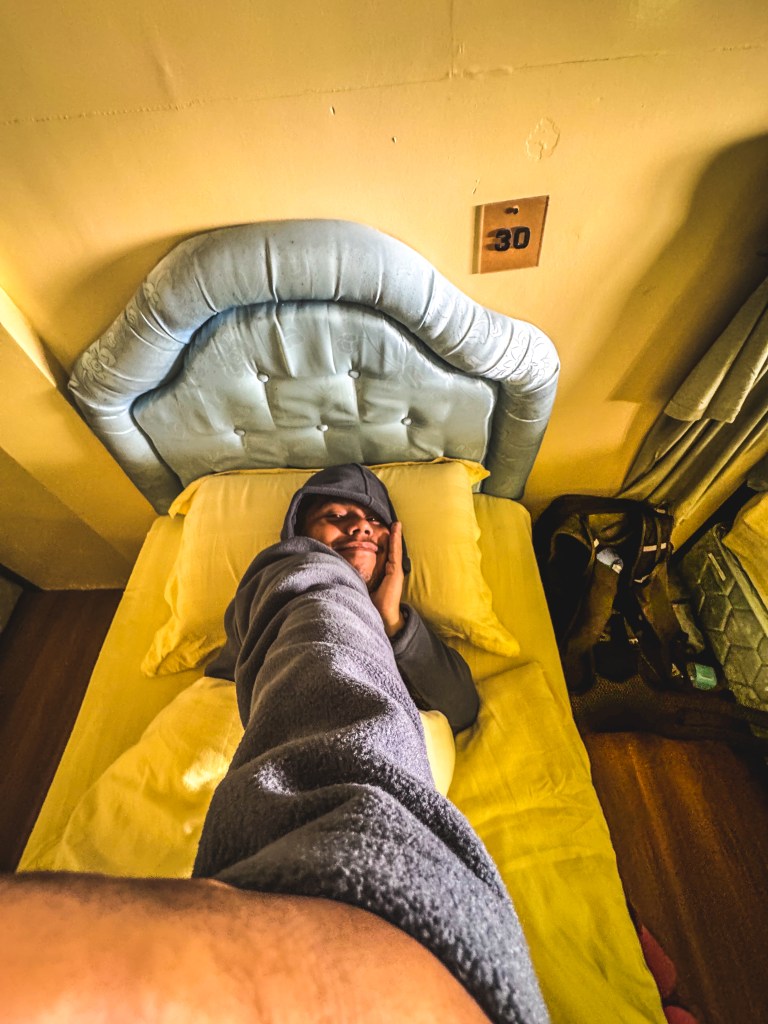
Because the next day—we chase the summit.
DAY 2: Summit Push (4,095 MASL)
We woke up at 1 AM.
Quick snacks. Layered clothes. Silent anticipation.
By 2:30 AM, we started climbing again.
Into the Cold and Darkness
It was freezing—around 3°C.
The cold cut through everything.
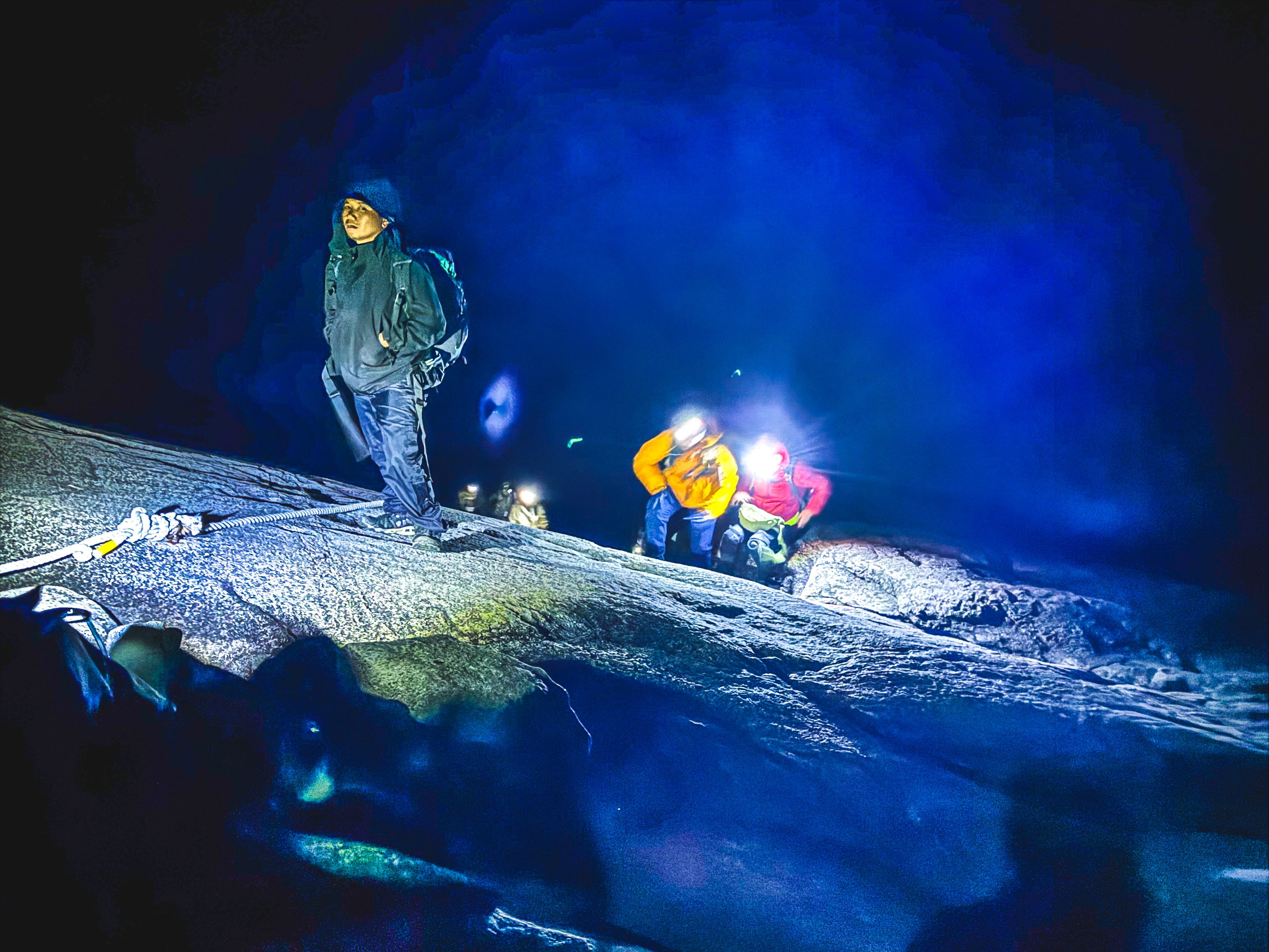
The trail? More stairs.
The only light came from headlamps, creating a quiet line of moving lights in the darkness.
Not even an hour in, some hikers were already turning back due to altitude sickness.
That’s when it hit me—
This isn’t just a hike. This is a test.
The Final Race Against Time
Our guide told us we had to reach the final checkpoint before 5 AM—or we wouldn’t be allowed to continue.
So we pushed. Step by step. Breath by breath.
We made it just in time. After a short wait, we went for the final ascent.
The Summit Moment
The higher we climbed, the slower I moved. Altitude made every step heavier. Breathing became harder.
But then…
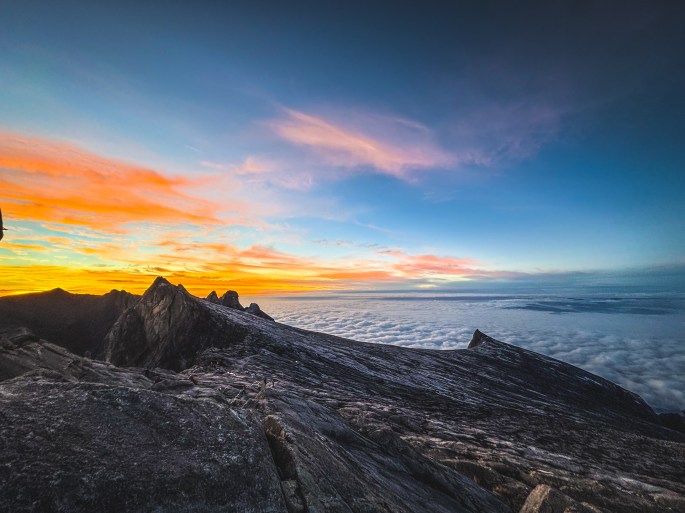
Dawn started to break. At around 8KM, just a few meters from the summit, the sky began to glow.
And suddenly, everything felt worth it.
Standing on Top of Mt. Kinabalu
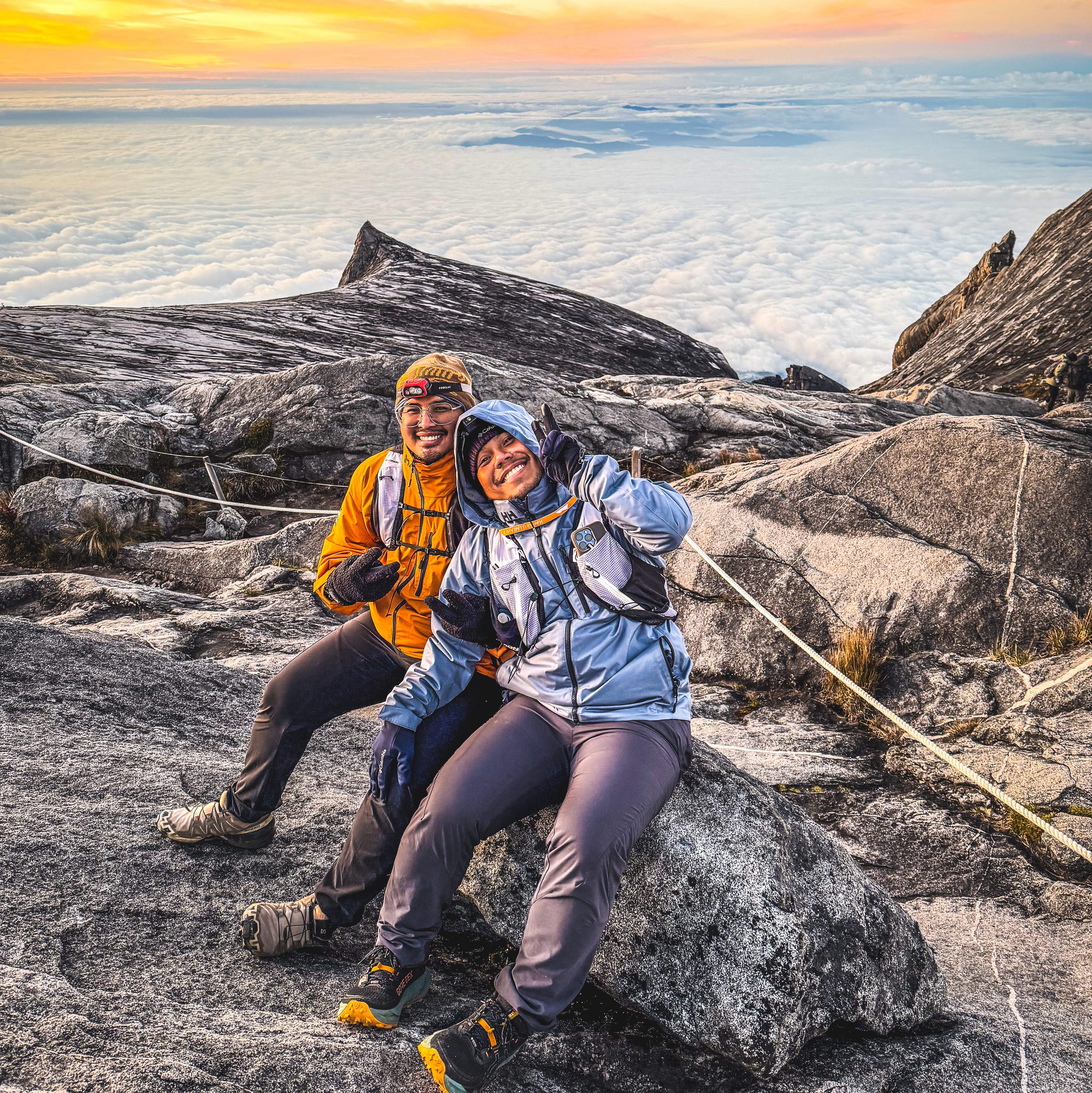
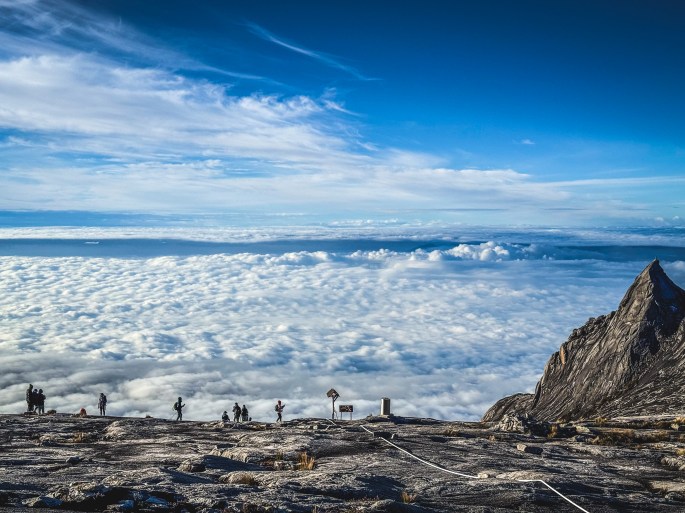
Past 6 AM—we reached the summit.
4,095 meters above sea level.
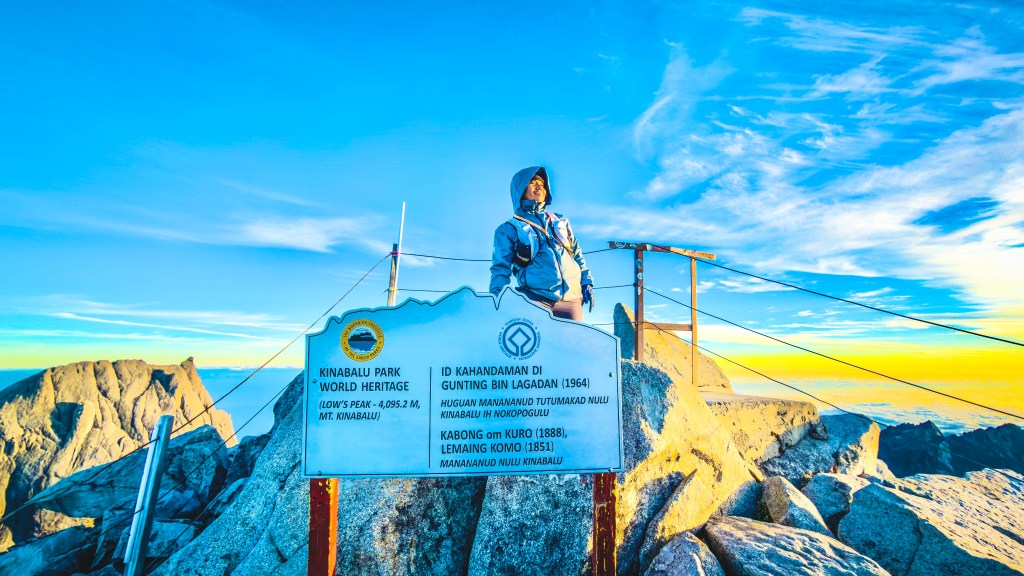
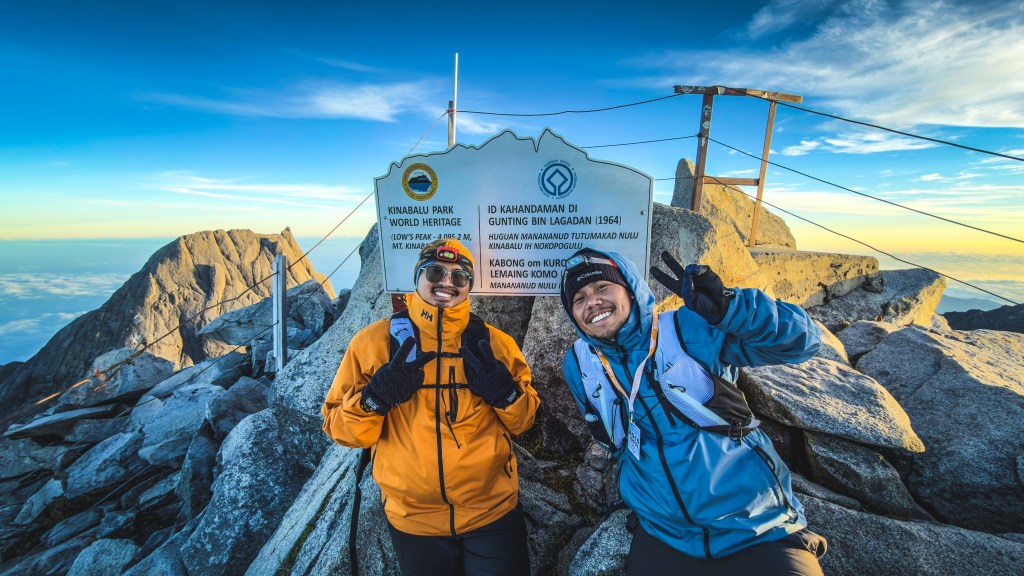
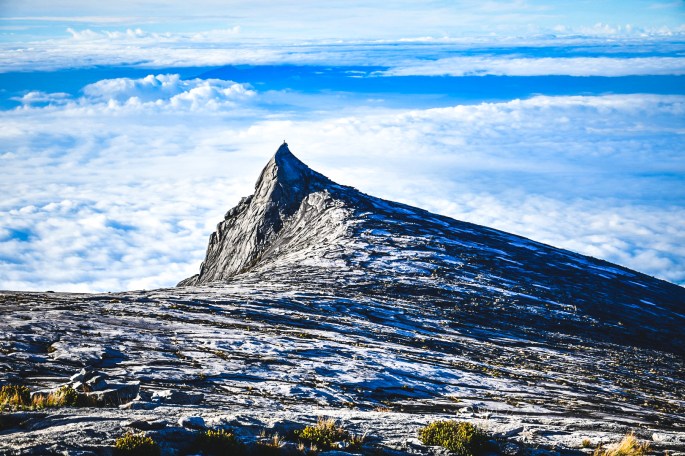
Above the clouds. Above doubt. Above everything. The view? Indescribable.
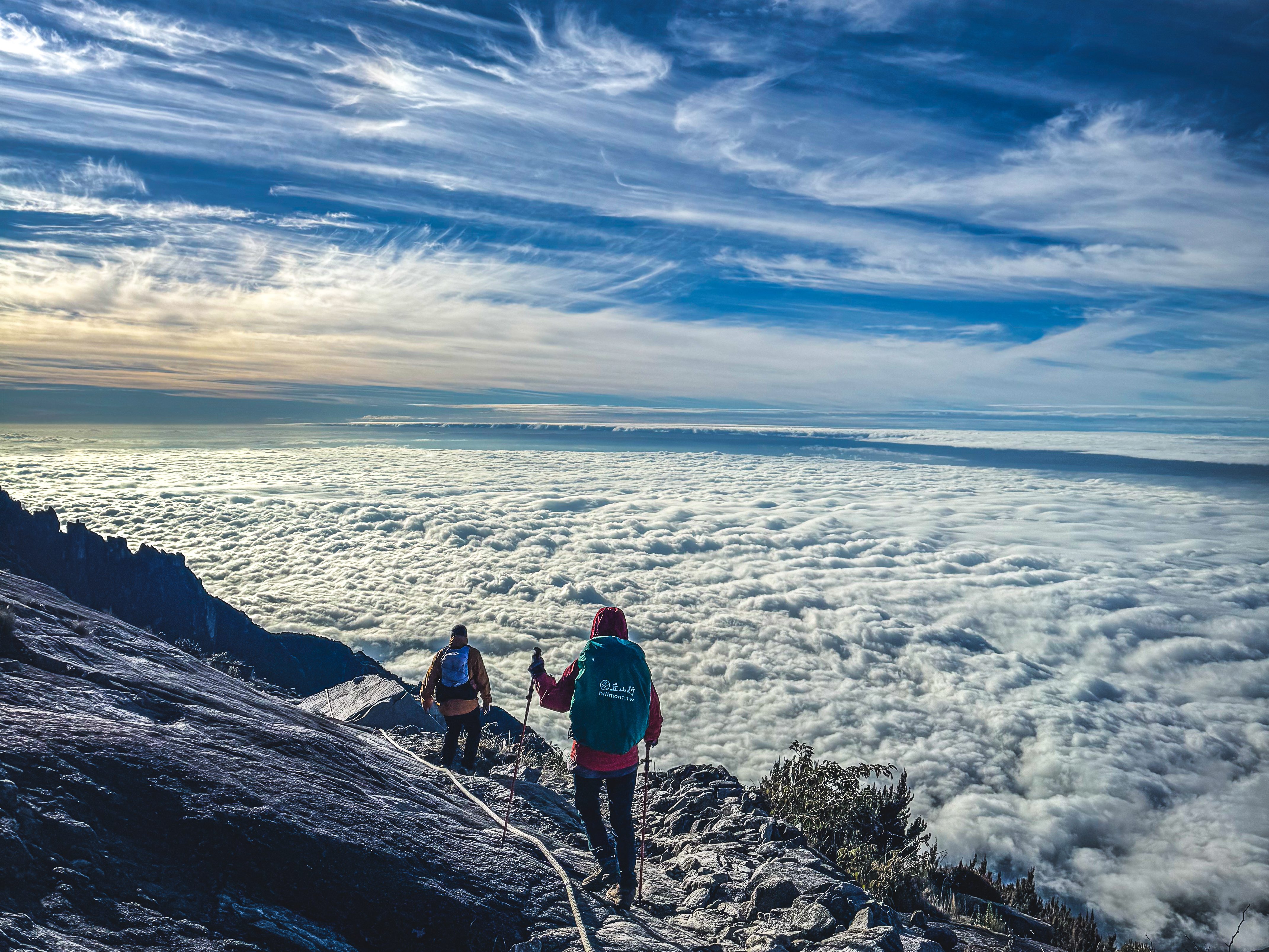
A sea of clouds stretched endlessly. The sunrise painted the sky in colors no camera could ever capture.
It wasn’t just a view. It was a moment of gratitude. “Thank you, Lord.”
The Descent: Slow, Steady, Grateful
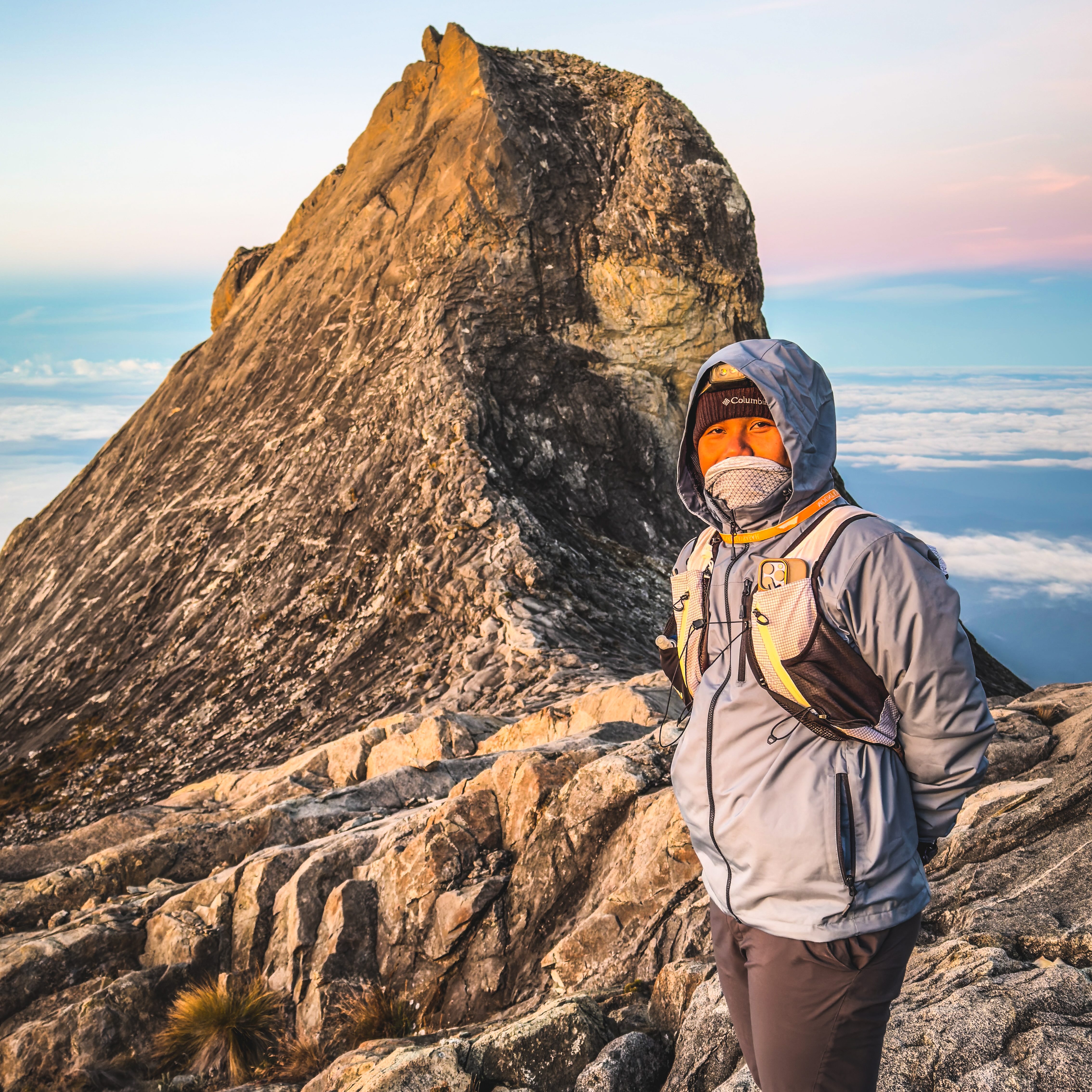
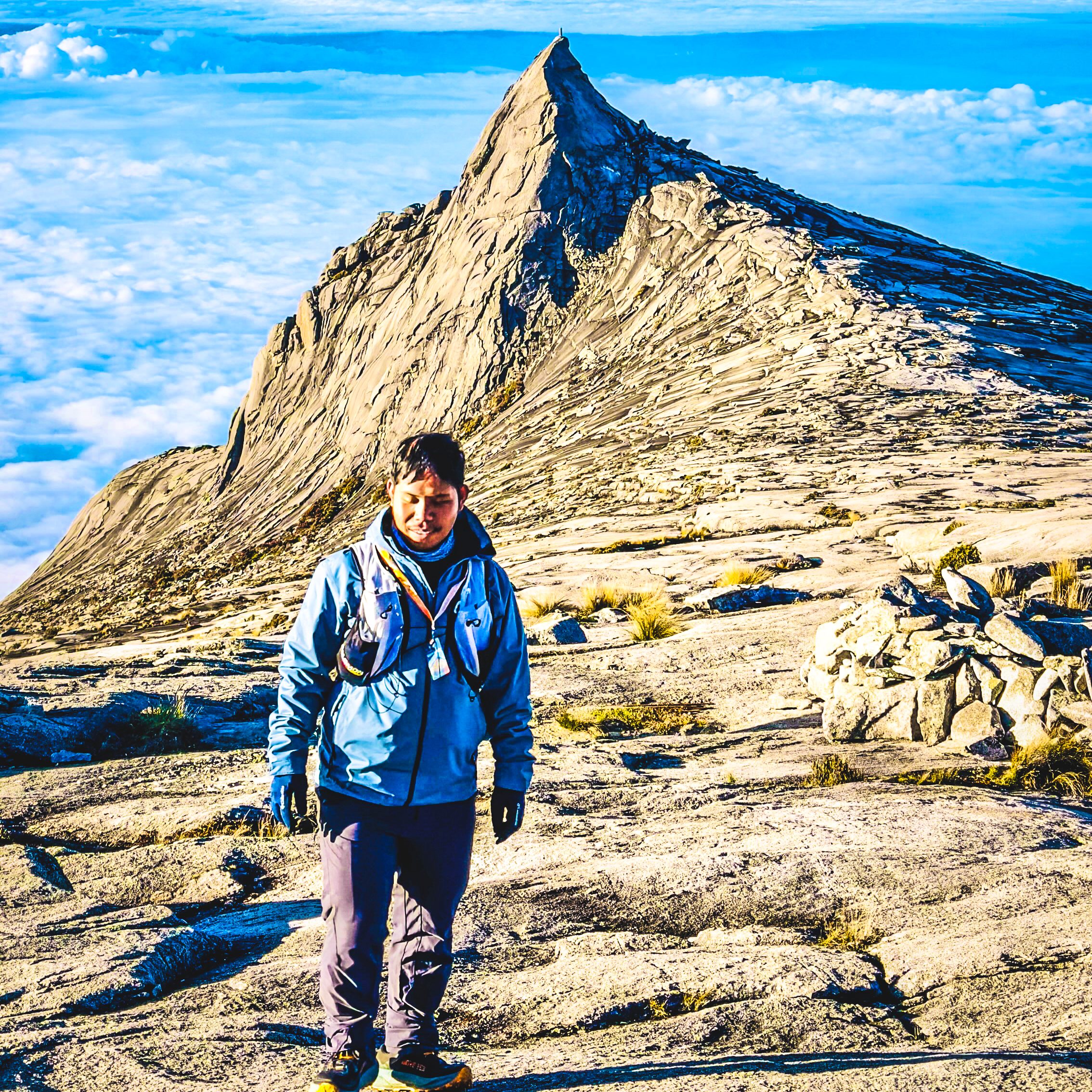
We didn’t rush going down.
This time, I walked slower—not because I had to, but because I wanted to.
To take it all in.
To remember.
Within less than 2 hours, we were back at base camp, had breakfast, and prepared for the long descent.
By past 1 PM, after enduring the punishing downhill stairs, we reached Timpohon Gate—the same place where it all began.
Final Thoughts: A True Chill Adventure
This wasn’t just a hike.
It was a journey of patience, resilience, and quiet strength.
Mt. Kinabalu reminded me that chill adventures aren’t about easy paths—they’re about staying grounded even when everything feels steep, cold, and uncertain.
And sometimes…
The most unforgettable climbs are the ones you never thought you could finish.
Frequently Asked Questions (FAQs) About Mt. Kinabalu Hiking
1. How difficult is hiking Mt. Kinabalu for beginners?
Mt. Kinabalu is considered a moderate to challenging hike, even for beginners. The trail is well-established and maintained, but the continuous steep stairs, long trekking hours, and high altitude (4,095 MASL) make it physically demanding. Proper preparation, pacing, and mental resilience are key to completing the climb.
2. How many days does it take to hike Mt. Kinabalu?
Most hikers complete Mt. Kinabalu in 2 days and 1 night:
- Day 1: Trek from Timpohon Gate to Panalaban Base Camp
- Day 2: Early morning summit push, then descend back to the jump-off point
This itinerary allows time for rest and basic altitude acclimatization.
3. What is the best time to hike Mt. Kinabalu?
The best time to hike Mt. Kinabalu is during the dry season (February to May) when the weather is more stable and visibility is clearer. However, mountain weather can still be unpredictable, so always be prepared for rain and cold conditions.
4. Do you need a permit to climb Mt. Kinabalu?
Yes, climbing Mt. Kinabalu requires a permit, a licensed guide, and accommodation booking at Panalaban Base Camp. Slots are limited daily, so it’s recommended to book at least 2–3 months in advance, especially during peak season.
5. What should I pack for a Mt. Kinabalu hike?
Essential items include:
- Layered clothing (for cold summit conditions)
- Headlamp or flashlight
- Hiking shoes with strong grip
- Gloves and bonnet for summit push
- Energy snacks and water
- Personal medication (especially for altitude sickness)
Packing light but smart is important for endurance and comfort.
6. How cold does it get on Mt. Kinabalu?
Temperatures at the summit can drop to around 0°C to 5°C, especially during the early morning summit push. Wind chill can make it feel even colder, so proper layering is essential.
7. Can you get altitude sickness on Mt. Kinabalu?
Yes, altitude sickness is common due to the rapid ascent. Symptoms may include headache, dizziness, nausea, and fatigue. Staying hydrated, pacing yourself, and resting properly at base camp can help reduce the risk.
8. Is Mt. Kinabalu worth it for first-time international hikers?
Absolutely. Mt. Kinabalu is one of the best international hiking destinations in Southeast Asia. It offers a unique combination of rainforest trails, high-altitude landscapes, and breathtaking summit views—making it a memorable and rewarding experience.
9. How long is the Mt. Kinabalu trail distance?
The total hiking distance is approximately 18 kilometers round trip:
- Around 6 km ascent to Panalaban Base Camp
- Additional 2–3 km to the summit
- Same route back down
10. What makes Mt. Kinabalu different from hikes in the Philippines?
Mt. Kinabalu stands out for its well-maintained trail system, structured rest stops, and strict park management. Unlike many Philippine mountains, it offers a more organized hiking experience—but the physical challenge, especially the stairs and altitude, remains intense.
11. How much does it cost to hike Mt. Kinabalu (organized hike)?
For this trip, we joined an organized Mt. Kinabalu hike, which made the entire experience more convenient and hassle-free.
We paid ₱27,500 per person for the event fee, which already included:
- Accommodation for acclimatization (hostel stay)
- Roundtrip transportation (city to Kinabalu Park)
- Licensed guide fees
- Climbing permits and park entry
- Overnight stay at Panalaban Base Camp hut
- Event shirt
However, there were additional out-of-pocket expenses, such as:
- Medical certificate (required before the climb)
- Flight from MNL to Kinabalu
- Personal meals and snacks
- Medications (for altitude sickness, etc.)
- Extra personal gear or equipment
- Guide tips
- Completion certificate and medals (optional items that can be bought at the Kinabalu Park Office)
Overall, joining an organized hike is a cost-efficient and stress-free option, especially for first-time international hikers, since permits and logistics for Mt. Kinabalu can be difficult to secure independently.
I hope this adventure inspires and prepares you for your own #ChillAdventures. Remember—every summit reached is just one more step closer to your next great chill adventure.
For more hiking stories, travel tips, and hidden gems in the Philippines, follow Chill Adventures with Joms across all social media platforms.
Till the next blog, mga ka-Ahon—see you on the trails.


