

“One’s destination is never a place, but a new way of seeing things.”
— Paulo Coelho
If Mt. Nangtud taught me how to fight for my life, then Mt. Madja-as reminded me why I keep coming back to the mountains.
After surviving dangerous ridges, endless river crossings, and one of the hottest hikes I had ever experienced in the Panay Trilogy, we headed to its highest peak — Mount Madja-as standing at 2,117 masl.
But this climb felt different from the start.
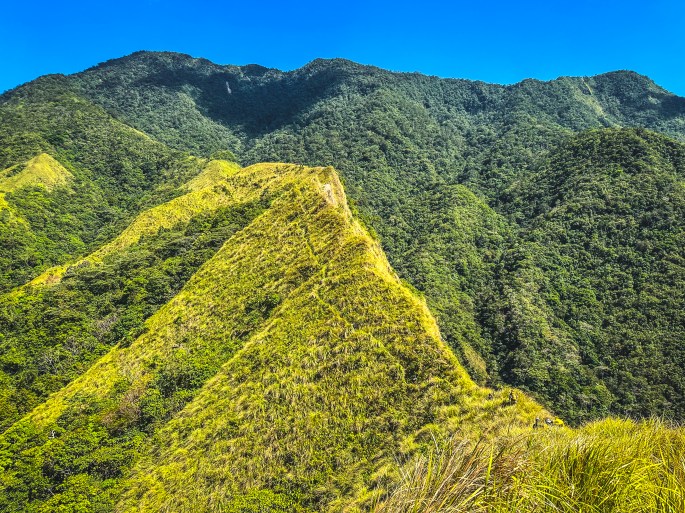
The last time I climbed Mt. Madja-as through the Aklan–Antique traverse, it became the first mountain that made me cry. Not because it defeated me physically, but because it humbled me in ways I could never explain. It was painful, beautiful, unforgettable — the kind of adventure that stays with you forever.
So, when I found myself preparing to climb it again, this time via the Bantang Trail of Barangay Flores in Culasi, Antique, I knew the mountain would once again teach me something new.
And it did.
Rest Day Before Another Adventure
After our Mt. Nangtud climb, we had one full day to recover. We washed our muddy clothes, let them dry under the heat of the sun, and tried to give our exhausted bodies a little rest.
But mountain adventures never really slow down.
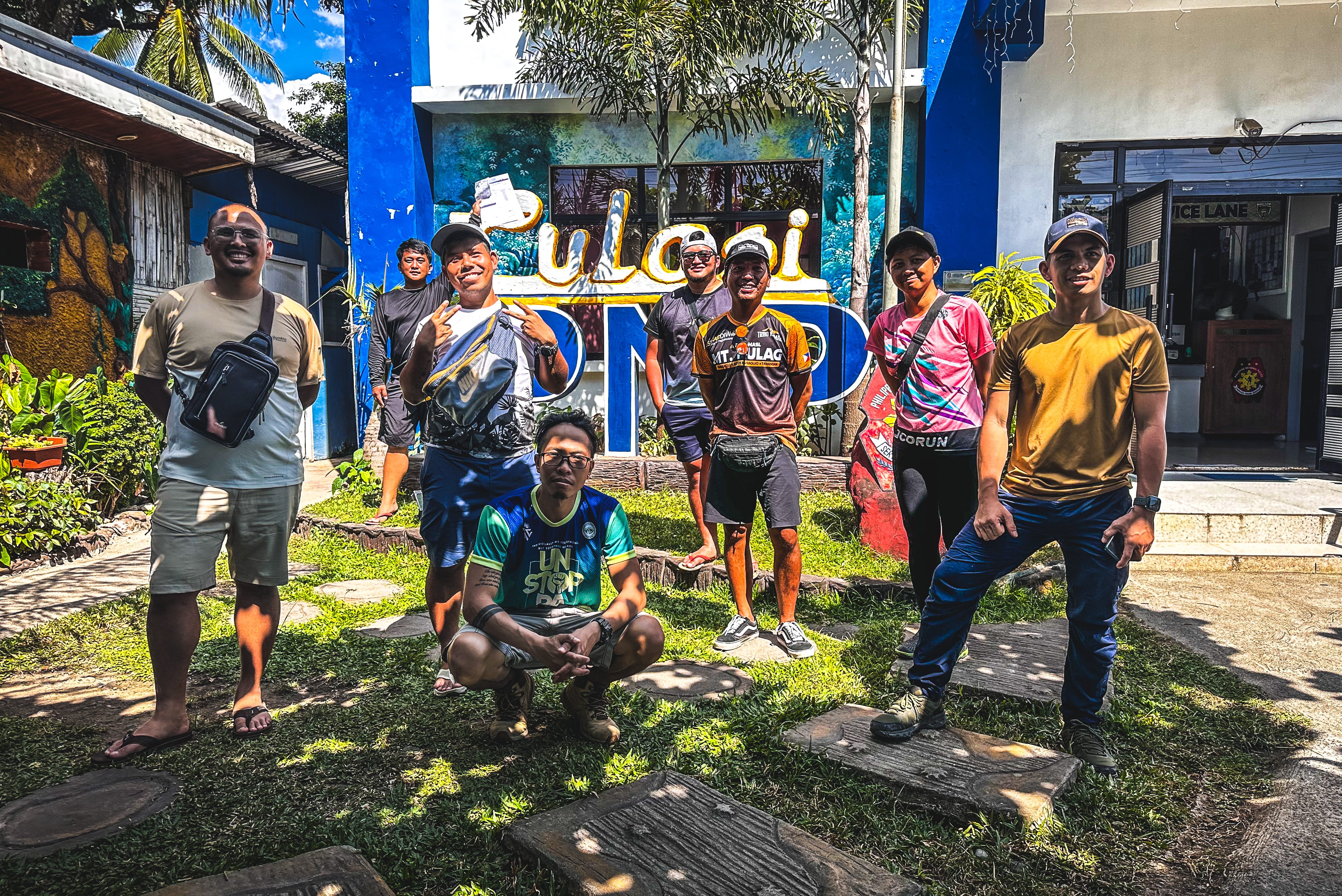
From Barbaza, Antique town office, less than an hour later, we were already at the tourism office and police station in Culasi to complete our registration. After buying supplies, locals picked us up on motorcycles for the ride to the house of Tatay Josue — a legendary guide of Mt. Madja-as for decades.
The ride itself already felt like part of the adventure.
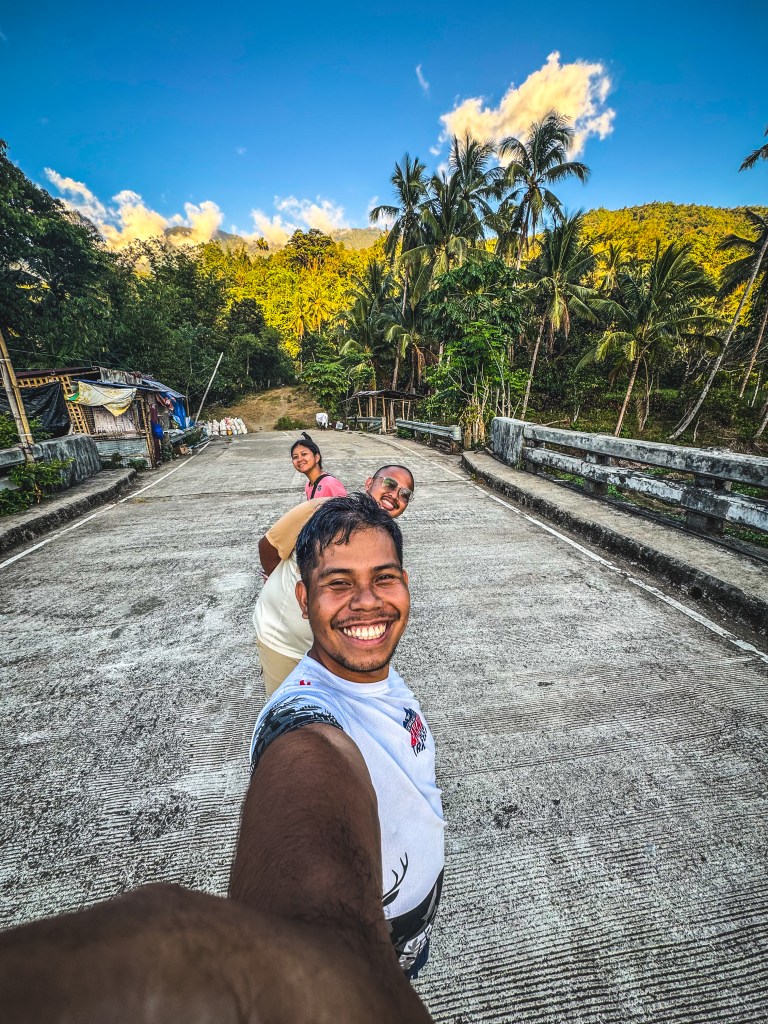
We arrived at Tatay Josue’s house past 3 PM after nearly an hour of rough mountain roads. Despite our exhaustion, Tatay welcomed us warmly. He even prepared a comfortable room where we could finally rest after the brutal Mt. Nangtud hike the day before.
That simple kindness felt heavier than luxury.
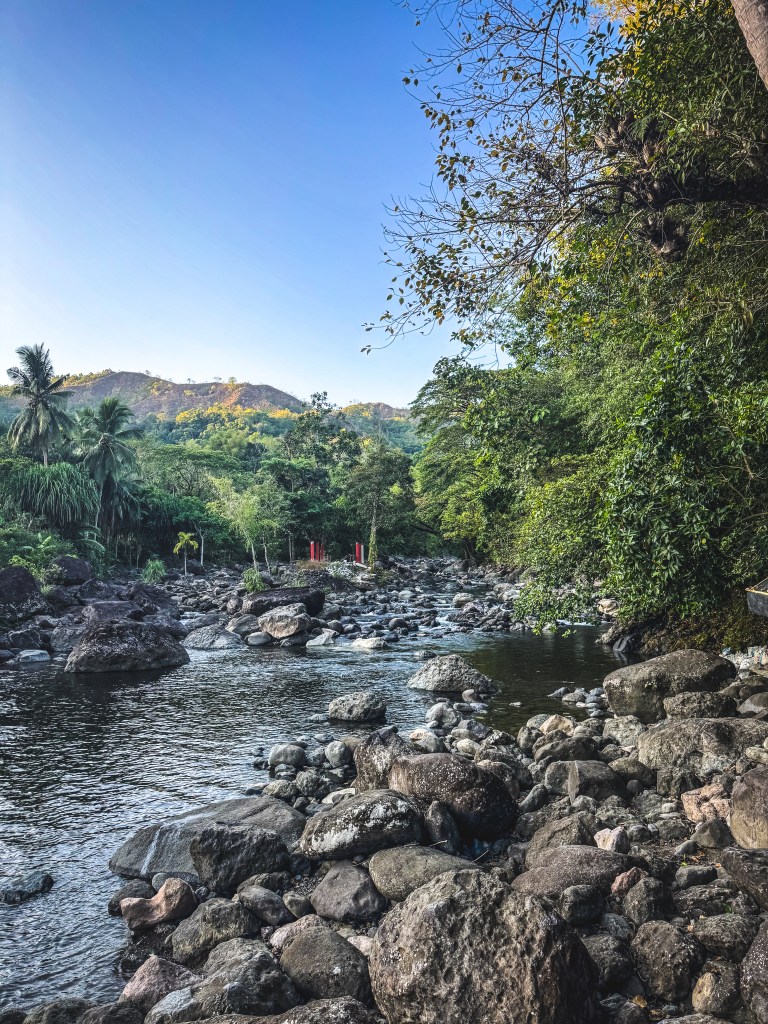
Before nightfall, we explored the barangay, visited the famous river nearby, organized our gear, shared stories with the group, and slowly settled into the calmness of mountain life.
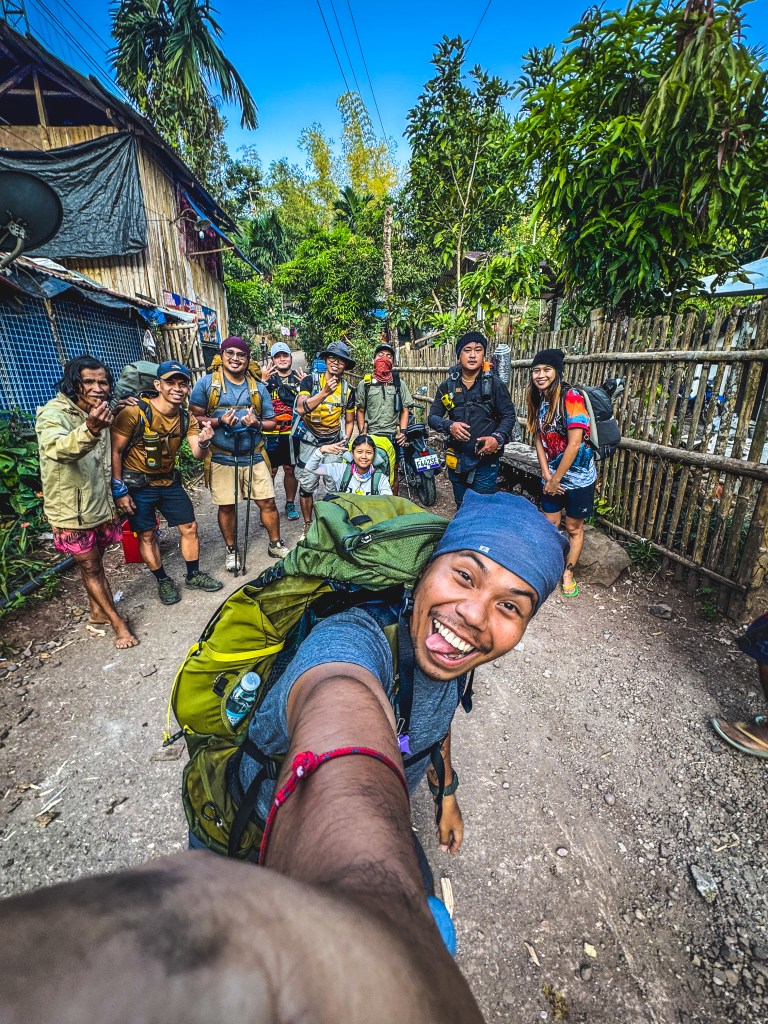
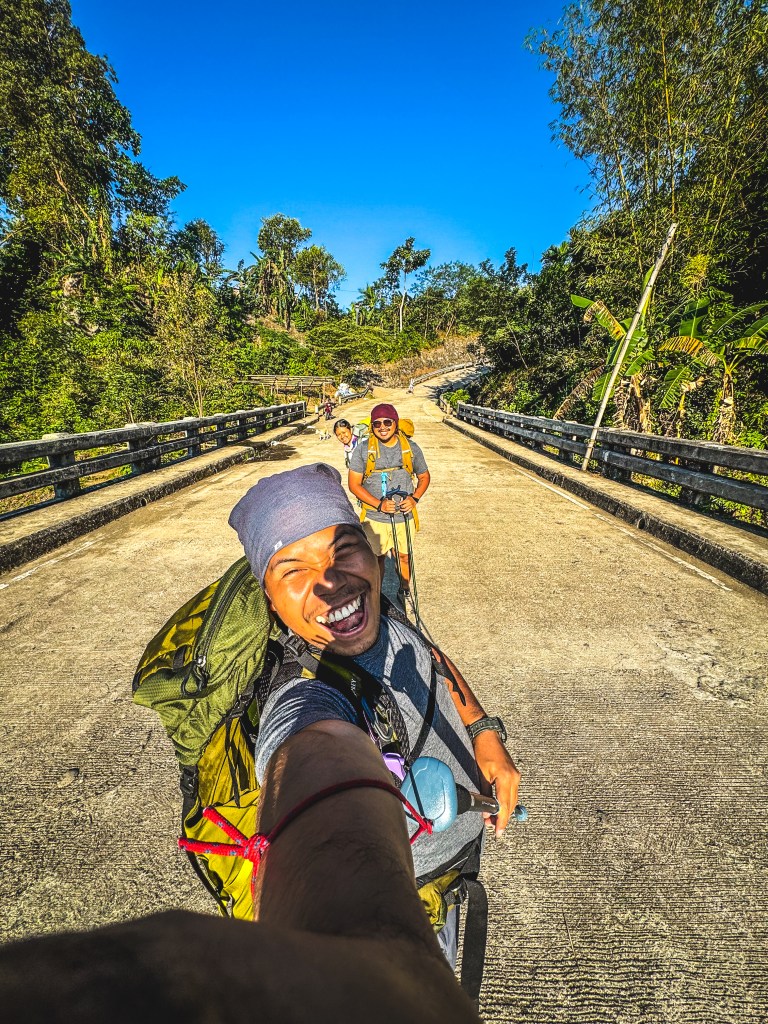
Then morning came.
Another mountain.
Another story.
Another chill adventure.
At around 7 AM, we officially began our 3-day, 2-night journey to the summit of Mt. Madja-as via the Bantang Trail.
Time and Trail: The Bantang Route of Mt. Madja-as
From Tatay Josue’s house — the jump-off point — we crossed a bridge and walked through quiet farming communities surrounded by crops and rolling hills.
Fifteen minutes later, the ascent began.
And it never seemed to stop.
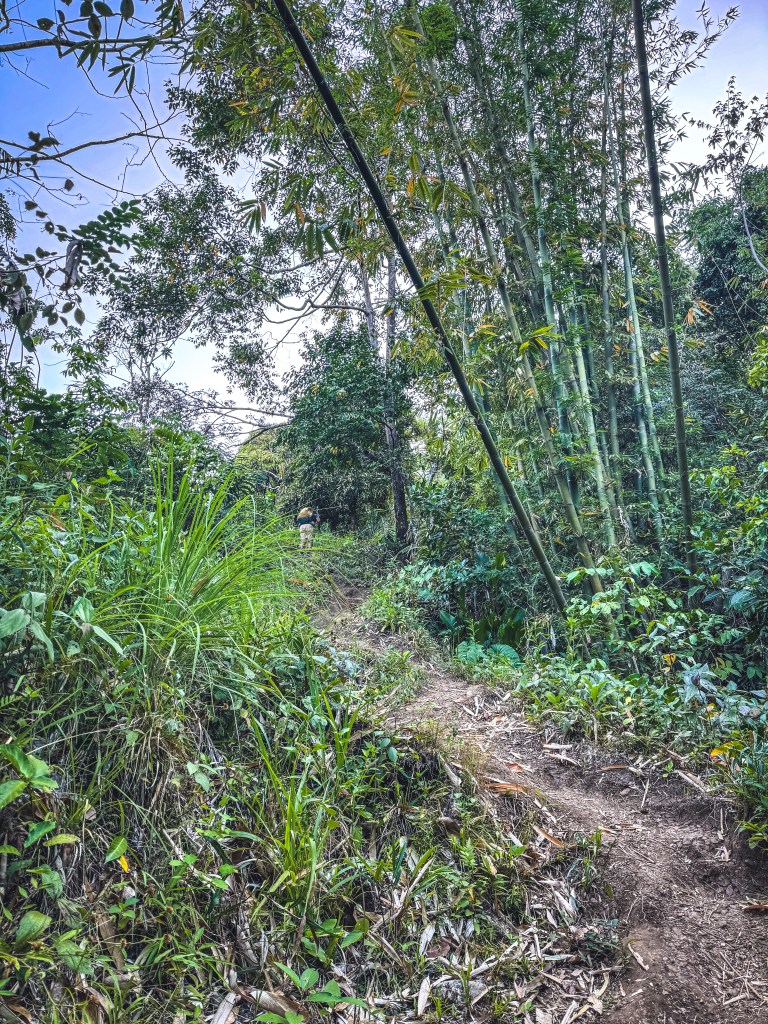
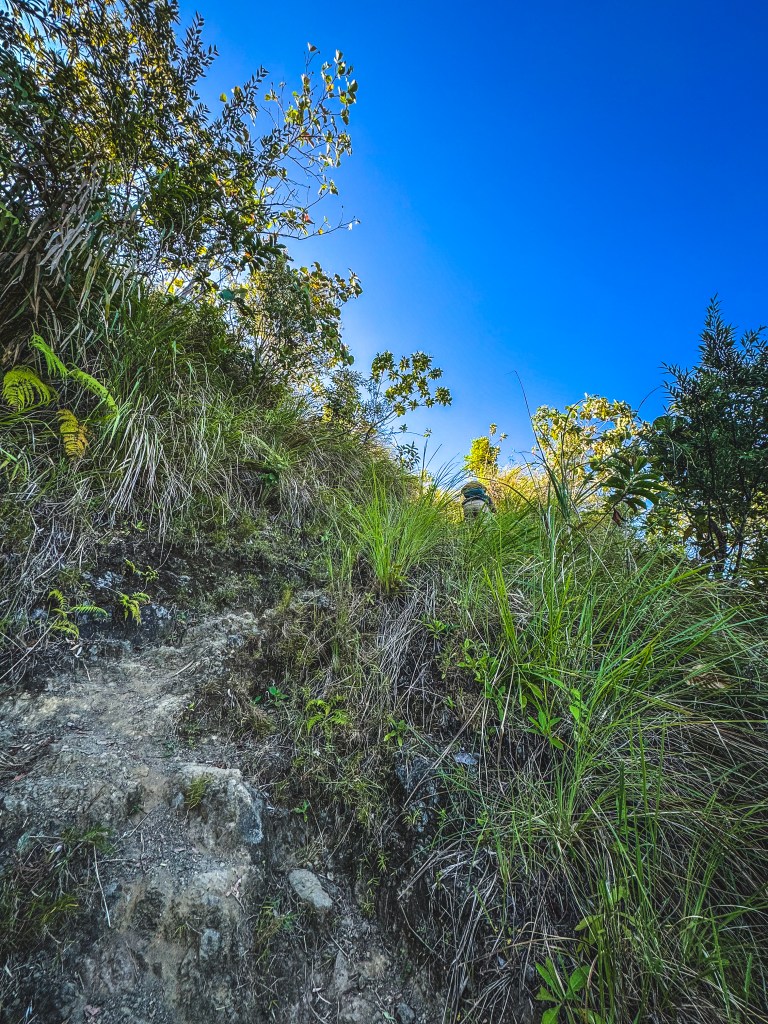
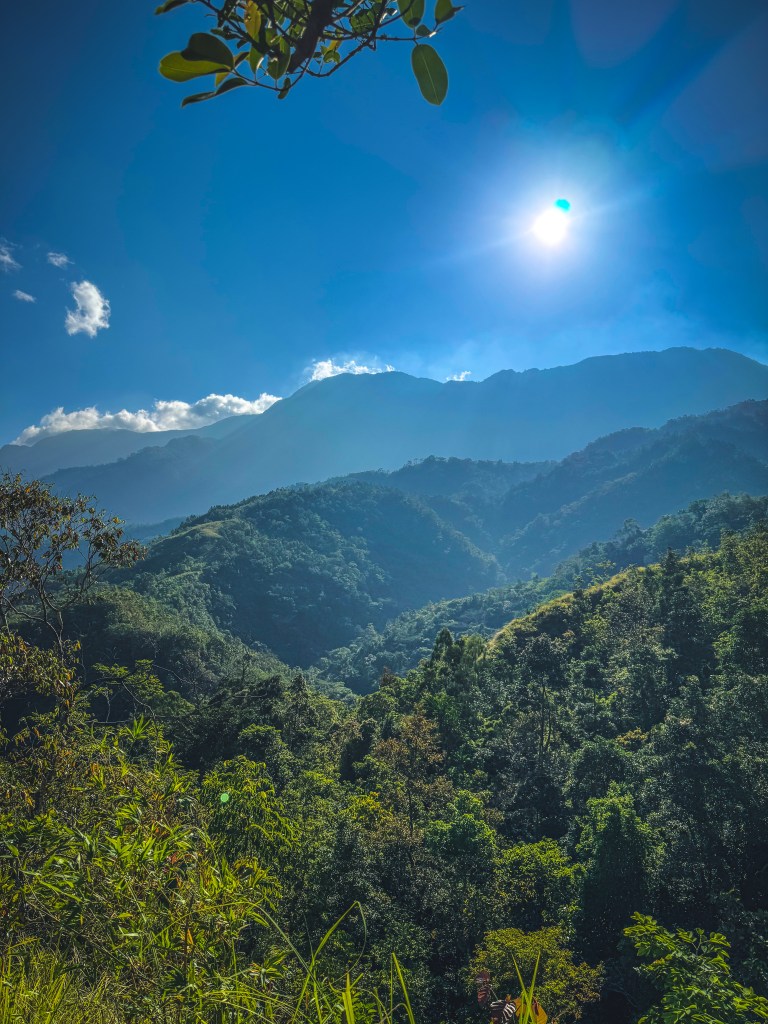
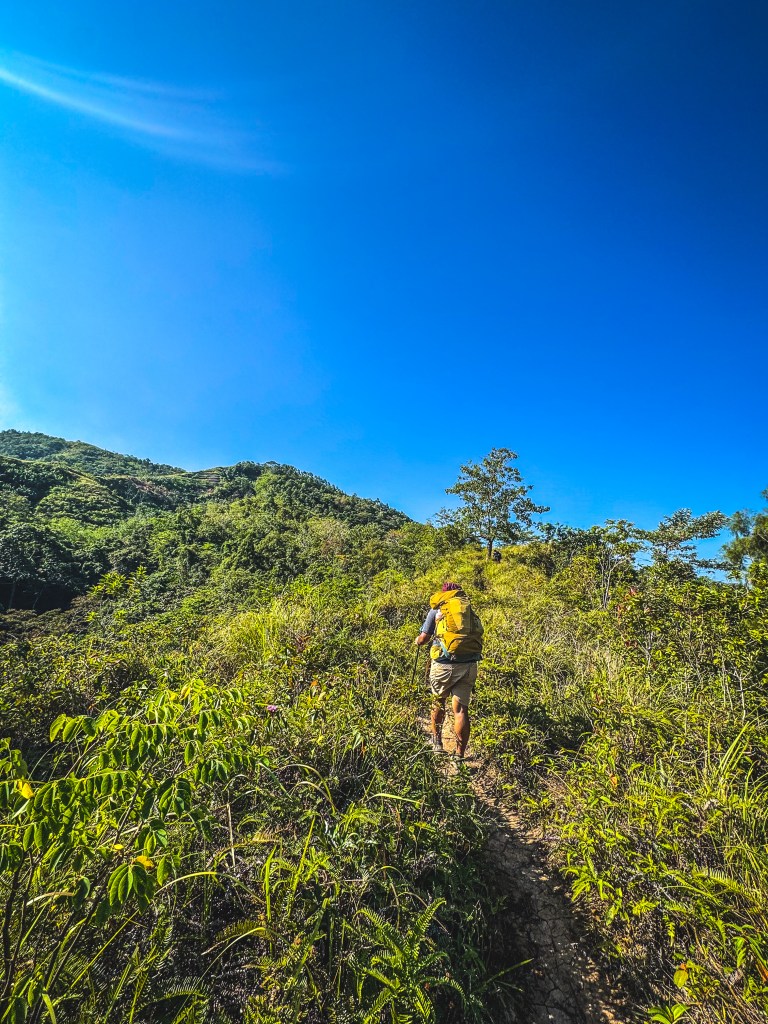
The trail itself was manageable, especially since locals regularly used it, but months without rain made the sandy ground slippery and unstable. Every step demanded effort. With heavy backpacks and the intense heat already draining our energy, even breathing started to feel difficult.
Still, we pushed forward.
After about an hour of continuous ascent, we reached Tatay Josue’s farmhouse at the foot of the mountain — the first water source along the trail. We rested briefly before continuing under the unforgiving heat.
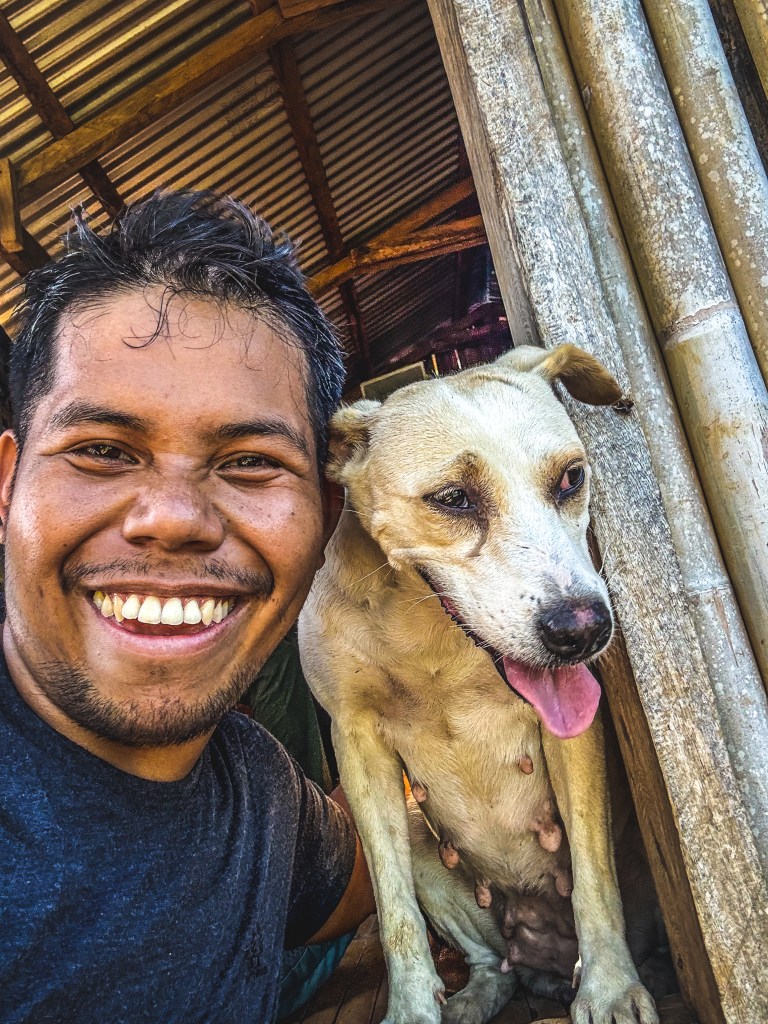
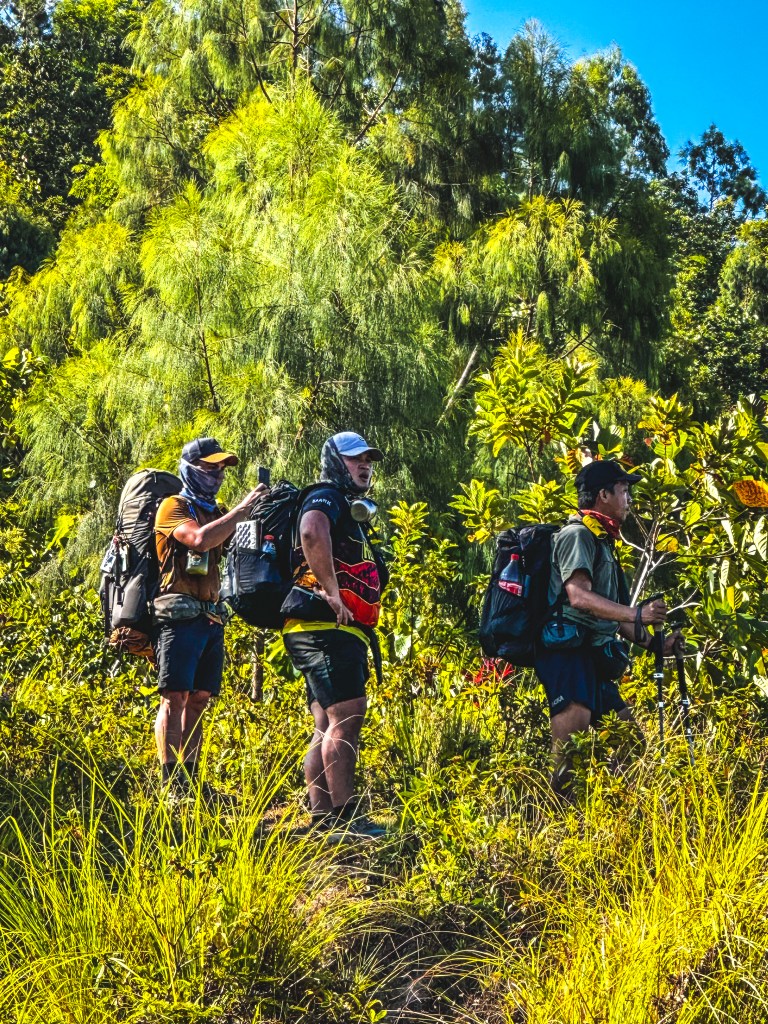
Even Tatay’s dog, who guided us along the trail, seemed tired from the climb.
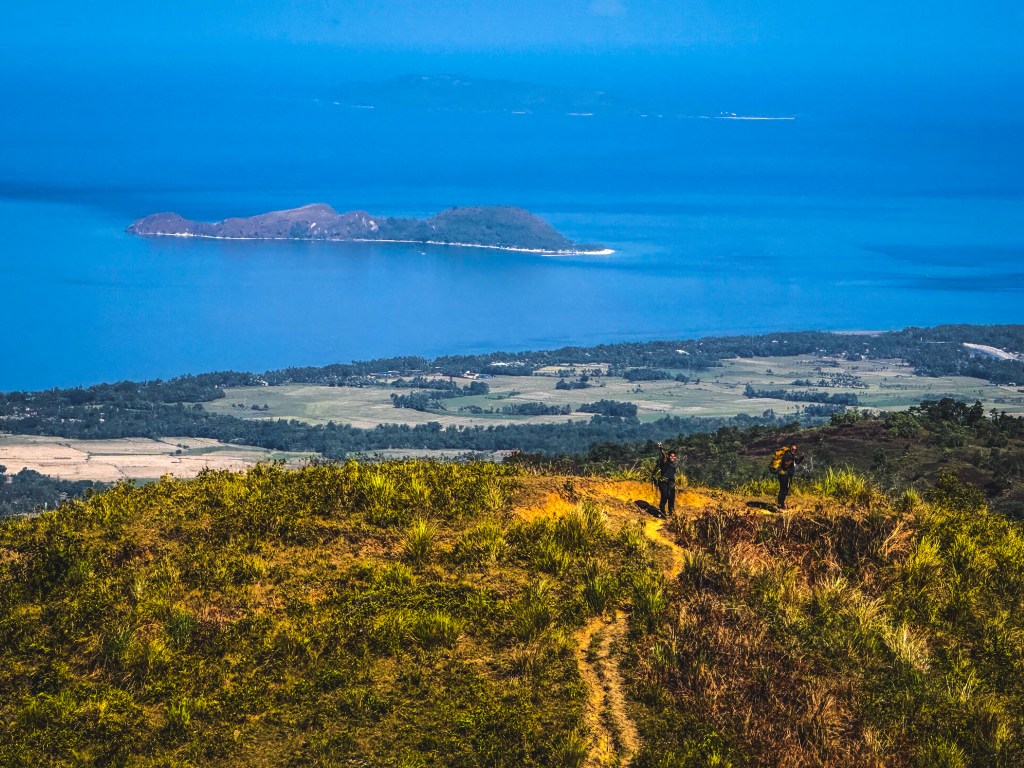
An hour later, we arrived at a viewpoint overlooking the coastline of Culasi. The heat was overwhelming, but the view was the kind no camera could ever truly capture. It was raw, vast, and peaceful all at once.
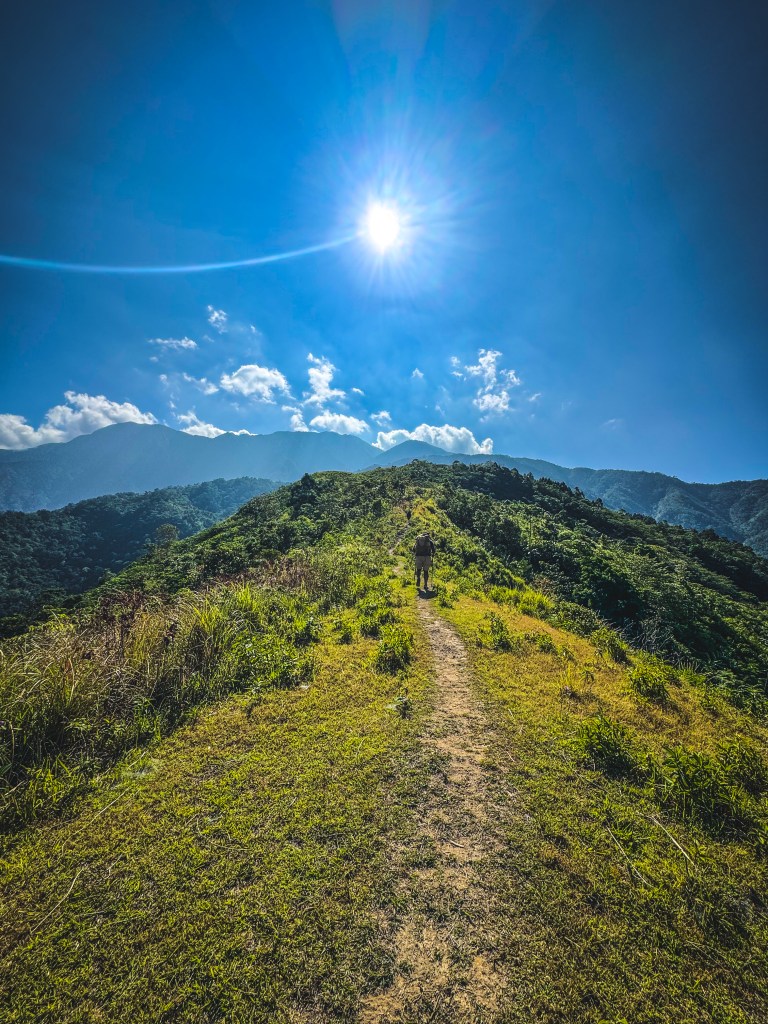
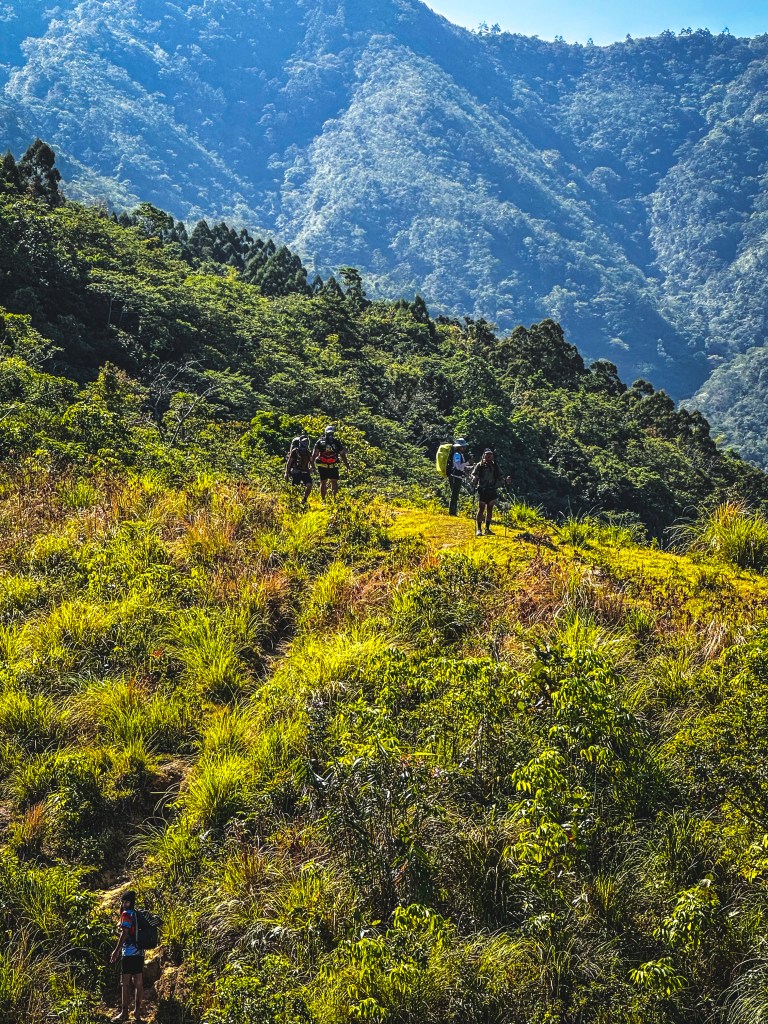
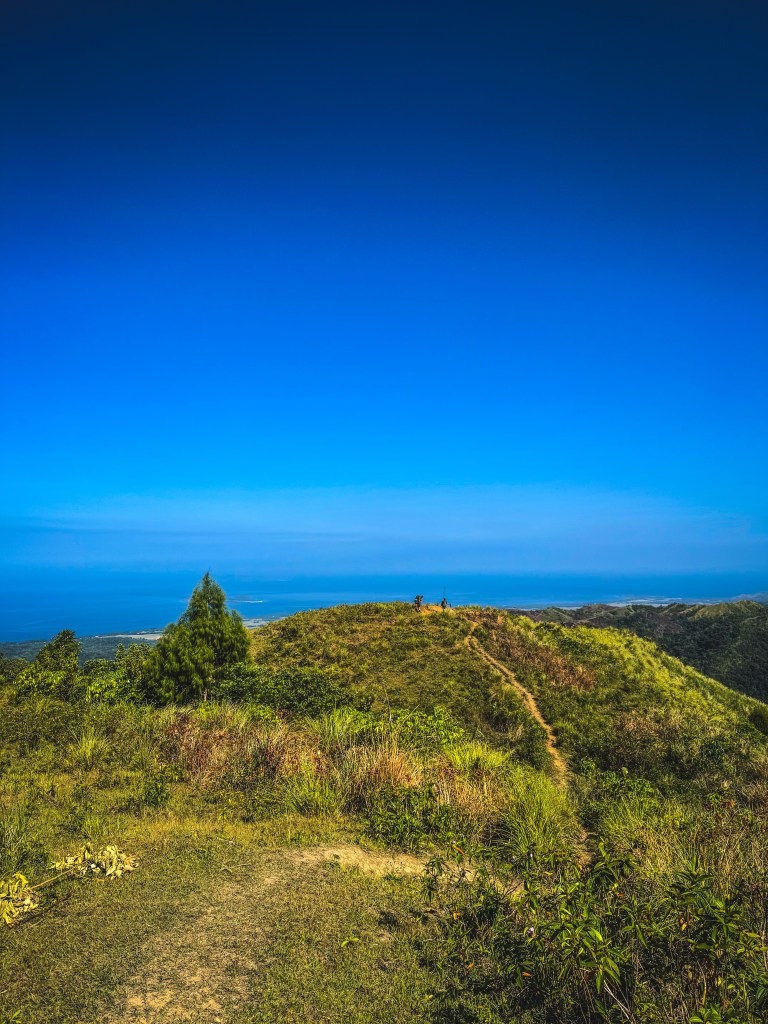
After another hour and a half of climbing, we finally entered the forested section of the trail. There were short stretches of flatter terrain, but the ascent remained relentless.
We stopped for an early lunch near the second water source, located around 15 to 30 minutes off-trail. The cold water and shaded forest gave us a much-needed break from the scorching sun.
As we climbed higher, the air slowly turned colder. The dense forest canopy protected us from the heat while the sounds of nature replaced the noise of the lowlands.
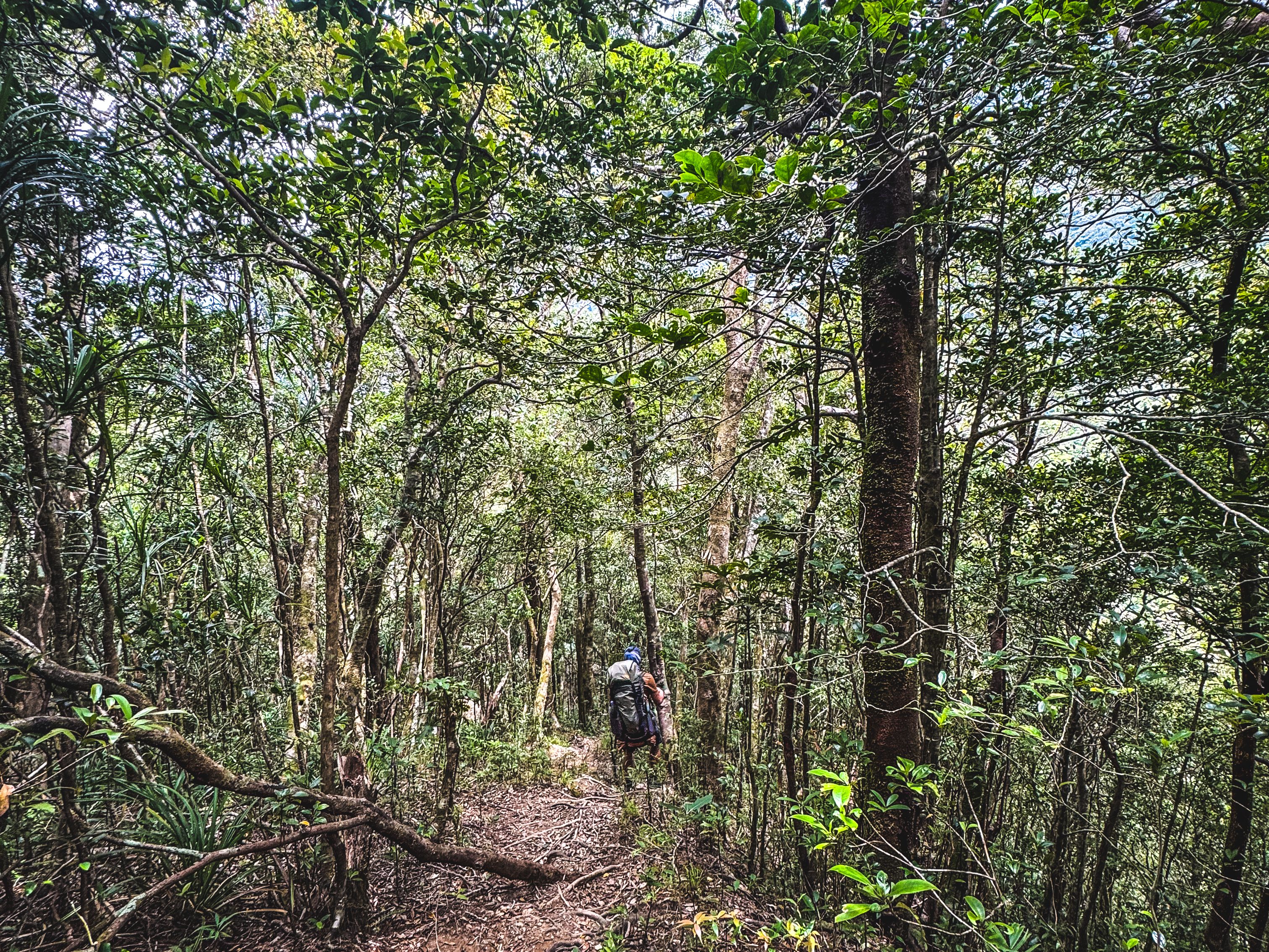
An hour later, we reached a junction leading to a short descent toward the campsite.
From a distance, we could already hear the roaring river.
The forest grew thicker.
The air grew colder.
And somehow, the mountain felt more alive.
At around 12:30 PM, we arrived at Bantang Campsite, sitting at approximately 1,000 masl.
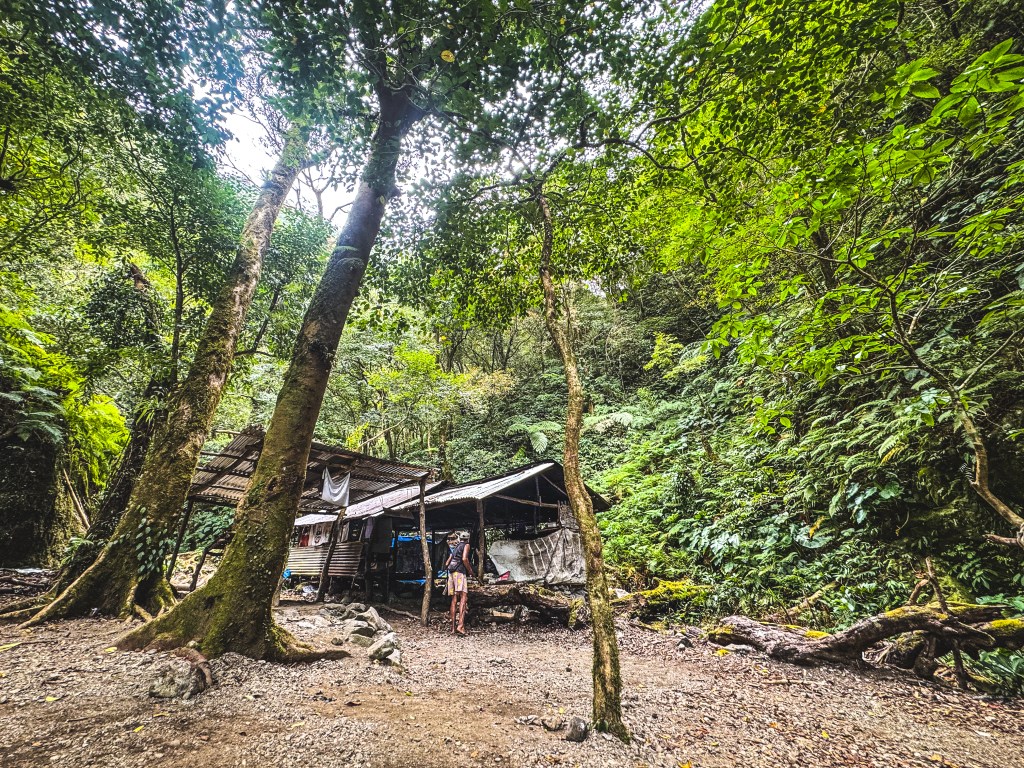
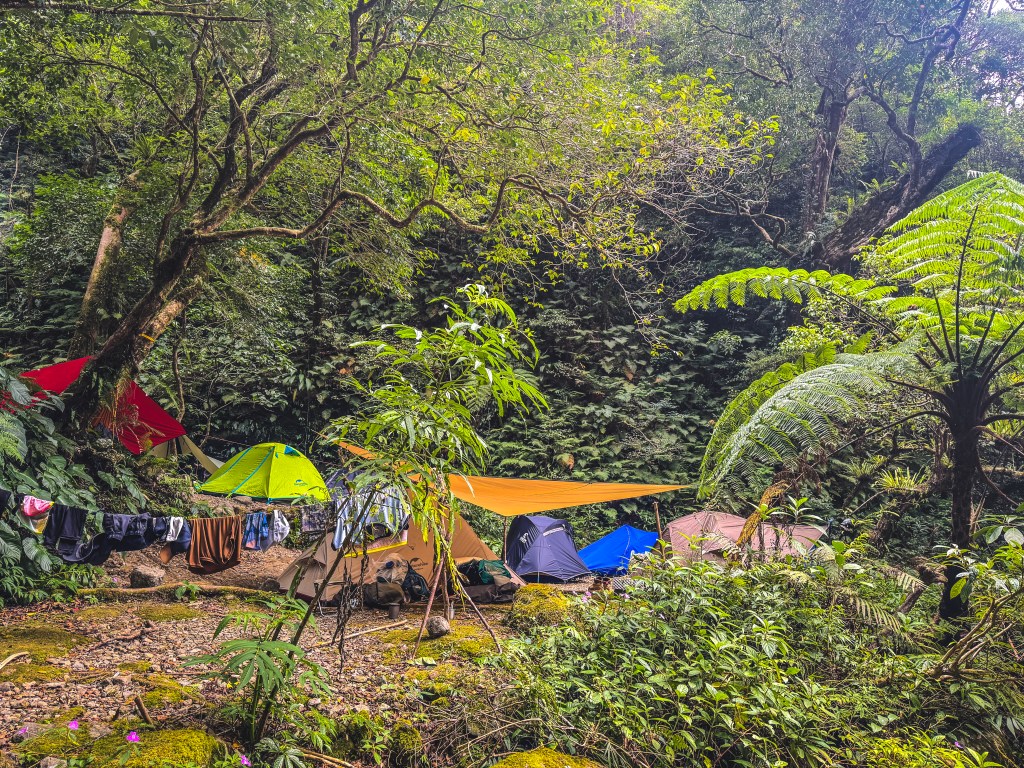
Locals told us to avoid making too much noise because the place was believed to be enchanted. Stories of a mysterious white lady seen by hikers over the years still circulate among guides and locals.
Five straight hours of ascent under brutal heat just to reach the campsite — and yet the cold river waiting there made every step worth it.
Without hesitation, we dipped into the freezing water.
My exhausted body badly needed that reset.
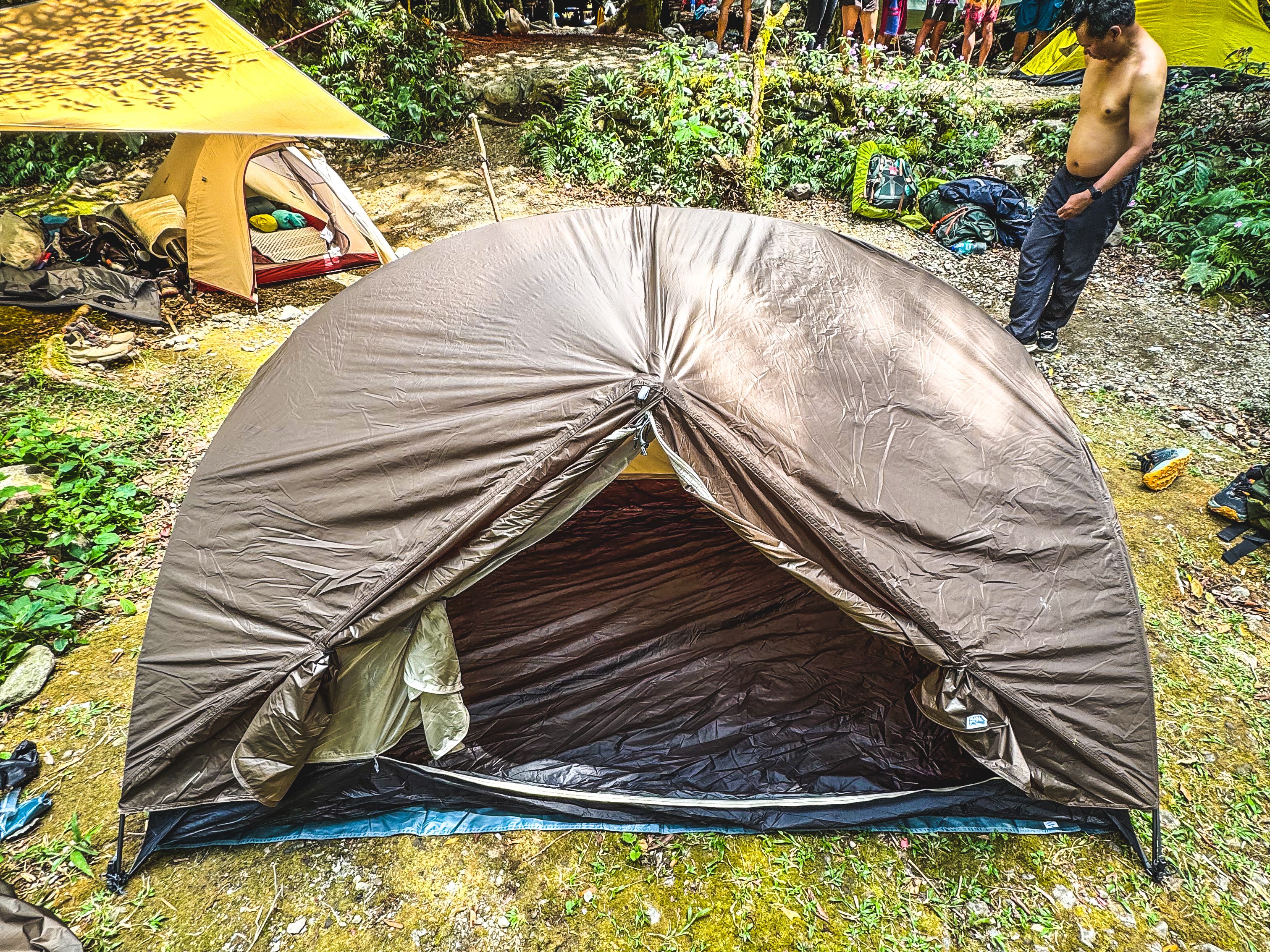
As evening arrived, we set up camp, shared food and stories, laughed through our exhaustion, and rested early for the summit push ahead.
Summit Push: Chasing Sunrise Above the Clouds
At 3 AM, the campsite was already alive with movement.
The cold was intense. Some groups had already left for the summit while we quietly prepared our breakfast and gear.
A few minutes before 4 AM, we began climbing.
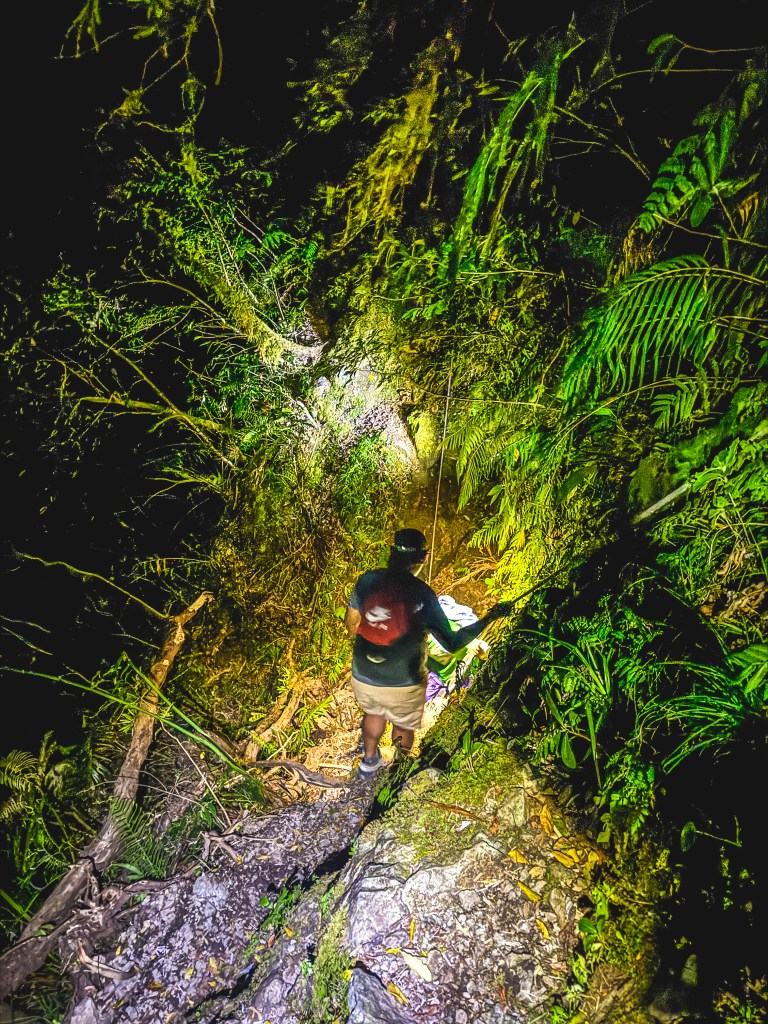
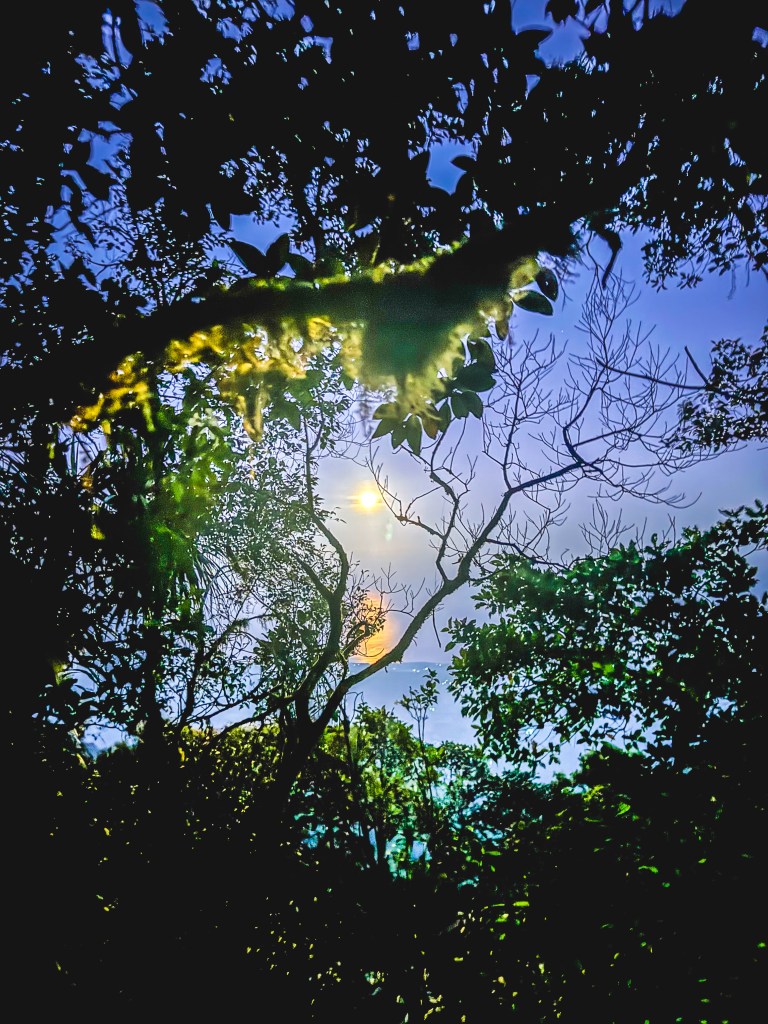
According to our local guide Jen, the trail ahead had almost no “banayad” or easy sections.
“Assault, short descent, assault again, ridges, then more assault,” she warned.
And she was absolutely right.
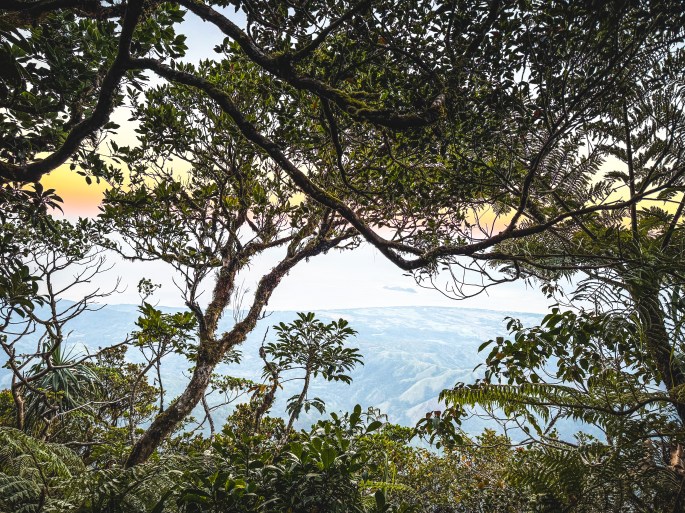
The trail was pitch black, illuminated only by our headlamps cutting through the thick forest. We climbed over giant tree roots, descended slippery sections with ropes, and carefully navigated moss-covered rocks.
More than an hour later, we reached Libug Falls.
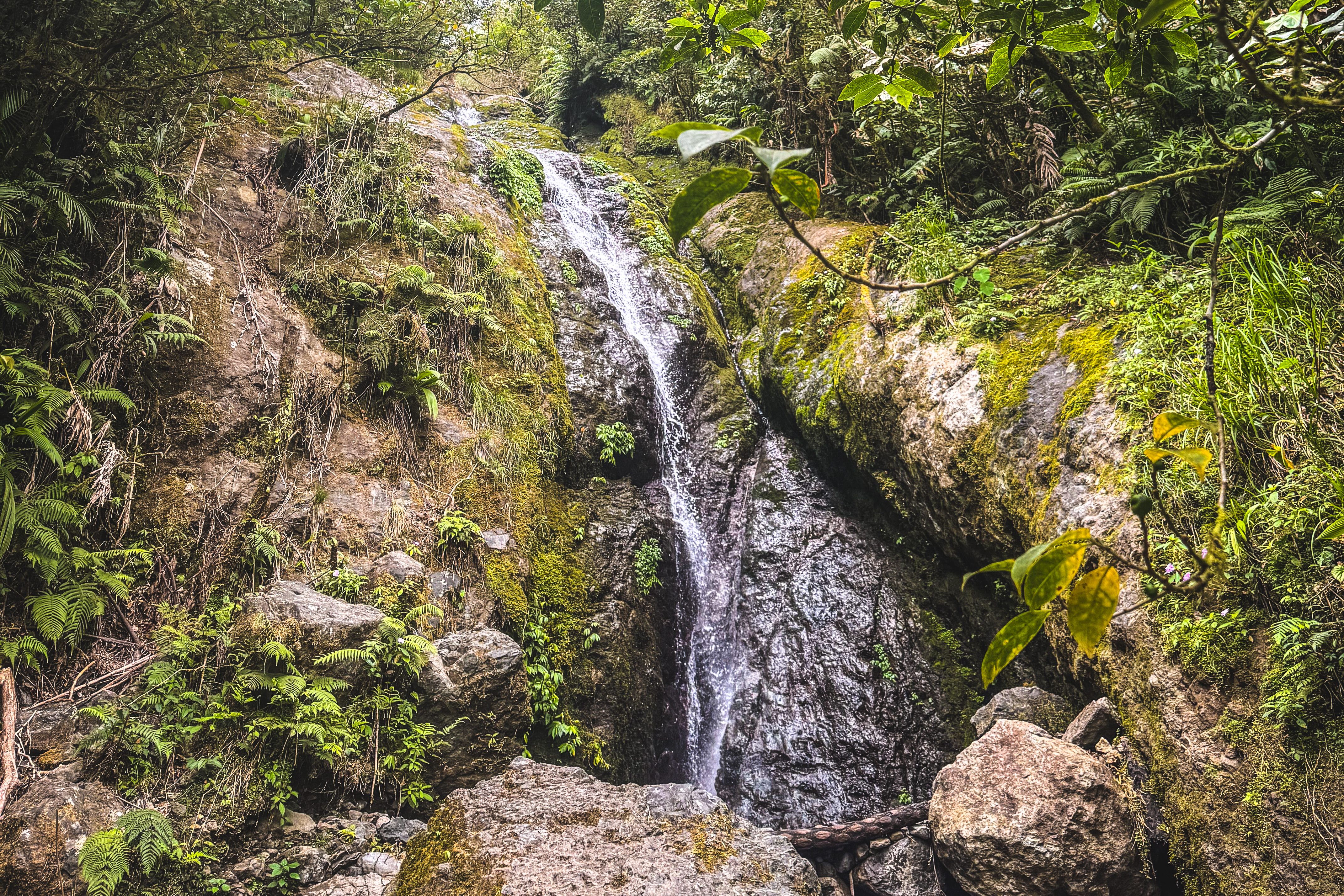
The freezing water crashing through the darkness felt refreshing and intimidating at the same time.
From there, the ascent became steeper.
Because of soil erosion caused by increasing foot traffic, many sections had become dangerously slippery. Yet despite the mountain’s difficulty, this trail remained popular among both beginner and experienced hikers because it was still considered more manageable compared to the other routes of Mt. Madja-as.
After another exhausting climb through weeds, roots, and steep terrain, we finally reached the first viewpoint.
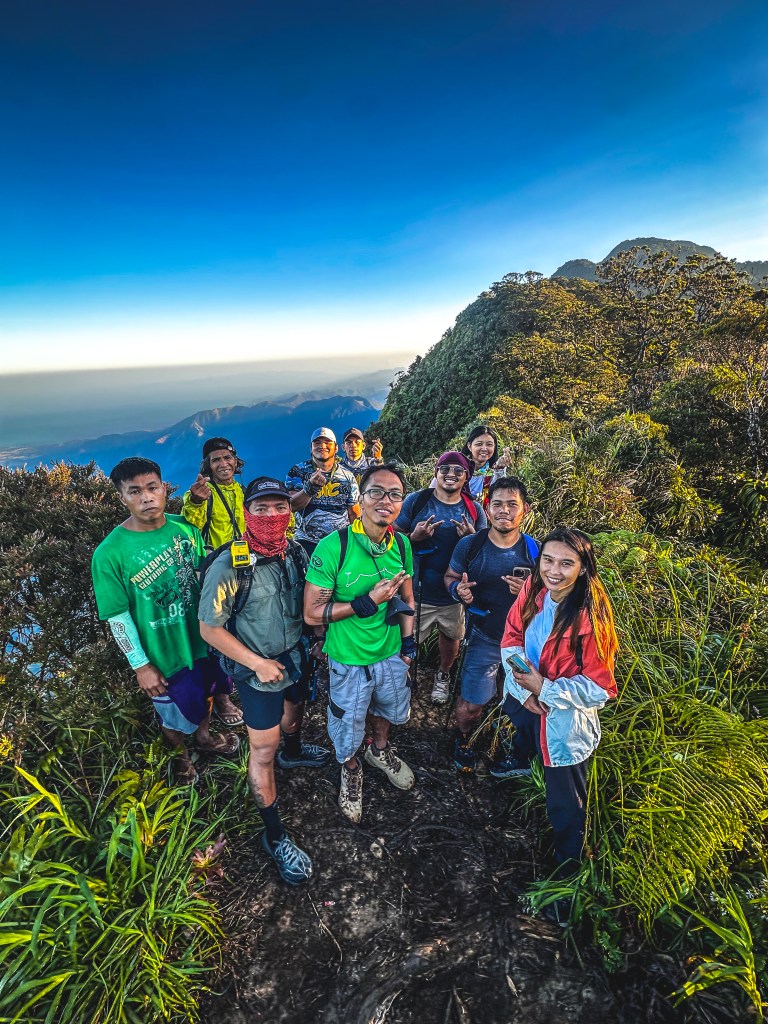
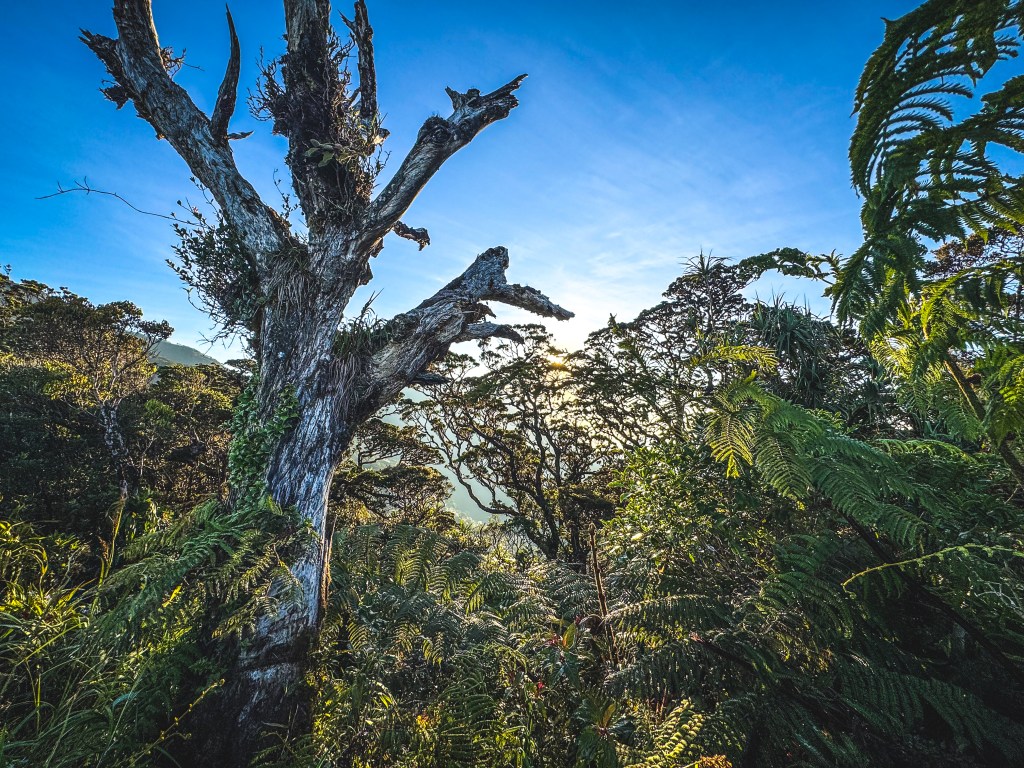
The timing was perfect.
Clear blue skies slowly appeared while the golden morning sun lit up the mountains around us. The exhaustion disappeared, even if only for a moment.
We descended briefly to another water source before climbing again toward one of the most breathtaking parts of the trail.
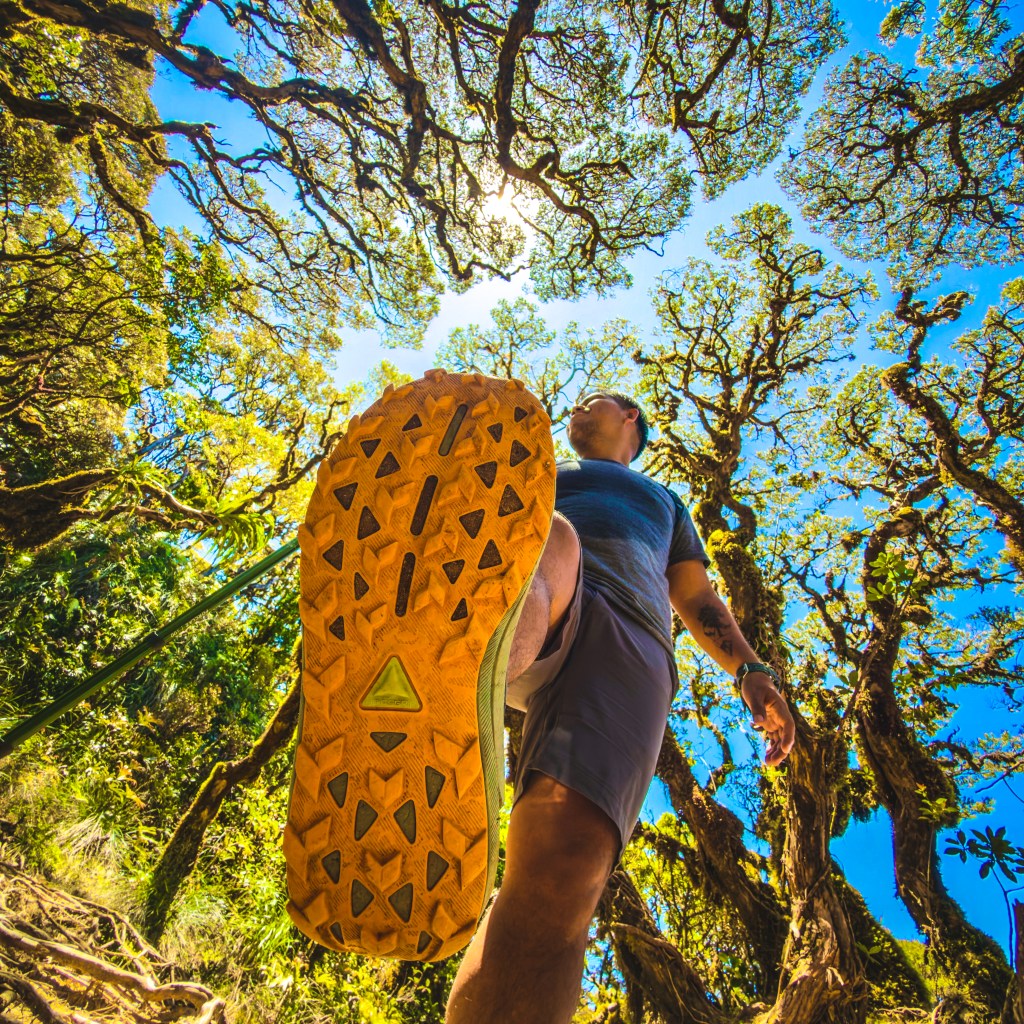
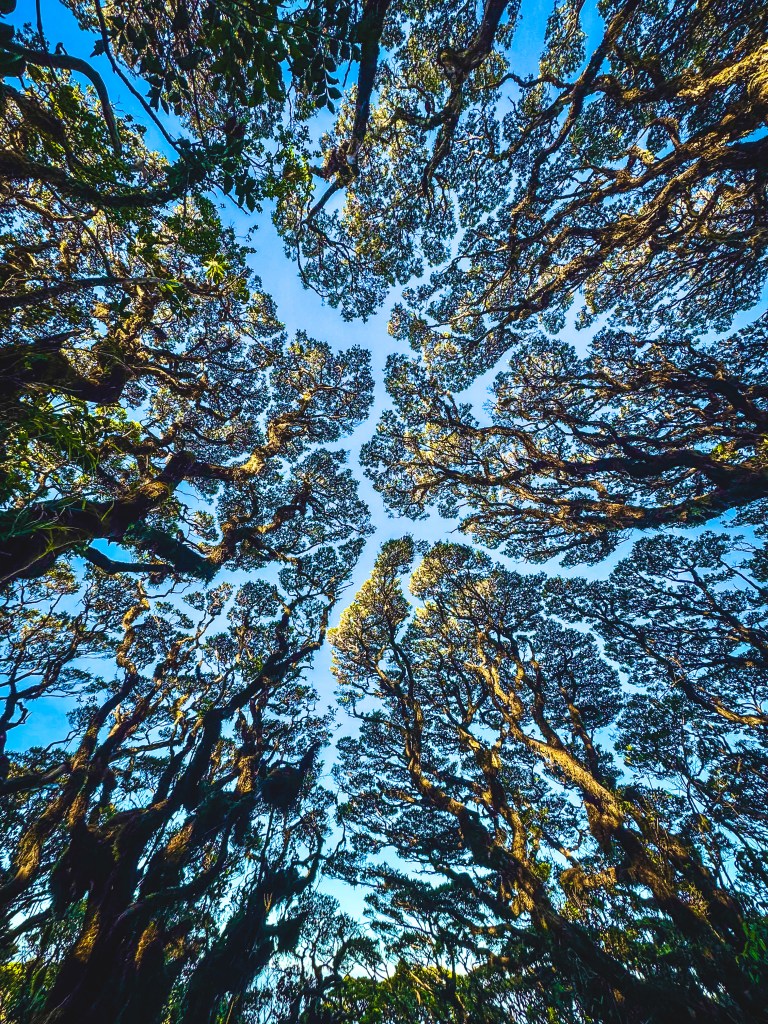
The Crown Shyness.
I had not seen it clearly during my previous traverse via Panipiason, Aklan. But this time, nature revealed it perfectly.
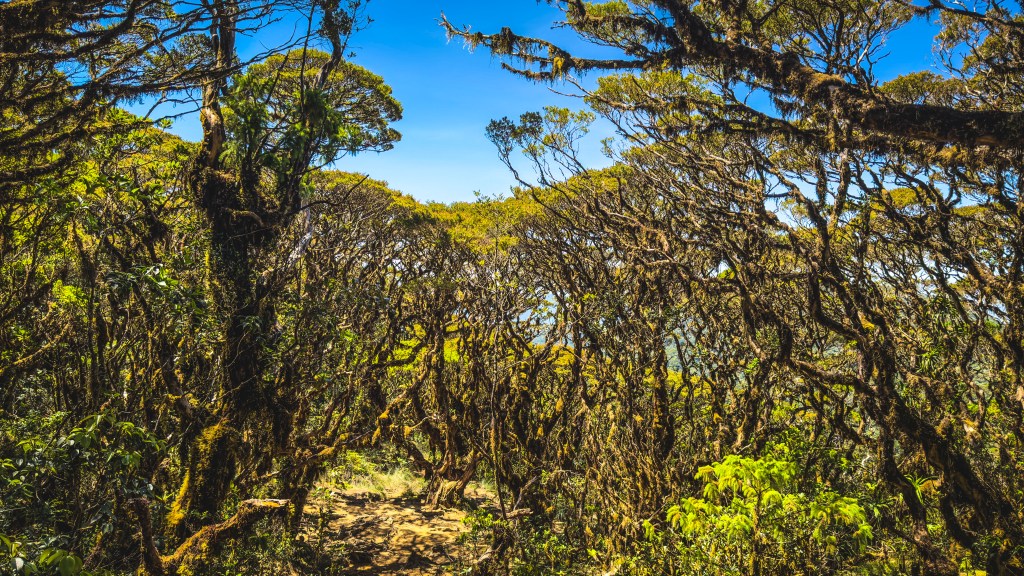
Towering century-old trees stood side by side, their crowns never touching — as if they naturally respected each other’s space. It looked surreal, almost impossible.
We stayed there quietly for a while, simply appreciating the wonder around us.
Then the climb continued.
We passed through a beautiful bonsai forest and crossed exposed ridges while the mountain slowly revealed more of its wild beauty.
At one point, I found myself climbing alone while my partner and the others moved ahead. Honestly, I did not mind.
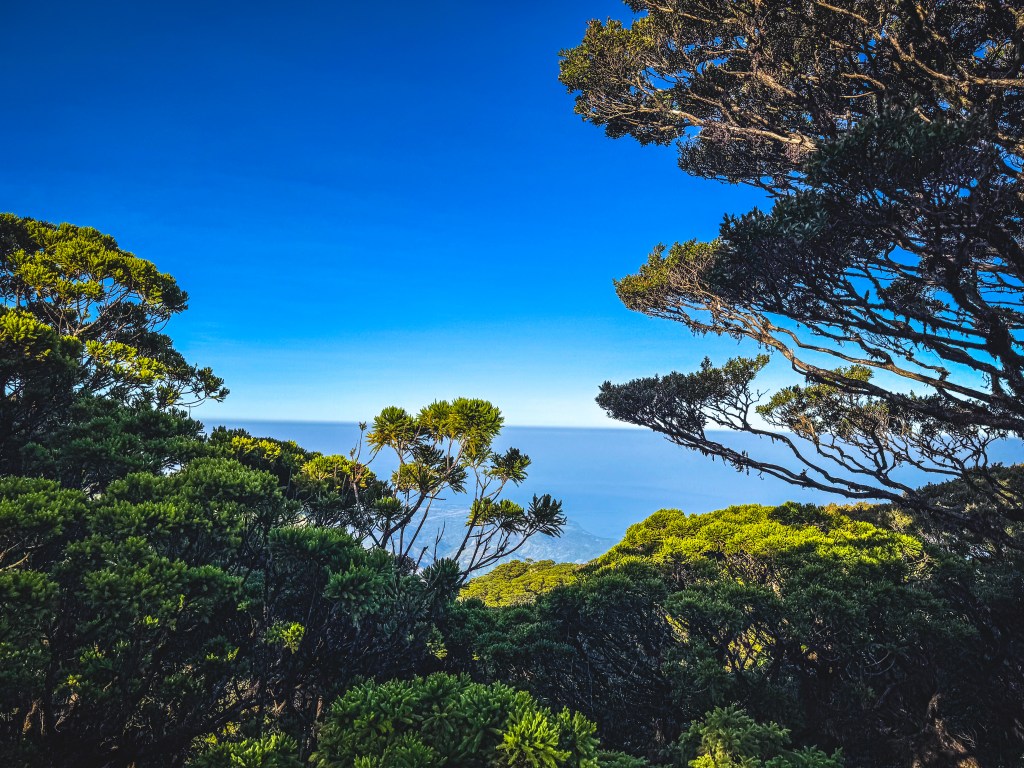
I climbed slowly, carefully, and peacefully.
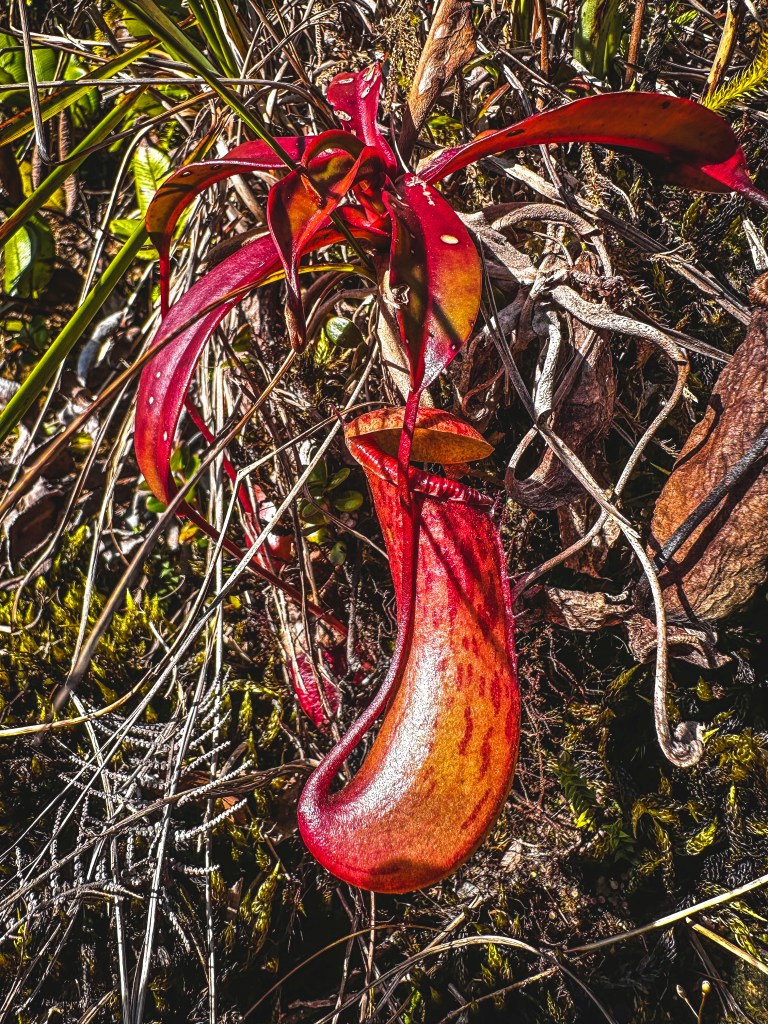
The trail was still rich with biodiversity. Healthy pitcher plants thrived beside the trail while thick moss covered ancient trees and rocks. Every step reminded me that this mountain was alive long before we arrived — and would continue to live long after we leave.
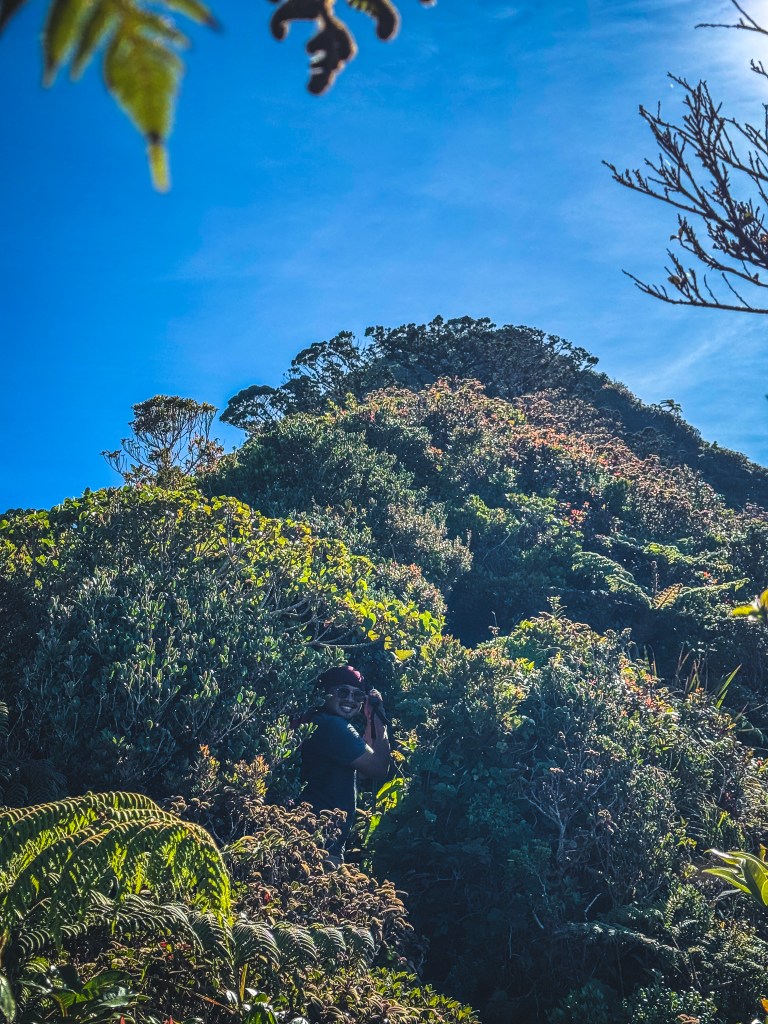
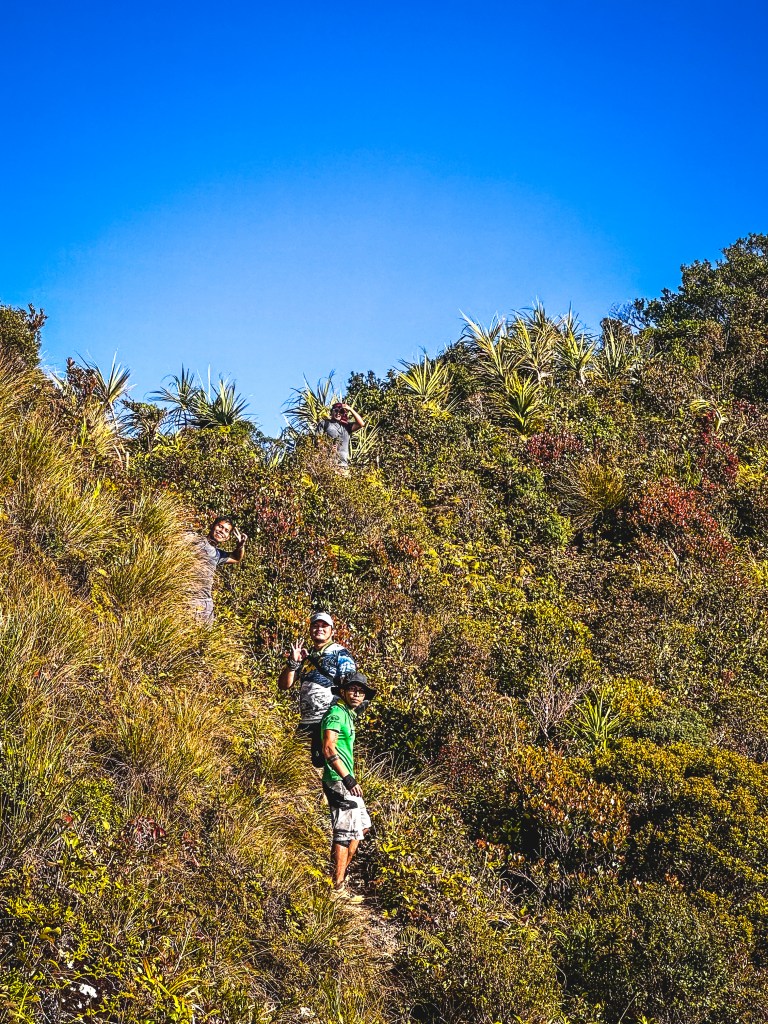
Finally, after one last push, we reached the summit of Mount Madja-as at exactly 8:24 AM.
The same summit I stood on in May 2025.
The same breathtaking beauty.
But a completely different journey.
This time, the skies were clear.
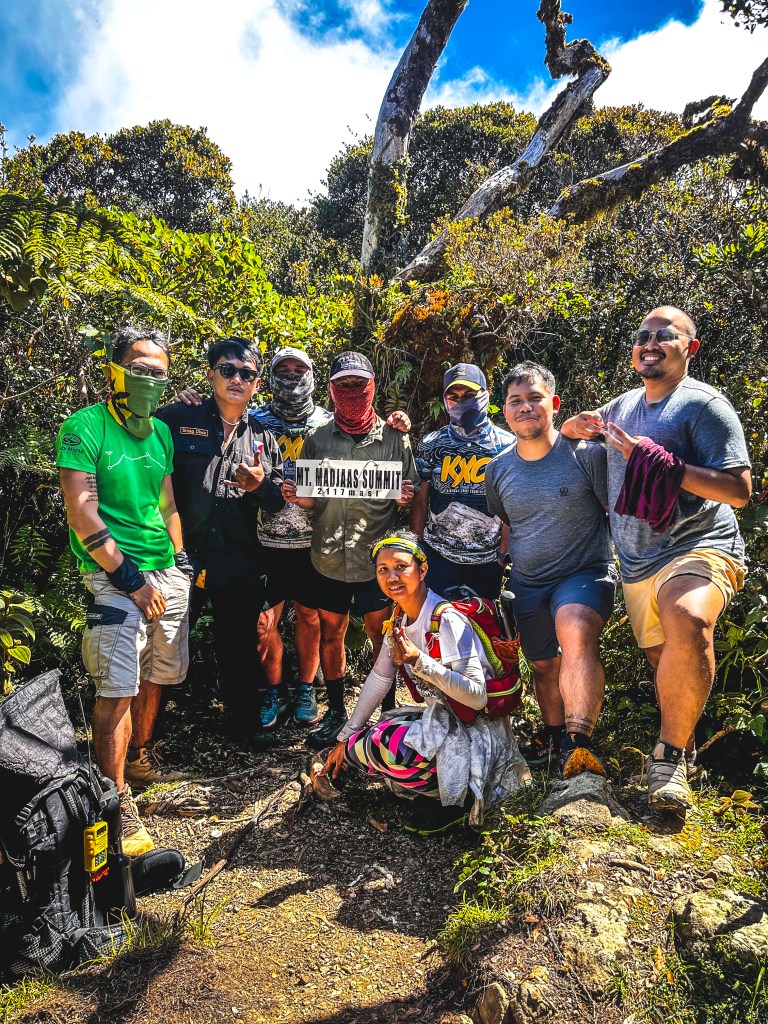
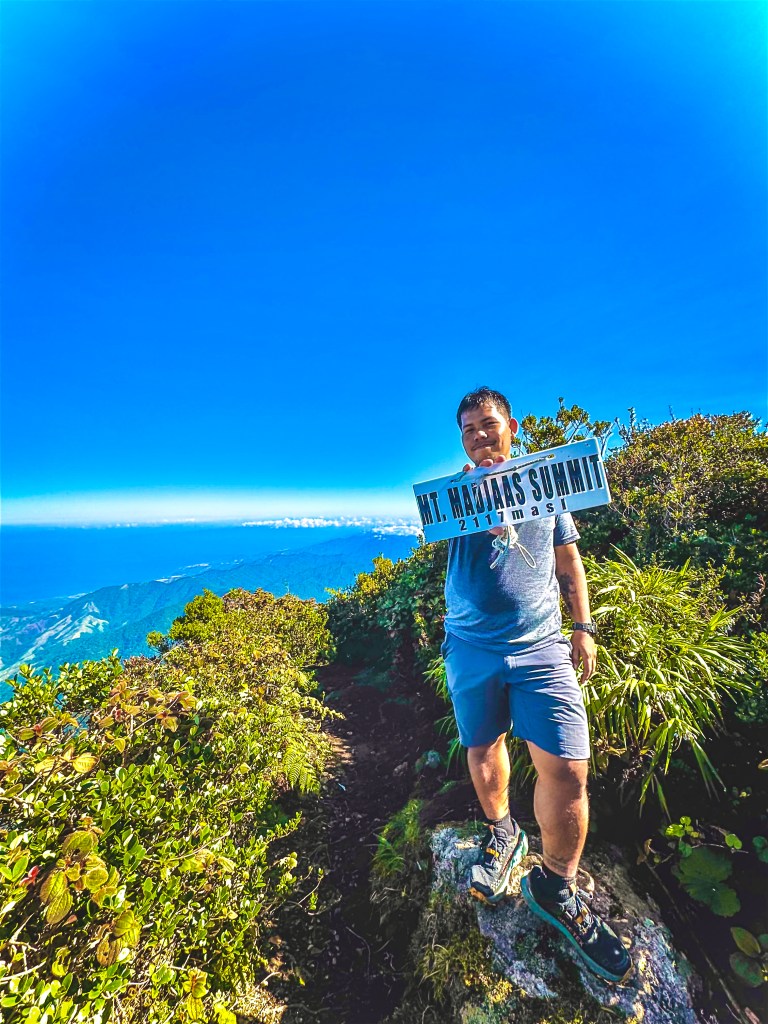
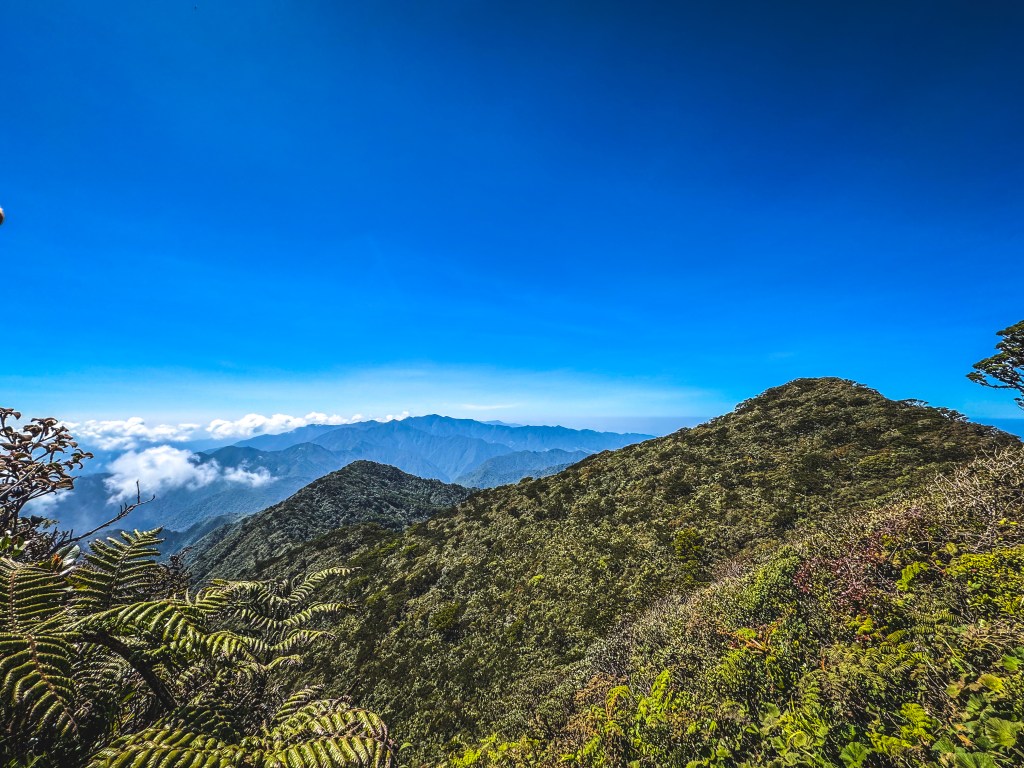
From the summit, we could see nearby peaks including Mount Nangtud and Mount Baloy.
The views were endless.
And so was the gratitude in my heart.
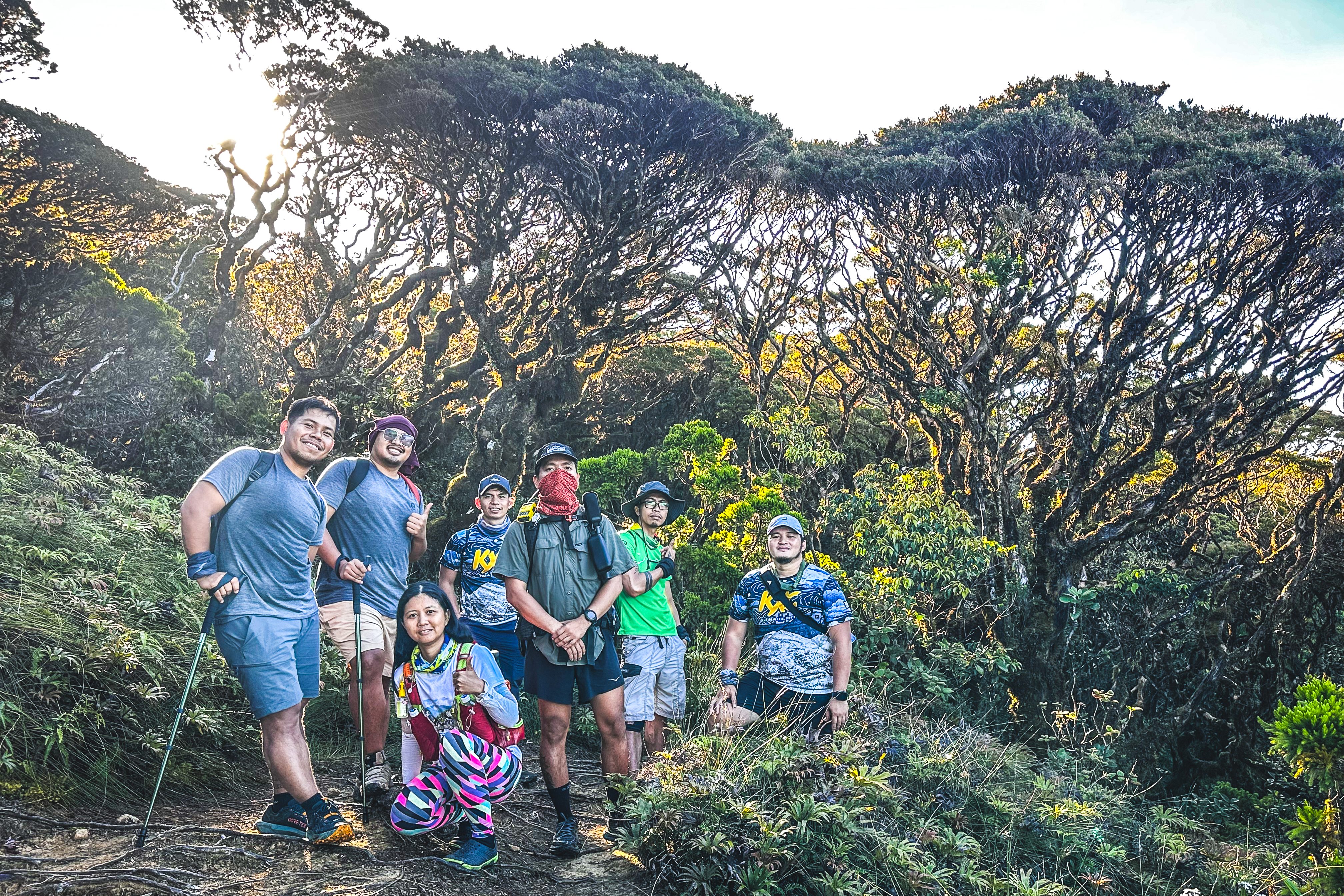
We stayed for about an hour before beginning our descent back to the campsite, carrying with us photos, laughter, and memories that would stay with us forever.
By 1 PM, we were back at camp.
That night, we shared another unforgettable dinner and deeper conversations beneath the cold mountain sky before finally resting.
The next morning, we woke up around 6 AM, had a quick breakfast, and began descending the same trail we climbed days earlier.
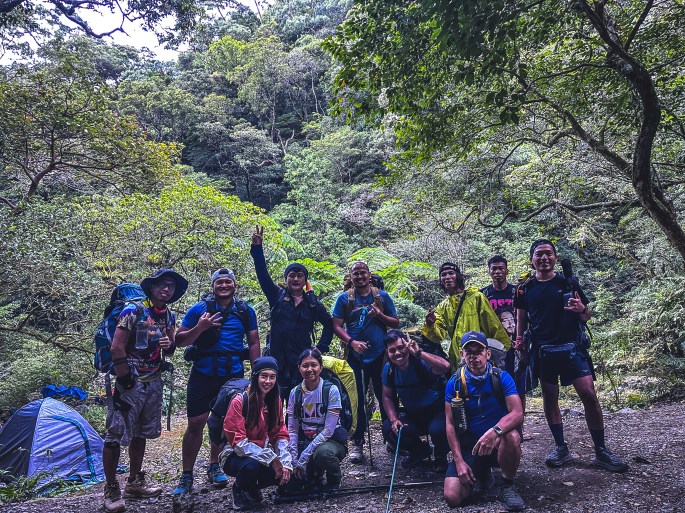
This time, we were ready for the heat.
In just about three hours, we arrived back at Tatay Josue’s house — tired, dusty, but deeply fulfilled.
Toil: How Difficult is the Bantang Trail?
Based on many hiking sources online, Mt. Madja-as via Bantang Trail or via Barangay Flores, Culasi, Antique is commonly rated around 8/9 difficulty. It is undeniably a major hike filled with steep assaults, slippery descents, rope sections, and technical forest trails.
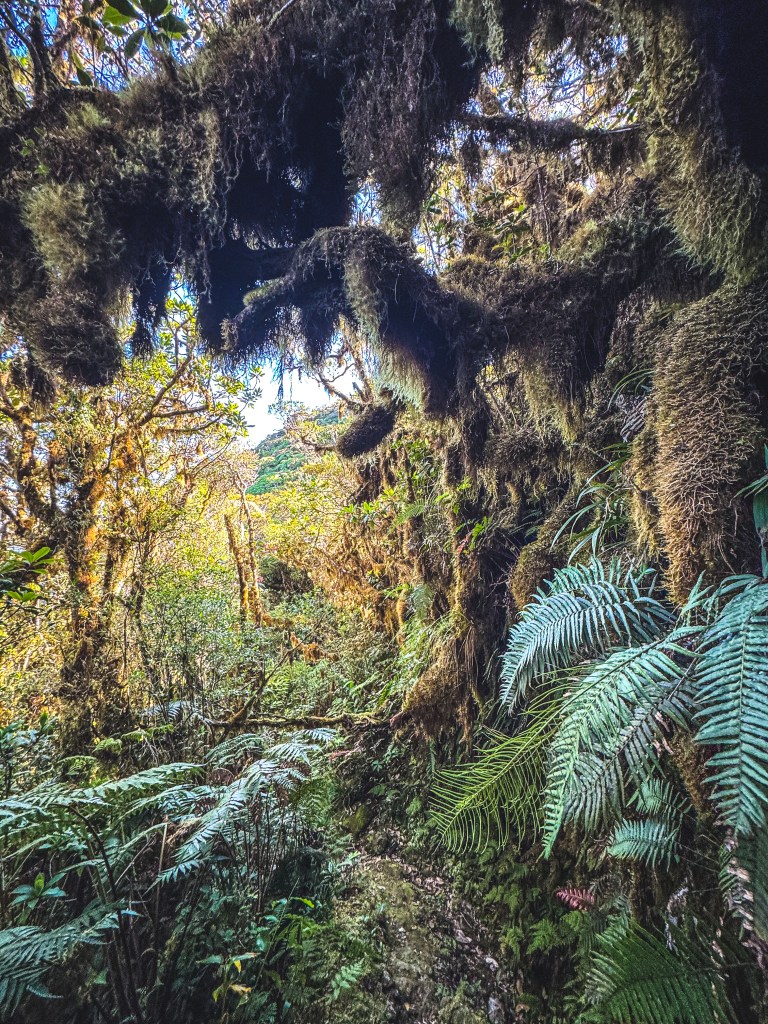
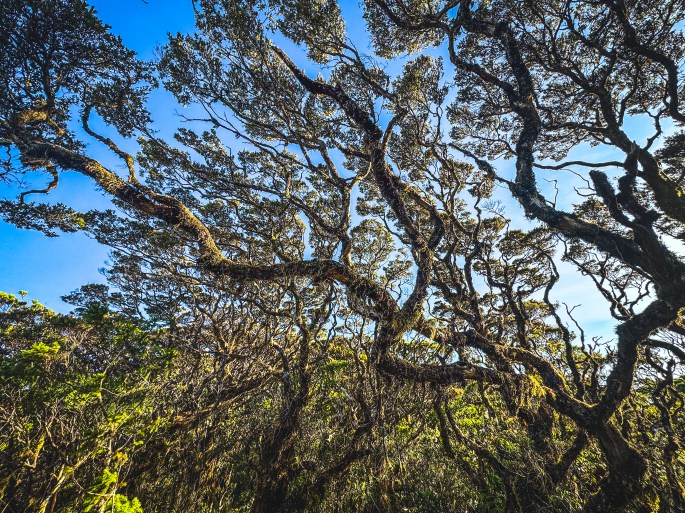
But every hardship disappears once you stand at the summit.
Truth, and the Real Meaning of Climbing
This mountain taught me something important:
You never truly conquer a mountain.
The mountains existed long before us and will continue to stand long after we are gone.
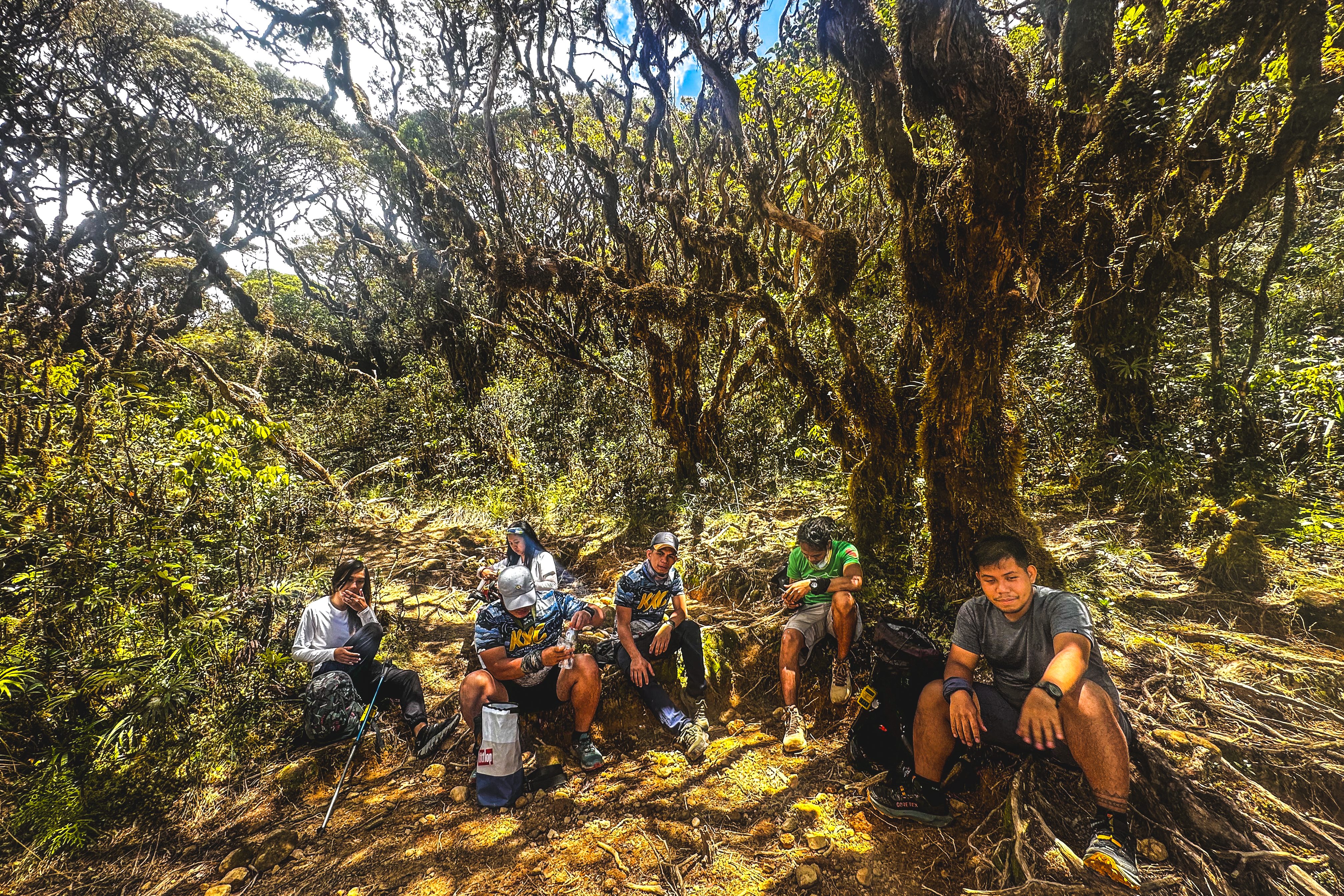
What we really conquer are the things within ourselves — our fears, doubts, exhaustion, and limitations.
Last year, I promised myself I would return to Mt. Madja-as.
And here I am.
The first time I climbed this mountain, I cried from fear and exhaustion. This time, I stood at the summit with tears of gratitude instead — grateful to experience these adventures with someone who makes life feel whole.
And maybe that’s the real beauty of hiking.
Not the summit photos.
Not the difficulty rating.
Not even the adventure itself.
But the way the mountains quietly change you along the journey.
Frequently Asked Questions (FAQs)
1. How difficult is Mt. Madja-as via Bantang Trail?
Mt. Madja-as via Bantang Trail or Barangay Flores, Culasi, Antique is considered a major hike with a difficulty rating of around 8/9. Expect steep assaults, slippery trails, rope sections, and long hours of ascent. It is physically demanding but highly rewarding for experienced and beginner hikers preparing for challenging Philippine mountain adventures.
2. How long is the Mt. Madja-as hike?
The trek from the jump-off point to Bantang Campsite usually takes around 5 hours, while the summit assault from the campsite takes about 4 hours depending on pacing and weather conditions.
3. Are there water sources along the trail?
Yes. The Bantang Trail has several natural water sources where hikers can refill water bottles. Still, bringing enough hydration is highly recommended, especially during the dry season.
4. Is a local guide required?
Yes. Hiring a local guide is strongly recommended for safety and navigation. Mt. Madja-as has technical forest trails, slippery terrain, and steep ridge sections that are best explored with experienced local guides.
5. What is the best season to hike Mt. Madja-as?
The best time to hike Mt. Madja-as is during the dry season from November to May. Trails are safer, river crossings are manageable, and summit views are usually clearer.
6. How much did we spend for the Panay Trilogy adventure?
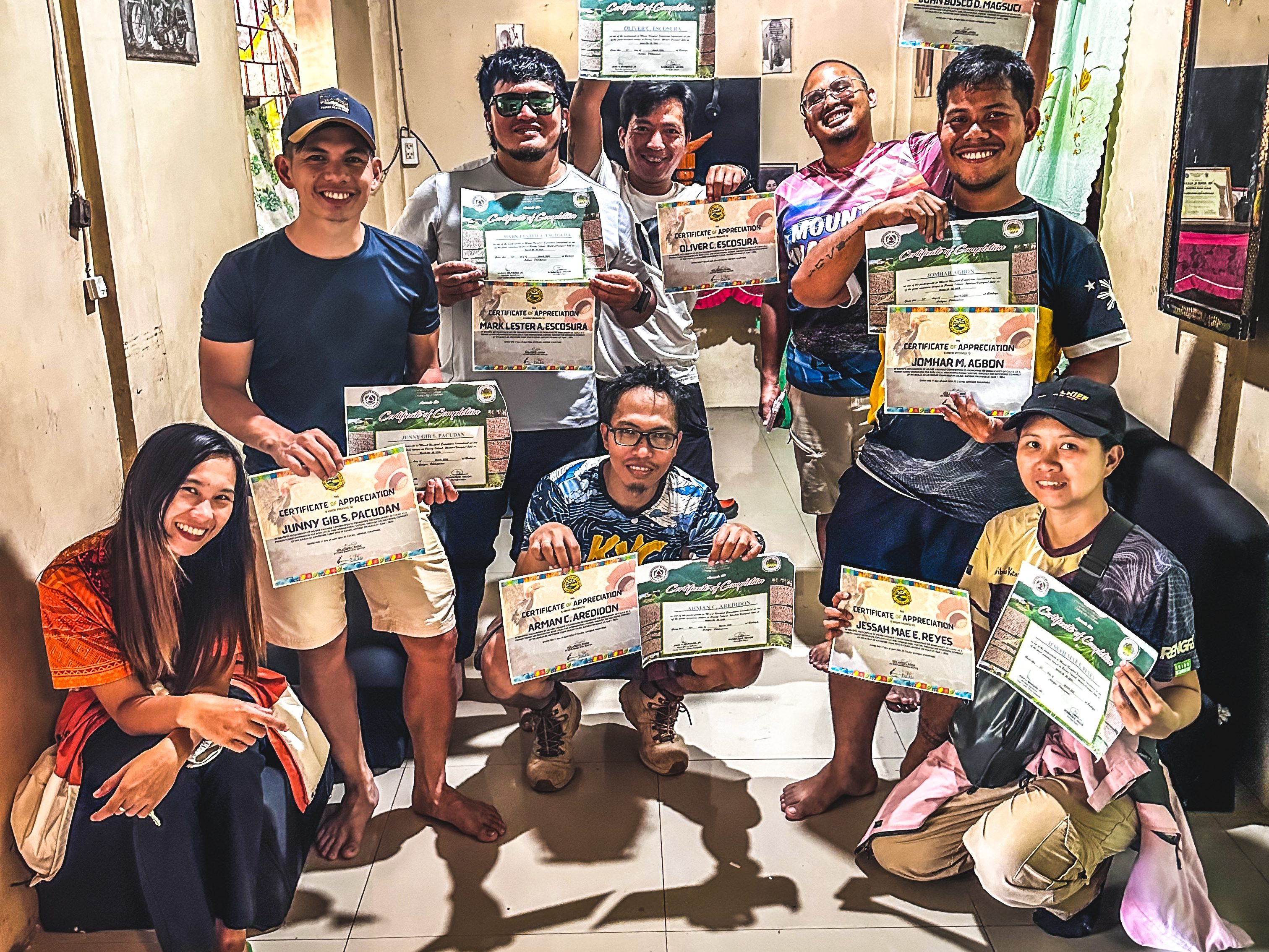
This was an organized hike, and we paid around ₱9,650 for the Mt. Nangtud and Mt. Madja-as adventure package. The fee already included:
- Van transportation
- Hosted meals
- Climb permits and registration fees
- Guide fees
- Campsite arrangements
Motorcycle rides and tips were excluded and paid separately.
Why is Mt. Madja-as worth hiking?
Mt. Madja-as offers one of the most beautiful hiking experiences in Panay Island — featuring mossy forests, crown shyness, bonsai trails, river campsites, biodiversity, and breathtaking summit views. Beyond the adventure, it is a mountain that teaches resilience, humility, and self-discovery.
I hope this story inspires you to chase your own #ChillAdventures — whether in the mountains or in life itself.
Because every summit reached is simply another step toward your next great adventure.
Until the next blog, mga ka-Ahon — see you on the trails.


 Chill Adventures with Joms