

“The purpose of life is to live it, to taste experience to the utmost, to reach out eagerly and without fear for newer and richer experience.”
— Eleanor Roosevelt
After our unforgettable climb in Mount Madja-as, it was finally time to face the last and most feared mountain of the Panay Trilogy — Mount Baloy standing proudly at 1,958 MASL.
Compared to Mt. Nangtud and Mt. Madja-as, our Madja-as hike felt surprisingly chill. Maybe because we already embraced the rhythm of exhaustion, pain, and adventure. But little did we know, Mt. Baloy would test us in ways we never expected.
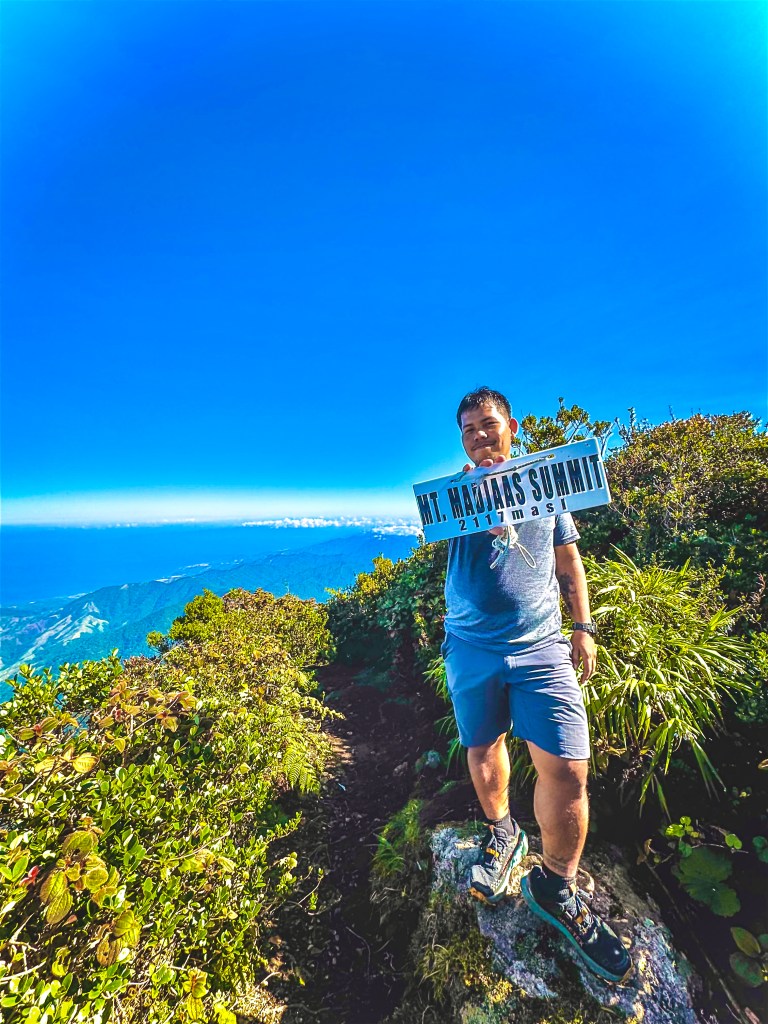
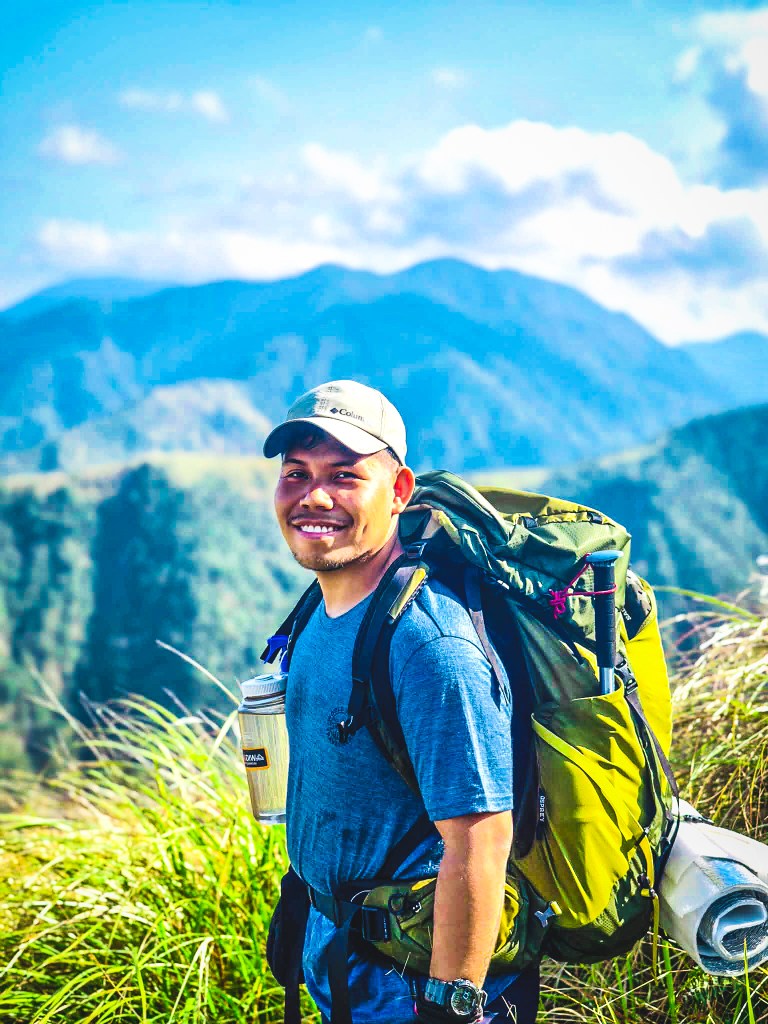
Just two hours after descending from Mt. Madja-as, we packed our things, boarded the van, and headed straight to our next destination. By noon, we were dropped off at Petron along the Bugasong-Valderrama Road. From there, another tricycle ride brought us deeper into the mountains to the home of Kuya Ben Pagayonan, where we would spend the night before the climb.
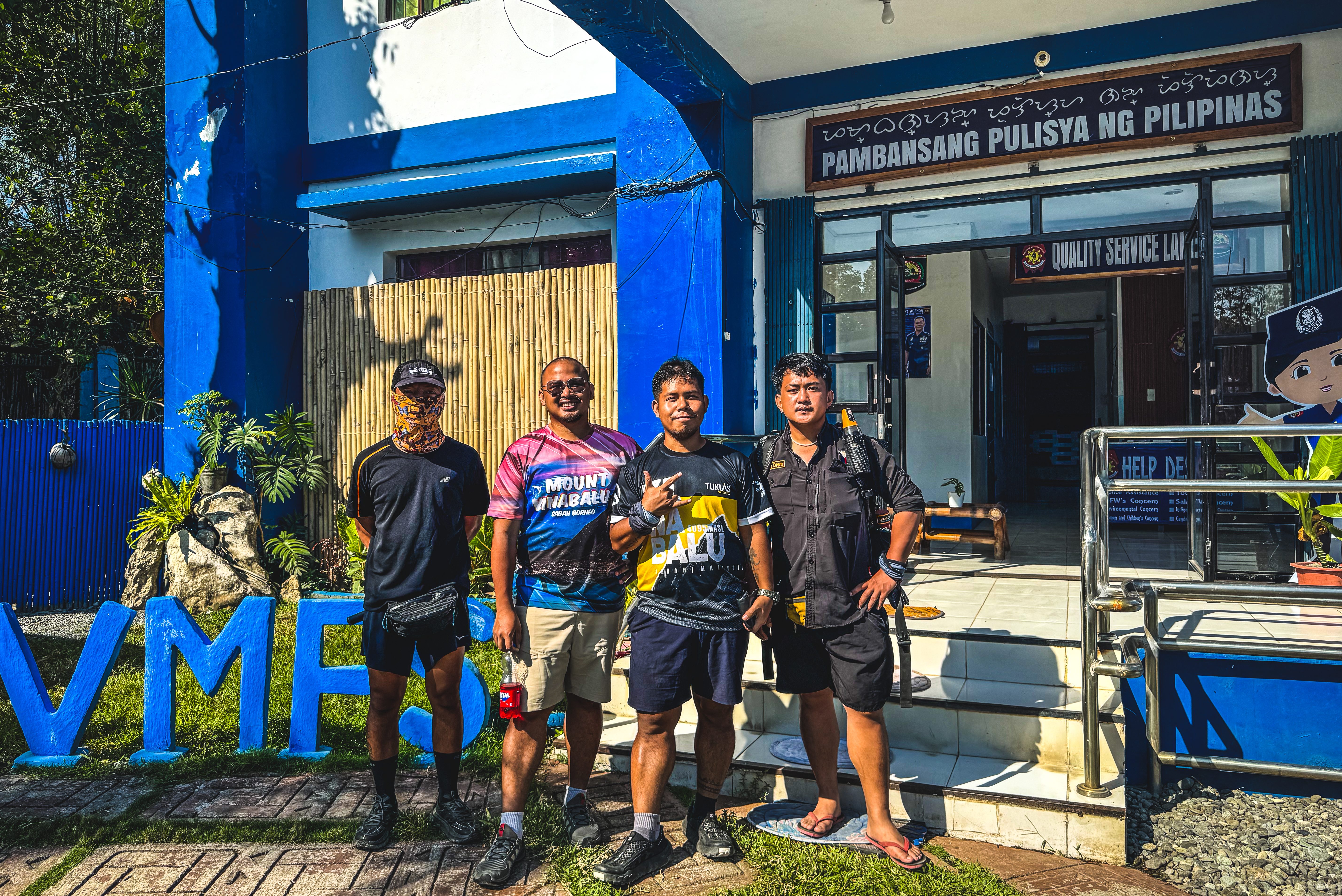
Before settling in, we registered at the Valderrama Police Station — a standard process for hikers exploring the remote mountains of Antique. That evening felt calm and quiet. We were physically exhausted but mentally excited for the final mountain adventure ahead.
When Kuya Ben casually mentioned that Mt. Baloy would be a “dayhike,” I got confused. I didn’t think much about it because honestly, all I wanted at that moment was sleep.
Morning came quickly.
Another summit was waiting.
The Dangerous Ride to the Jump-Off Point
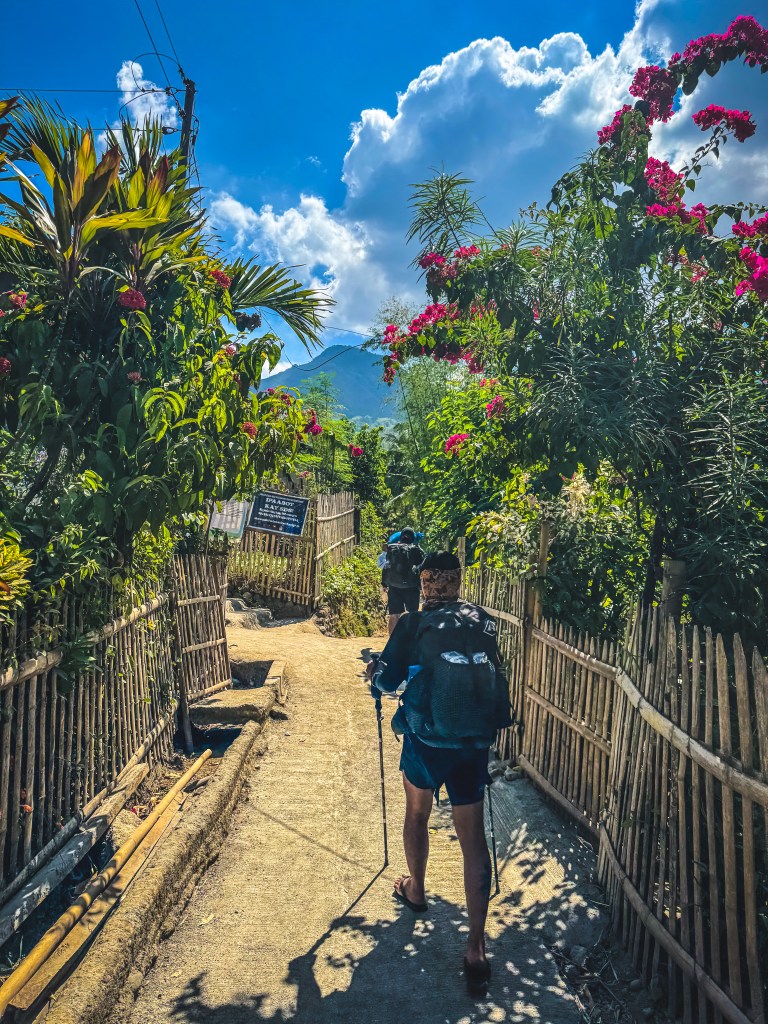
At around 7 AM, we packed light and left unnecessary things behind. Motorcycles picked us up one by one for the ride to Barangay San Agustin — the jump-off point of the hike.
The motorcycle ride alone already felt like an extreme adventure.
Honestly, it was even tougher than our ride to Tatay Josue’s house during the Mt. Madja-as climb. The road was rough, steep, and only partially cemented. Some sections were so narrow that only one motorcycle could pass at a time. On one side were towering cliffs, and on the other were deadly drops.
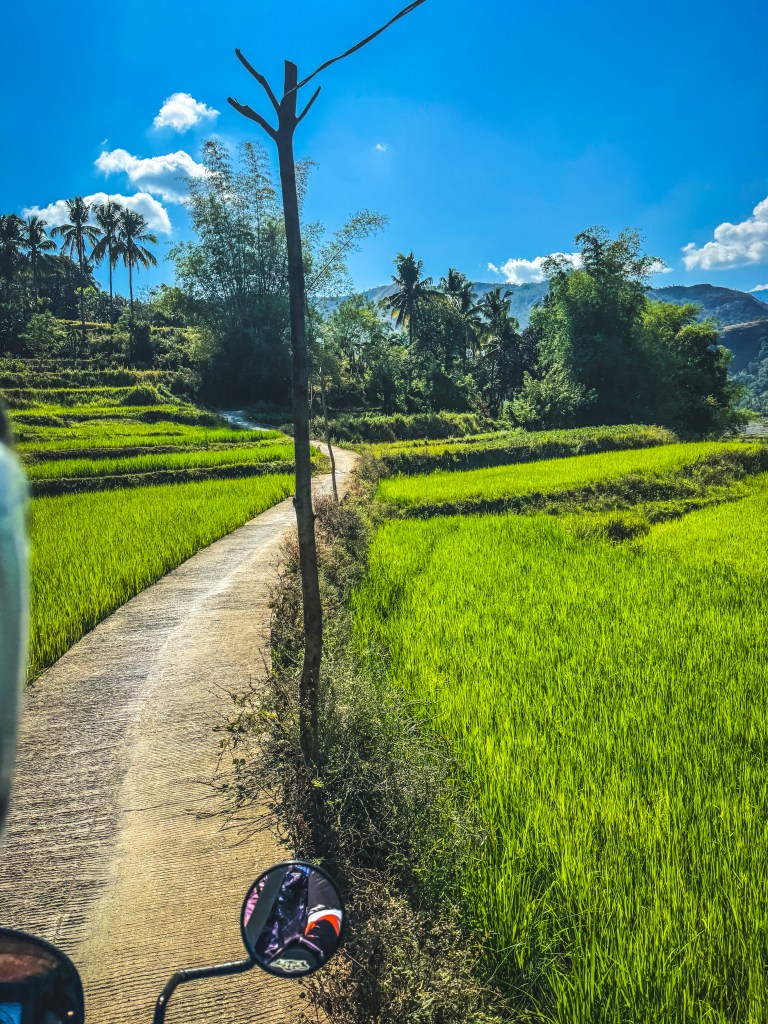
One wrong move and it could easily become your last ride.
After more than an hour of navigating steep mountain roads, we finally arrived in Barangay San Agustin.
Since there were only four of us ahead of the group — me, my partner, Oliver, and our organizer Sinag — we immediately started preparing for the trek.
And this was when the real challenge began.
Trail, Time, and Toil: The Mt. Baloy Experience
Time and Trail — Endless River Crossings Under the Summer Heat
We arrived at Barangay San Agustin around 10 AM, and the summer heat was already intense. Instantly, I was reminded of the brutal heat we experienced in Mt. Nangtud and Mt. Madja-as.
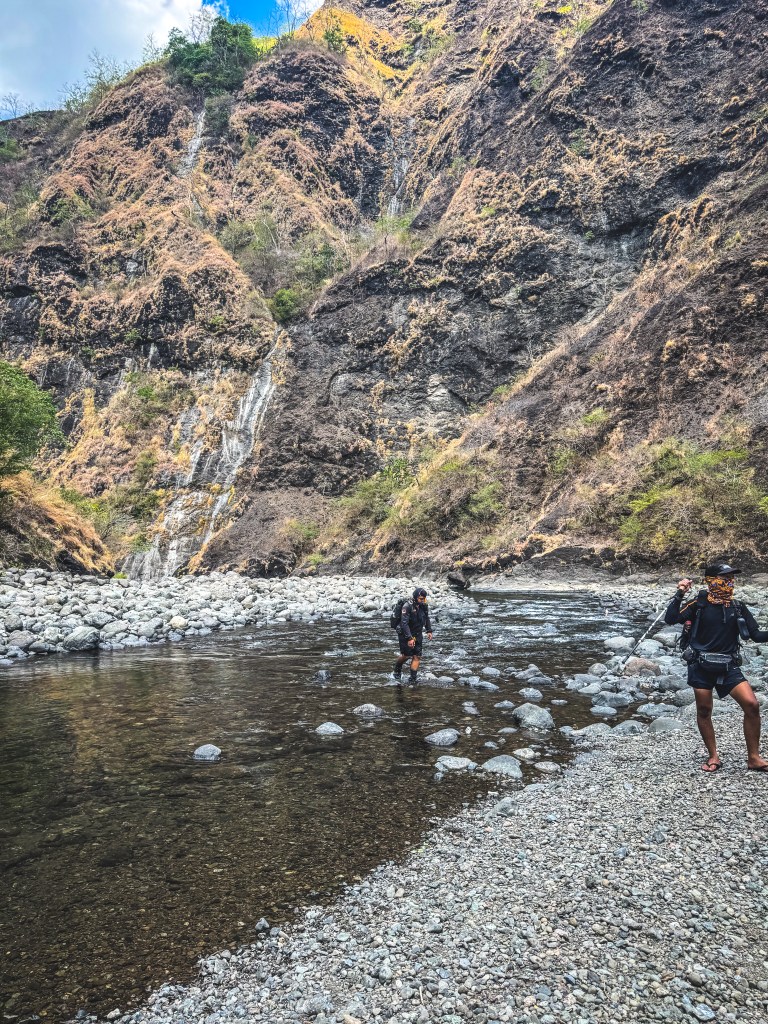
Just minutes after leaving the barangay, we were already crossing rivers.
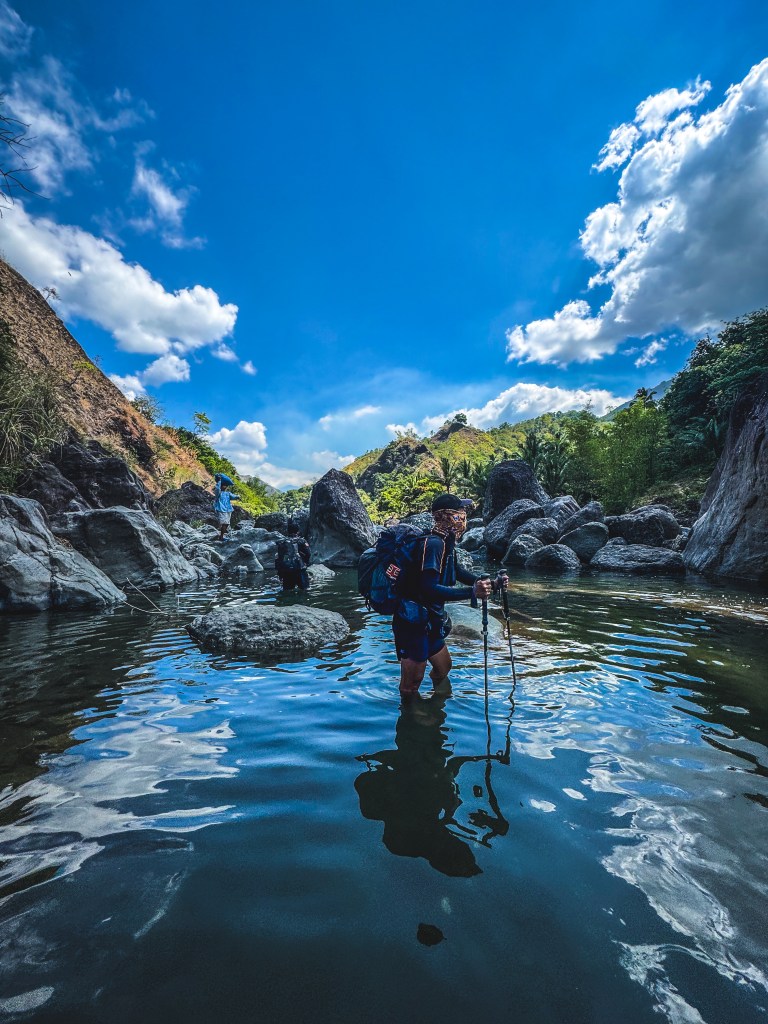
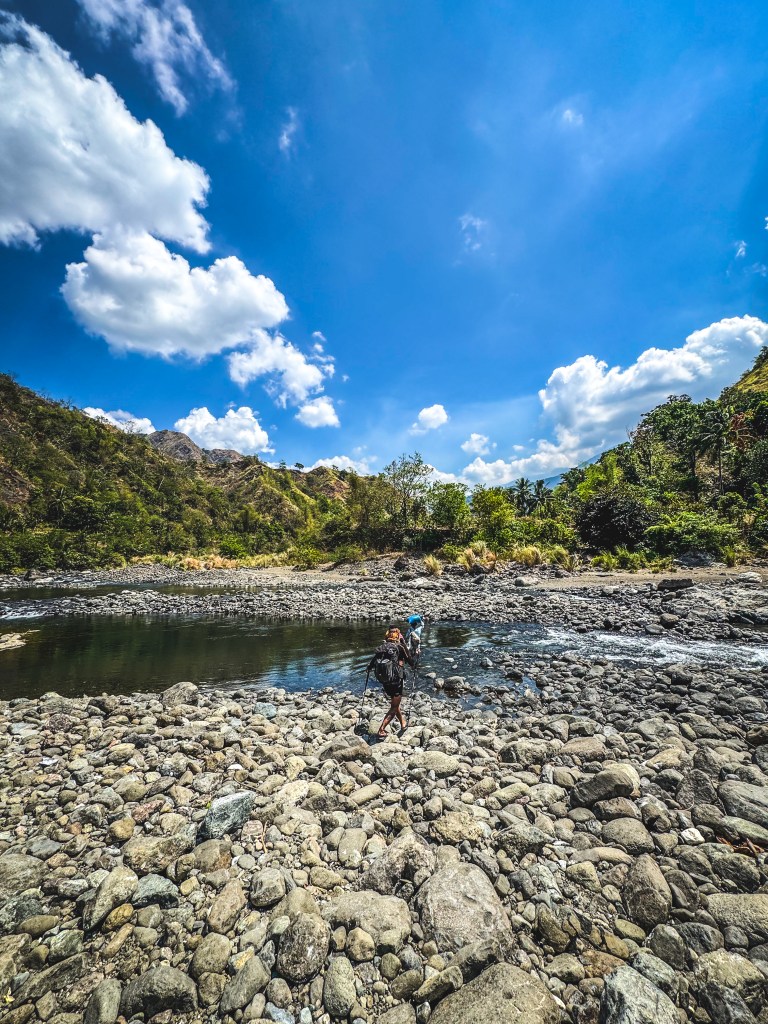
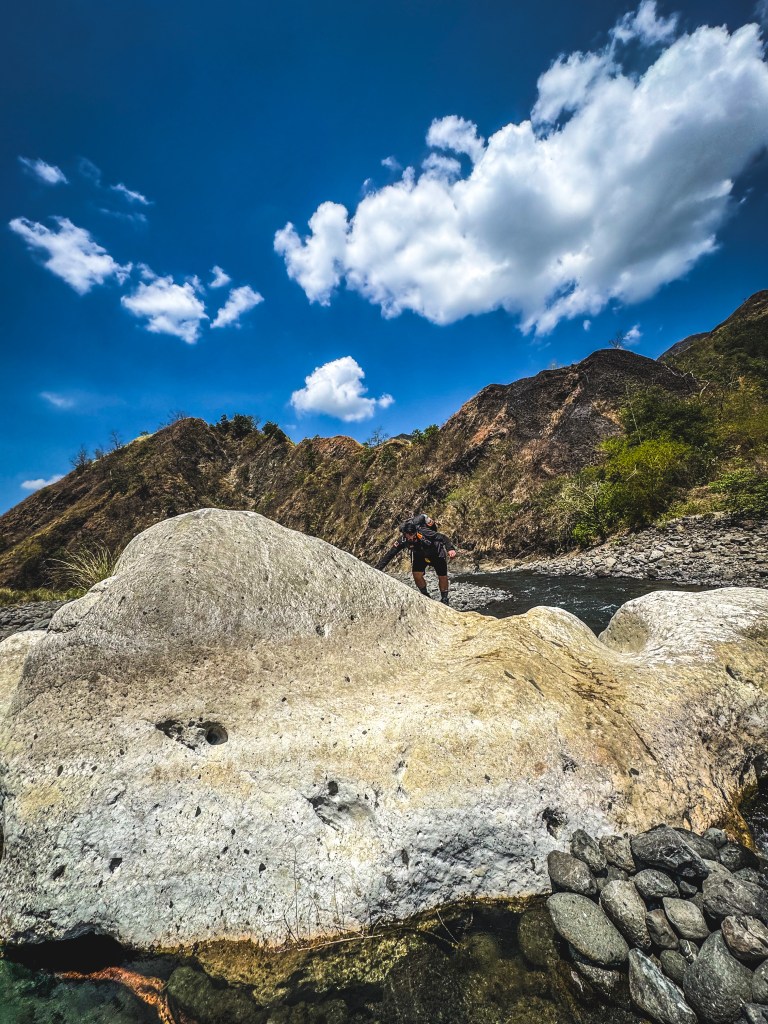
And the river crossings never stopped.
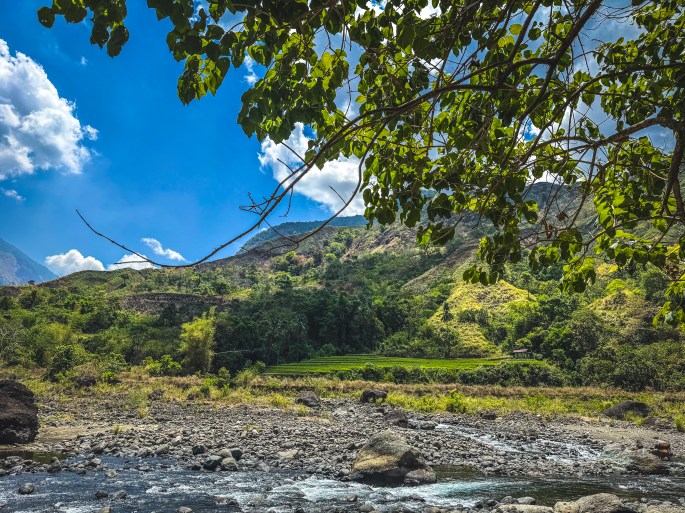
Locals were swimming, washing clothes, and cooling themselves in the crystal-clear water while we slowly pushed deeper into the trail. Thankfully, the cold rivers somehow balanced the punishing heat of the day.
Our guide told us it would take around three hours to reach the base camp of Mt. Baloy.
That was when I finally understood why people called this a “Mt. Baloy Dayhike.”
The plan was simple on paper:
- Trek to base camp
- Rest overnight
- Start the summit push at midnight
- Return to base camp after summiting
- Hike back home the next day
Simple? Not really.
The trail was slippery, rocky, and exhausting. Every river crossing demanded focus because one wrong step could easily send you sliding across the rocks.
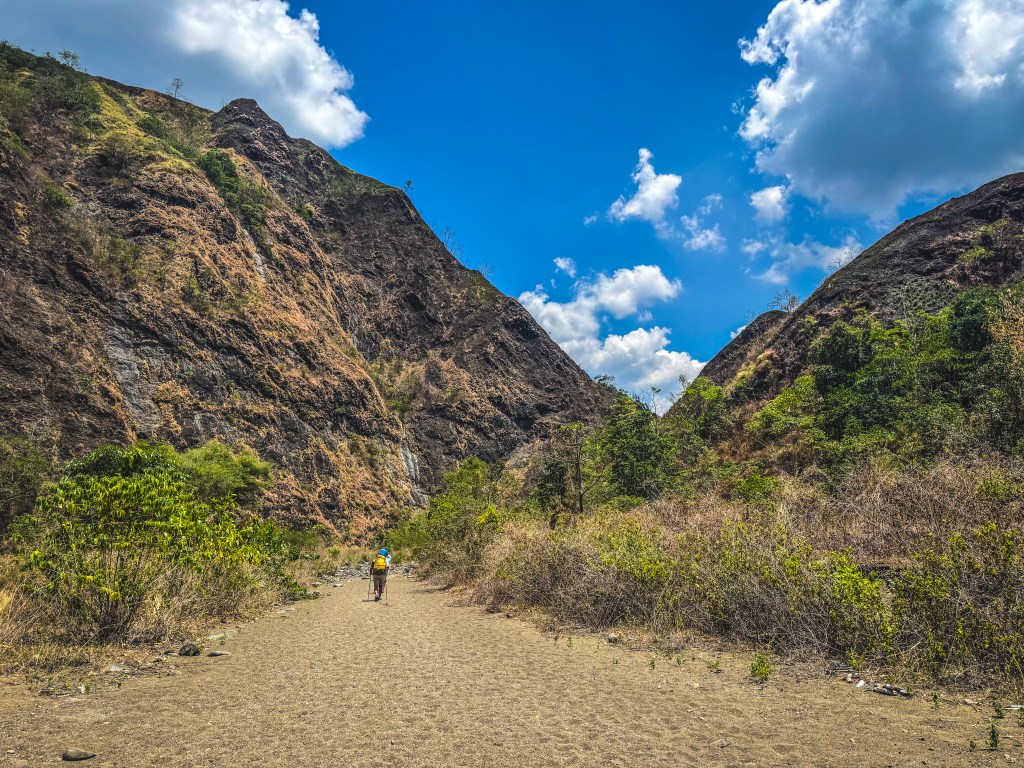
Still, we continued.
Short breaks. Quick breaths. Then move again.
The river trails reminded me so much of Mount Nangtud. It almost felt like the mountains were connected by the same soul.
After several hours of trekking under the scorching sun, we finally reached the campsite around 12:30 PM. The distance from the barangay to base camp was roughly 5 to 6 kilometers.
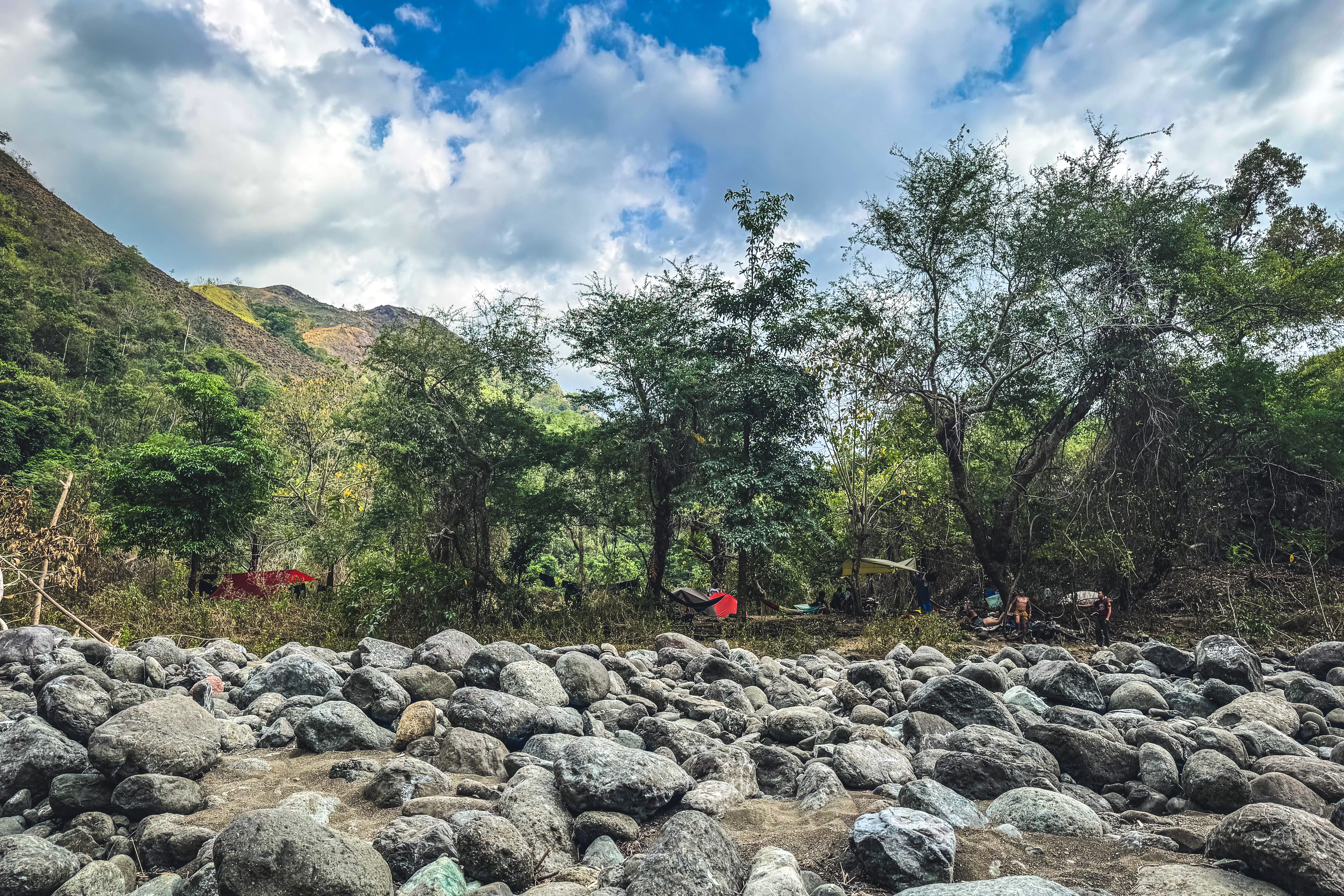
We immediately pitched our tents, ate lunch, and dipped into the freezing river to cool ourselves down.
That afternoon, another hiking group returned from the summit after completing Mt. Baloy in around 10 hours.
Hearing that honestly made me nervous.
The Midnight Summit Push
At exactly 12 AM, we woke up for the summit assault.
Hot sopas during the cold midnight air felt heavenly.
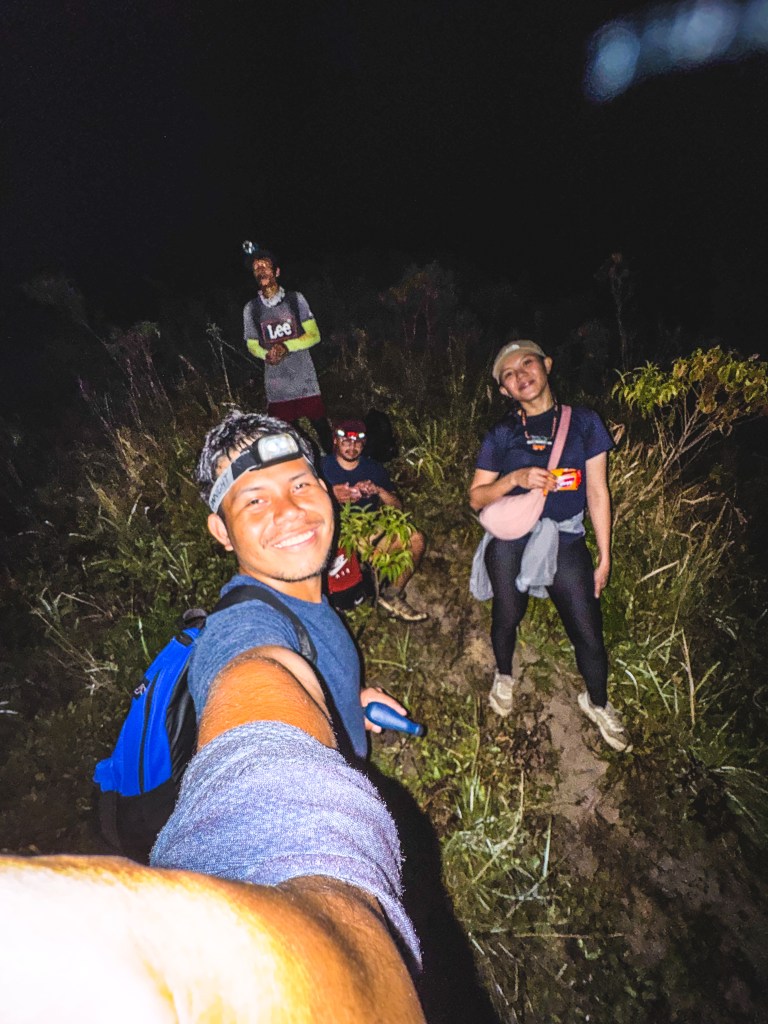
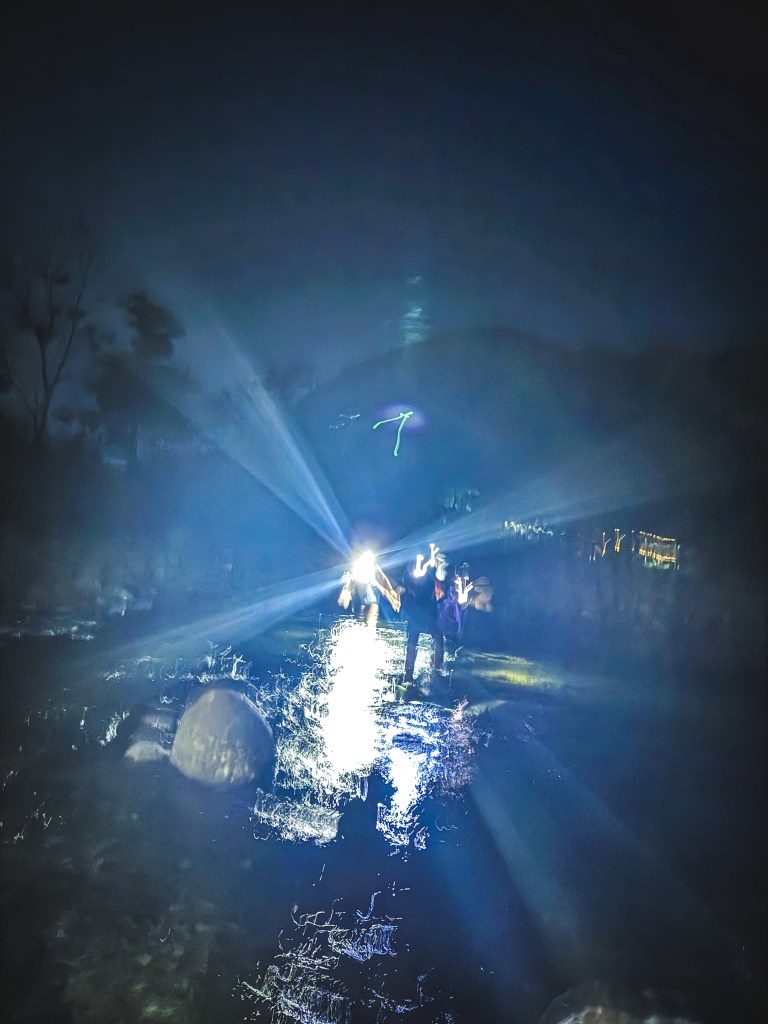
A few minutes before 1 AM, we finally started climbing.
And Mt. Baloy welcomed us with pure brutality.
The first assault was unbelievably steep — around 75 degrees. The trail was sandy, loose, and unstable. Burnt talahib surrounded us, making it harder to breathe. Every step upward felt like sliding backward.
But we had no choice except to continue.
The trail was pitch dark, and we carefully climbed through exposed ridges while trying not to lose balance. One mistake could send you falling into the cliffs below.
After more than an hour, we reached Camp 2 — only to continue climbing even steeper terrain.
The assaults felt endless.
Thankfully, the higher we climbed, the colder and fresher the air became.
After almost two more hours of climbing, we entered the thick forest. Our guide had strategically left water bottles along the trail for emergencies because there were almost no reliable water sources higher up the mountain.
That decision by the local tourism team to camp at the base camp suddenly made perfect sense.
As we pushed deeper into the forest, the trail became mentally exhausting. It felt like walking in circles — endless turns, endless climbs, endless darkness.
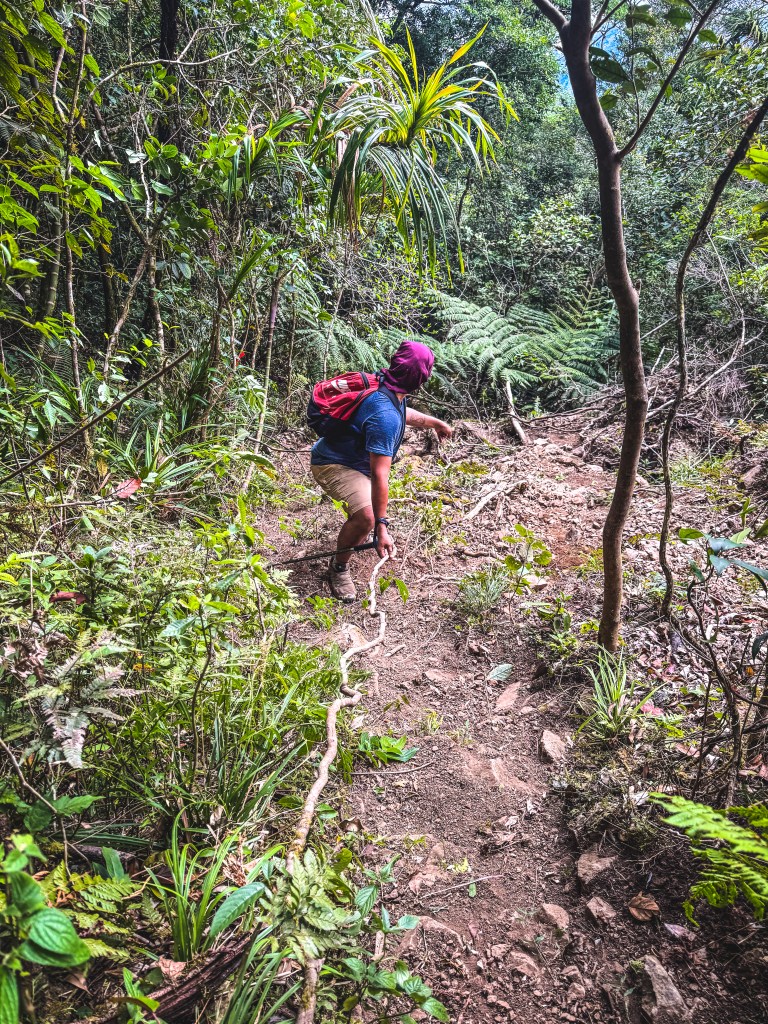
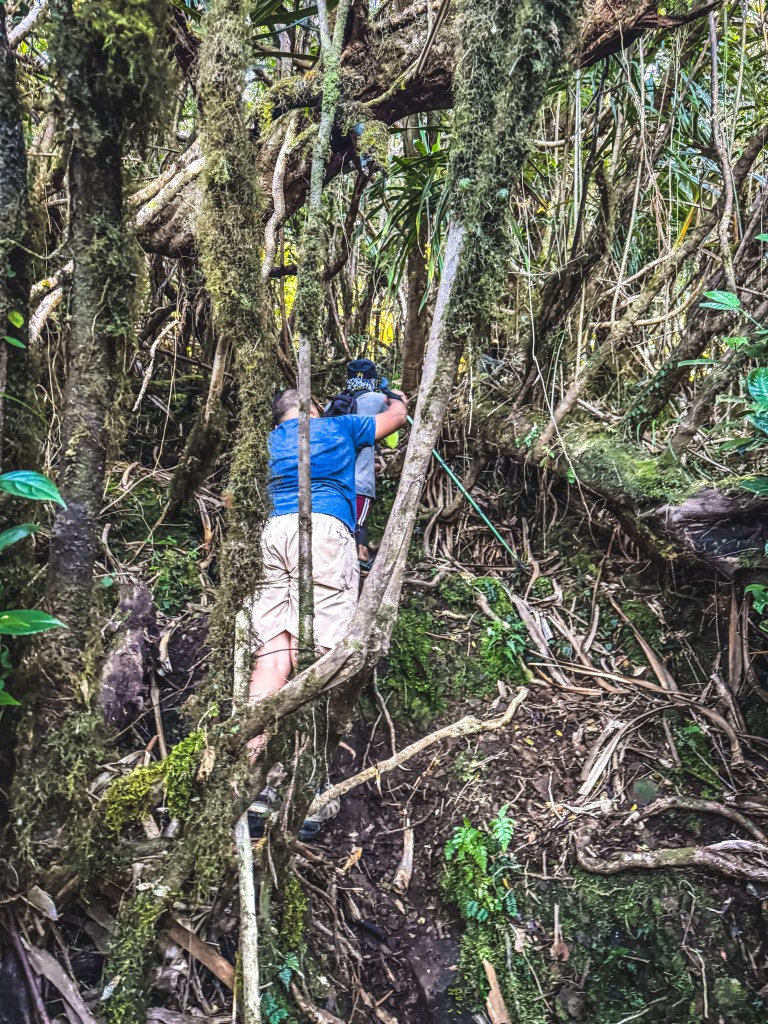
Then came another dangerous section:
a steep landslide area.
We carefully scrambled upward while trying not to trigger falling debris. One wrong move could easily become fatal.
After four exhausting hours of scrambling through ridges, cliffs, and steep assaults, we finally reached the view deck.
We ate our simple breakfast of rice and egg while waiting for sunrise.
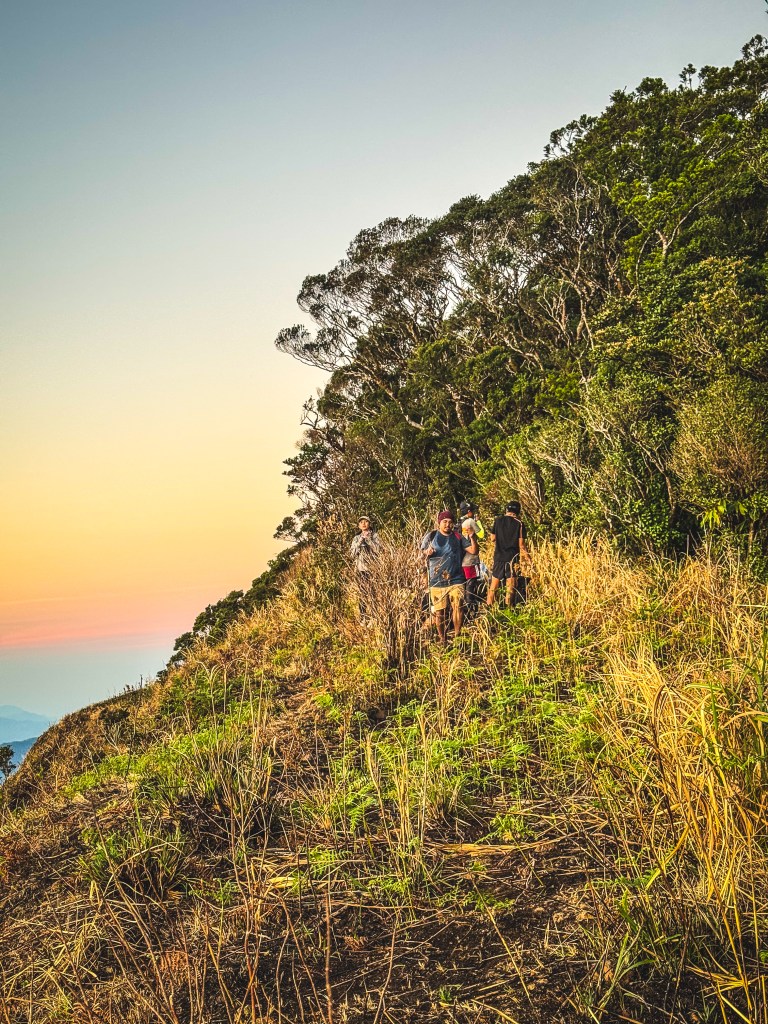
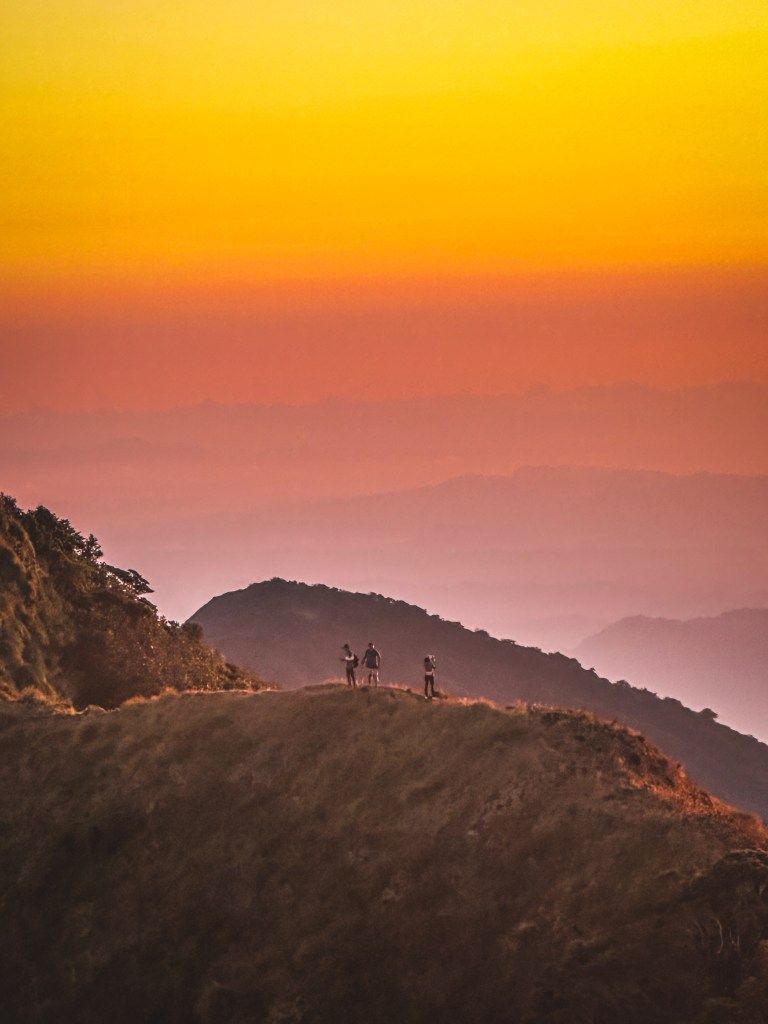
I ended up sleeping there for almost an hour because the cold mountain wind and exhaustion completely drained me.
At around 5:45 AM, we resumed hiking.
And suddenly, the mountain rewarded us.
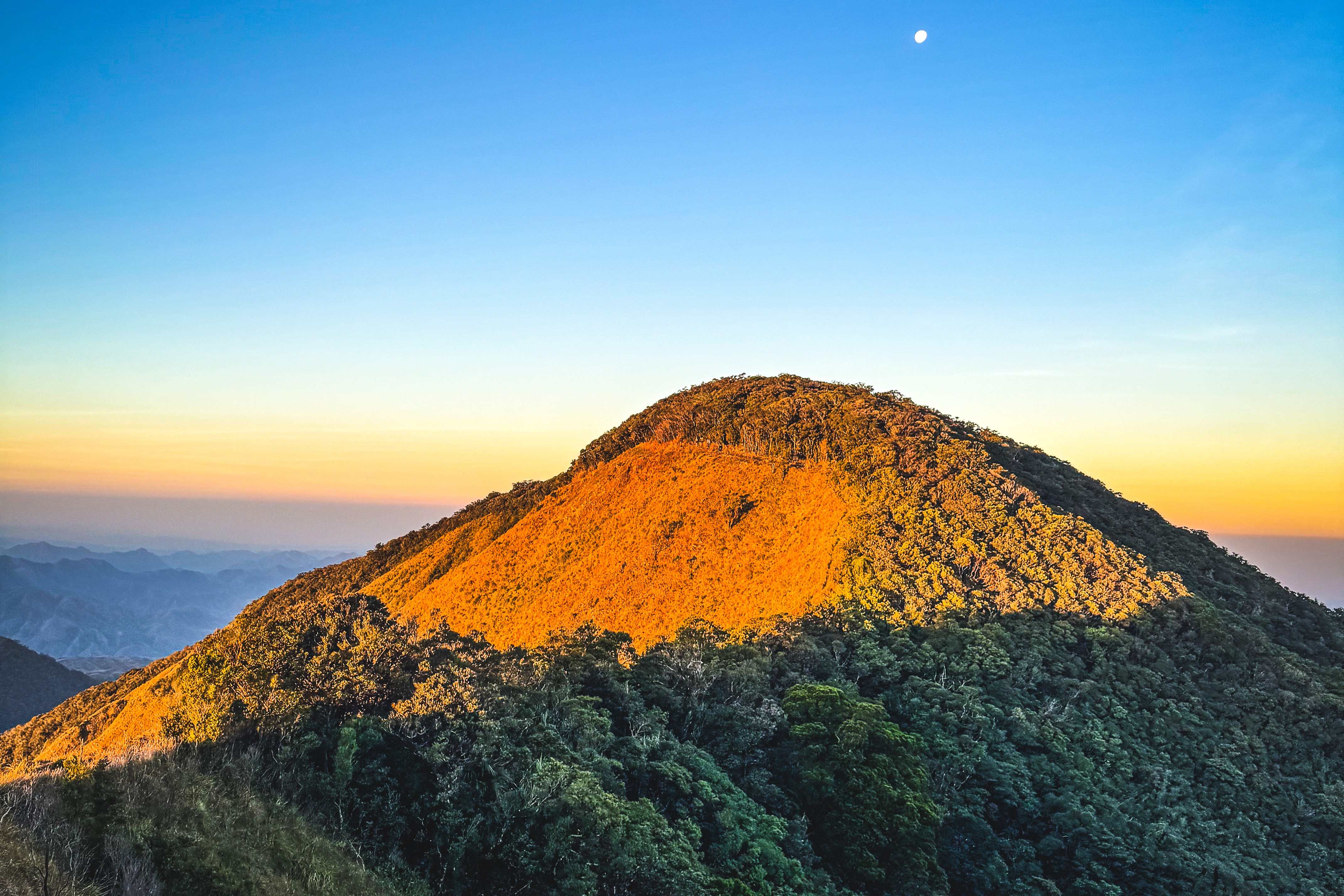
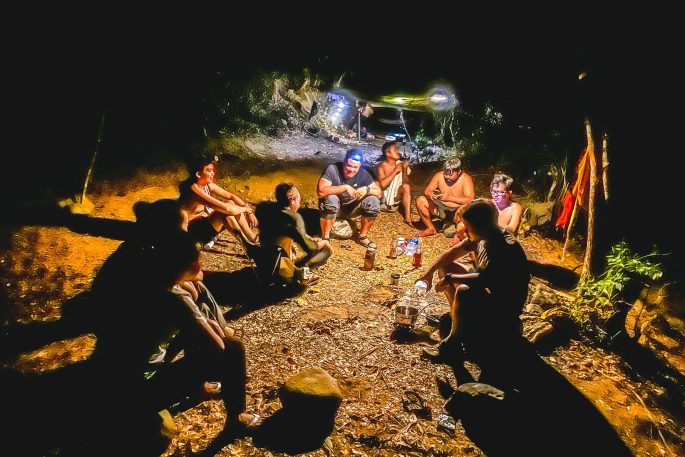
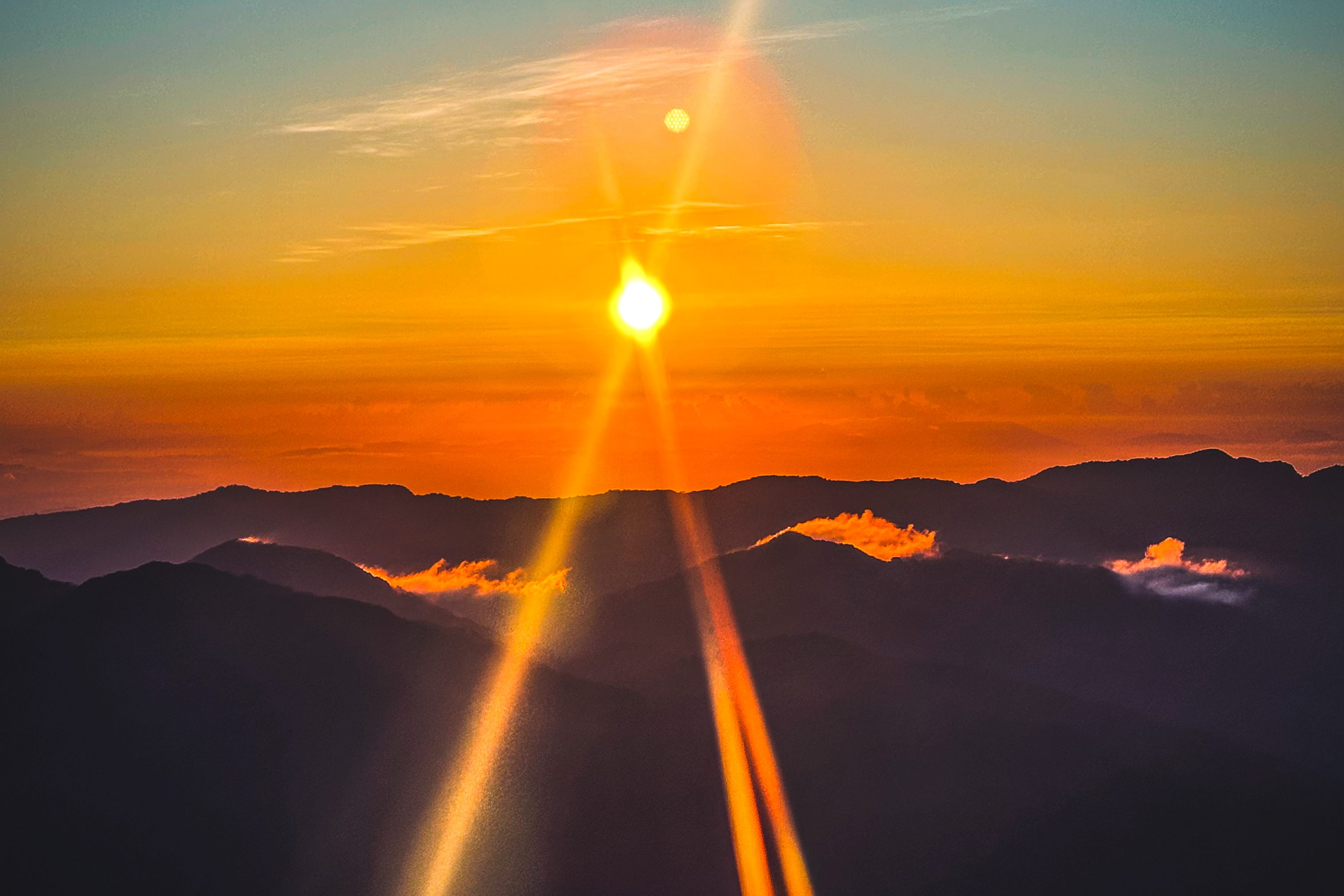
The sky turned golden red as the morning sun slowly rose above the ridges. It was one of the most beautiful sunrises I had ever witnessed.
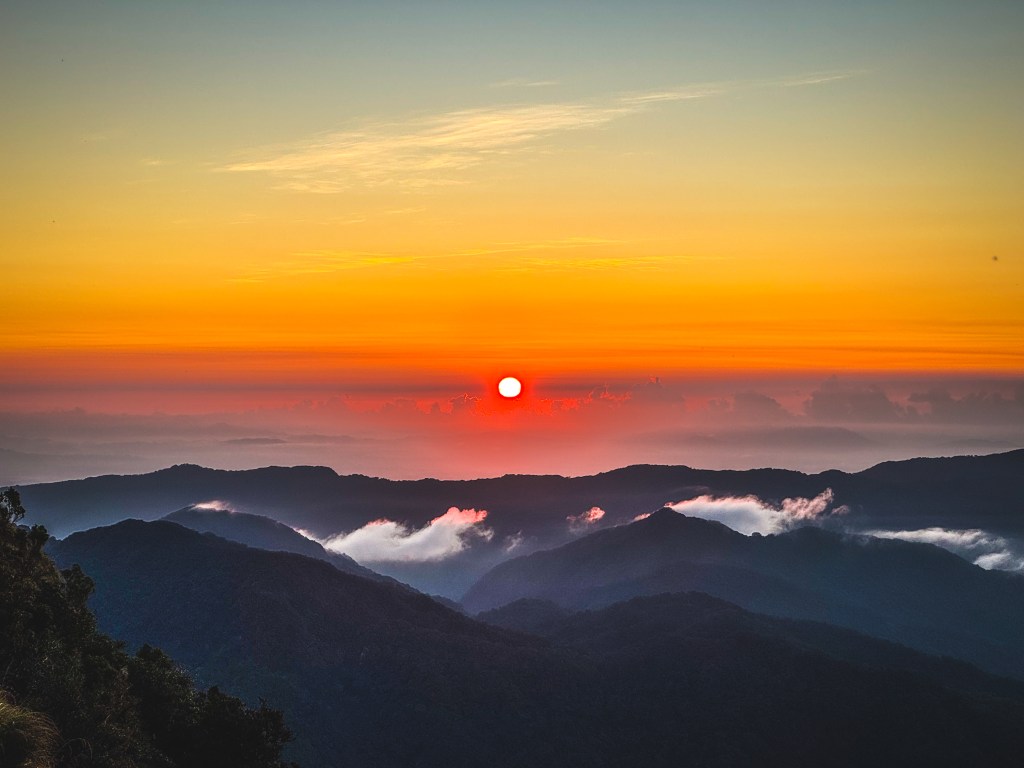
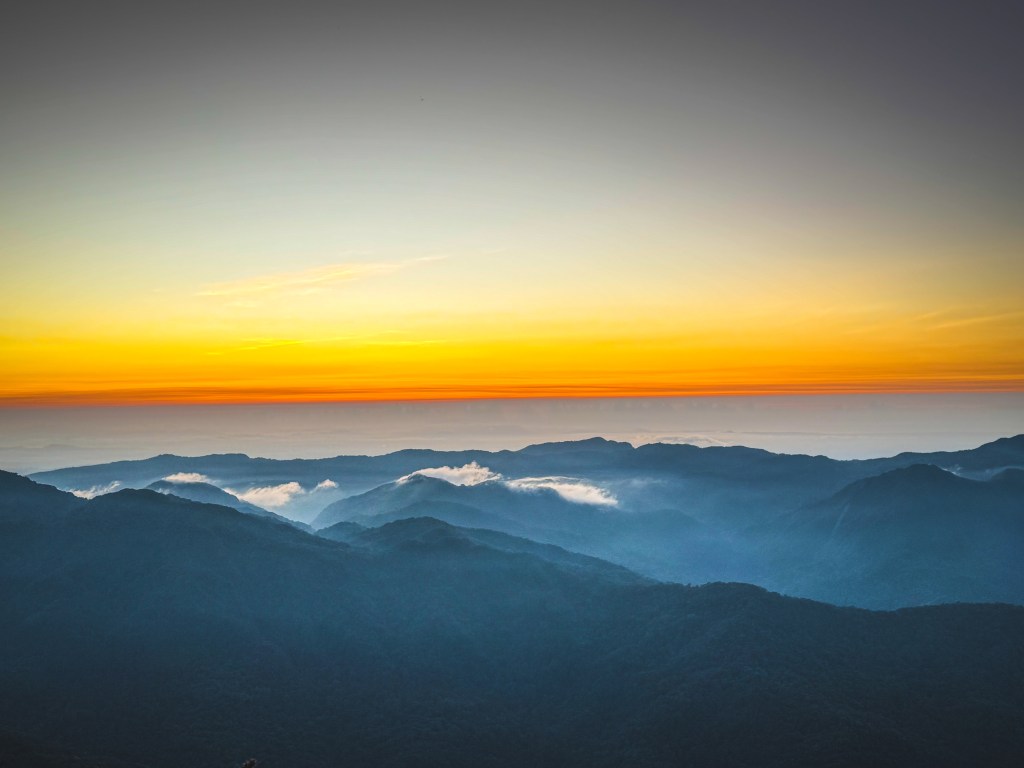
A sign of good clearing.
A sign to keep going.
The Final Assault to Mt. Baloy Summit
The ridges were still my greatest weakness.
I struggled walking upright while crossing exposed sections because my fear of heights kept creeping in. But slowly, step by step, I managed.
After the ridges, we entered another dense mossy forest filled with tangled roots, fallen trees, and thick vegetation.
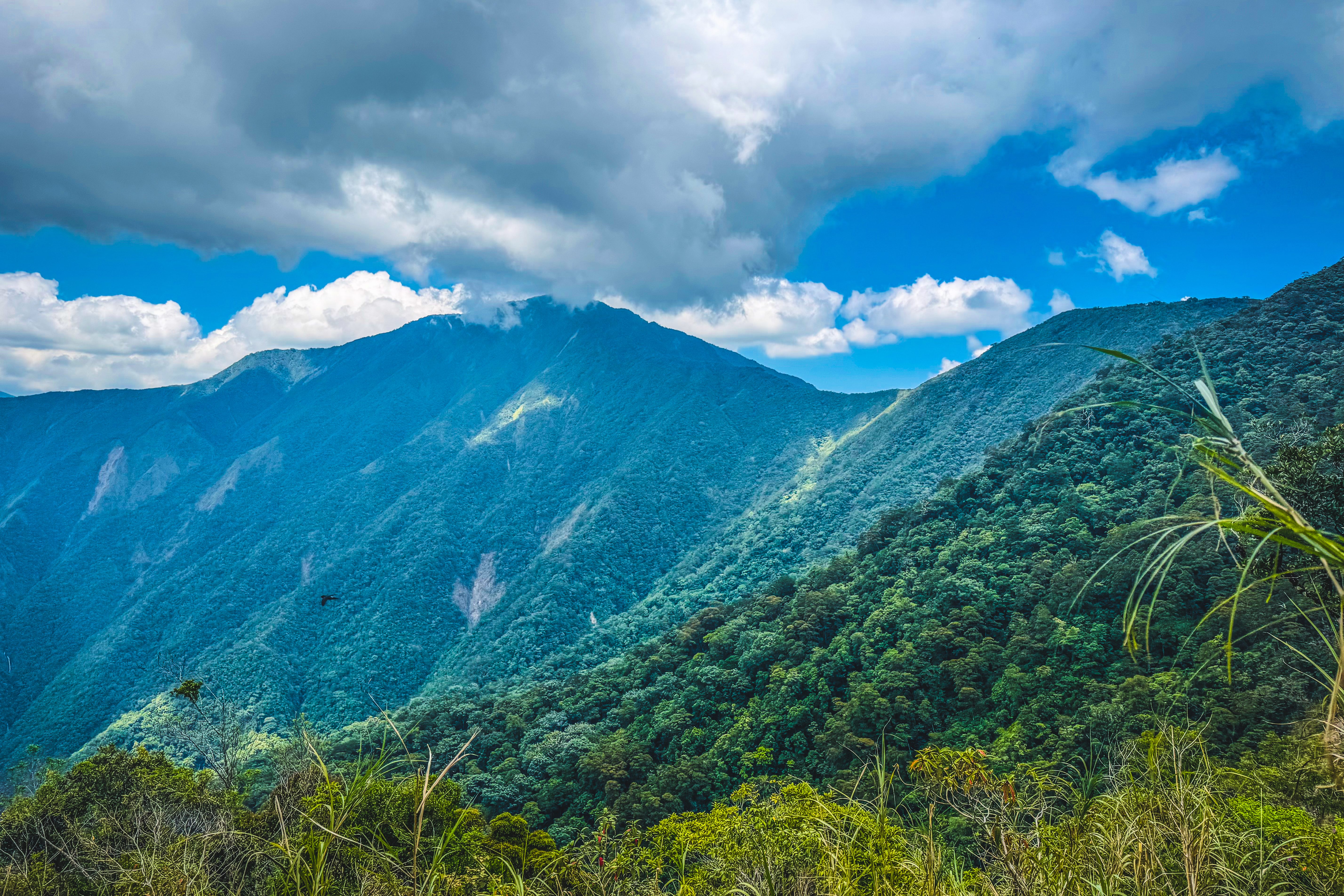
The final stretch was physically and mentally draining.
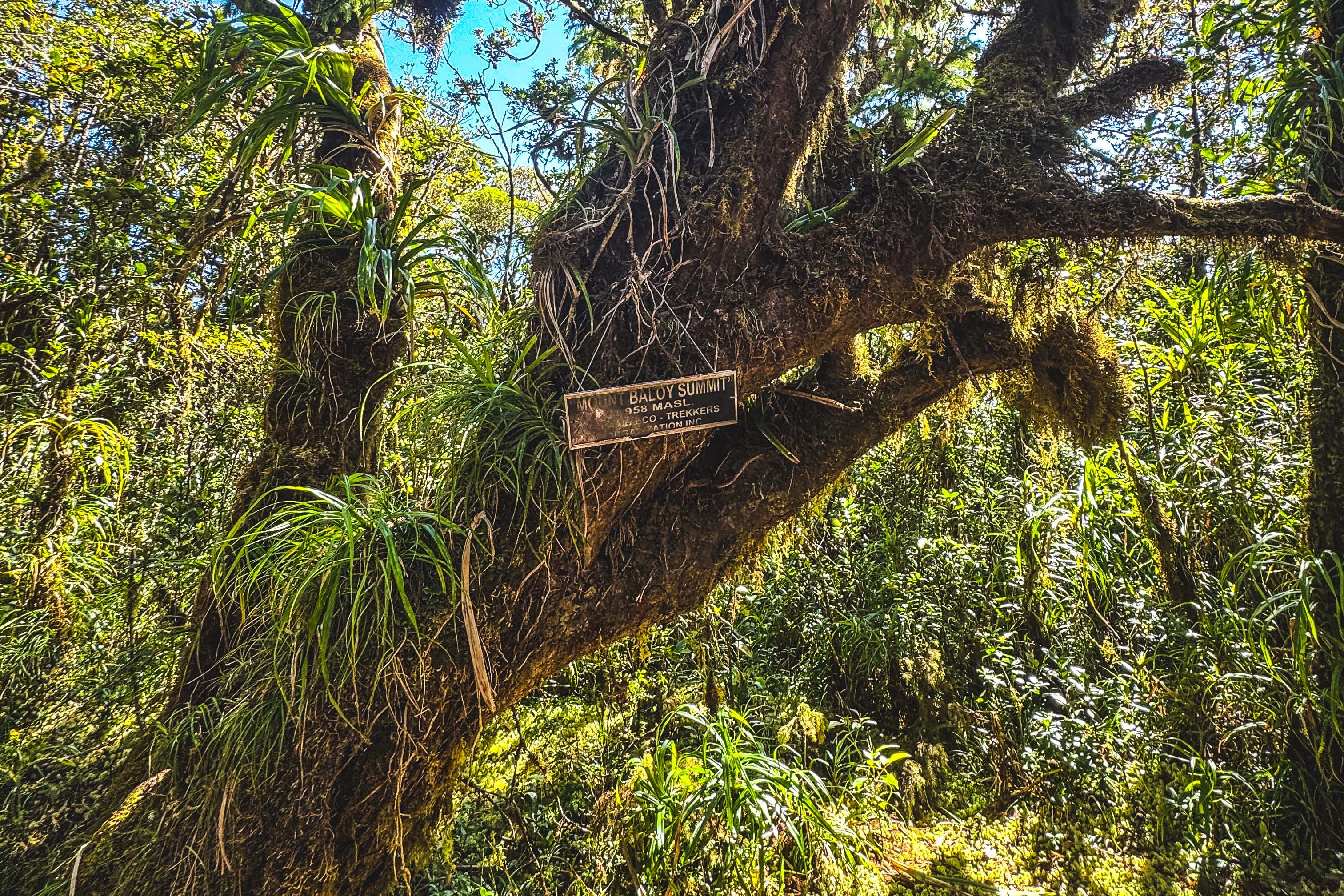
By the time we reached Camp 3, we only had around 30 minutes left before the summit. The forest looked magical — covered in dry moss because of the long summer drought.
After resting briefly and refilling our water, we pushed for the final assault.
We crawled through thick vegetation, climbed over fallen trees, and squeezed through narrow forest sections until finally…
We reached the summit of Mount Baloy.
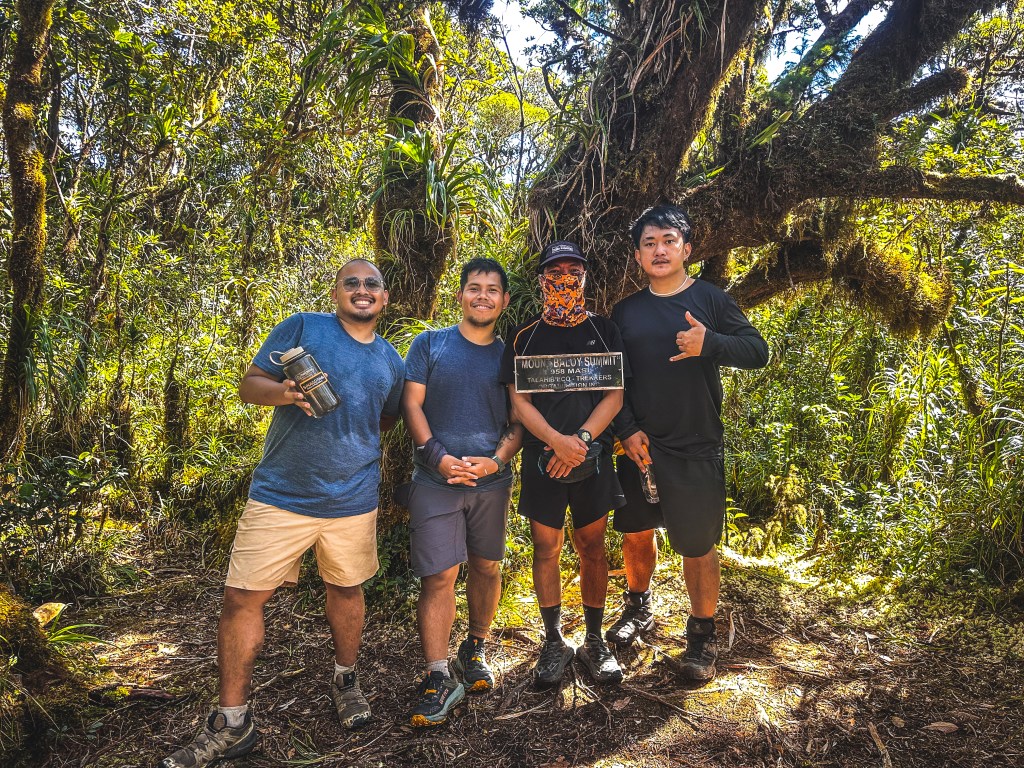
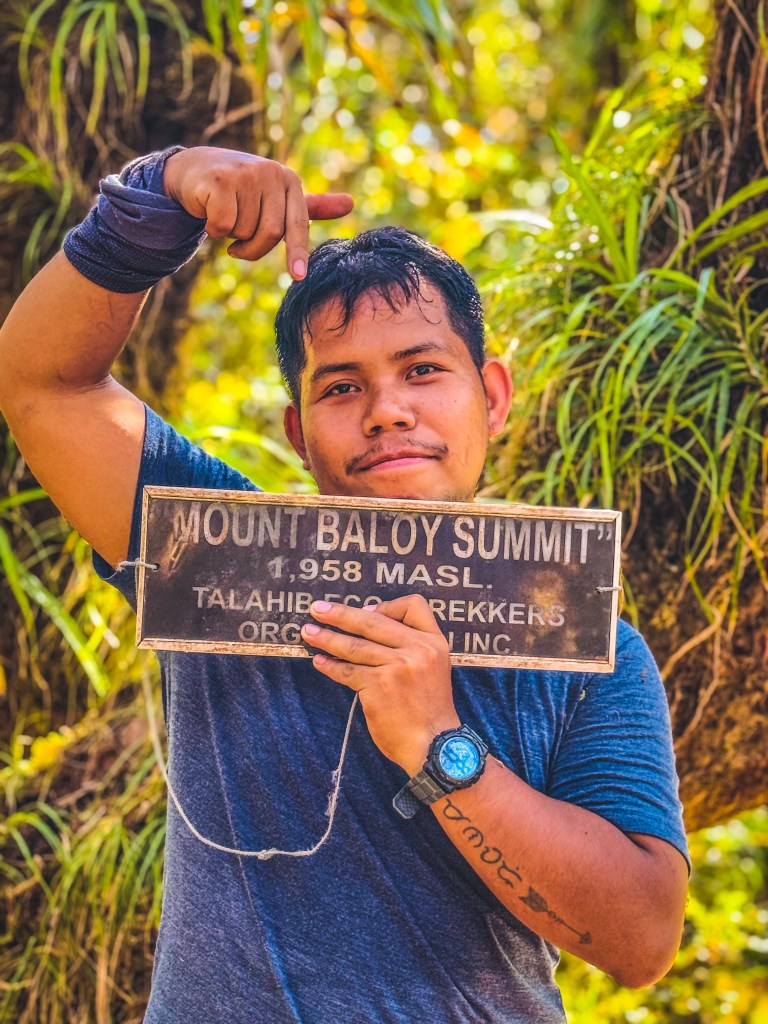
The air was cold and fresh.
The feeling was indescribable.
Completing the Panay Trilogy under the brutal summer heat felt surreal. I felt proud — not only of myself, but also of my partner for enduring every painful step beside me.
Thankfully, hiking during summer also meant fewer limatik encounters.
At that moment, all that mattered was that we made it safely.
The Brutal Descent Back to Base Camp
We only stayed at the summit for around 30 minutes.
We shared stories, laughter, realizations, and lessons from every mountain we climbed throughout the Panay Trilogy.
That’s one thing I truly love about the mountaineering community:
you meet some of the most inspiring people along the trail.
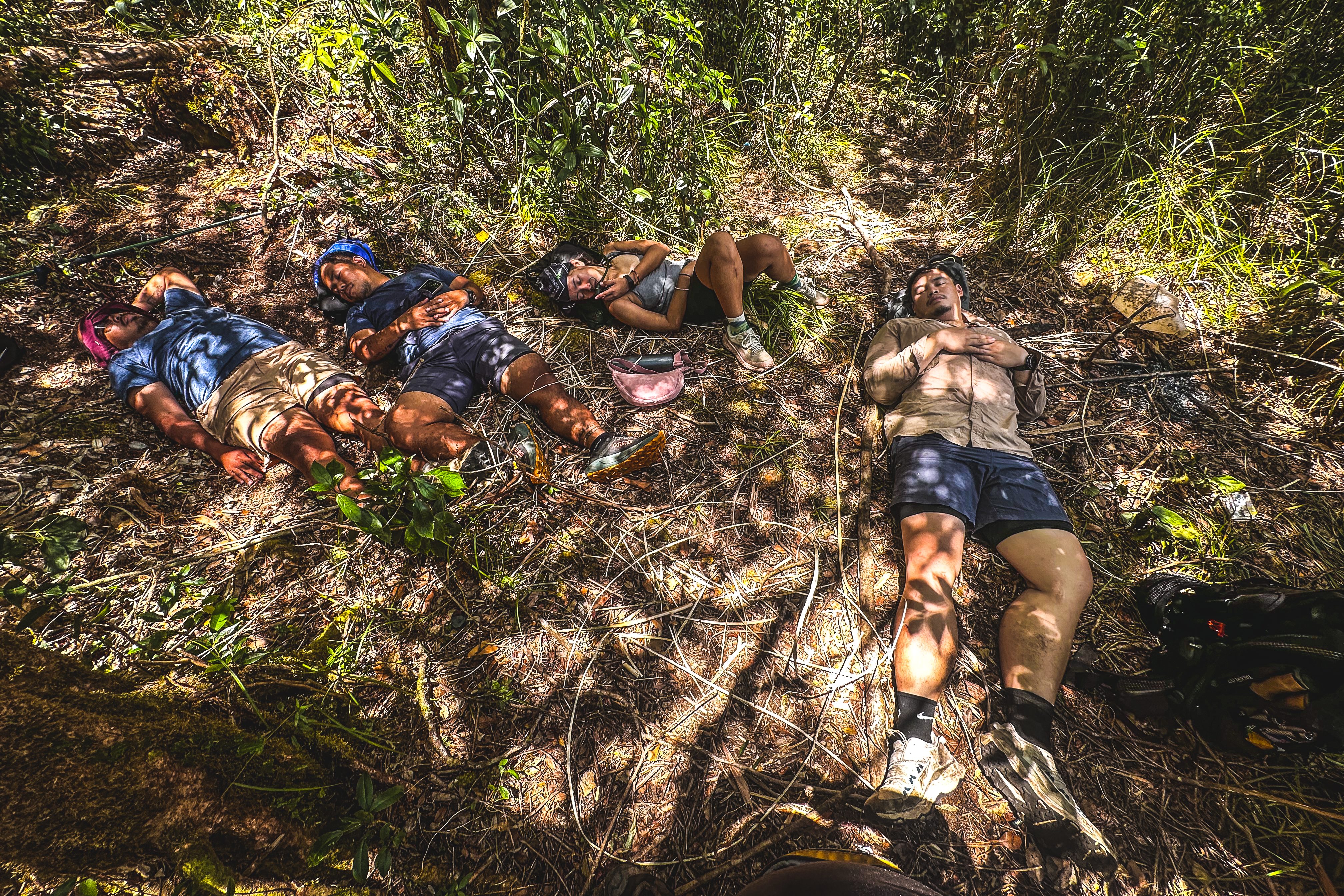
But descending Mt. Baloy was another battle entirely.
The steep sandy trails became dangerously slippery under the afternoon heat. Falling rocks and loose soil forced us to distance ourselves from one another to avoid accidents.
The exposed ridges became even more terrifying during daylight.
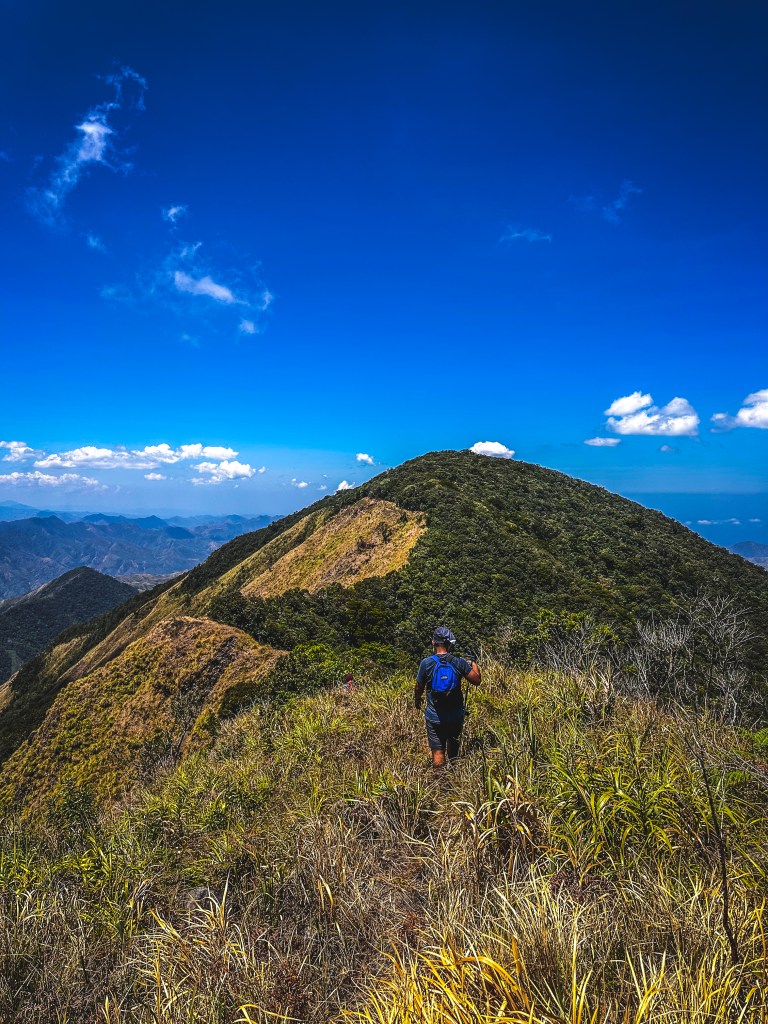
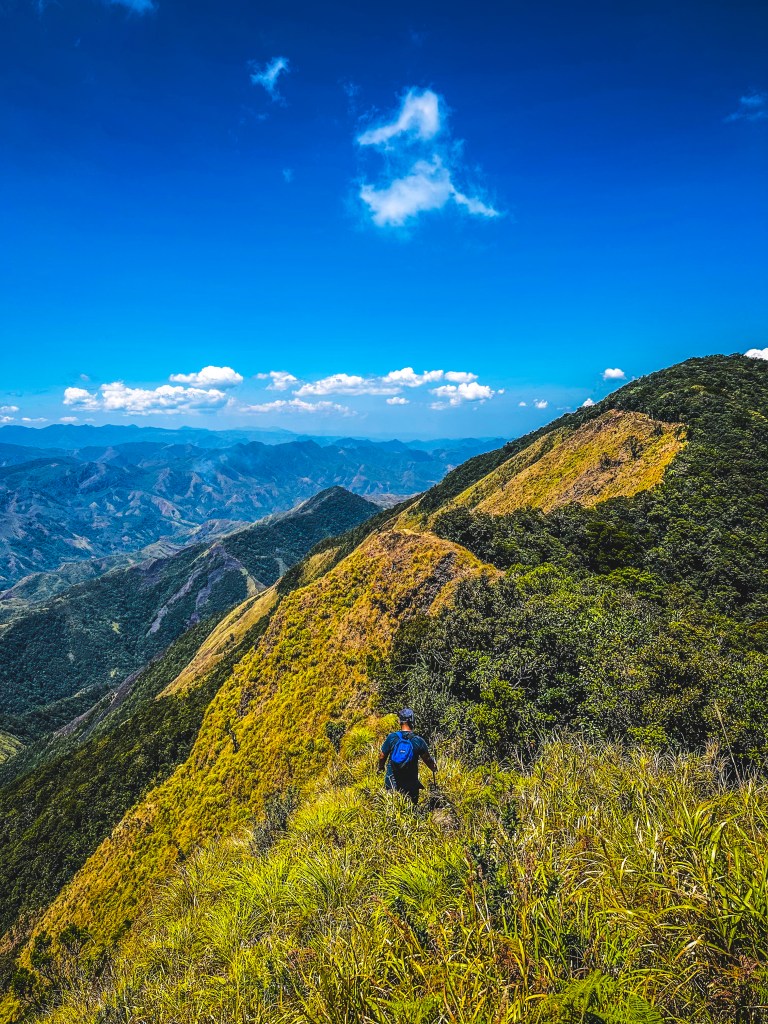
At one point, fear slowly crept back into my mind.
“I must live! This is not my death sentence.”
That single thought kept replaying in my head while descending the dangerous cliffs.
Finally, at around 3:30 PM, we reached the base camp.
Exhausted. Fulfilled. Alive.
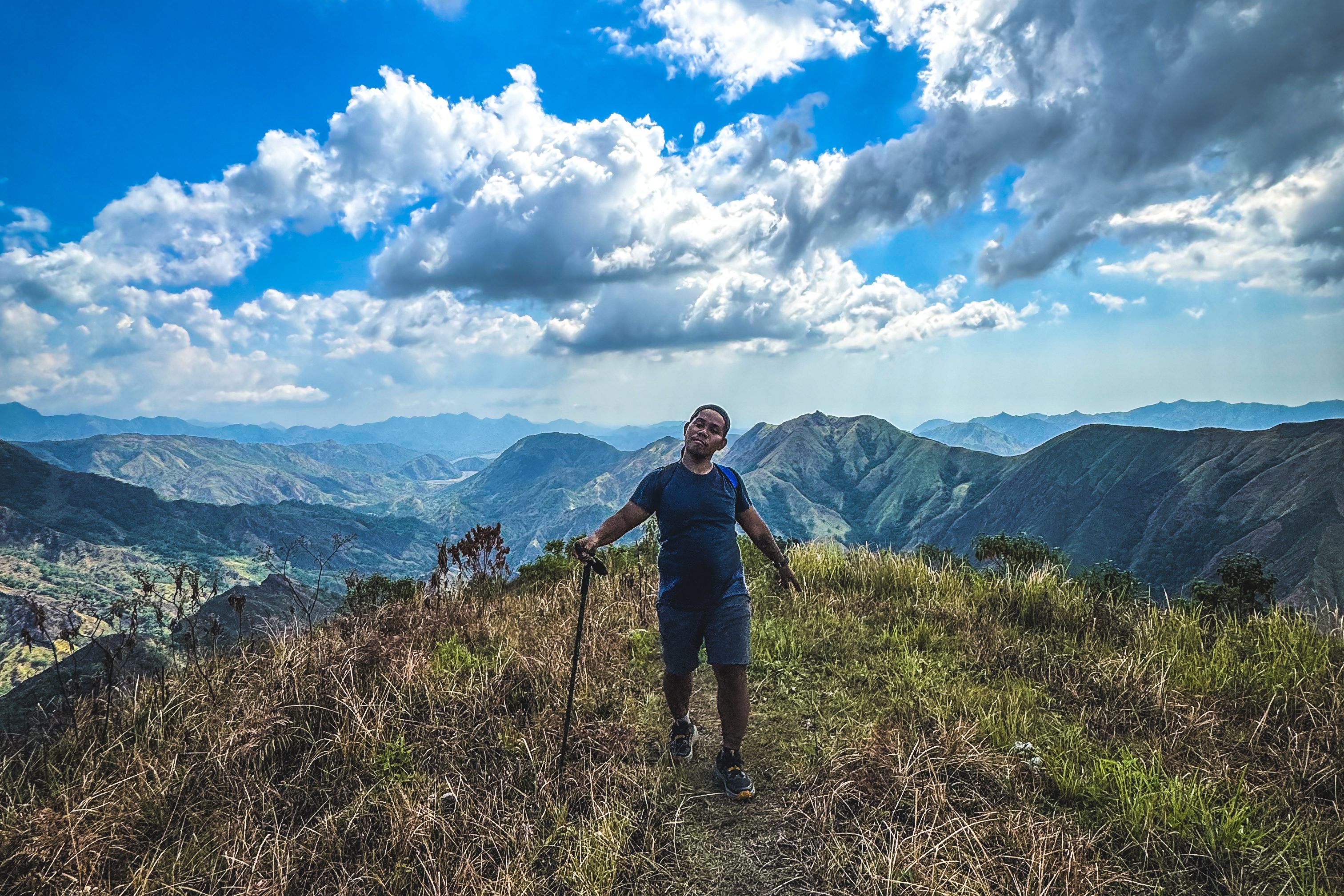
The entire summit push and return took us around 14 hours.
Was it worth it?
Absolutely.
Toil: How Difficult is Mt. Baloy?
Honestly?
Mount Baloy is easily one of the hardest mountains I’ve climbed in the Philippines.
If it had rained during our climb, the difficulty would probably double. The summer heat was punishing, but it also kept the trail manageable.
The steep assaults, exposed ridges, slippery descents, and mentally exhausting terrain constantly push you to question yourself: “Why am I even doing this?”
Mt. Baloy is definitely not for beginners and absolutely not for the faint-hearted.
If I had to rate it personally?
10/9 difficulty.
What the Panay Trilogy Taught Me
The Panay Trilogy taught me one important lesson:
Listen to your body.
Rest when needed. Pause when necessary. Recovery is not weakness.
Throughout the climb, my mind kept telling me to give up. But every time I stopped and allowed myself to breathe, my body eventually recovered enough to continue.
And honestly, life works the same way.
Pausing doesn’t mean quitting.
Sometimes, you simply need time to absorb everything before moving forward again.
That’s how summits are reached.
That’s how dreams are achieved.
Would I come back and hike the Panay Trilogy again?
Definitely.
Because the beauty of Panay’s mountains isn’t something you can simply store in your camera gallery.
It’s something you experience deeply.
Something that calls you back again and again.
And maybe next time…
I’ll finally take on the ultimate challenge:
the Panay Trilogy Traverse.
Would you join me?
I hope this adventure inspires you to chase your own mountains — both in hiking and in life.
Remember:
every summit reached is simply another step toward your next great adventure.
Until the next climb, mga ka-Ahon.
See you on the next trails.
FAQs About Mt. Baloy and the Panay Trilogy
1. How difficult is Mt. Baloy?
Mt. Baloy is considered one of the most difficult mountains in Panay Island, Philippines. Many hikers rate it 9/9 difficulty because of its steep assaults, exposed ridges, slippery descents, and long hiking hours.
2. Is Mt. Baloy beginner-friendly?
No. Mt. Baloy is not recommended for beginner hikers. The trail requires strong endurance, experience in steep mountain terrain, and mental toughness.
3. How long is the Mt. Baloy hike?
The summit push from base camp usually takes around 6 to 7 hours one way, while the roundtrip summit hike can take approximately 14 hours depending on weather and pacing. Total distance including base camp to jump off is around 30KM back and forth.
4. Where is Mt. Baloy located?
Mt. Baloy is located in Valderrama, Antique Province on Panay Island in the Philippines. We hiked this trail via San Agustin Trail as this is more accessible and more manageable compared to the other trails of Mt. Baloy which is the Busog Trail which is way longer and more challenging. It is part of the famous Panay Trilogy together with Mt. Nangtud and Mt. Madja-as.
5. What is the best season to hike Mt. Baloy?
Summer season is often considered the best time because trails are less muddy, safer river crossings and there are fewer limatik (leeches). However, expect intense heat and exposed trails.
6. What should hikers prepare for Mt. Baloy?
Hikers should prepare for:
- Long trekking hours
- Extreme heat
- Multiple river crossings
- Steep assaults and ridges
- Limited water sources near the summit
- Physically demanding terrain
7. How much did we spend for the Panay Trilogy?
This was an organized hike, and we paid the organizer Ben Pagayonan a total of PHP 5,500 each event fee, hosted meals, permits, and van transfers. Motorcycle rides and tips were paid separately out of pocket.
8. Why is the Panay Trilogy famous among hikers?
The Panay Trilogy is famous for its challenging trails, breathtaking mountain landscapes, rich biodiversity, and the rewarding experience of conquering three legendary peaks in Panay Island.
9. Is a guide required for Mt. Baloy?
Yes. Hiring a local guide is highly recommended and usually required for safety, navigation, and coordination with local tourism offices.
10. What makes Mt. Baloy unique?
Mt. Baloy stands out because of its brutal ridges, mossy forests, steep summit assault, and raw wilderness experience that challenges hikers both physically and mentally.


